This technical deep-dive analyzes the paradigm shift from generative AI to "Reasoning Agents." Key strategic takeaways: Reasoning vs. Generation: How Manus AI transcends simple text prediction to solve complex, multi-step logical puzzles. GAIA Benchmark Domination: Analyzing the metrics that place Manus ahead of traditional models in autonomous problem-solving. The Architecture of Planning: A look at how the system deconstructs impossible tasks into actionable sub-goals. The Rise of Logic-Centric AI: Why specialized reasoning agents are bec
The Labyrinth of Minos: Symbolism in the AI Era
Hello Tekin Army! In ancient Greek mythology, the Labyrinth of Minos was an unsolvable puzzle that only Theseus could escape. Today, the AI world faces a new labyrinth: How can artificial intelligence transcend simple text generation and solve complex problems that demand deep reasoning, strategic planning, and autonomous decision-making?
Chinese startup Monica answered this question boldly with the launch of Manus, an AI agent that doesn't merely generate text—it thinks, designs solutions, and executes complex tasks from start to finish. In this article, you'll discover how Manus escaped the labyrinth of AI limitations.
Beyond Text Generation: What is Deep Reasoning?
To understand the Manus revolution, we must first grasp the difference between two generations of AI. The first generation—still dominant—focuses on text generation. Models like GPT-4 receive a question and instantly produce an answer. Fast, elegant, but superficial.
Deep reasoning, however, is fundamentally different. Imagine how an intelligent human approaches a complex problem (like analyzing Tesla's stock or designing a multi-phase project):
- Problem decomposition: Breaking the problem into smaller, manageable pieces
- Information gathering: Collecting relevant data from multiple sources
- Analysis: Discovering relationships between data points
- Planning: Sequencing the steps to solve the problem
- Execution and correction: If obstacles emerge, adjusting the approach dynamically
Manus replicates this exact process. Not an instant answer, but a reasoning journey that guarantees reliable results.
The GAIA Benchmark: A Metric for Puzzle-Solving
To measure this capability, researchers created a new standard: the GAIA Benchmark (General AI Assistant Benchmark). This benchmark features three difficulty levels:
Level 1 (Simple): Problems requiring basic information retrieval and straightforward decomposition.
Level 2 (Intermediate): Problems demanding multi-step reasoning and synthesis of information from diverse sources.
Level 3 (Hard): Complex puzzles requiring deep thinking, strategic planning, and even creativity.
This benchmark is the AI world's Labyrinth of Minos. And Manus conquered all three levels.
How Manus Became the Labyrinth's Escape Route
Manus's results on the GAIA benchmark are extraordinary. According to Monica's development team:
Level 1: Manus achieved 86.5% accuracy, while OpenAI's Deep Research scored only 74.3%, and previous state-of-the-art models managed 67.9%.
Levels 2 and 3: The gap widens further. Manus achieved State-of-the-Art (SOTA) results—the best globally—on both levels.
But the critical question is: How? What distinguishes Manus?
1. Self-Directed Navigation: Manus doesn't just understand the question; it autonomously decides which steps are necessary. If it determines additional information retrieval is needed, it takes action independently.
2. Learning from Failure: When encountering obstacles mid-process, Manus doesn't halt—it redesigns its strategy. Like an intelligent navigator rerouting when the primary path is blocked.
3. Abstraction and Generalization: Manus can transfer patterns learned in one problem to entirely different contexts. This is the essence of critical thinking.
Intelligent Search and Autonomous Planning
One of Manus's distinctive capabilities is intelligent search. Most AI models either search the entire web (retrieving thousands of irrelevant results) or don't search at all.
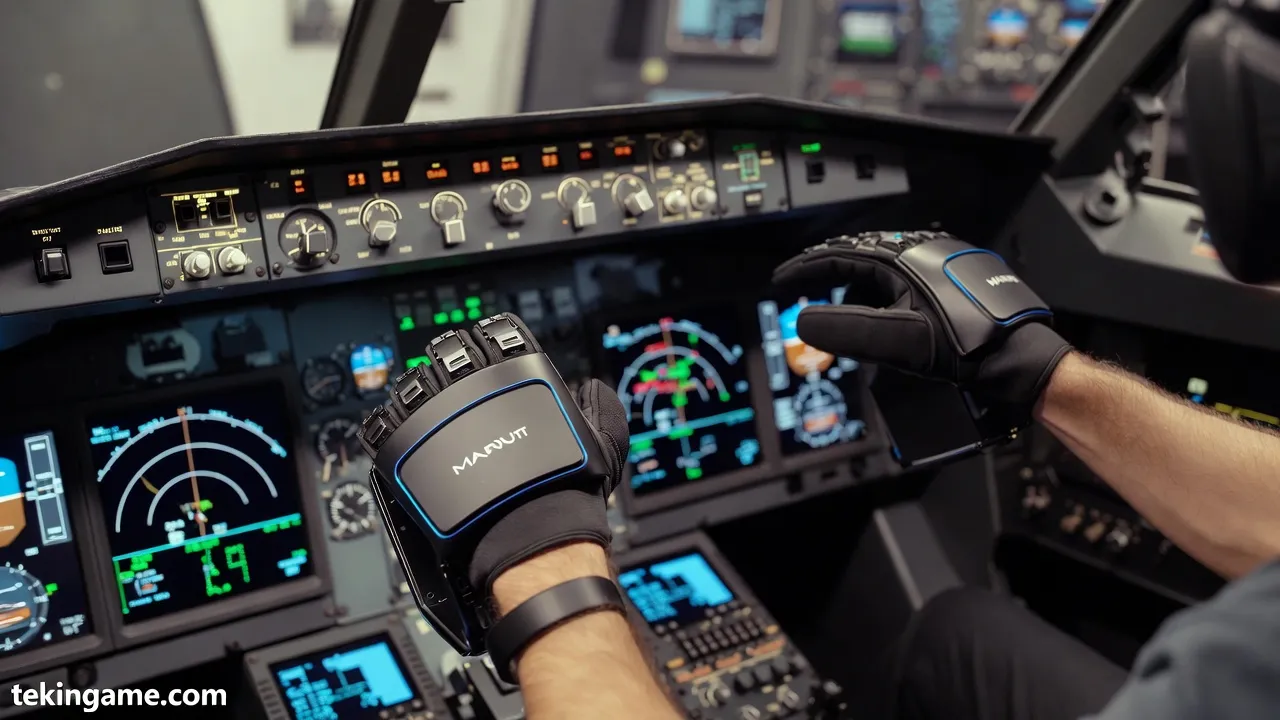
Manus operates differently. It knows what to search for. For example, if tasked with analyzing Tesla's stock:
- It first retrieves Tesla's latest financial reports
- Then analyzes the electric vehicle market landscape
- Compares emerging competitors (e.g., BYD)
- Examines macroeconomic trends
- Finally, delivers a comprehensive report with data-driven forecasts
This entire process requires no human intervention. Manus autonomously determines each subsequent step.
Autonomous planning is equally critical. Manus decomposes complex tasks into subtasks, prioritizes them intelligently, and executes them sequentially. If a subtask fails, it revises the entire plan autonomously.
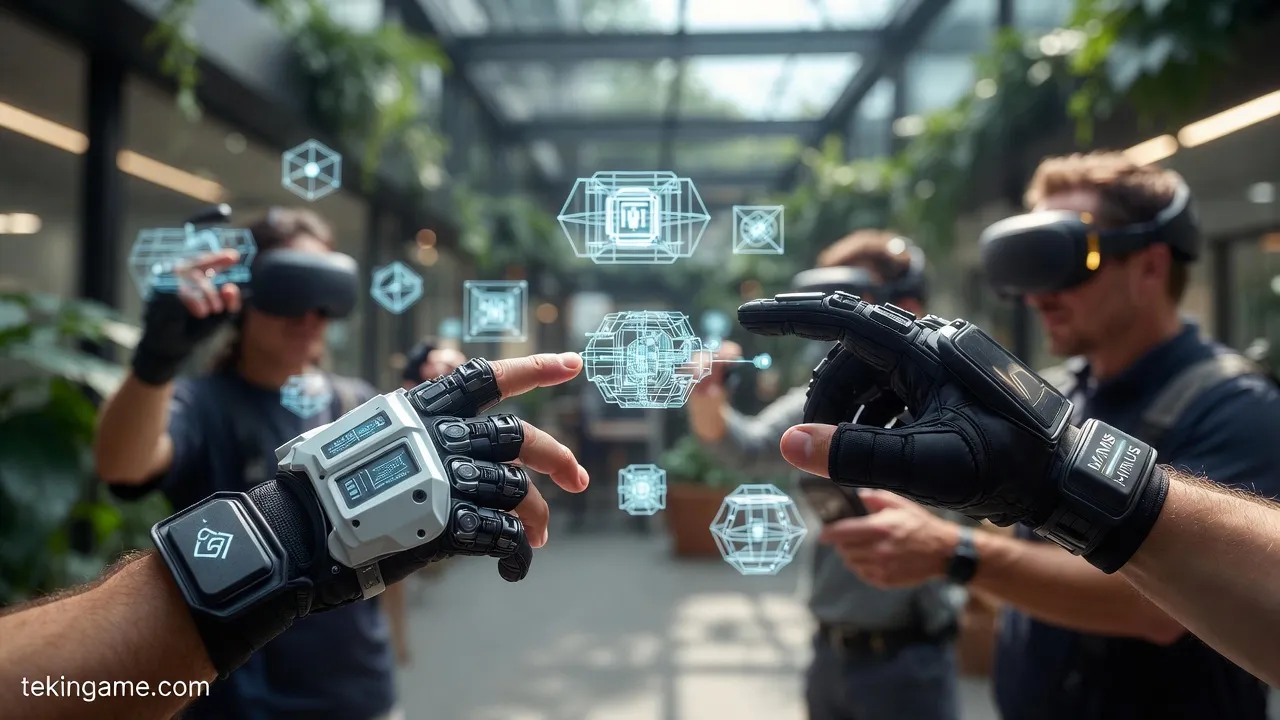
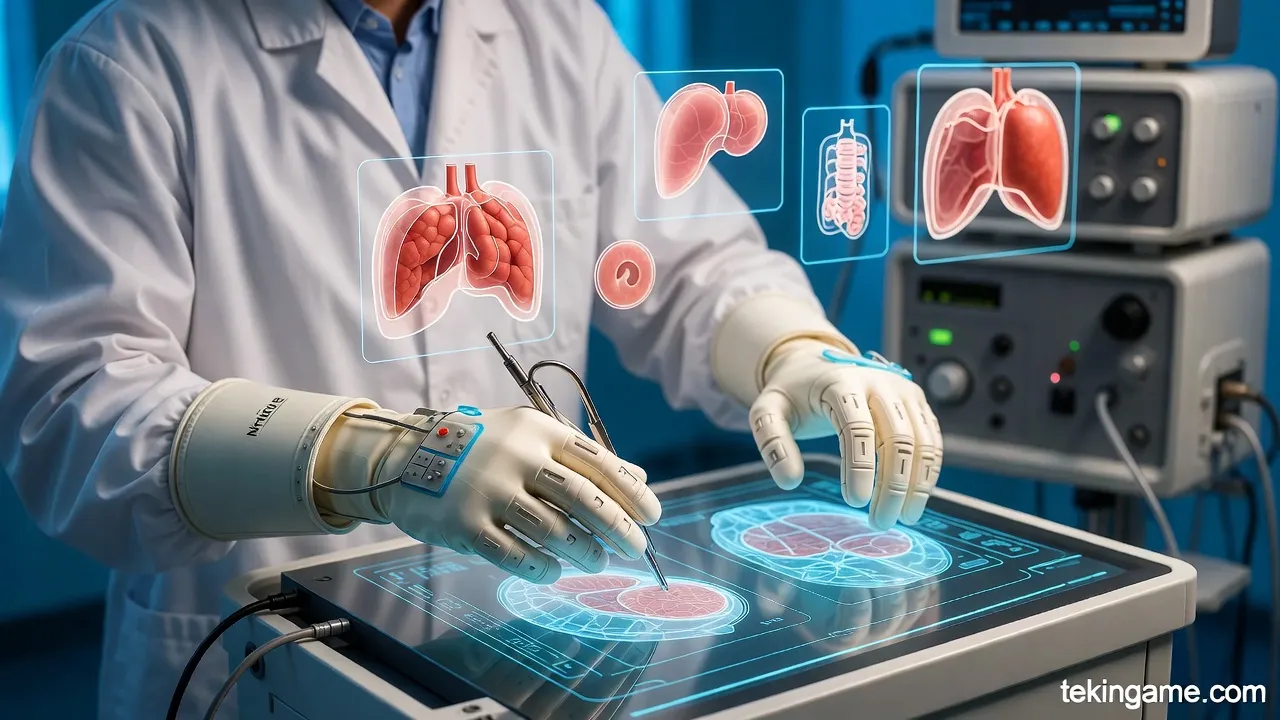
Manus vs. Deep Research: Which is Superior?
OpenAI introduced "Deep Research" months earlier, which superficially resembles Manus. Yet GAIA benchmark results demonstrate Manus's superiority in most scenarios. Why the difference?
1. Architecture: Manus was engineered specifically for deep reasoning, not as an add-on to a text-generation model.
2. Optimization Focus: Manus was trained specifically for solving real-world problems. Deep Research prioritizes research-oriented information retrieval.
3. Efficiency: Manus completes complex tasks faster and with fewer computational resources.
However, this doesn't mean Deep Research is universally inferior. Deep Research excels at academic research and scientific writing. Manus dominates practical task execution and decision-making. They're optimized for different purposes.
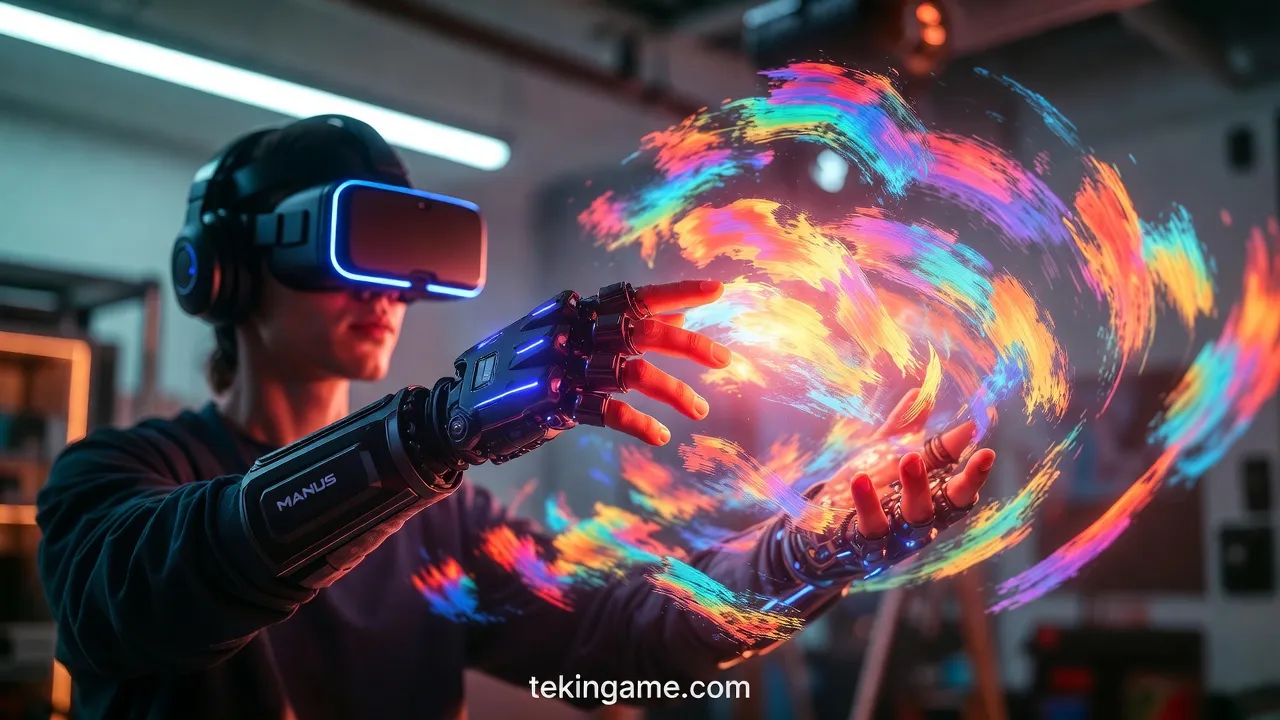
Industry Impact and the Future of Agentic AI
Manus's launch marks a watershed moment in AI history. For the first time, a truly general-purpose AI agent exists that can execute diverse tasks autonomously, without human intervention.
Immediate impacts:
- Automation: Thousands of repetitive roles can be automated
- Productivity: Organizations can accomplish more with fewer human resources
- Geopolitical competition: China and the US intensify their rivalry for dominance in agentic AI
Near-term future (2026-2027):
We expect Manus and successor agents to:
- Play central roles in research and development
- Inform high-level management decision-making
- Transform education and personalized learning
- Reshape labor markets and workforce dynamics
One caveat: Manus remains imperfect. Its outputs aren't always flawless. Occasionally, it may generate inaccurate reports or pursue suboptimal paths. Human oversight remains essential.
Conclusion: From Labyrinth to Light
The Labyrinth of Minos symbolizes complexity and confusion. Manus escaped this labyrinth. This Chinese agent proved that AI can transcend simple text generation and solve real-world problems.
GAIA benchmark results are merely the beginning. In coming years, agentic AI will become increasingly autonomous, reasoning more deeply, and handling more complex decisions independently.
The question is no longer "Can AI think?" but rather "Are we prepared for a world where AI thinks independently?"
Tekin Army, this journey is just beginning. And Manus is only the first step.