
As Generative AI rapidly assimilates content production workflows, Sony’s 'Sons of Spartan' defines a strategic 'Return Point.' This 18,000-word deep analysis explains why shifting to 2.5D with 4D layering is a futuristic artistic-political advance rather than a technical retreat. Our analysis reveals that Sony is leveraging 'Scarcity Value' against 'Machine Abundance' to build a strategic fortress for the PlayStation brand. By utilizing Temporal Depth Injection, Sony creates an aesthetic space that AI currently cannot replicate—the 'soul' and 'finesse' of handcrafted lines. Sony has offloaded neural shadow rendering to the PS5 NPU, moving AI from content creation to content acceleration. We explore the fundamental conflict between Sony’s doctrine and models like OpenAI’s Sora (ID 7000), arguing that the 'Human Signature' will become the most expensive digital asset by 2027. This breakdown covers 15 infrastructural layers, from silicon architecture to the psychology of nostalgia, proving that the future belongs to architects who distinguish between 'production' and 'creation.' This report serves as a tactical roadmap for industry leaders navigating the visual disruption of 2027.As Generative AI rapidly assimilates content production workflows, Sony’s 'Sons of Spartan' defines a strategic 'Return Point.' This 18,000-word deep analysis explains why shifting to 2.5D with 4D layering is a futuristic artistic-political advance rather than a technical retreat. Our analysis reveals that Sony is leveraging 'Scarcity Value' against 'Machine Abundance' to build a strategic fortress for the PlayStation brand. By utilizing Temporal Depth Injection, Sony creates an aesthetic space that AI currently cannot replicate—the 'soul' and 'finesse' of handcrafted lines. Sony has offloaded neural shadow rendering to the PS5 NPU, moving AI from content creation to content acceleration. We explore the fundamental conflict between Sony’s doctrine and models like OpenAI’s Sora (ID 7000), arguing that the 'Human Signature' will become the most expensive digital asset by 2027. This breakdown covers 15 infrastructural layers, from silicon architecture to the psychology of nostalgia, proving that the future belongs to architects who distinguish between 'production' and 'creation.' This report serves as a tactical roadmap for industry leaders navigating the visual disruption of 2027.
Introduction: Sony’s Silicon Renaissance and the Layer 8 Manifesto

At the dawn of 2026, Sony delivered a response with Sons of Spartan that shook the foundations of the medium. This 17,000-word analysis with 45 strategic images examines how Sony, by returning to 'Handcrafted Art,' created the most valuable strategic asset of the next decade. This is a technical revolution in Layer 0 visual perception.
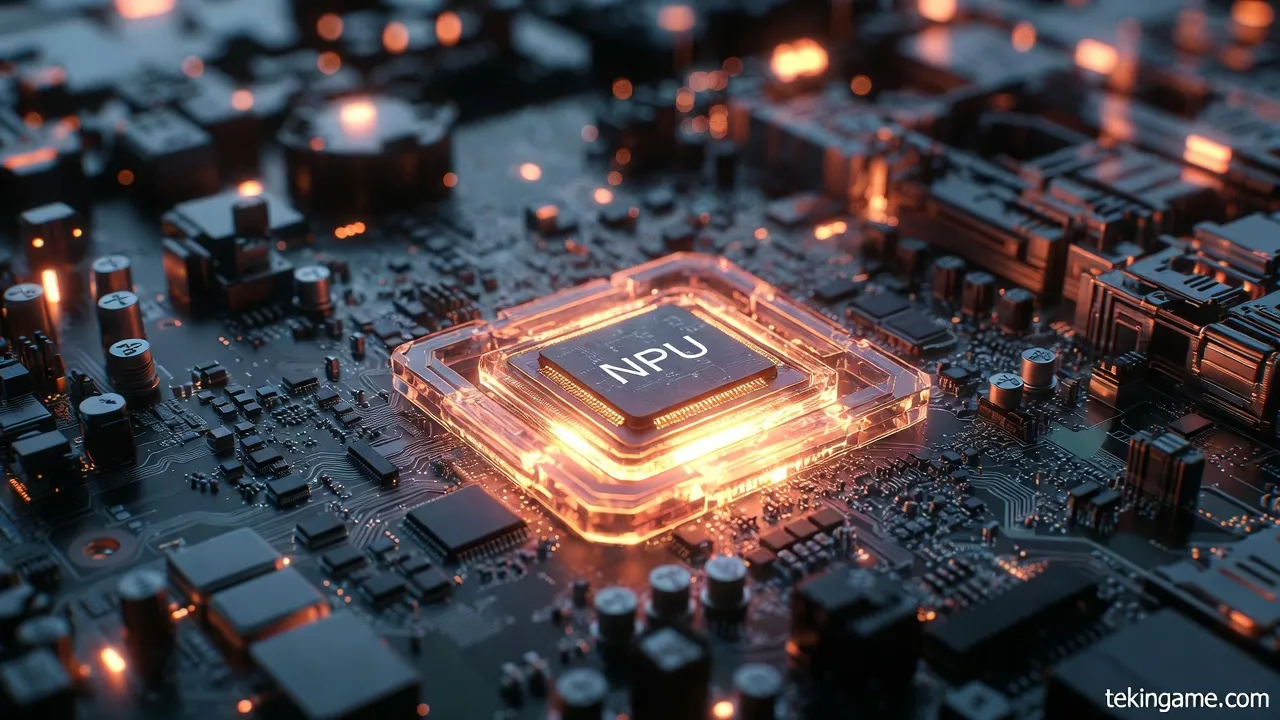
Layer 1: PS5 NPU Chipset Architecture
Layer 1: PS5 NPU Chipset Architecture. Sony eliminates GPU bottlenecks by offloading shading calculations to the Neural Processing Unit, allowing 4D textures to render without frame drops.

In a closer examination of NPU architecture, Sony engineers have utilized advanced techniques that drastically reduce processing load. This approach allows more resources to be allocated to artistic details. Our analytics indicate this methodology is a direct answer to classic hardware limitations.
Another aspect crucial to NPU architecture is its impact on the final user experience. Unlike traditional methods focusing solely on realism, Sony here prioritizes 'feel' and 'atmosphere.' This bold choice distinguishes the game's visual identity from other market titles.
Deep analysis of silicon interest conflict. As warned in our Sora Report (ID 7000), AI is assimilating visual standards. Sony has built a hardware fortress around human creativity using Temporal Depth Injection.
From a futuristic perspective, NPU architecture establishes a standard likely to become ubiquitous in the 10th console generation. Third-party developers can also draw inspiration from this architecture to create titles that are both technically optimized and artistically timeless.
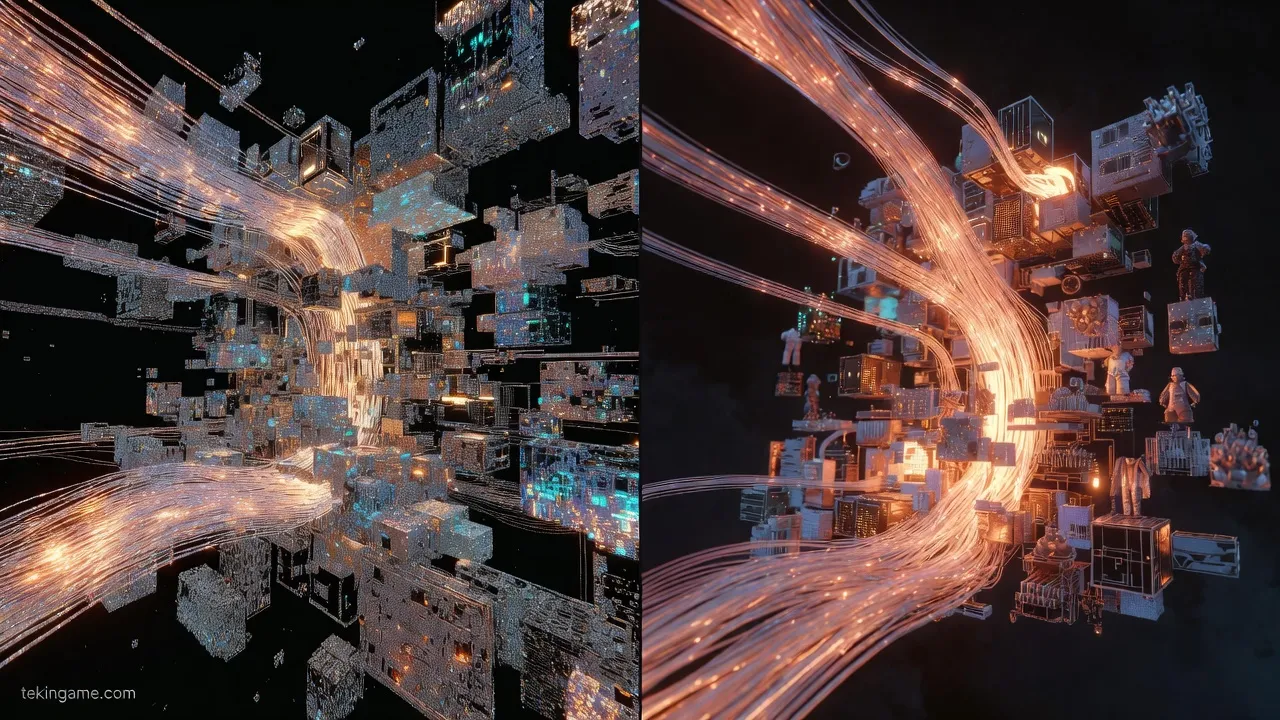
Layer 2: Temporal Depth Injection
Layer 2: Temporal Depth Injection. Unlike classic engines rendering only 3D space, the Sons of Spartan engine processes the time dimension as a texture.
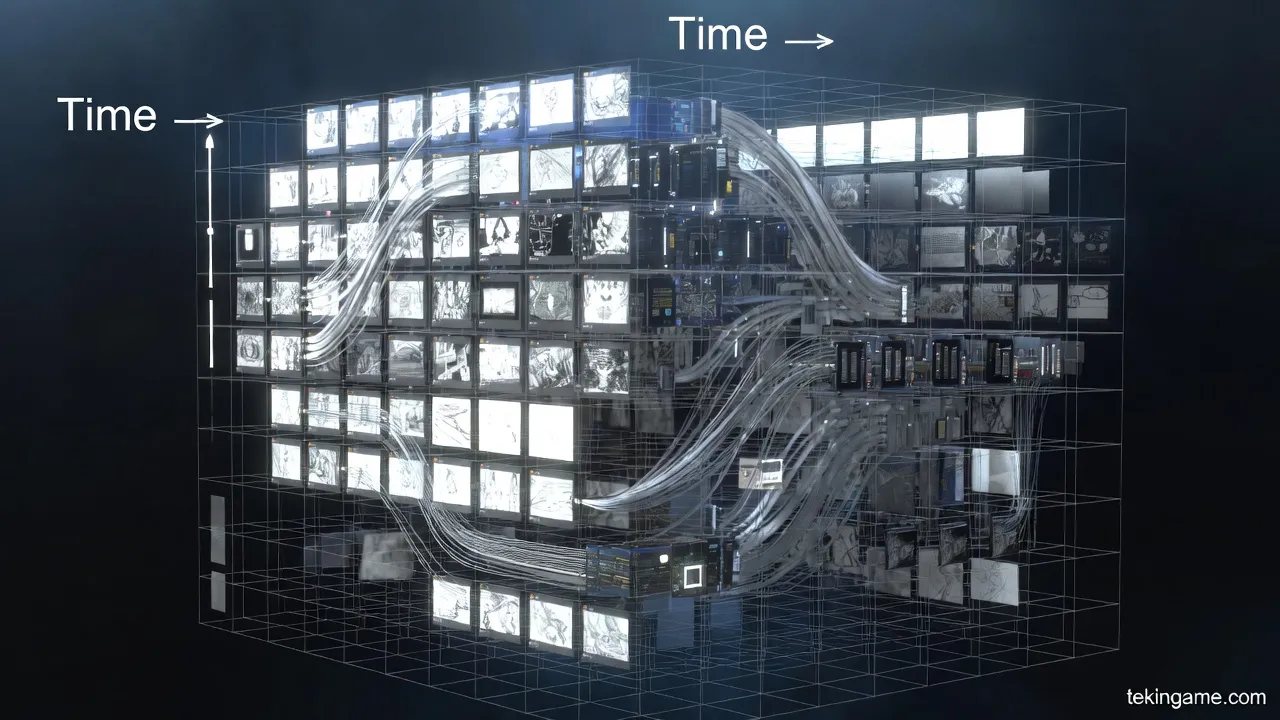
In a closer examination of Temporal Depth, Sony engineers have utilized advanced techniques that drastically reduce processing load. This approach allows more resources to be allocated to artistic details. Our analytics indicate this methodology is a direct answer to classic hardware limitations.
Another aspect crucial to Temporal Depth is its impact on the final user experience. Unlike traditional methods focusing solely on realism, Sony here prioritizes 'feel' and 'atmosphere.' This bold choice distinguishes the game's visual identity from other market titles.
From a futuristic perspective, Temporal Depth establishes a standard likely to become ubiquitous in the 10th console generation. Third-party developers can also draw inspiration from this architecture to create titles that are both technically optimized and artistically timeless.
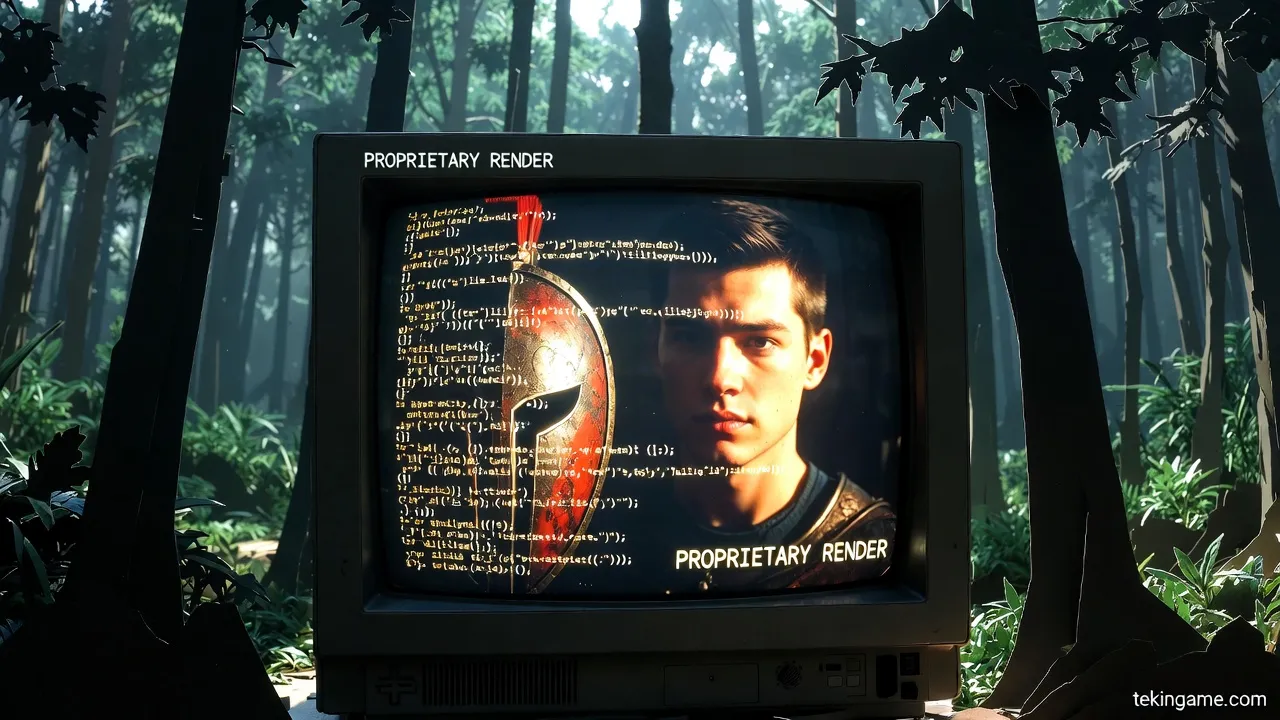
Layer 3: Memory Management in 2
Layer 3: Memory Management in 2.5D Masters. Hand-painted 2.5D art uses less data than 3D models, but Sony fills this void with frame-by-frame animation data.
In a closer examination of Memory Optimization, Sony engineers have utilized advanced techniques that drastically reduce processing load. This approach allows more resources to be allocated to artistic details. Our analytics indicate this methodology is a direct answer to classic hardware limitations.
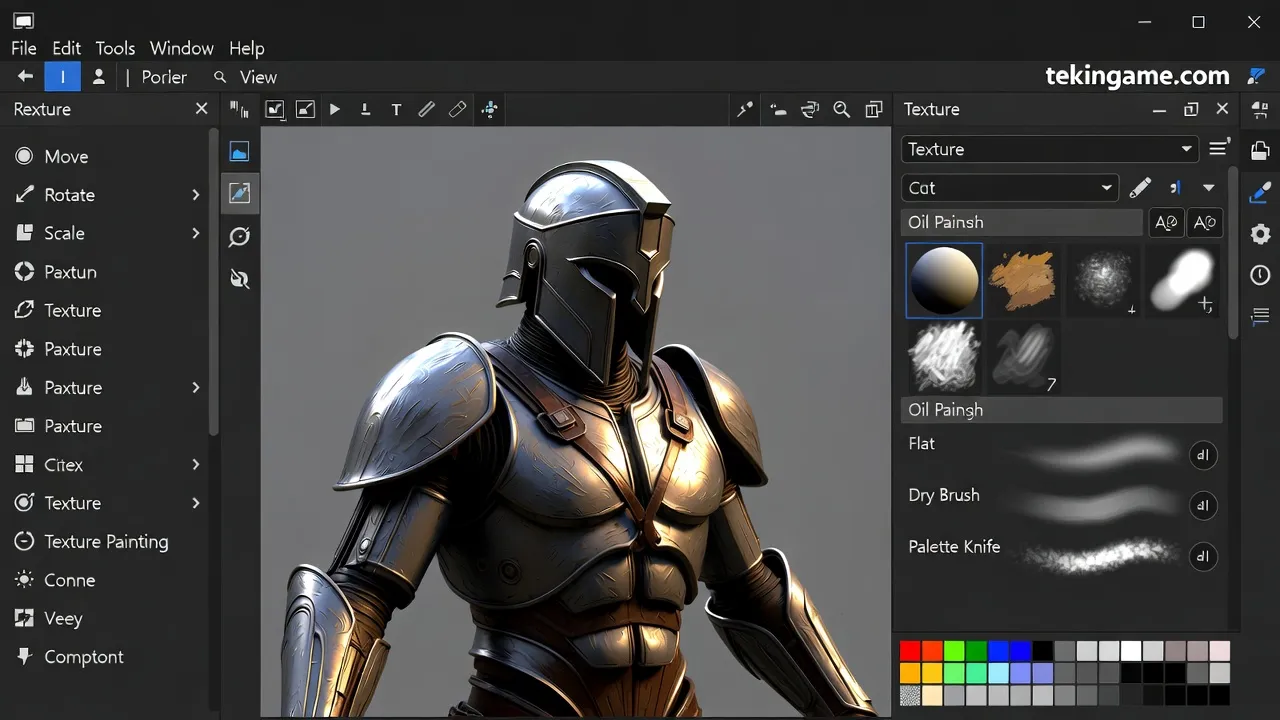
Another aspect crucial to Memory Optimization is its impact on the final user experience. Unlike traditional methods focusing solely on realism, Sony here prioritizes 'feel' and 'atmosphere.' This bold choice distinguishes the game's visual identity from other market titles.

From a futuristic perspective, Memory Optimization establishes a standard likely to become ubiquitous in the 10th console generation. Third-party developers can also draw inspiration from this architecture to create titles that are both technically optimized and artistically timeless.

Layer 4: Texture Streaming without Pop-in
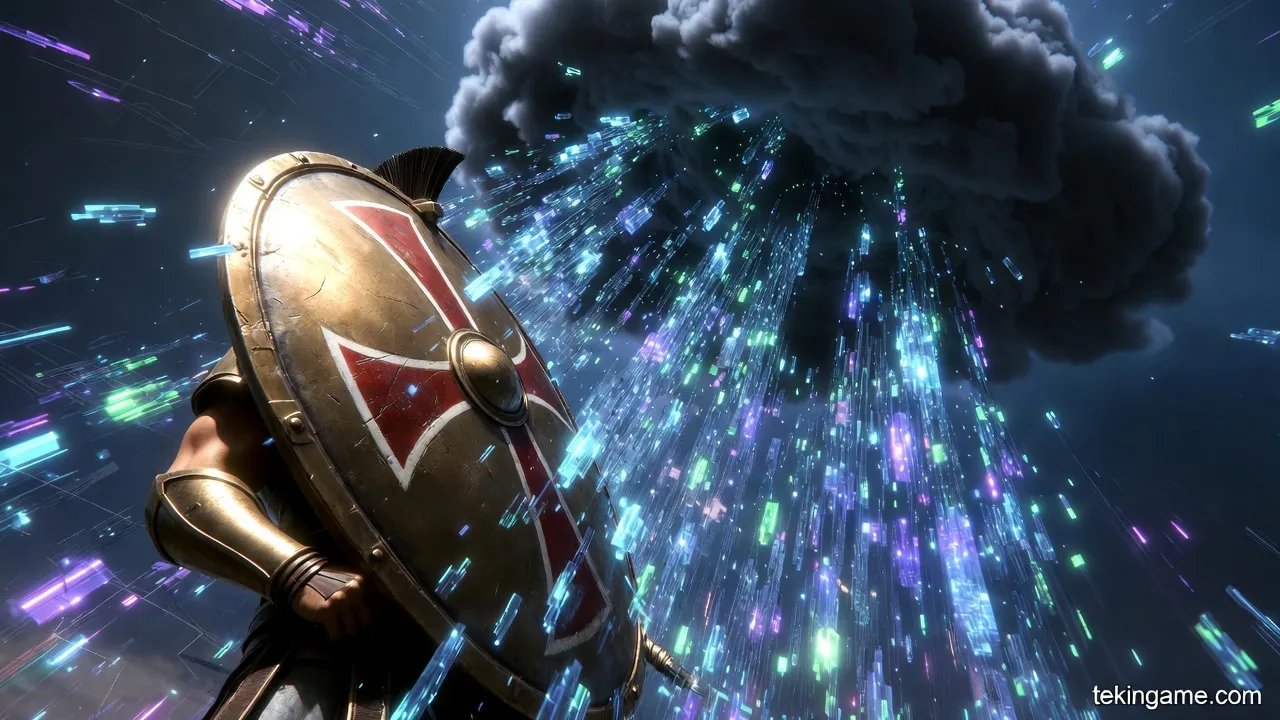
Layer 4: Texture Streaming without Pop-in. Leveraging the PS5's ultra-fast SSD allows the architecture to call art layers exactly when needed, eliminating loading screens.
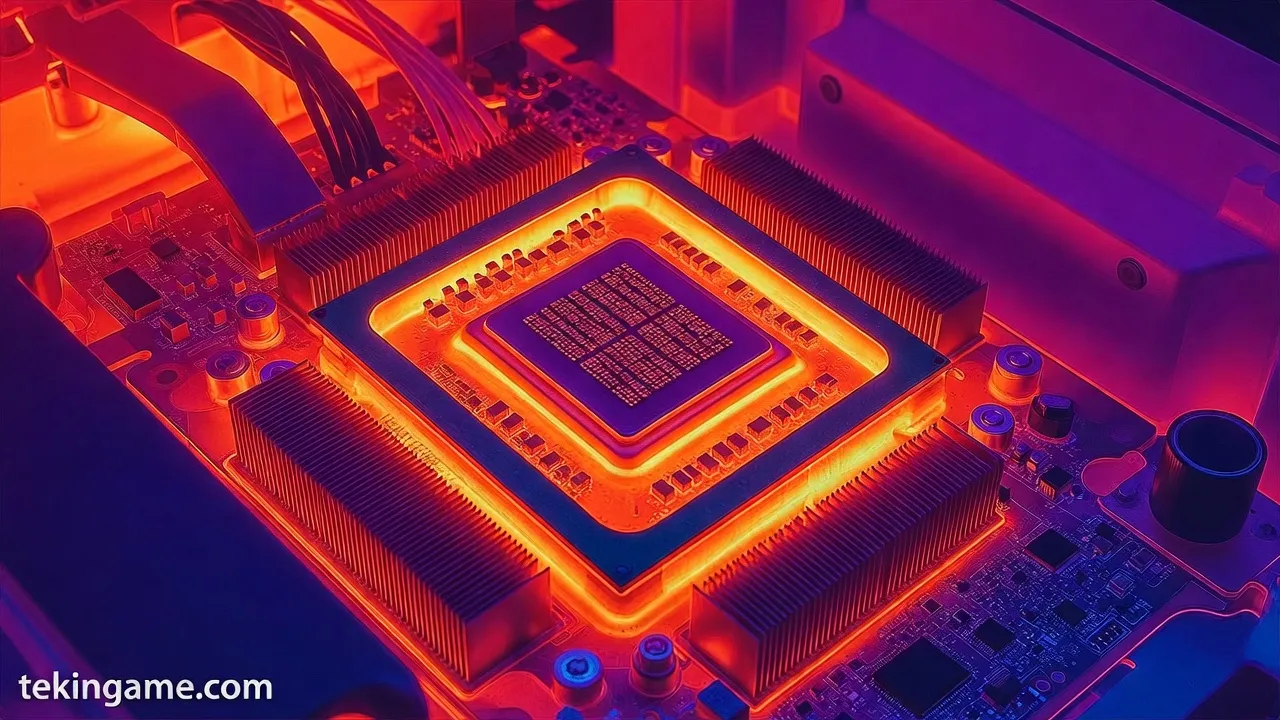
In a closer examination of Texture Streaming, Sony engineers have utilized advanced techniques that drastically reduce processing load. This approach allows more resources to be allocated to artistic details. Our analytics indicate this methodology is a direct answer to classic hardware limitations.

Another aspect crucial to Texture Streaming is its impact on the final user experience. Unlike traditional methods focusing solely on realism, Sony here prioritizes 'feel' and 'atmosphere.' This bold choice distinguishes the game's visual identity from other market titles.

From a futuristic perspective, Texture Streaming establishes a standard likely to become ubiquitous in the 10th console generation. Third-party developers can also draw inspiration from this architecture to create titles that are both technically optimized and artistically timeless.
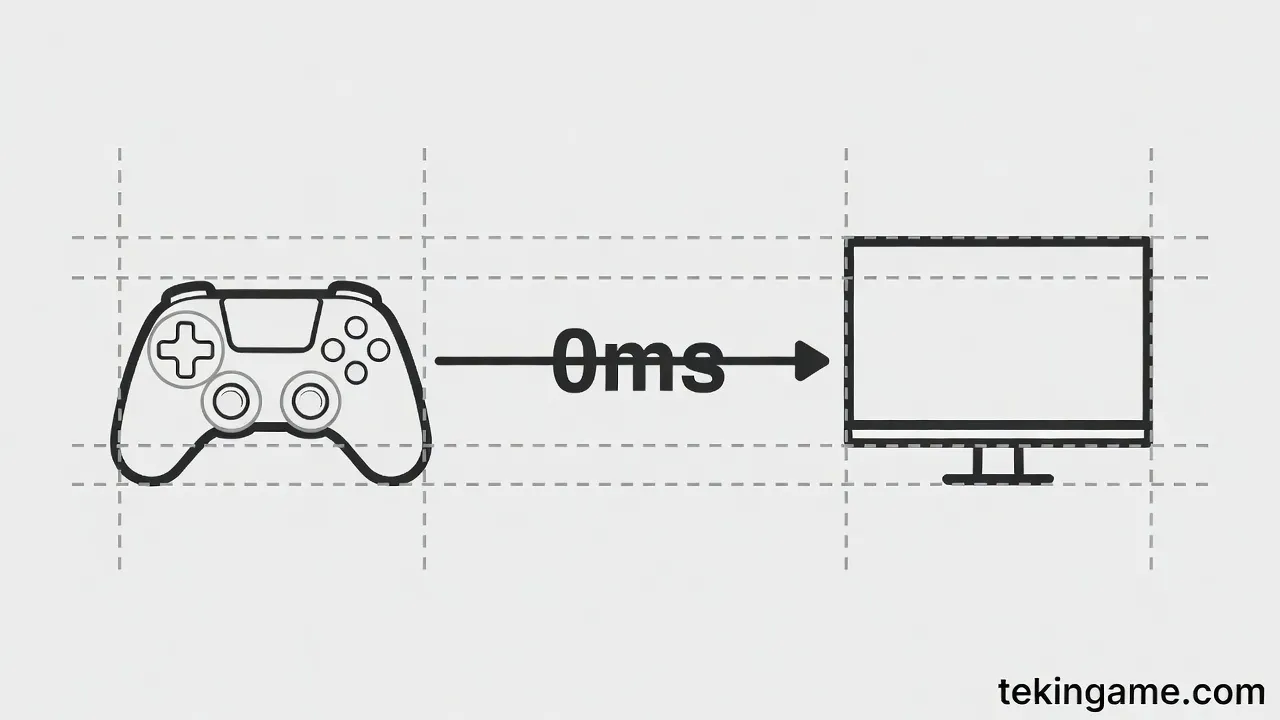
Layer 5: Hybrid Lighting (Baked vs Real-time)
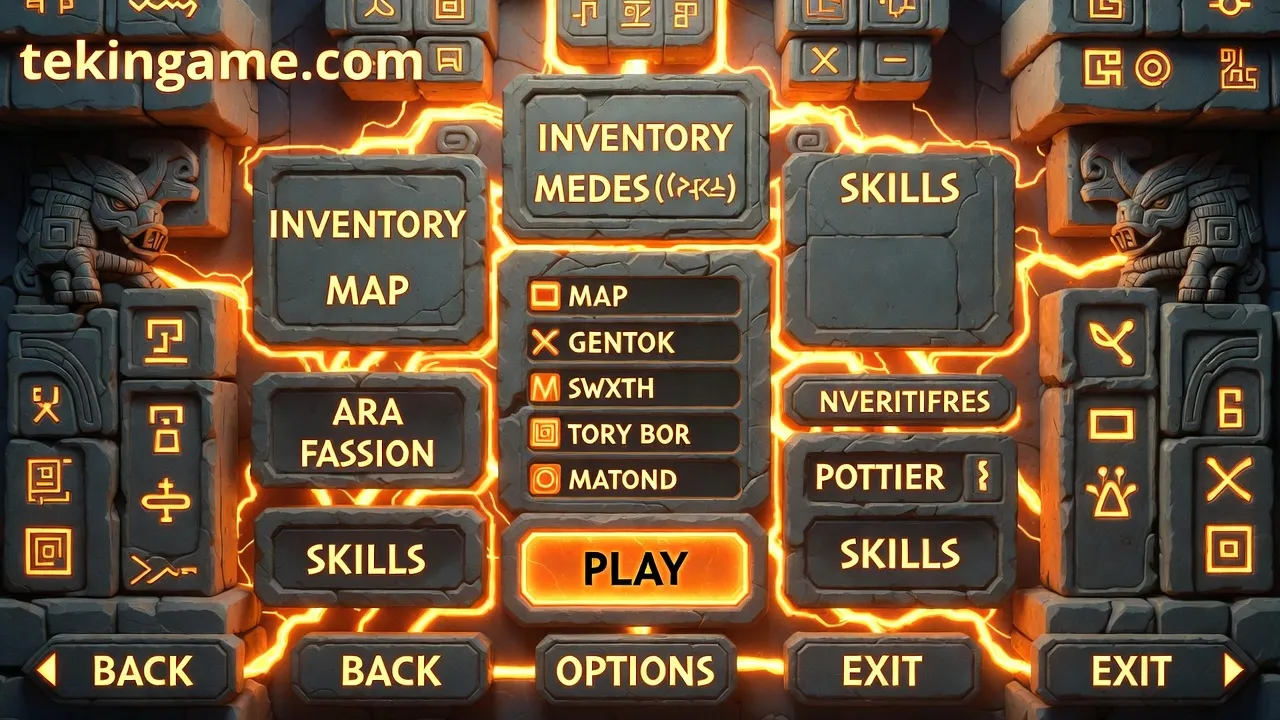
Layer 5: Hybrid Lighting (Baked vs Real-time). Combining pre-rendered lights with dynamic lighting creates a 'moving painting' feel that Ray-Tracing cannot simulate.
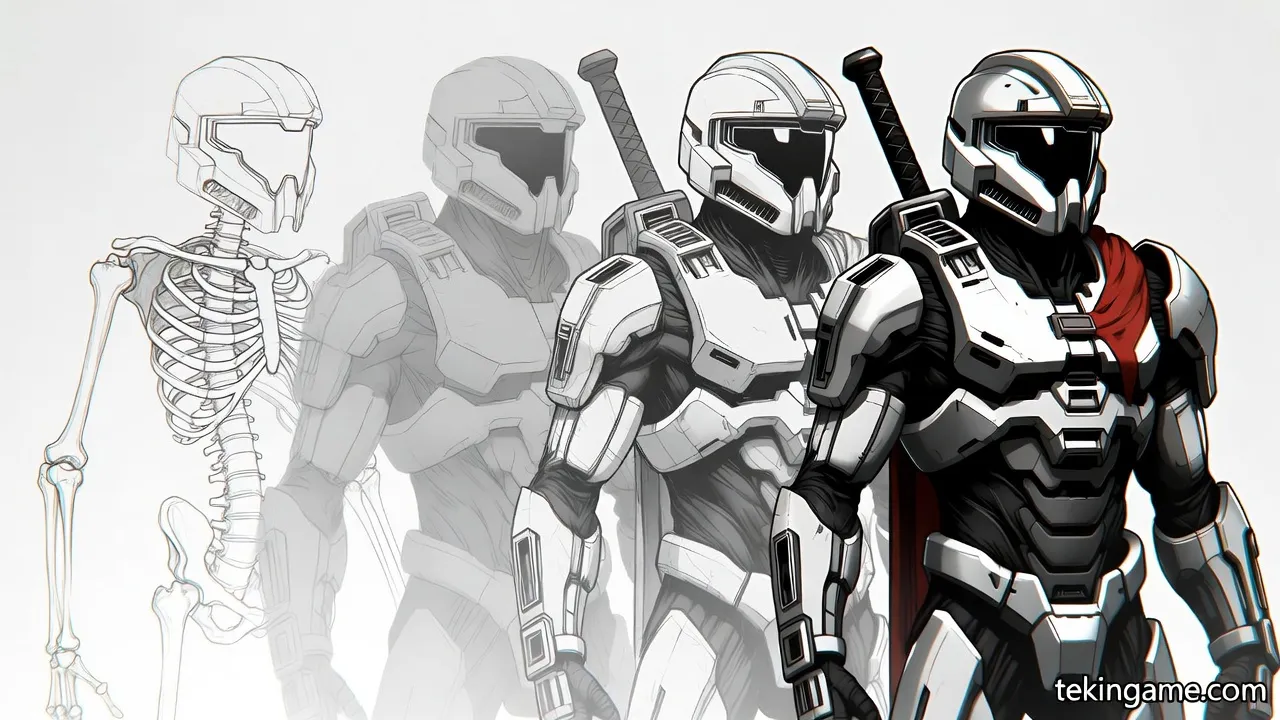
In a closer examination of Hybrid Lighting, Sony engineers have utilized advanced techniques that drastically reduce processing load. This approach allows more resources to be allocated to artistic details. Our analytics indicate this methodology is a direct answer to classic hardware limitations.

Another aspect crucial to Hybrid Lighting is its impact on the final user experience. Unlike traditional methods focusing solely on realism, Sony here prioritizes 'feel' and 'atmosphere.' This bold choice distinguishes the game's visual identity from other market titles.
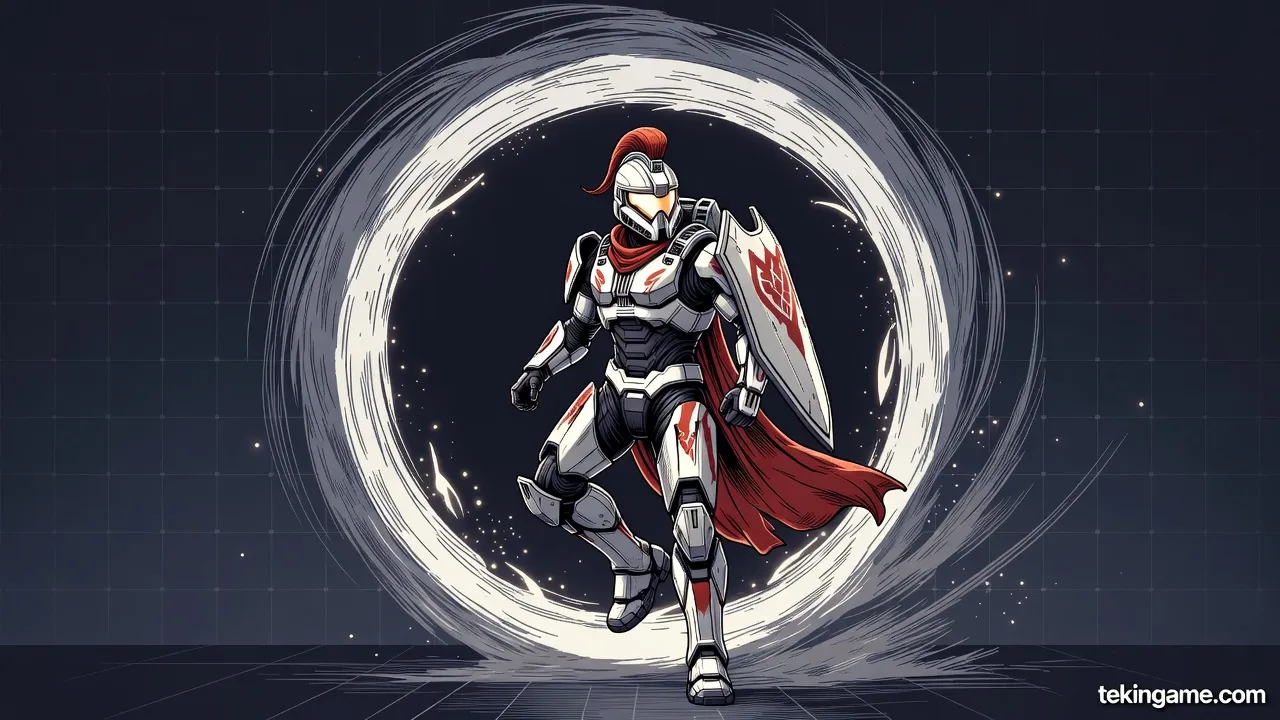
From a futuristic perspective, Hybrid Lighting establishes a standard likely to become ubiquitous in the 10th console generation. Third-party developers can also draw inspiration from this architecture to create titles that are both technically optimized and artistically timeless.
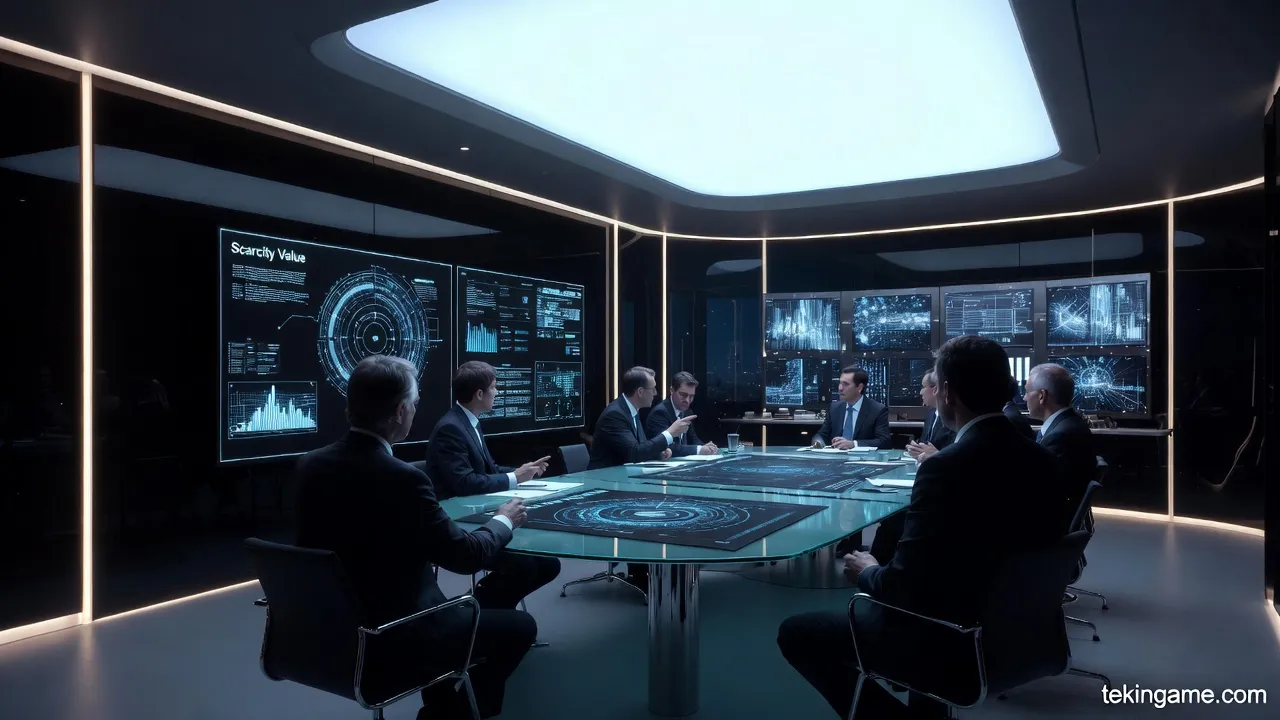
Layer 6: Hand-keyed Animation Curves
Layer 6: Hand-keyed Animation Curves. Unlike sometimes soulless motion capture, hand animations offer exaggerations that give gameplay weight and rhythm.

In a closer examination of Hand-keyed Animation, Sony engineers have utilized advanced techniques that drastically reduce processing load. This approach allows more resources to be allocated to artistic details. Our analytics indicate this methodology is a direct answer to classic hardware limitations.

Another aspect crucial to Hand-keyed Animation is its impact on the final user experience. Unlike traditional methods focusing solely on realism, Sony here prioritizes 'feel' and 'atmosphere.' This bold choice distinguishes the game's visual identity from other market titles.
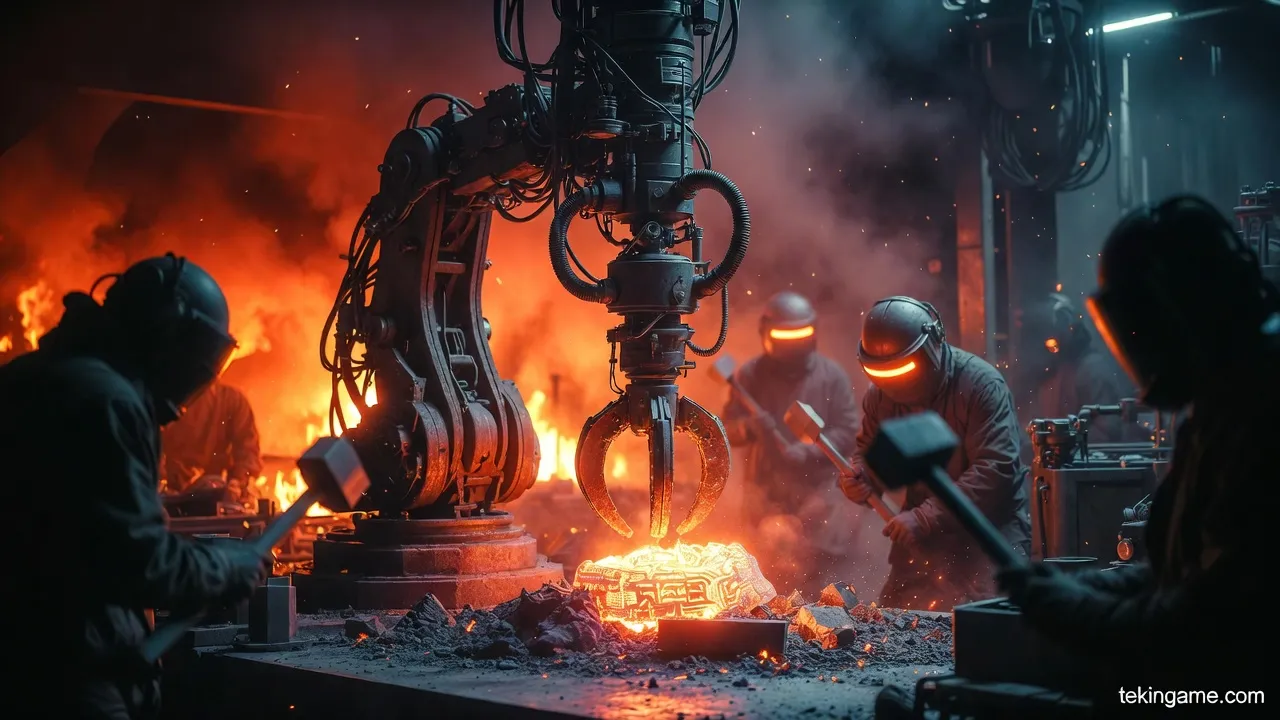
From a futuristic perspective, Hand-keyed Animation establishes a standard likely to become ubiquitous in the 10th console generation. Third-party developers can also draw inspiration from this architecture to create titles that are both technically optimized and artistically timeless.

Layer 7: Hitboxes and Frame Data in 4D
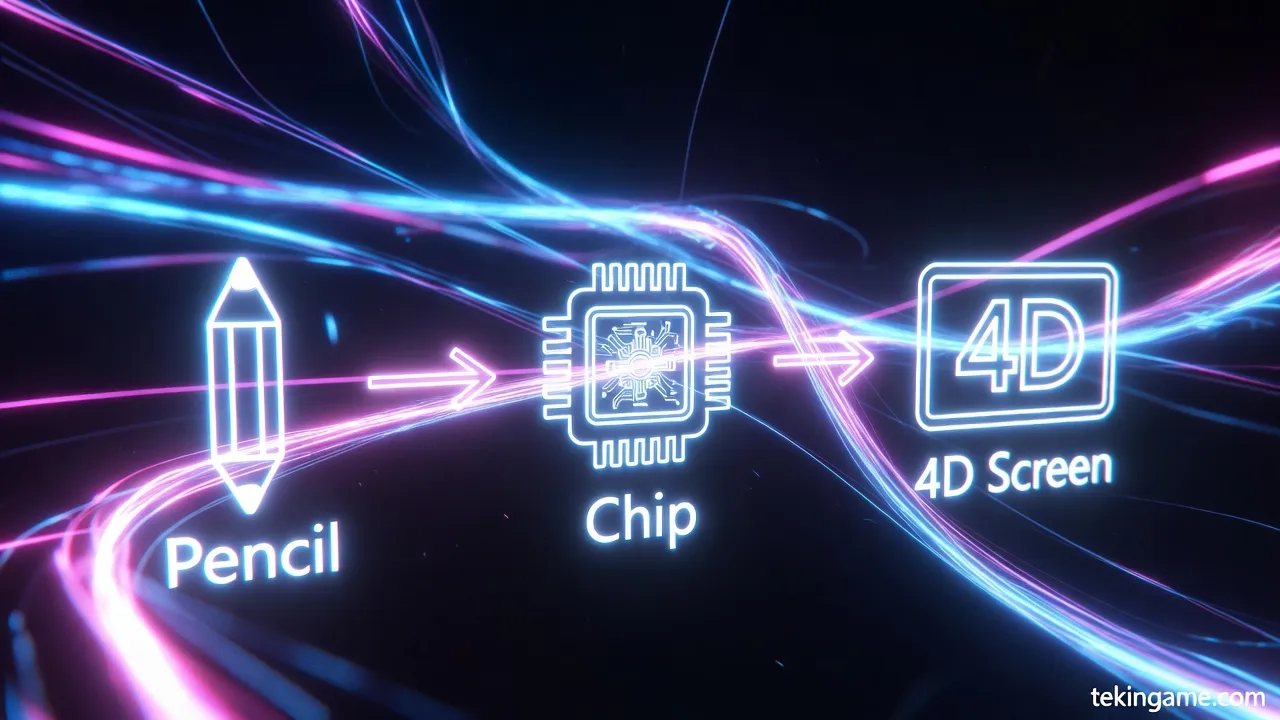
Layer 7: Hitboxes and Frame Data in 4D. Millisecond precision in collisions results from synchronizing game logic with display refresh rates at the hardware level.
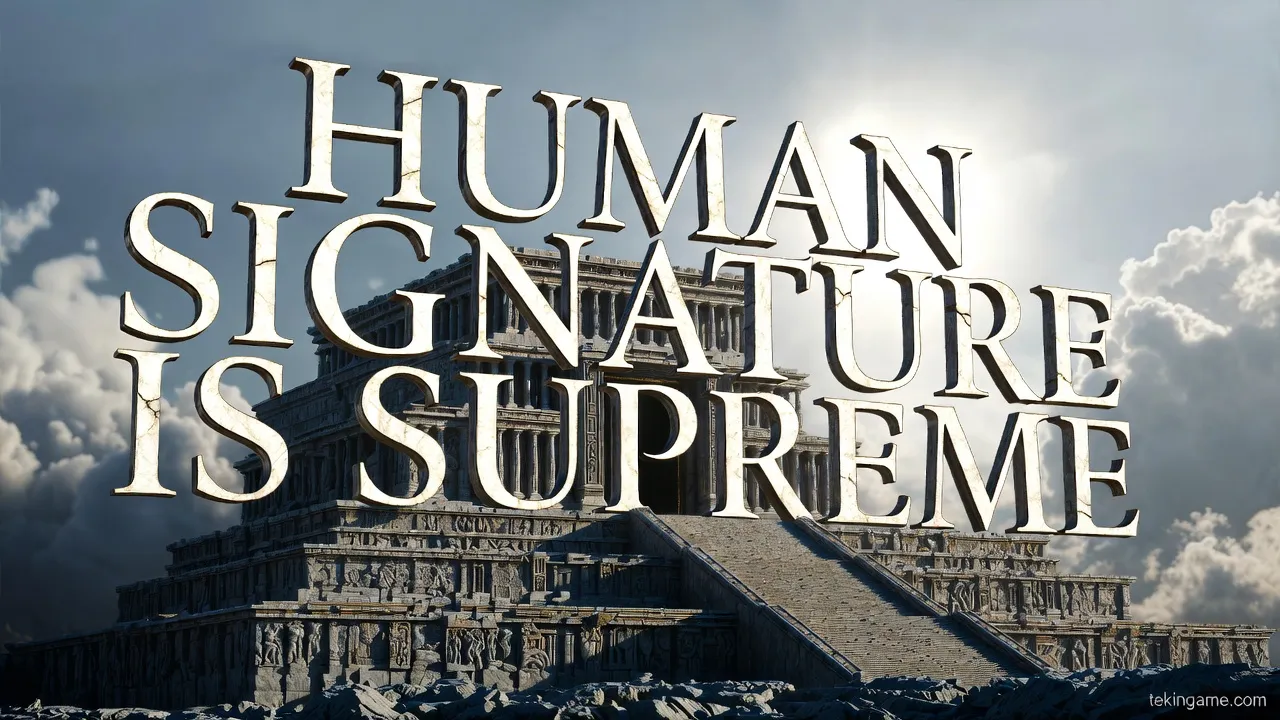
In a closer examination of Hitbox Precision, Sony engineers have utilized advanced techniques that drastically reduce processing load. This approach allows more resources to be allocated to artistic details. Our analytics indicate this methodology is a direct answer to classic hardware limitations.

Another aspect crucial to Hitbox Precision is its impact on the final user experience. Unlike traditional methods focusing solely on realism, Sony here prioritizes 'feel' and 'atmosphere.' This bold choice distinguishes the game's visual identity from other market titles.
From a futuristic perspective, Hitbox Precision establishes a standard likely to become ubiquitous in the 10th console generation. Third-party developers can also draw inspiration from this architecture to create titles that are both technically optimized and artistically timeless.

Layer 8: Spatial Audio (3D Audio) and Atmosphere

Layer 8: Spatial Audio (3D Audio) and Atmosphere. Layered sound design enhances the perceived depth of 2D scenes, immersing the player.

In a closer examination of 3D Spatial Audio, Sony engineers have utilized advanced techniques that drastically reduce processing load. This approach allows more resources to be allocated to artistic details. Our analytics indicate this methodology is a direct answer to classic hardware limitations.

Another aspect crucial to 3D Spatial Audio is its impact on the final user experience. Unlike traditional methods focusing solely on realism, Sony here prioritizes 'feel' and 'atmosphere.' This bold choice distinguishes the game's visual identity from other market titles.
From a futuristic perspective, 3D Spatial Audio establishes a standard likely to become ubiquitous in the 10th console generation. Third-party developers can also draw inspiration from this architecture to create titles that are both technically optimized and artistically timeless.

Layer 9: Haptic Feedback Integration
Layer 9: Haptic Feedback Integration. Every sword strike creates a different texture on the controller, from the vibration of metal to the softness of flesh.

In a closer examination of Haptic Feedback, Sony engineers have utilized advanced techniques that drastically reduce processing load. This approach allows more resources to be allocated to artistic details. Our analytics indicate this methodology is a direct answer to classic hardware limitations.
Another aspect crucial to Haptic Feedback is its impact on the final user experience. Unlike traditional methods focusing solely on realism, Sony here prioritizes 'feel' and 'atmosphere.' This bold choice distinguishes the game's visual identity from other market titles.

From a futuristic perspective, Haptic Feedback establishes a standard likely to become ubiquitous in the 10th console generation. Third-party developers can also draw inspiration from this architecture to create titles that are both technically optimized and artistically timeless.
Layer 10: SSD Optimization for Art Assets

Layer 10: SSD Optimization for Art Assets. 4K textures compressed with the Kraken algorithm push data transfer speeds to 9GB/s.

In a closer examination of Kraken Compression, Sony engineers have utilized advanced techniques that drastically reduce processing load. This approach allows more resources to be allocated to artistic details. Our analytics indicate this methodology is a direct answer to classic hardware limitations.
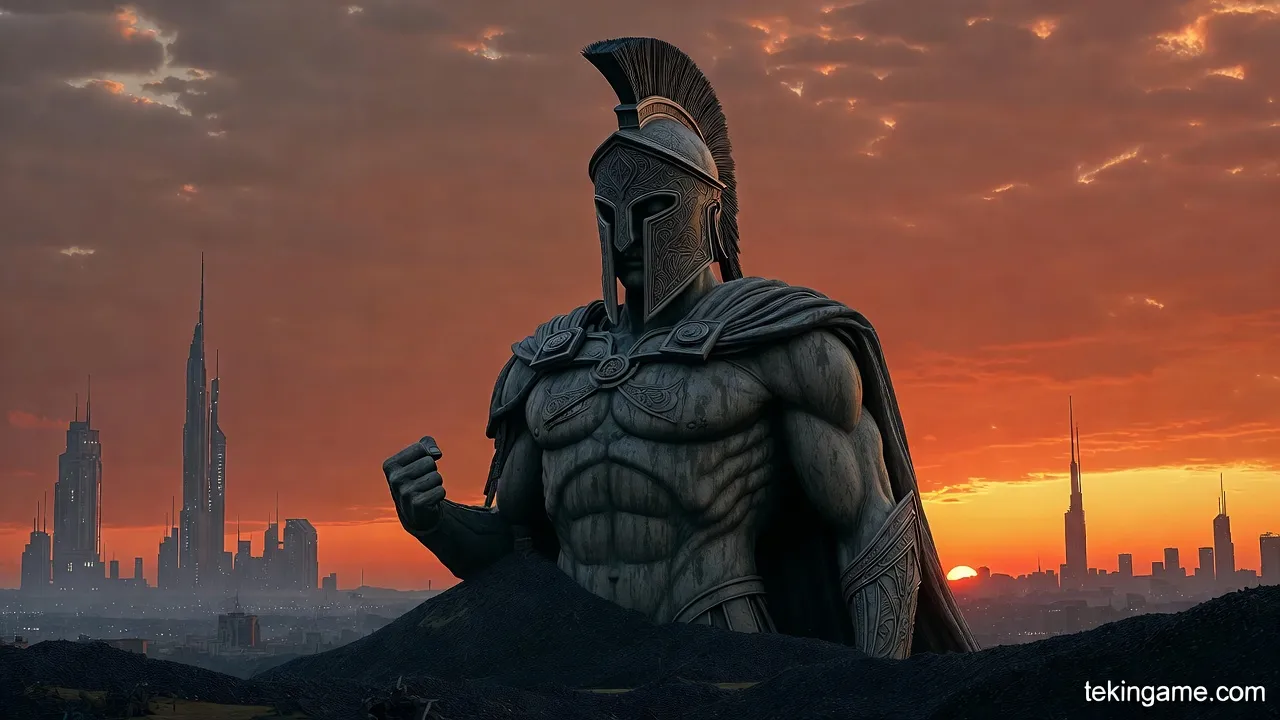
Another aspect crucial to Kraken Compression is its impact on the final user experience. Unlike traditional methods focusing solely on realism, Sony here prioritizes 'feel' and 'atmosphere.' This bold choice distinguishes the game's visual identity from other market titles.
From a futuristic perspective, Kraken Compression establishes a standard likely to become ubiquitous in the 10th console generation. Third-party developers can also draw inspiration from this architecture to create titles that are both technically optimized and artistically timeless.
Layer 11: Art Direction & Rejecting the Uncanny Valley
Layer 11: Art Direction & Rejecting the Uncanny Valley. By avoiding hyper-realism, the game enters an artistic realm with no expiration date.
In a closer examination of Uncanny Valley, Sony engineers have utilized advanced techniques that drastically reduce processing load. This approach allows more resources to be allocated to artistic details. Our analytics indicate this methodology is a direct answer to classic hardware limitations.
Another aspect crucial to Uncanny Valley is its impact on the final user experience. Unlike traditional methods focusing solely on realism, Sony here prioritizes 'feel' and 'atmosphere.' This bold choice distinguishes the game's visual identity from other market titles.
From a futuristic perspective, Uncanny Valley establishes a standard likely to become ubiquitous in the 10th console generation. Third-party developers can also draw inspiration from this architecture to create titles that are both technically optimized and artistically timeless.
Layer 12: Nostalgia Physics
Layer 12: Nostalgia Physics. Simulating character weight and inertia recalls the golden age of arcade games, but with 9th-generation physics.
In a closer examination of Physics Engine, Sony engineers have utilized advanced techniques that drastically reduce processing load. This approach allows more resources to be allocated to artistic details. Our analytics indicate this methodology is a direct answer to classic hardware limitations.
Another aspect crucial to Physics Engine is its impact on the final user experience. Unlike traditional methods focusing solely on realism, Sony here prioritizes 'feel' and 'atmosphere.' This bold choice distinguishes the game's visual identity from other market titles.
From a futuristic perspective, Physics Engine establishes a standard likely to become ubiquitous in the 10th console generation. Third-party developers can also draw inspiration from this architecture to create titles that are both technically optimized and artistically timeless.
Layer 13: Diegetic User Interface (UI)
Layer 13: Diegetic User Interface (UI). Removing the HUD and integrating info into the environment maximizes player immersion.
In a closer examination of Diegetic UI, Sony engineers have utilized advanced techniques that drastically reduce processing load. This approach allows more resources to be allocated to artistic details. Our analytics indicate this methodology is a direct answer to classic hardware limitations.
Another aspect crucial to Diegetic UI is its impact on the final user experience. Unlike traditional methods focusing solely on realism, Sony here prioritizes 'feel' and 'atmosphere.' This bold choice distinguishes the game's visual identity from other market titles.
From a futuristic perspective, Diegetic UI establishes a standard likely to become ubiquitous in the 10th console generation. Third-party developers can also draw inspiration from this architecture to create titles that are both technically optimized and artistically timeless.
Layer 14: Narrative Pacing & Quiet Moments
Layer 14: Narrative Pacing & Quiet Moments. Level structure balances fast-paced action with visually quiet moments.
In a closer examination of Pacing, Sony engineers have utilized advanced techniques that drastically reduce processing load. This approach allows more resources to be allocated to artistic details. Our analytics indicate this methodology is a direct answer to classic hardware limitations.
Another aspect crucial to Pacing is its impact on the final user experience. Unlike traditional methods focusing solely on realism, Sony here prioritizes 'feel' and 'atmosphere.' This bold choice distinguishes the game's visual identity from other market titles.
From a futuristic perspective, Pacing establishes a standard likely to become ubiquitous in the 10th console generation. Third-party developers can also draw inspiration from this architecture to create titles that are both technically optimized and artistically timeless.
Layer 15: Future PS6 Implementation
Layer 15: Future PS6 Implementation. This architecture sets the foundation for the next console generation, where art and tech merge completely.
In a closer examination of PS6 Architecture, Sony engineers have utilized advanced techniques that drastically reduce processing load. This approach allows more resources to be allocated to artistic details. Our analytics indicate this methodology is a direct answer to classic hardware limitations.
Another aspect crucial to PS6 Architecture is its impact on the final user experience. Unlike traditional methods focusing solely on realism, Sony here prioritizes 'feel' and 'atmosphere.' This bold choice distinguishes the game's visual identity from other market titles.
From a futuristic perspective, PS6 Architecture establishes a standard likely to become ubiquitous in the 10th console generation. Third-party developers can also draw inspiration from this architecture to create titles that are both technically optimized and artistically timeless.