
1. Design: The Death of Physical Buttons
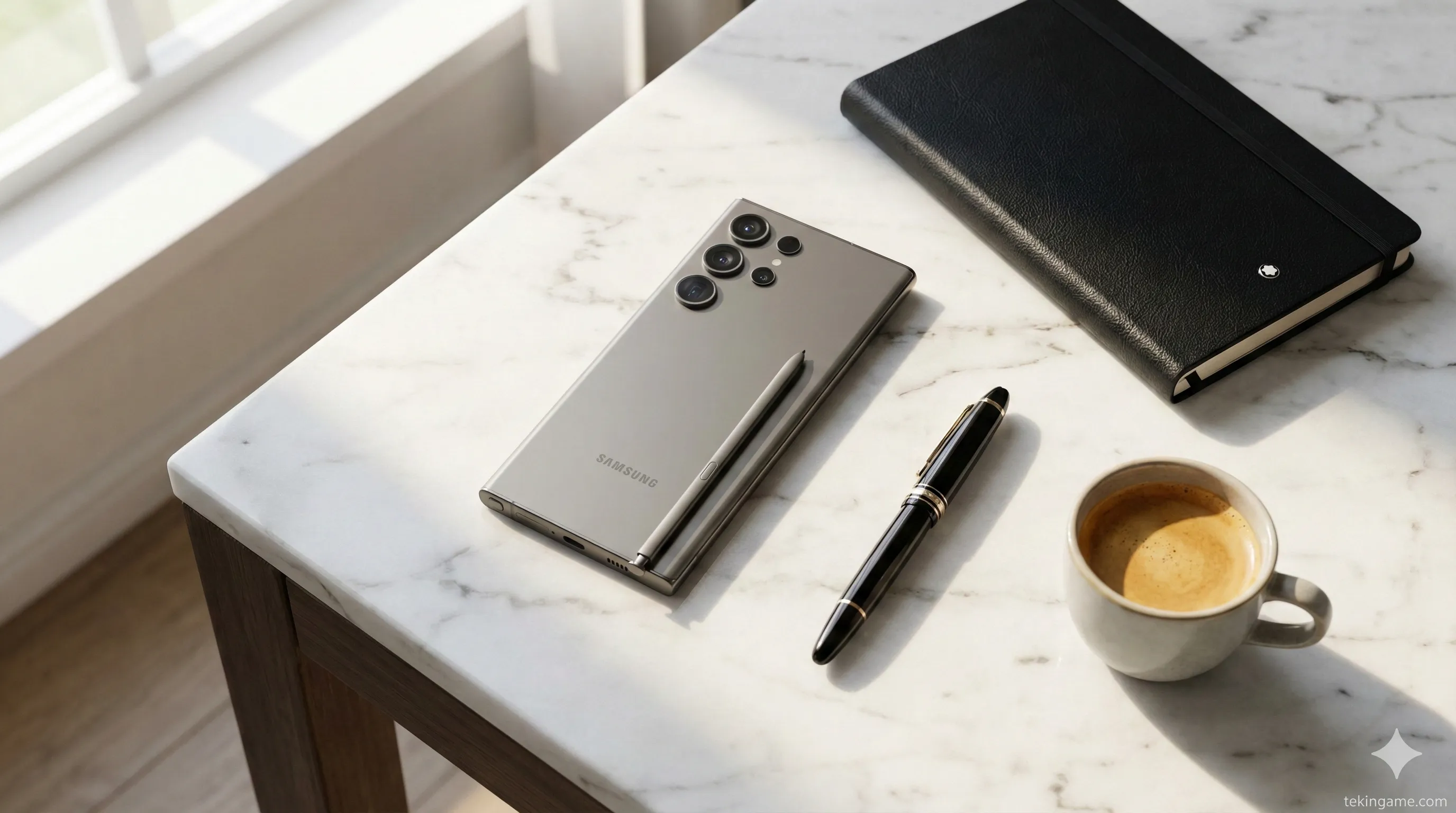
The most controversial aspect of the S26 Ultra is the frame. It is perfectly smooth. Samsung has replaced mechanical switches with NDT (Neural Pressure Touch) technology.
How NDT Works:
Embedded beneath the Grade 5 Titanium frame are microscopic strain gauges. When you apply force to the designated area, the phone registers the input and the upgraded Linear Haptic Engine v4 delivers a localized vibration so crisp, your brain is tricked into thinking a button physically moved.
- The Pro: Structural integrity. Without holes cut into the frame for buttons, the S26 Ultra achieves a rumored IP69 rating, making it resistant to high-pressure, high-temperature water jets.
- The Con: Muscle memory. Finding the volume keys in a dark pocket will require a learning curve, though Samsung claims AI texture recognition will assist with accidental touches.
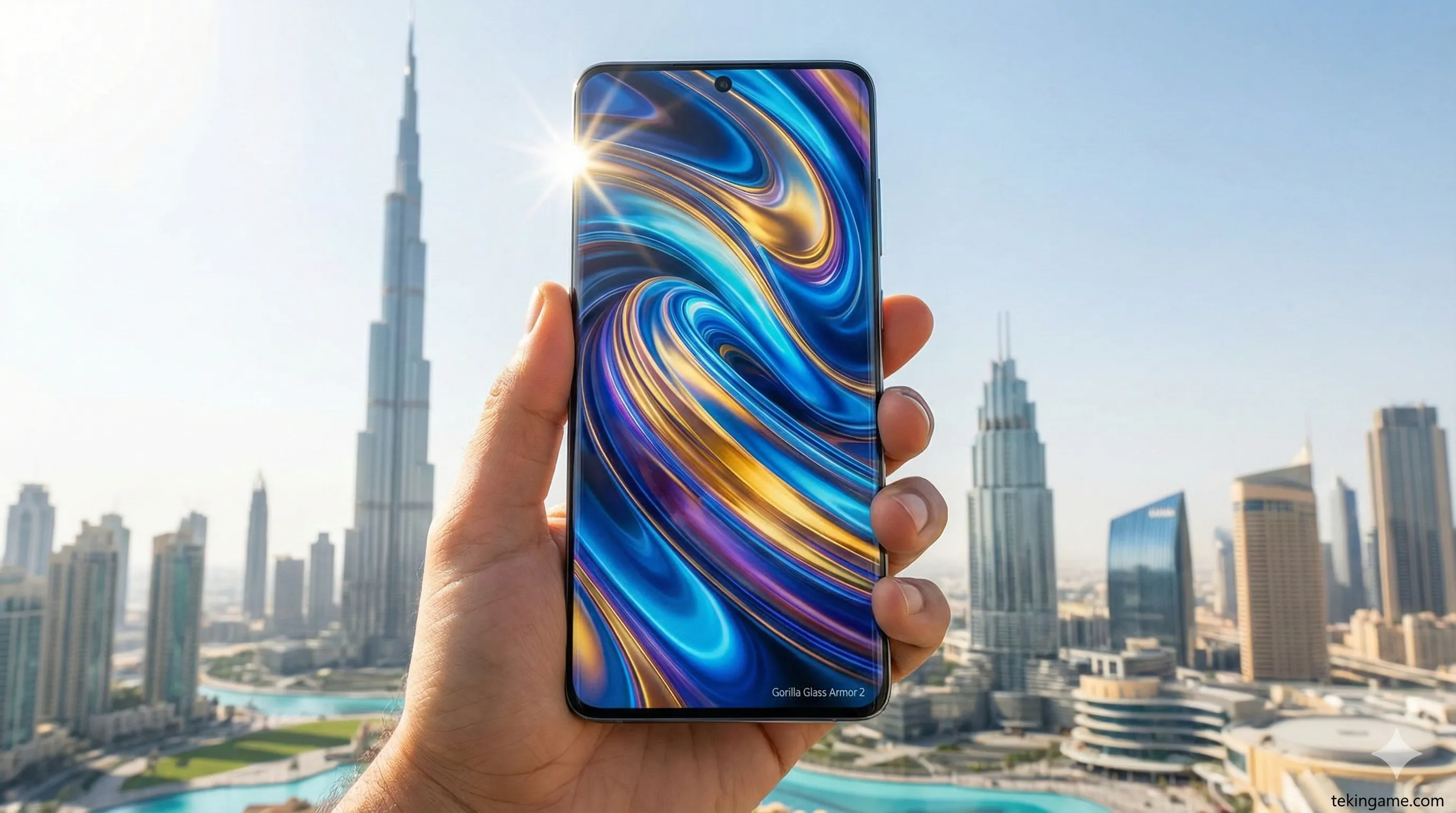
2. Display: 4500 Nits & Privacy Shield
Samsung Display has outdone itself again. The S26 Ultra utilizes the new M15 OLED material set, but the real game-changer is hidden in the hardware.
New Feature: Hardware Privacy Shield
According to reports from Korean media (Maeil Business), the S26 Ultra features a switchable Privacy Layer. With a toggle in the Quick Settings, you can electronically narrow the viewing angles.
When active, you see the screen clearly, but the person sitting next to you on the metro or in a meeting sees a black screen. This effectively kills the market for cheap "Privacy Screen Protectors" and integrates security directly into the panel.
Key Specs:
- Peak Brightness: A staggering 4,500 nits. HDR content on this screen will look lifelike, even under direct desert sunlight.
- BRS Technology: Using "Border Reduction Structure," Samsung has tucked the copper wiring underneath the panel, resulting in bezels that are virtually non-existent (under 0.8mm).
- Gorilla Glass Armor 2: The anti-reflective coating introduced last year has been improved. It now blocks 90% of reflections while offering diamond-like scratch resistance.
3. Camera: The 320MP Revolution
Megapixels don't matter... until they do. Samsung is retiring the 200MP sensor for the new ISOCELL HPX 320MP sensor.
Why 320MP? It's About Zoom.
This isn't just about printing billboard-sized photos. A 320MP sensor allows for incredible "In-Sensor Zoom." The phone can crop into the center of the image to provide 2x, 4x, and even 6x zoom levels that are lossless, effectively acting as optical zoom lenses without the moving parts.
The Quad-Camera Setup:
- Main: 320MP (1-inch sensor, Variable Aperture f/1.7-f/4.0).
- Ultra-Wide: 50MP (New autofocus for Macro).
- Telephoto 1: 50MP (3x Optical).
- Telephoto 2: 50MP Periscope (10x Optical continuous zoom).
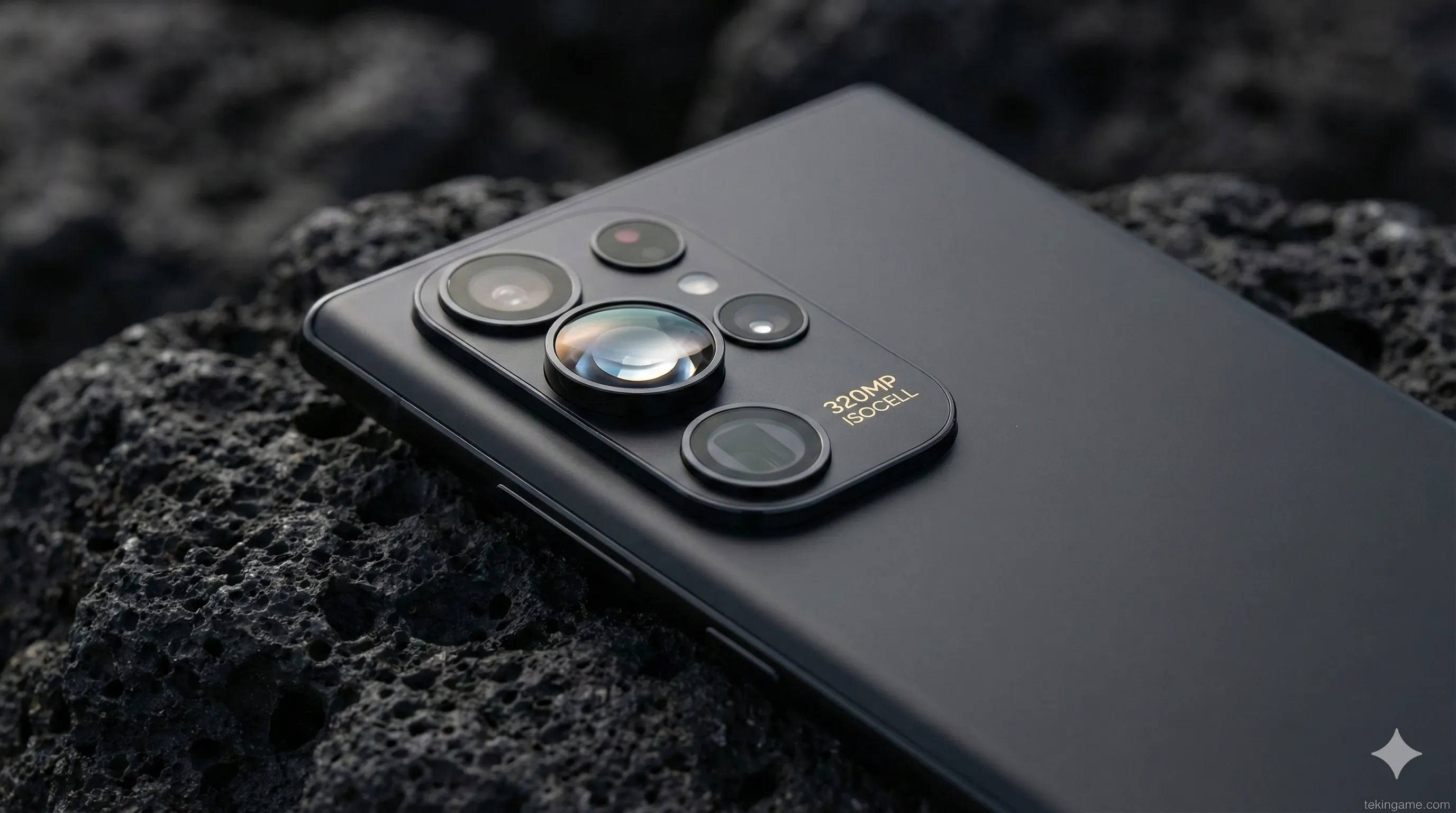
The "Liquid Lens" Rumor: Leaks suggest the 3x Telephoto uses liquid lens technology, allowing it to change focus shape instantly, mimicking the human eye for lightning-fast portrait shots.
4. Performance: The Dragon Wakes
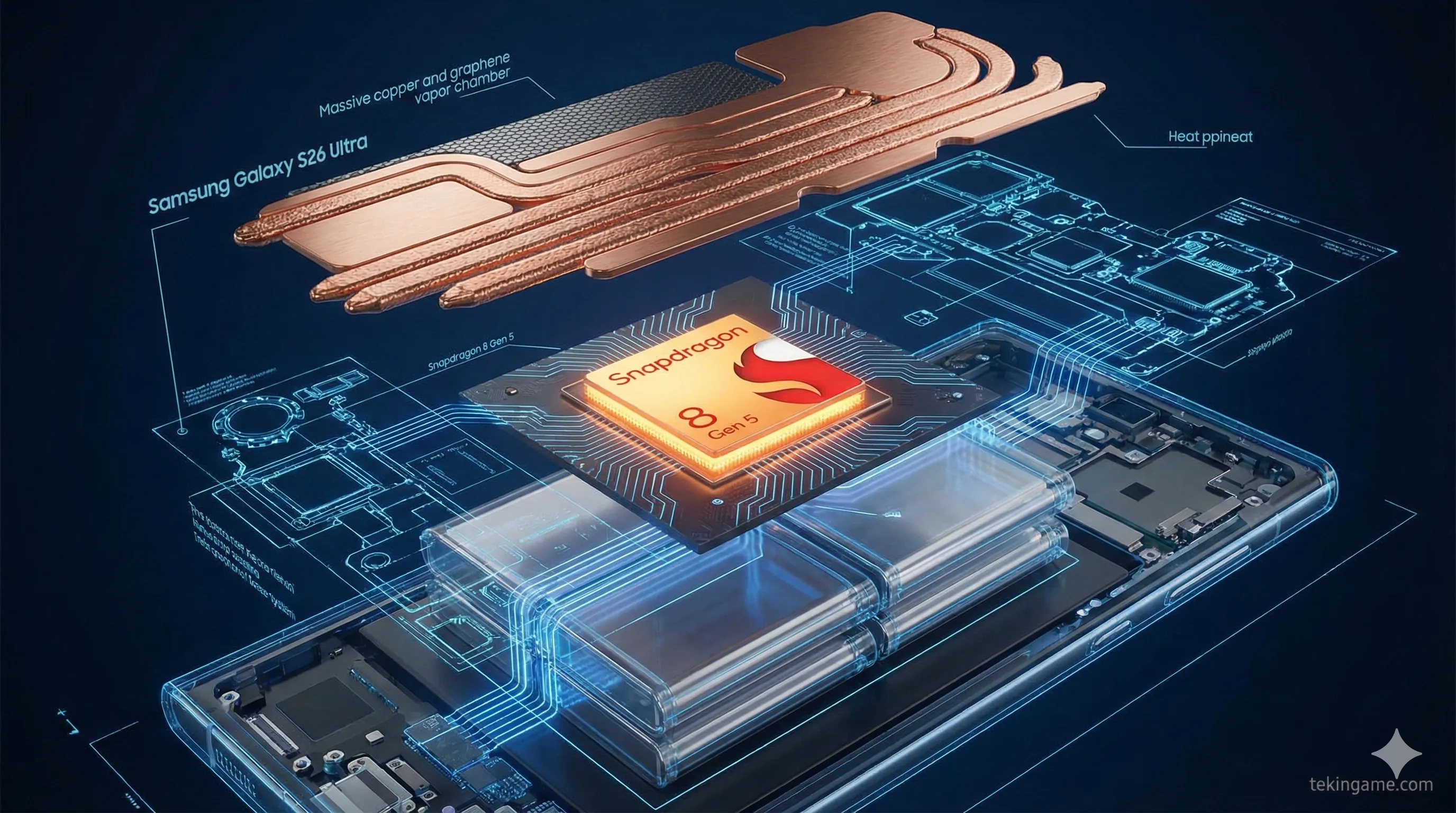
Under the hood lies the Snapdragon 8 Gen 5 for Galaxy (potentially branded as Elite Gen 5). Qualcomm has moved to a 2nm manufacturing process, and the results are terrifying for competitors.
Gaming & Ray Tracing
The Adreno 800 GPU offers a 40% jump in performance. We are talking about console-quality Ray Tracing on mobile. Titles like Call of Duty: Warzone will run at a locked 120FPS at 1440p resolution.
Thermal Management: To handle this heat in a buttonless, sealed chassis, Samsung has implemented a Graphene-Assisted Vapor Chamber that spans nearly the entire back of the device.
5. Software: One UI 8.1 & Galaxy AI
The hardware is the body; One UI 8.1 is the soul. Running on Android 16, the software focus this year is "Anticipatory AI."
- Context Aware: The phone learns your routine. If you usually order coffee at 8:00 AM, the app is pre-loaded in RAM and suggested on the lock screen at 7:59 AM.
- Real-Time Video Erase: Using the NPU (Neural Processing Unit), you can now remove people from videos while recording, not just photos.
6. Battery: Stacked Technology
Borrowing tech from the EV (Electric Vehicle) industry, the S26 Ultra uses Stacked Battery cells. This allows for tighter packaging of energy.
- Capacity: 5,800 mAh (up from 5,000 mAh).
- Charging: Finally, 100W Wired Charging. Samsung has abandoned its conservative 45W limit. You can now go from 0% to 100% in roughly 24 minutes.
7. Price & Verdict
Innovation is expensive. With the titanium frame, new camera sensors, and SD8 Gen 5 chip, the base price is expected to rise to $1,399 for the 256GB model.
TekinGame Verdict:
The Galaxy S26 Ultra is shaping up to be a polarizing masterpiece. The removal of buttons will annoy purists, but the promise of a waterproof titanium slab with a 320MP camera and a built-in Privacy Shield is too alluring to ignore.
If you demanded innovation in a stagnant market, this is it. Samsung is no longer playing it safe; they are playing to win.
What do you think? Is a buttonless phone the future, or a design failure? Let us know in the comments below.