1. Introduction: When History Becomes Our Playground
Hello, loyal friends of Tekin Plus. It’s Majid here, and today I want to take you on a long journey. Not a journey to the future and the weird technologies we usually discuss, but a journey to the past. To a time when the word "Parkour" didn't mean much in gaming, and we didn't know how satisfying it could be to jump from a cathedral spire into a cart full of hay!
Today, we are going to dissect a franchise that defined the childhood, teenage years, and adulthood of many of us: Assassin’s Creed. The game that taught us history isn't just those boring lessons at school; history can be the battleground between two secret societies: The Assassins (who seek freedom) and The Templars (who seek control).
1.1. An Honest Confession: Our Love/Hate Relationship
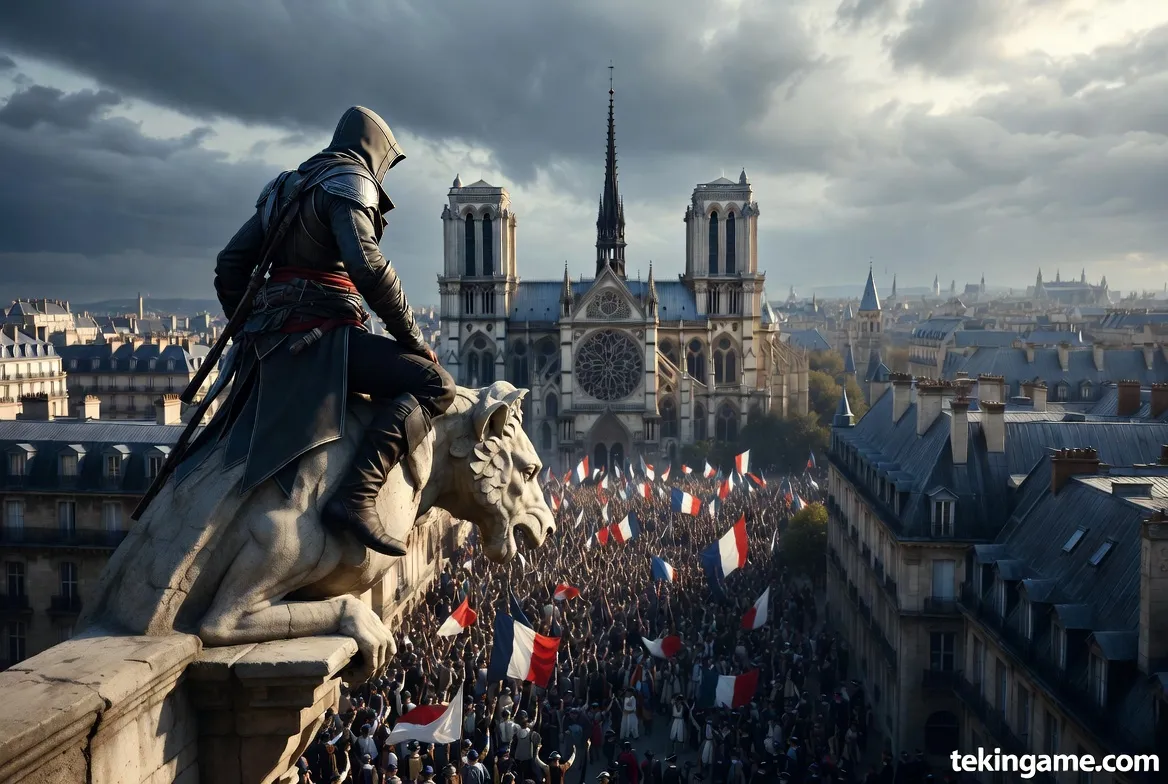
Let’s be real for a second. We have a "Love/Hate" relationship with this franchise. One day, we screamed with joy playing Brotherhood, declaring Ubisoft the best company on earth. The next day, facing the bugs of Unity or the endless grinding of Odyssey, we wanted to throw our controllers at the wall.
But deep down? Deep down, when we hear that eagle screech and see the triangular Assassin logo, our hearts still skip a beat. This article is the story of that 18-year rollercoaster.
2. Chapter 1: The Birth of an Eagle (2004-2007)
2.1. Project "Prince of Persia: Assassins"
You might not believe it, but Assassin’s Creed wasn't supposed to exist! It all goes back to 2004. Ubisoft was drunk on the success of Prince of Persia: The Sands of Time and told a team led by Patrice Désilets: "Make us a sequel."
Patrice had a weird idea. He said: "What if in the next game, we don't play as the Prince? What if we play as his bodyguard? An assassin whose job is to save the Prince?" They called the project Prince of Persia: Assassins.
But Ubisoft executives said: "Son, a Prince of Persia game where you aren't the Prince isn't Prince of Persia!" And just like that, the project split off and became a brand new IP.
2.2. Assassin's Creed 1: Revolutionary Idea, Boring Execution
2007 arrived. The game launched. We played as Altaïr Ibn-La'Ahad (I just love that name!).
The graphics were jaw-dropping. Crowds reacted to you. You could climb any wall. But... the gameplay?
Let's not sugarcoat it. AC1 was stiff and repetitive. "Eavesdrop, pickpocket, kill, flee." Repeat this loop 9 times. But the story... oh, the story! The philosophy of the "Hashishin" and that weird sci-fi ending with the "Apple of Eden" made us all realize we weren't dealing with an ordinary game.
3. Chapter 2: The Golden Ezio Trilogy (2009-2011)
This is where the magic happened. This is where a boy named Ezio Auditore da Firenze walked into our hearts and never left.
3.1. Assassin's Creed II: The Definition of a Perfect Sequel
In 2009, Ubisoft showed the world how to make a sequel. AC2 wasn't just a game; it was a masterclass. Jesper Kyd's music, the cities of Venice and Florence, and a story that spanned from Ezio's birth to his father's revenge. We grew up with Ezio. We learned how to fight, and we learned how to love.
3.2. Brotherhood: The Peak of the Franchise?
Many (myself included) believe Brotherhood was the series' peak. Why? Because it gave us the feeling of being a "Leader." We were no longer a lone wolf. We were the "Mentor." With a simple whistle, we could summon our students to rain arrows down on enemies. The city of Rome was magnificent, and Ezio's white robes... the most beautiful outfit in gaming history!
3.3. Revelations: A Tearful Goodbye
Revelations was the game that made grown men cry. An older, wiser, greyer Ezio travels to Constantinople (Istanbul) to find the keys of Altaïr.
The final scene, where Ezio finds Altaïr’s skeleton in the library and pays his respects, is one of the most poetic moments in video game history. "No books, no wisdom... just you, fratello mio (my brother)."
4. Chapter 3: The American Revolution and Pirates (2012-2013)
4.1. Assassin's Creed III: Connor and Desmond's End
Following Ezio was an impossible task. Connor Kenway was a bit stiff and stoic, but the combat system was brutal and excellent. The Tomahawk animations and hunting in the snow showed off the power of the AnvilNext engine. But the ending of Desmond Miles in the modern day... let's not talk about it. I'm still angry!
4.2. Black Flag: The Best Pirate Game Ever
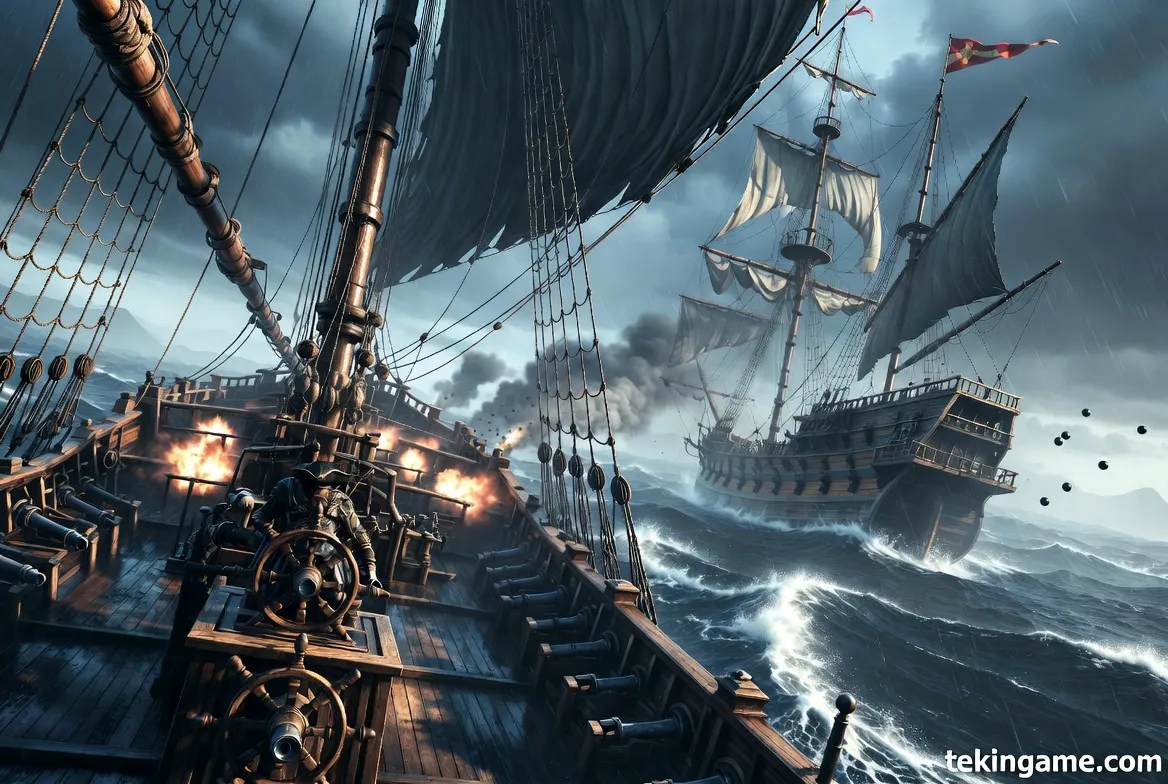
In 2013, Ubisoft took a risk. Black Flag was more of a pirate simulator than an Assassin game.
Edward Kenway didn't care about the Creed; he just wanted gold and a bigger ship! But that’s what made it so charming. Naval combat, the Sea Shanties, and the sense of freedom in the Caribbean... this was a masterpiece that hasn't been replicated since.
5. Chapter 4: The Technical Stumble
5.1. Unity: Beautiful Paris, Ugly Bugs
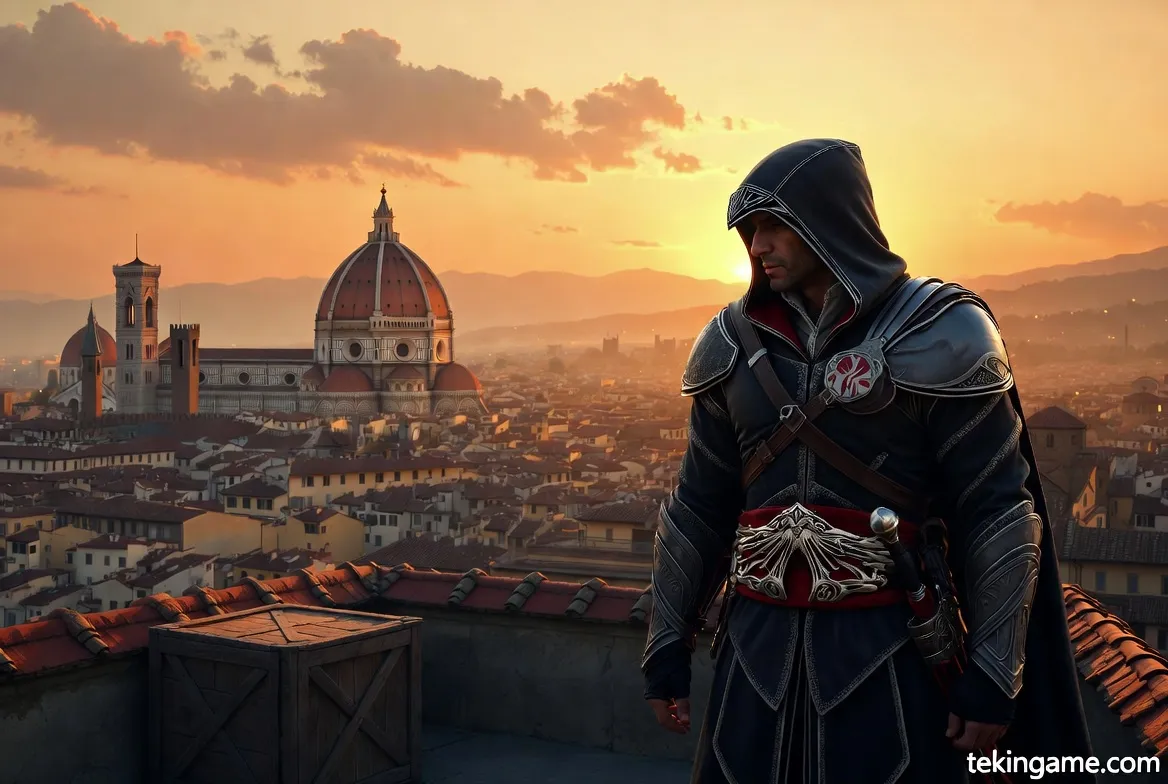
2014. The new console generation (PS4/Xbox One) had arrived. Unity was supposed to be Ubisoft's flex. Paris was built to a 1:1 scale. The lighting graphics are still better than many games released today in 2025.
But... the game was "broken" at launch. Faces disappeared, frame rates dropped to 10 FPS. Unity dealt a heavy blow to the franchise's reputation, even though playing it now (fully patched) is a fantastic experience.
5.2. Syndicate: Goodbye to the Old Formula
Syndicate was a good game (Industrial London, the Frye twins), but gamers were exhausted. Everyone said: "Same old thing again? Climbing towers again?" Low sales forced Ubisoft to pull the emergency brake and say: "We need to rethink everything."
6. Chapter 5: The RPG Era and Ancient Myths
6.1. Origins: Rebirth in Egypt
After a year off (2016), Origins arrived and rebooted everything. No more "Counter Kill." The game became a full Action-RPG. Loot systems, leveling, and a massive map of Ancient Egypt. Bayek was a phenomenal character, and witnessing the formation of the first Brotherhood gave us goosebumps.
6.2. Odyssey & Valhalla: When "Stealth" became a Joke
Ubisoft saw the RPG formula making money, so they floored the gas pedal.
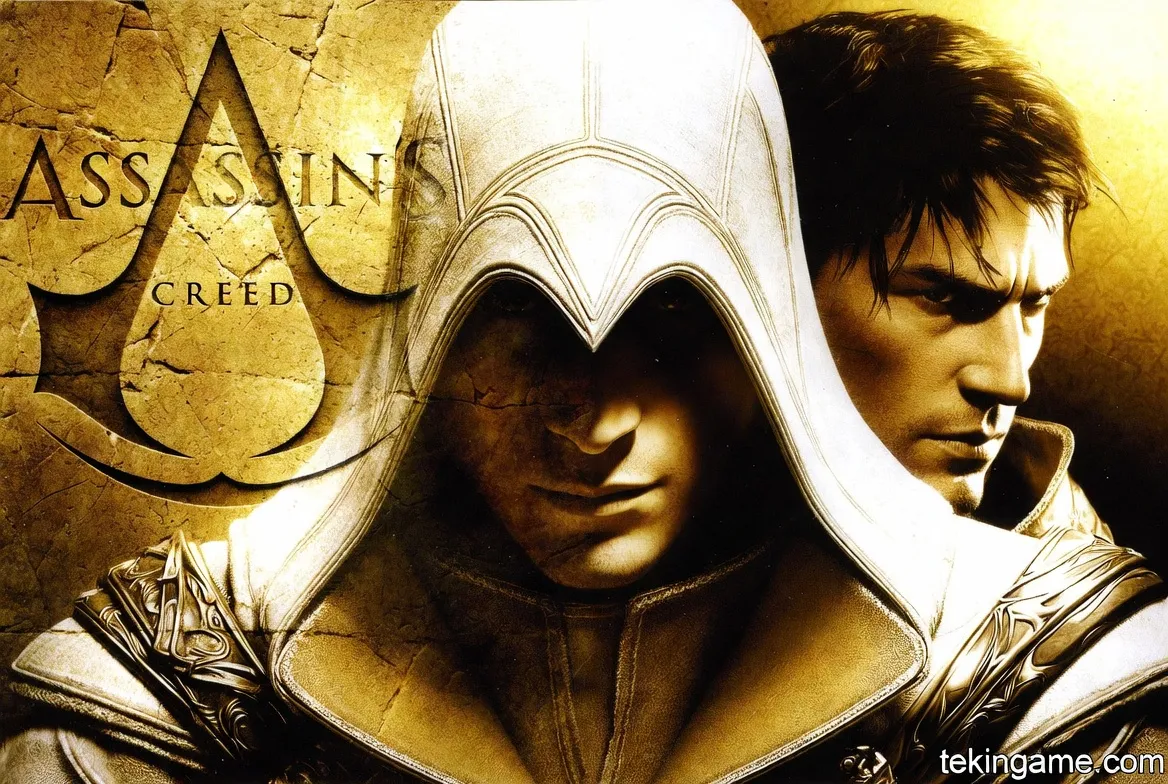
Odyssey took us to Greece and turned us into "Demi-gods." No Hidden Blade! We were doing Spartan Kicks and using magic.
Valhalla went completely off-road. Vikings, who are loud by nature, became Assassins! The games were massive, beautiful, and fun, but old-school fans (like you and me) sat in the corner whispering: "What happened to stealth?"
7. Chapter 6: Return to Roots and The Future
7.1. Mirage: A Love Letter
Finally, Ubisoft heard us. Mirage (2023) was a smaller game that went back to Baghdad. Parkour mattered again, maps became dense again, and we were "Silent Killers" once more. It proved that the old AC1/AC2 formula still works.
7.2. Shadows: The Long-Awaited Dream
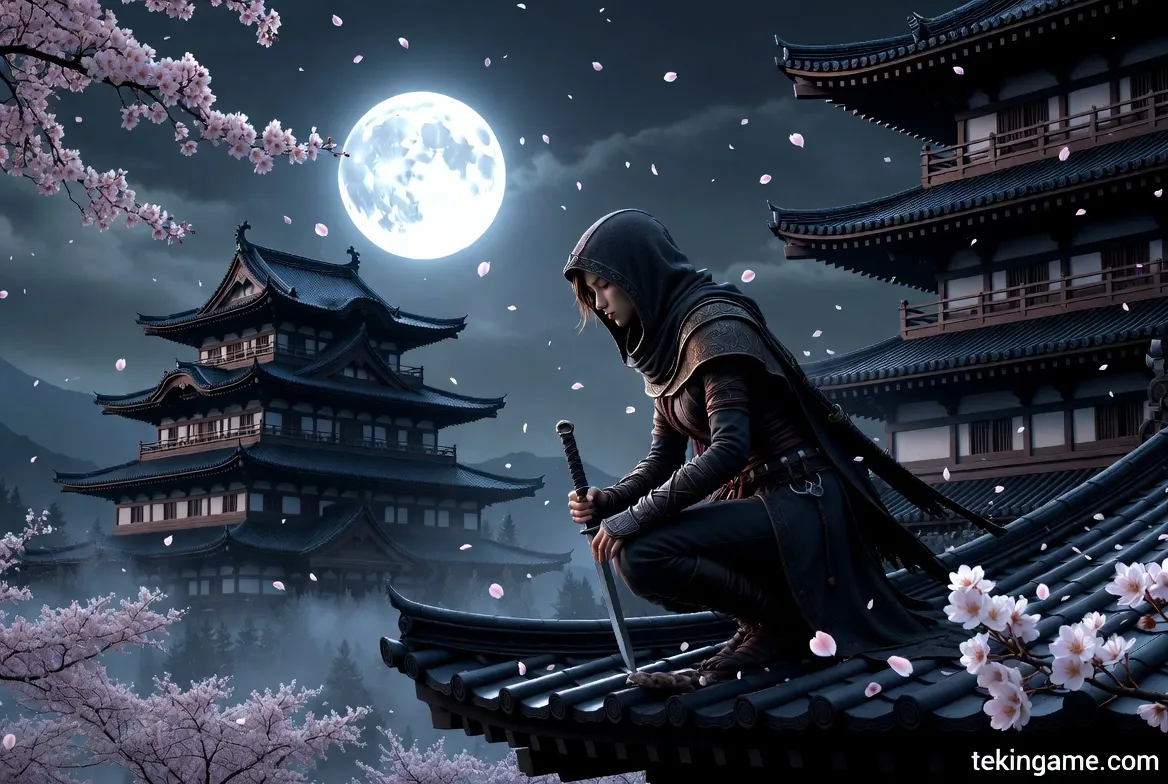
And now, in 2025, we have (or are waiting for) Assassin’s Creed Shadows. The setting we dreamed of for 18 years: Feudal Japan. The mix of Shinobi and Samurai with the Creed. This is the culmination of the journey.
8. Conclusion: An 18-Year Legacy
My friends, the Assassin’s Creed series isn't just a bunch of video games. It's a history class where we become friends with Leonardo da Vinci, argue with Napoleon, and have tea with Queen Victoria.
Sure, Ubisoft made mistakes, and yes, they got greedy at times. But no one can deny that the gaming world would feel empty without Ezio and the Hidden Blade.
I hope you enjoyed this long journey through time. Now it's your turn. What is your favorite memory from this series? Which game did you live with? Write it in the comments, I'm dying to read your stories.
«Nothing is true, everything is permitted»
Yours truly, Majid - Tekin Plus