
1. Technical Guide: Bypassing Google Antigravity
Google's Antigravity launch yesterday was a technical marvel, but a logistical frustration. While US users are already experimenting with its physics-based video generation, users in the UAE, UK, and EU are locked out. This is likely due to pending regulatory approvals regarding AI safety and data privacy (GDPR/AI Act).
Under the Hood: How Google Detects You
Google has upgraded its detection algorithms. A simple VPN is no longer enough. The new "Tri-Layer Geolocation Protocol" checks:
- Layer 1 (IP Reputation): It identifies and blocks known datacenter IPs used by cheap VPNs.
- Layer 2 (Browser API): It queries the
navigator.geolocationAPI in your browser. Even if you don't grant permission, passive Wi-Fi triangulation can leak your rough location. - Layer 3 (Timezone Heuristics): This is the catch. If your IP is "New York" but your system clock is set to "Gulf Standard Time" (GST), the mismatch triggers an immediate block.
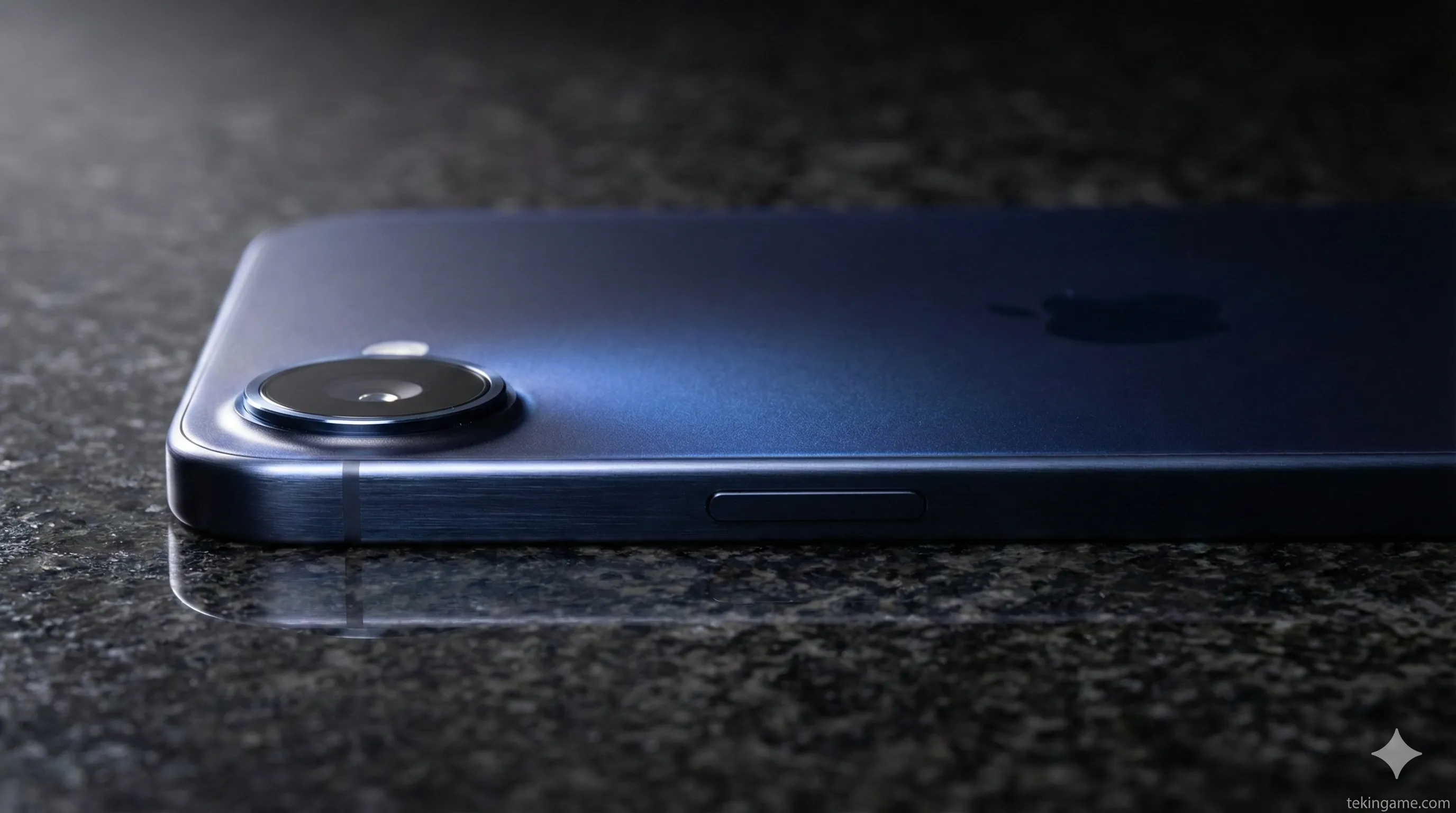
The Verified Workaround (For MENA/EU Users):
To access the platform today, you must align your digital footprint completely:
- System Time Sync: Go to your OS settings. Disable "Automatic Time Zone." Manually set your timezone to (UTC-05:00) Eastern Time (US & Canada).
- Hard Block Location: In Chrome/Edge settings (
chrome://settings/content/location), select "Don't allow sites to see your location." Do not rely on the "Ask" prompt. - Browser Hygiene: Open a fresh Incognito/Private window to ensure no previous region cookies (like
google.aeorgoogle.depreferences) are active. - Residential IP: If possible, use a VPN protocol that offers "Residential" or "Obfuscated" IPs to bypass Layer 1 detection.
2. iPhone 17 Air: Engineering Risk?
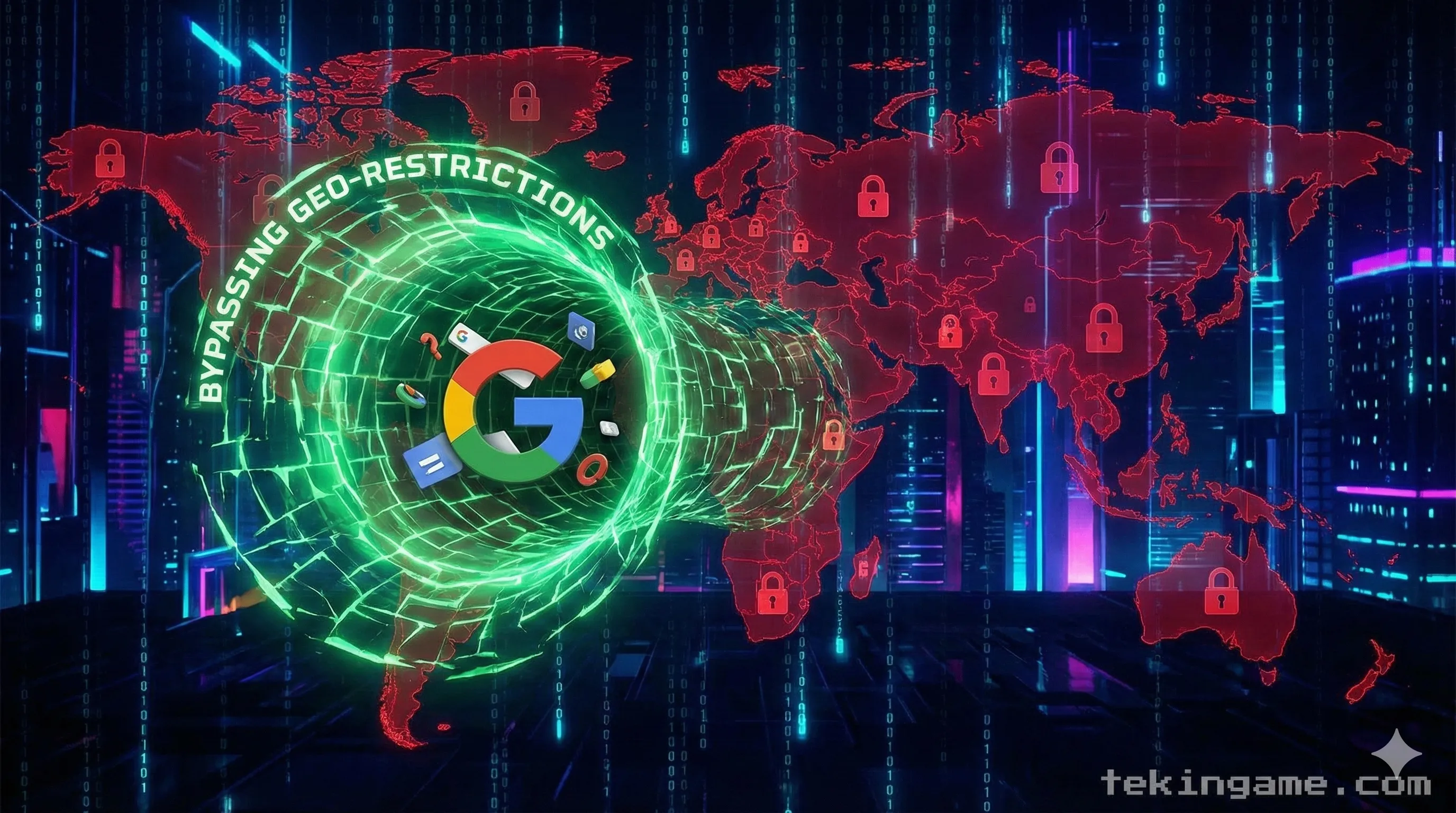
Trusted leaks from Jon Prosser and Mark Gurman have confirmed that the iPhone 17 Air (launching September 2026) will replace the "Plus" model. It aims to be the thinnest Apple device ever at 5.5mm.
Technical Analysis: The Cost of Thinness
Achieving this form factor requires radical engineering compromises that may alienate power users:
- Resin Coated Copper (RCC): Apple is reportedly using RCC mainboards to reduce internal thickness. However, resin is a thermal insulator. This raises serious questions about heat dissipation, especially during gaming or 4K video recording.
- Battery Density: To fit inside a 5.5mm chassis, Apple is using a new stepped-battery design. Physics dictates that volume equals capacity. Early reports suggest a 20-25% reduction in mAh compared to the current iPhone 16 Plus.
- The Single Camera: The Z-height (depth) of modern periscope zoom lenses simply physically cannot fit in a 5.5mm body. The iPhone 17 Air will revert to a single, high-end 48MP wide lens, abandoning the Ultra-Wide and Telephoto versatility pro users expect.
Market Watch: The "Veblen" Strategy
At a rumored price of $1,199, this phone offers less hardware for more money. Economists call this a "Veblen Good"—a luxury item where demand increases because of the high price and exclusivity. Apple is betting that for the Dubai/London elite, "thinness" is a greater status symbol than "battery life."
3. Ubisoft: Why is Sam Fisher Late?
Ubisoft's fiscal call yesterday confirmed that the Splinter Cell Remake has slipped to FY2027. This is more than just a scheduling conflict; it is a technical bottleneck.
Technical Deep Dive: The Snowdrop Engine
The game is being built on the Snowdrop Engine (famous for The Division). The developers are aiming for fully dynamic, Ray-Traced Global Illumination (RTGI) to modernize the franchise's core mechanic: light and shadow.
However, running fully dynamic ray-traced shadows at 60FPS on current base consoles (PS5/Series X) is proving difficult. Sources suggest the team is struggling with optimization and may be re-tooling the game to take advantage of the upcoming "mid-gen refresh" consoles (PS5 Pro and the next Xbox iteration) to deliver the visual fidelity they promised.
4. Intel Surrenders: The Price War Begins

Following the leak of AMD's Ryzen 9 9950X3D benchmarks (showing a 50% lead in gaming cache performance), Intel has officially cut the MSRP of its flagship Core Ultra 9 285K by 15%, dropping it to ~$510.
Market Analysis: Defensive Maneuvers
This is a classic defensive strategy. Intel's "Arrow Lake" architecture excels in power efficiency and productivity but suffers from Memory Latency issues in gaming. They cannot win on raw FPS, so they are winning on "Price-to-Performance" ratio for mixed workloads.
Buying Advice:
- Gamers: Hold your fire. Wait for AMD's X3D launch next month. The 3D V-Cache technology is still the king of gaming performance.
- Creators: Buy now. At $510, the Core Ultra 9 is a powerhouse for video editing and compiling code, offering better multi-thread value than AMD's current lineup.

5. Telegram Business+: The AI Receptionist
Pavel Durov is aggressively monetizing Telegram. The latest update introduces an "AI Receptionist" for Business accounts, a feature that could disrupt the Customer Support software market.
Under the Hood: RAG Technology
This feature utilizes RAG (Retrieval-Augmented Generation). Businesses can upload static documents (PDF menus, Excel price lists, shipping policies). The AI indexes this data and uses it as "Ground Truth."
When a customer asks, "Do you ship to Germany?" the AI retrieves the specific policy from your PDF and generates a natural language answer: "Yes, we ship to Germany via DHL for €15."
Global Impact: For SMEs in Dubai and Europe running boutique shops via Telegram, this automates 90% of customer interactions. It essentially turns every Telegram channel into an automated e-commerce store front, 24/7.
6. SpaceX: The Economics of the Catch
SpaceX's successful "Tower Catch" of the Starship Super Heavy booster is not just a visual spectacle; it is an economic revolution.
The Physics of Profit
By catching the booster with the "Mechazilla" arms, SpaceX removes the need for landing legs on the rocket. This saves roughly 10-12 tons of dry mass. In rocketry, every kilogram saved on the booster allows for exponentially more payload to orbit.
The Future: This success brings the launch cost target of $10/kg closer to reality. For global connectivity, this means SpaceX can launch massive "Starlink Gen 3" satellites faster and cheaper. These satellites are critical for the upcoming "Direct-to-Cell" service, which will eliminate dead zones worldwide by beaming 5G directly from space to standard smartphones.
7. Tekin's Final Verdict
Today's news highlights a divergence in tech philosophy. Google and Intel are fighting to maintain dominance through software locks and price cuts, while companies like SpaceX and AMD are pushing the raw physical limits of engineering.
Question for the Community: Would you buy the iPhone 17 Air for its looks, knowing it has an inferior battery? Or is function always more important than form? Let us know on X (formerly Twitter).