
1. The Bachelor vs. The Haruspex: Shifting from "Body" to "Mind"
In Pathologic 2, we played as Artemy Burakh (The Haruspex). Our primary challenge was "physical survival": scavenging for food, sleeping in abandoned houses, and engaging in visceral combat. We were connected to the earth, the blood, and the traditions of the Steppe. But Pathologic 3 is a fundamentally different beast because the protagonist, Daniil Dankovsky (The Bachelor), is a fundamentally different creature.
Dankovsky does not scavenge through trash cans for scraps of bread. He is an intellectual from the Capital. He wears a long leather coat and pristine gloves. He arrived in this backwater town not to survive, but to command. He views the town not as a home, but as a petri dish.
The game reflects this character shift in every layer. The townsfolk do not see you as "Burakh’s son" or one of their own; to them, you are an "Outsider"—an arrogant prick who thinks he can see souls through a microscope.
The core challenge here is "Information Management." You must distinguish truth from lies. You issue orders rather than carrying them out yourself. You are a general in a war against entropy, not a foot soldier. This feeling of "superiority" the game hands you is exactly the trap Ice-Pick Lodge has set. The higher you hold your head, the harder you will fall when the Sand Pest breaks your logic.
2. Gameplay: The Dance of Time and the "Mind Palace"
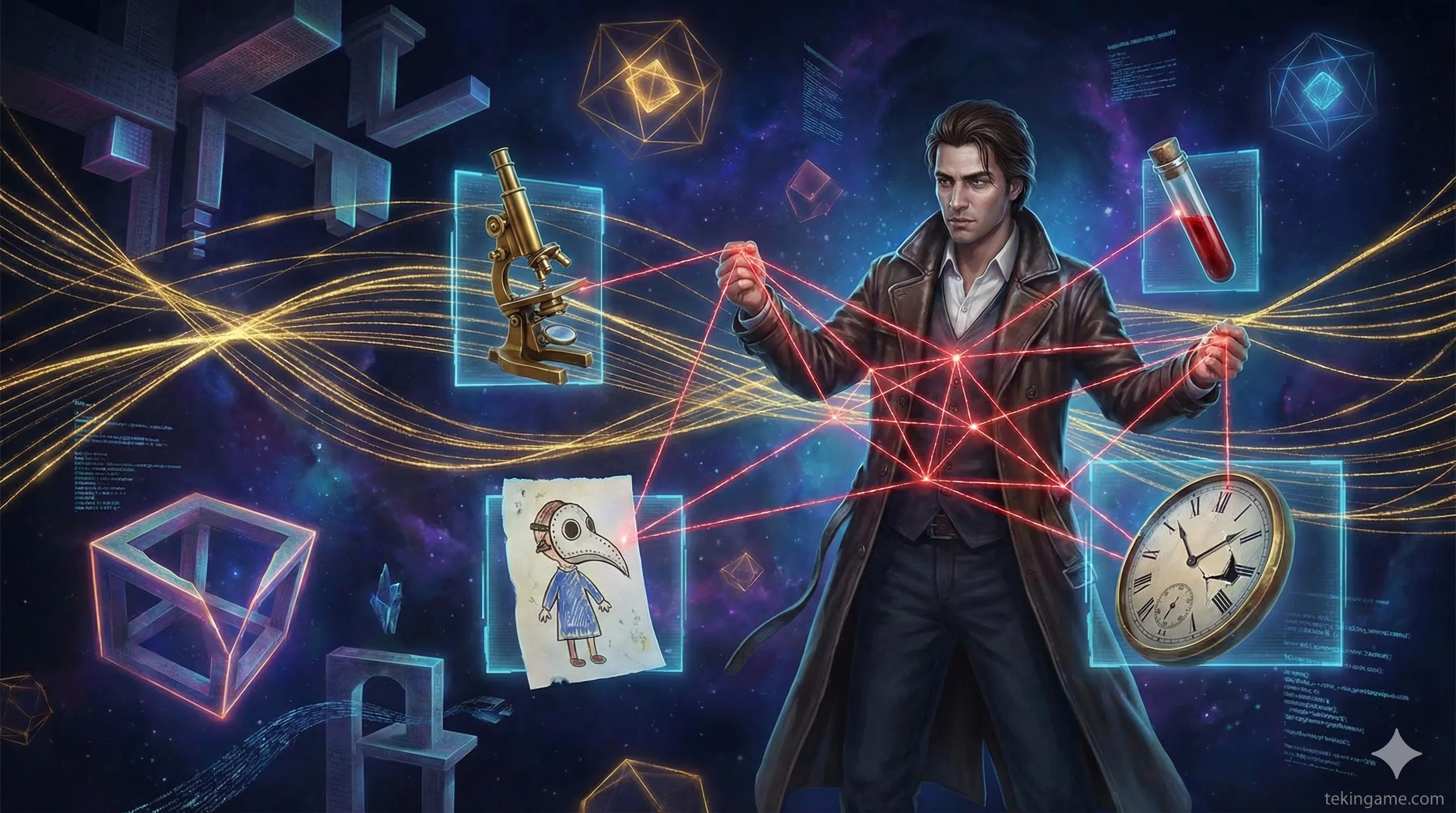
The most revolutionary change in *Pathologic 3* is the "Non-Linear Time Management" system. Dankovsky is obsessed with time; he fears its passage more than death itself. In the previous game, time was a river that flowed mercilessly, and you were always drowning. In this iteration, Dankovsky can (to a limited extent) pause, review, and dissect time within his own mind.
The Mind Map System:
Gone is the tetris-like inventory full of rusty knives and pills. Your primary inventory is your "Thoughts." The gameplay loop involves collecting Facts from dialogue and observation, then connecting them in Dankovsky’s Mind Palace to reach a "Conclusion."
For example: "The water is tainted" + "Children are playing near the Gorkhon river" = "I must issue a quarantine order for the Warehouse district."
But here is the horror: if your logic is flawed, your conclusion will be wrong. You might quarantine the wrong district, causing hundreds to die while the plague spreads elsewhere. The game gives you administrative power—you can order guards to burn down a house—but that power is heavy. This intellectual burden is far more stressful than the physical hunger of the previous game.
3. The Sand Pest: When the Virus is Not a Bug, but a "Will"
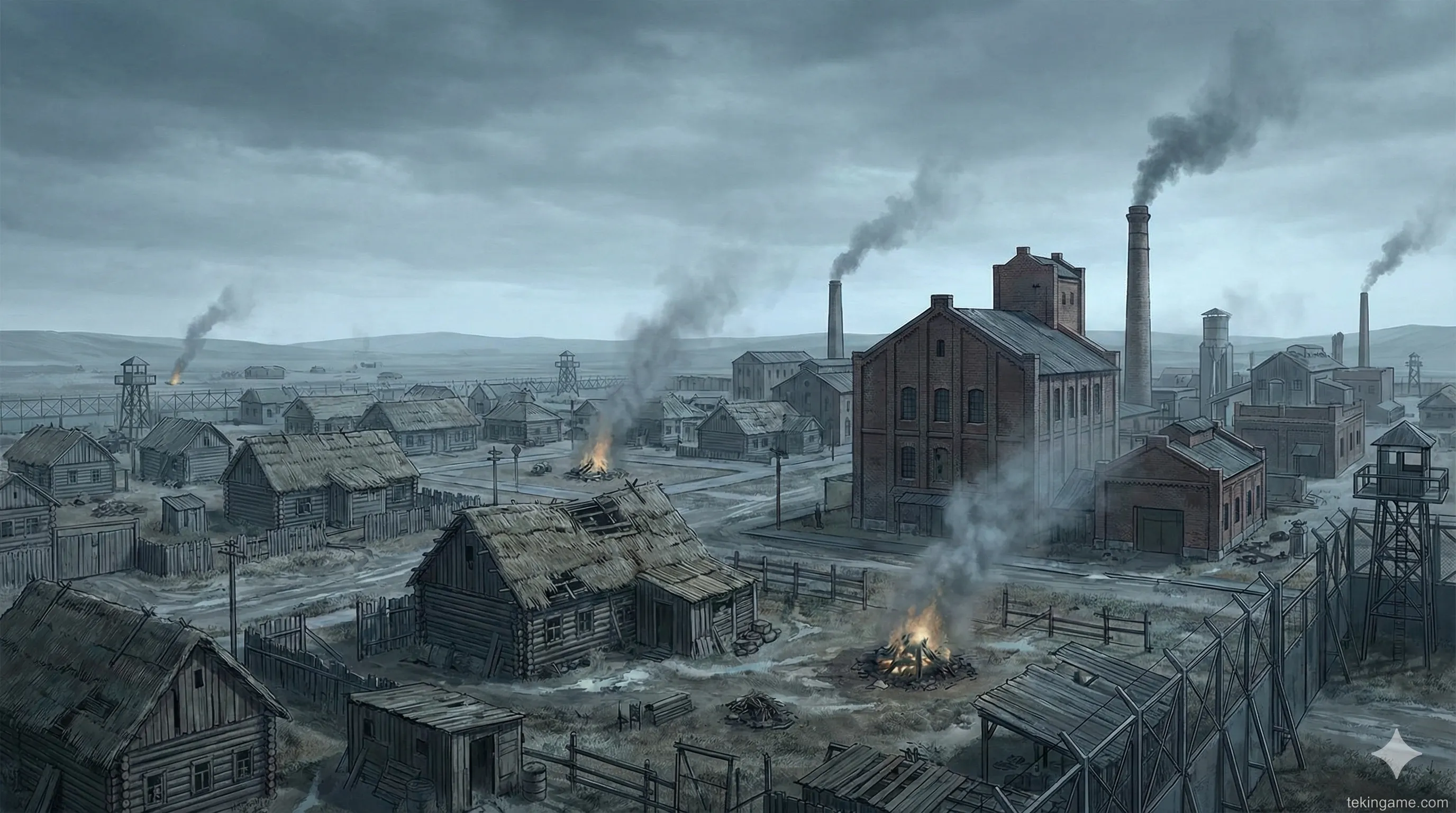
In standard video games, a disease is a status effect, a debuff that lowers your HP bar. In Pathologic 3, the disease—the Sand Pest—is an active antagonist. It is a sentient entity.
As a modern doctor, you try to fight it with logic: quarantine zones, antibiotics, vaccines, hygiene. But the Sand Pest "cheats." It moves where it shouldn't. It bypasses barricades. It seems to listen to your plans and counter them.
The game constantly challenges Dankovsky’s scientific worldview. You look at infected tissue through your lens, and instead of bacteria, you see structures that resemble the syntax of an ancient language.
Dankovsky’s battle is a war between "Reason" and "Miracle." He refuses to accept that the town is magical. He wants to fit everything into a mathematical formula, and the game forces you to watch as those formulas crumble, one by one, against the sheer, chaotic horror of the Steppe. The plague is not just killing bodies; it is dismantling your understanding of reality.
4. The Theater of Death: Meta-Narrative and Breaking the Fourth Wall
Ice-Pick Lodge has always been in love with the theater. In *Pathologic 3*, this love affair reaches its climax. The game constantly reminds you that you (the player) and Dankovsky (the character) are actors performing a tragedy for "Higher Powers."
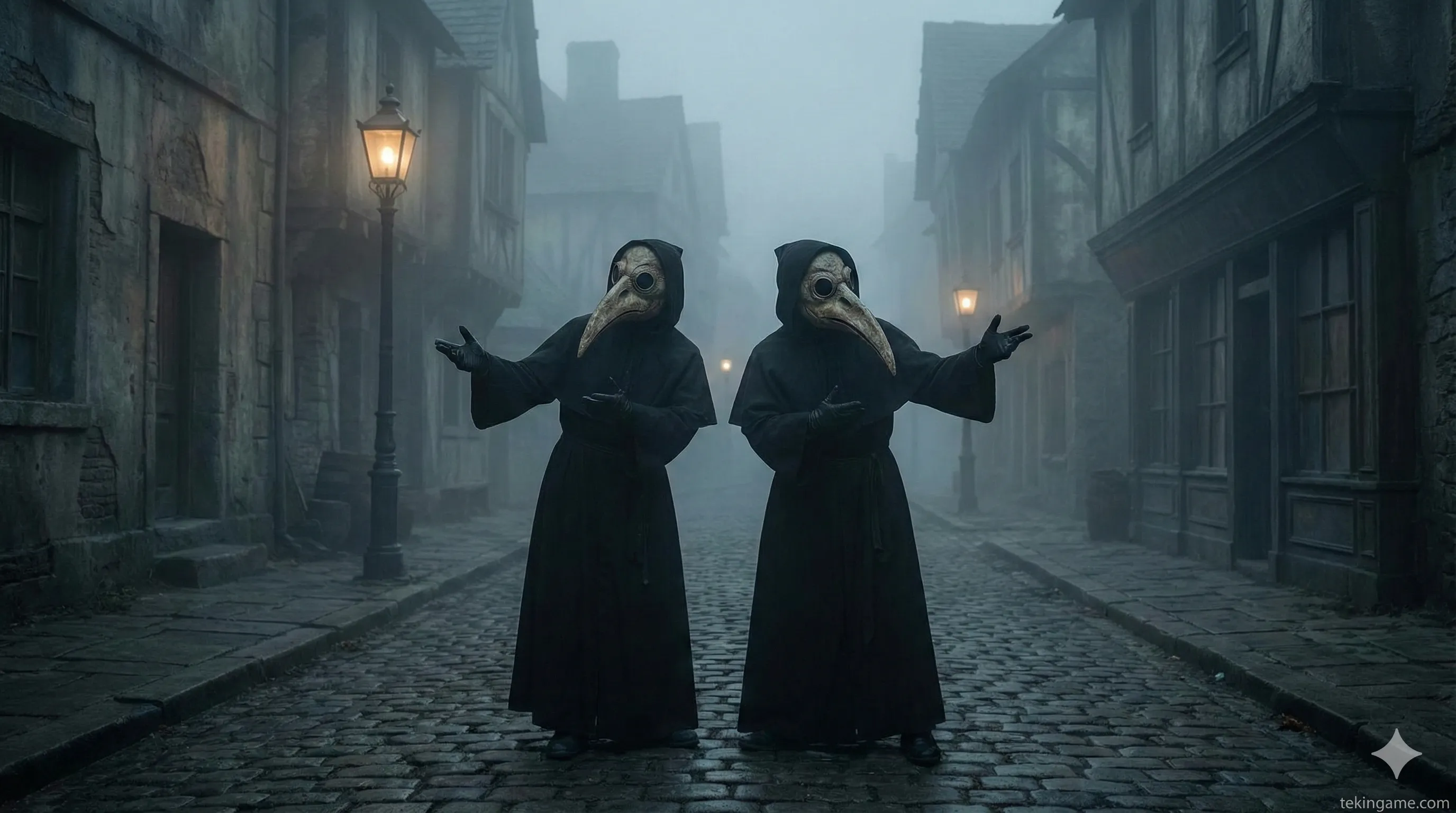
Strange figures in beak-masks, the Executors, appear suddenly in empty streets to speak directly to you: "A poor performance, actor! The audience is getting bored. Make it more tragic."
The dialogue in this game is a literary masterpiece. Every NPC speaks a distinct dialect.
The Children: They speak in riddles, seemingly possessing ancient, terrifying knowledge of the world.
The Workers: Their language is heavy with suffering and earth.
The Kains (The Ruling Family): They speak of high philosophy, utopias, and defying gravity.
You must play the role of a "Translator" between these factions. When Maria Kaina speaks of "Immortality," does she mean saving lives, or sacrificing the town to preserve a memory? Your interpretation of these dialogues shifts the game’s ending dramatically.

5. Atmosphere & Visuals: The Geometry of Decay
Although the game runs on the latest Unreal Engine technology of 2026, the beauty of *Pathologic 3* is not in its texture resolution, but in its Art Direction.
The town of Gorkhon looks different through the Bachelor’s eyes. Because Dankovsky perceives the world through a lens of cold logic, the colors are sharper, colder, and more geometric than the warm, muddy tones of the Haruspex.
The impossible architecture of The Polyhedron—that massive, glass structure defying gravity on the other side of the river—dominates the skyline. It acts as a visual magnet, representing Dankovsky’s goal: a structure that rejects the laws of nature.
The Sound Design is half of the horror. The wind howling across the empty Steppe, the muffled moans of the dying behind quarantined doors, and a soundtrack that mixes industrial grinding with tribal chanting. The game allows you no peace. In *Pathologic*, silence is more terrifying than a scream.
6. The Philosophy: Utopia or the End of Humanity?
The narrative core of the Bachelor’s route is a question that resonates deeply in 2026 (the age of AI and biotech):
"Does humanity have the right to defeat death?"
Dankovsky believes death is a mistake. He wants to preserve the Polyhedron because it symbolizes human triumph over natural law. The opposing side (The Kin, the tradition) believes that death is part of the cycle, and removing it destroys the soul.
You face harrowing moral triage decisions daily.
Do you give the last antibiotic to a child who represents the town's future, or to a scientist who might create a cure?
Do you order the bombardment of the infected poor district to save the wealthy district where the laboratory is?
The game never tells you what the "Right Choice" is. It simply lets the consequences hit you in the face.
7. Verdict: Why You Must Drink This Poison
Pathologic 3 is not "fun." If you are looking for a dopamine hit or a heroic power fantasy, uninstall this game immediately.
This game is for those who want to touch the boundaries of the video game medium. It is for those who want to feel the pain of leadership.
It is a mirror. A mirror that reflects your hubris, your fear, and your humanity. Dankovsky at the end of the game (if he survives) is not the arrogant man who arrived on the train; he is shattered, humbled, and perhaps, enlightened.
And you, after finishing this game, will not be the same gamer. This is a poison you must drink once in your lifetime, even if the bitter taste lingers forever.