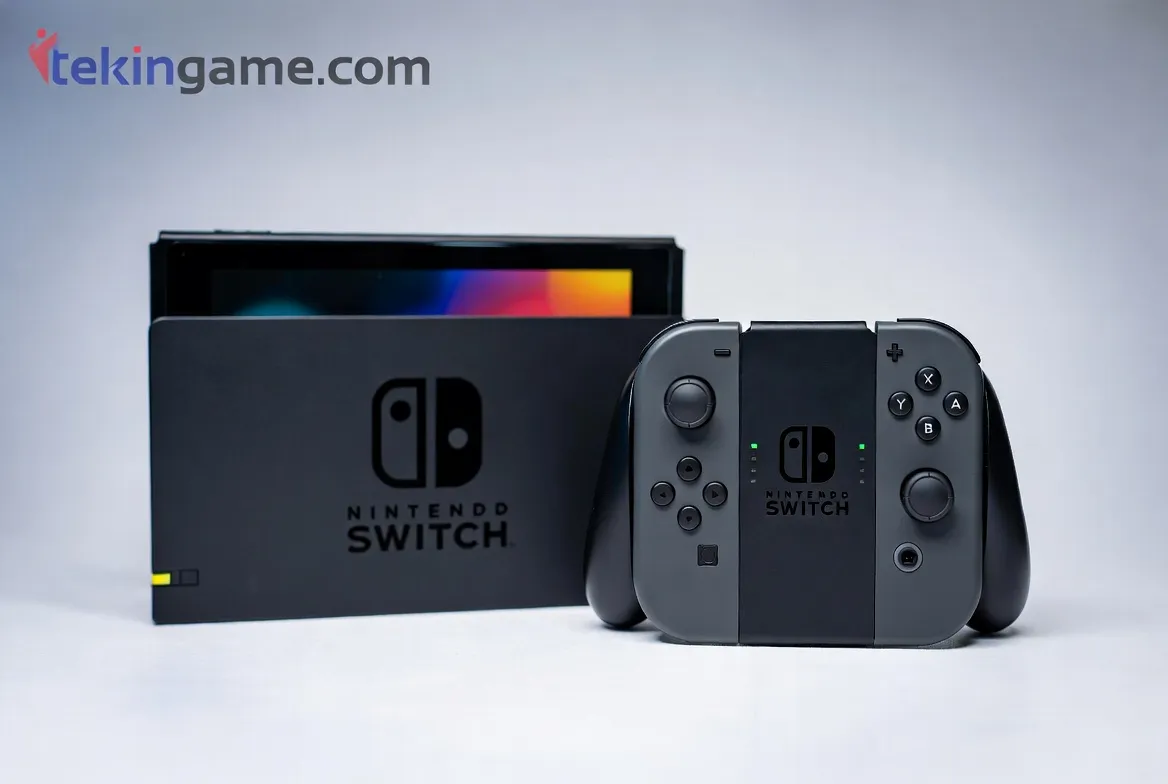
1. Introduction: The End of the 8-Year Honeymoon
The original Nintendo Switch was a miracle. It managed to dominate the market for eight full years with hardware that was considered outdated even at its launch in 2017. Games like Zelda: Tears of the Kingdom were masterpieces of optimization.
But let’s be honest; in 2025, the hardware has hit a wall. Frame rate drops in new releases, muddy resolutions (sometimes dipping below 540p), and agonizingly long loading times have tested gamers' patience. The Switch 2 is not just a "revolution"; it is a "necessary evolution" that Nintendo needed to stay competitive against the Steam Deck and ROG Ally.
2. War of Numbers: The Specs Showdown
To understand the leap, we need to look under the hood of these two machines.
2.1. CPU/GPU: From 2015 Mobile to 2025 Laptop Class
The Switch 1 used the Tegra X1, which was essentially a tablet processor from 2015.
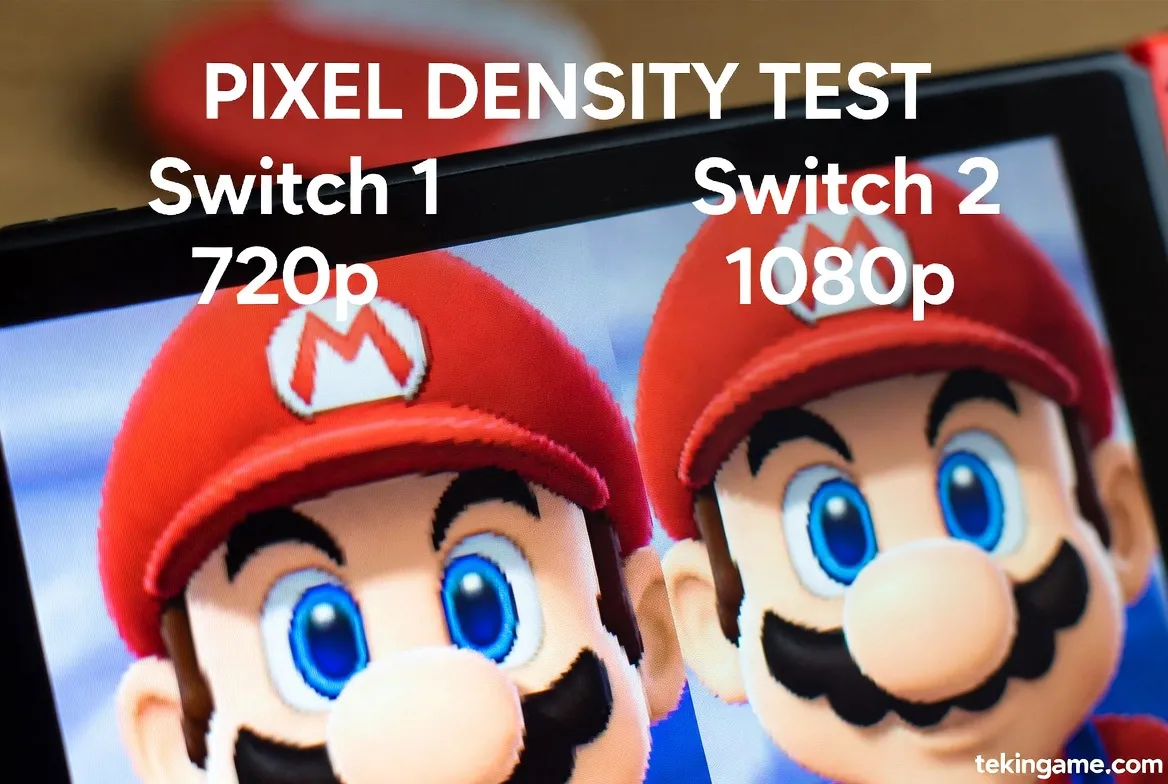
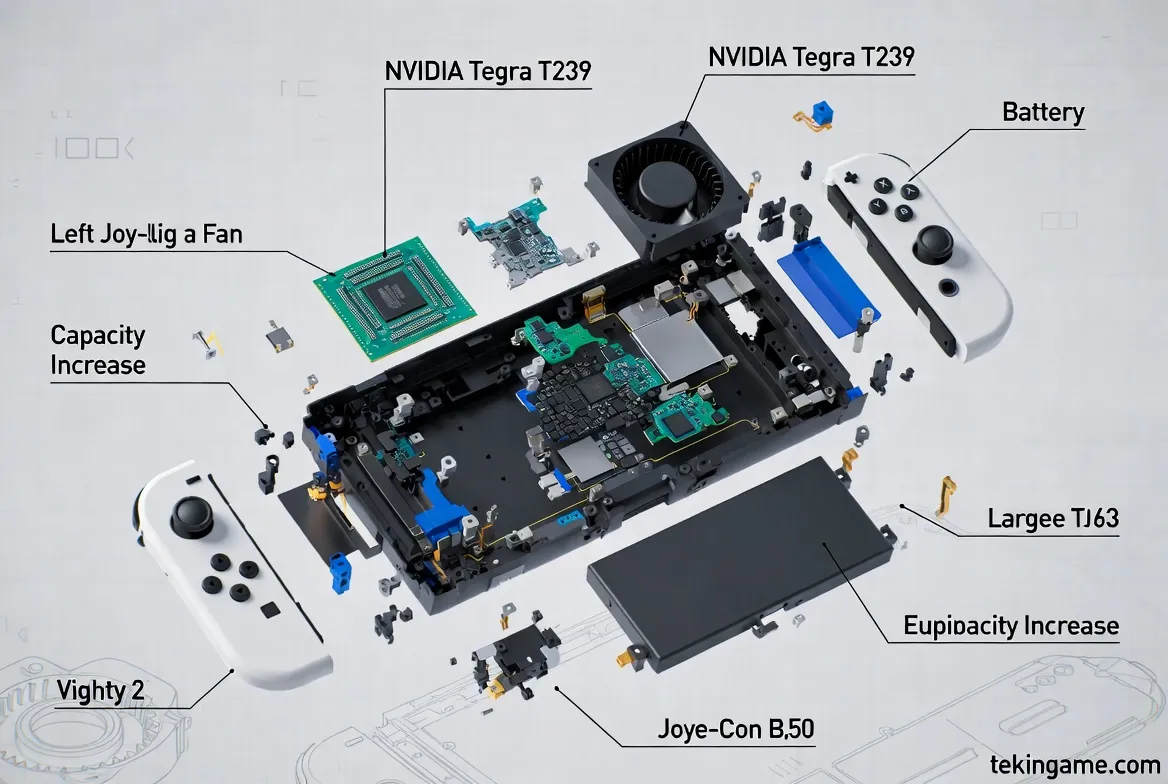
The Switch 2 utilizes the custom Tegra T239 chip based on NVIDIA’s Ampere architecture (RTX 30 series). This represents a 10x leap in raw processing power. This processor supports modern technologies like hardware-accelerated Ray Tracing and DLSS 3.5, things the previous console could only dream of.
2.2. RAM & Storage: Goodbye to Slow SD Cards
- RAM: An upgrade from 4GB to 12GB. This means developers can build larger worlds and use higher-quality textures without worrying about the console crashing.
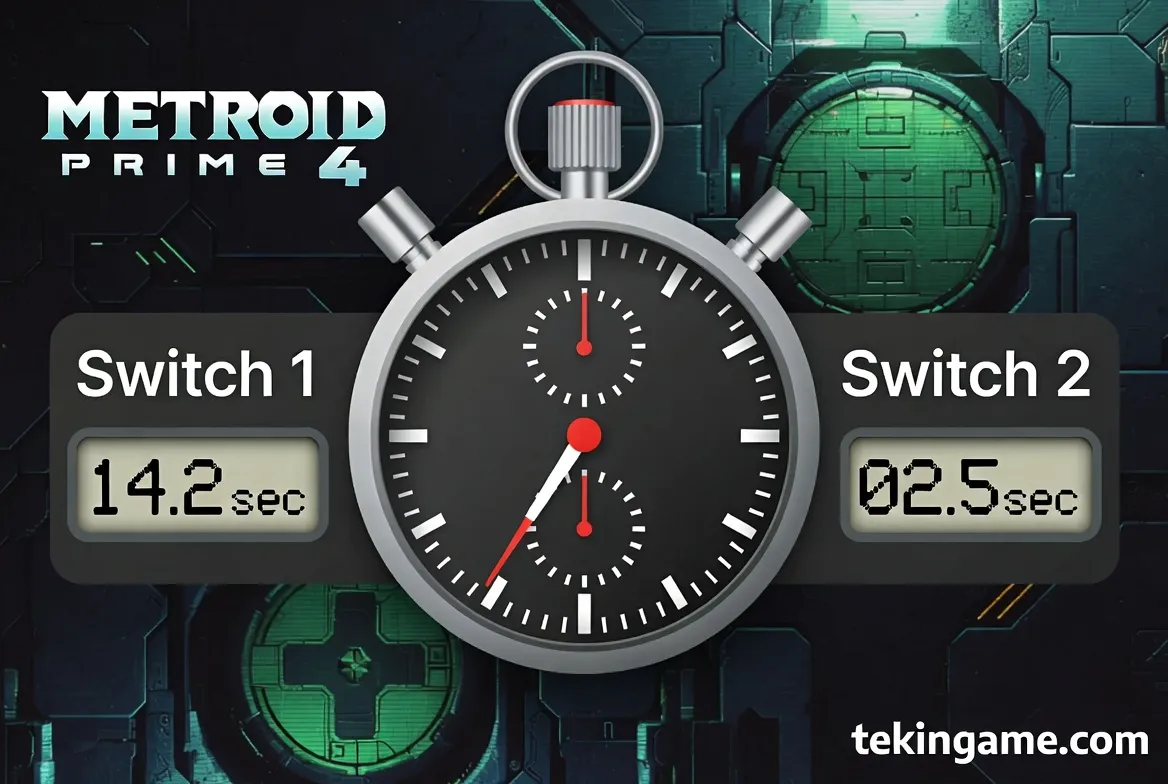
- Storage: An upgrade from 64GB eMMC (slow) to 256GB UFS 3.1 storage (fast). This change has drastically reduced game installation and level loading times.
3. Field Test: Real-World Graphics Differences
Numbers on paper are fine, but what does the eye actually see?
3.1. The DLSS Phenomenon: How Nintendo Fakes 4K
The Switch 2’s greatest weapon is DLSS (Deep Learning Super Sampling). The console renders the game at 1080p or 1440p and then uses Artificial Intelligence to upscale it to a pristine 4K.
If you plug a Switch 1 into a 4K TV, you see a blurry, jagged image. But the Switch 2 provides a sharp, clean image that is hard to distinguish from a PS5 for the average user. This means you get next-gen visuals without melting the hardware.
3.2. Metroid Prime 4 Test: Night and Day
We touched on this in our morning review, but let's get specific:
On Switch 1, the game is beautiful but looks "flat." Shadows are static, water has no reflection, and the framerate hiccups in busy scenes.
On Switch 2, the game feels alive. Volumetric fog hangs in the air, lights reflect off metallic surfaces, and the game runs like butter at a locked 60fps. This isn't just "better graphics"; it's a different experience.
4. Display & Ergonomics: Beyond Pixels
Is the new 8-inch screen really better than the previous 7-inch OLED?
4.1. LCD Return or OLED Advancement?
The model we are reviewing today is the Premium version with a Samsung OLED panel. The brightness hits 1000 nits (compared to the 400 nits of the old model). This means outdoor gaming under sunlight is finally viable. Also, the Refresh Rate supports up to 120Hz in specific titles, which is vital for competitive shooters.
4.2. Controllers: The End of "Joy-Con Drift"
Nintendo finally surrendered and used Hall Effect sensors (magnetic) in the new Joy-Cons. Unlike the old carbon contact models, these do not suffer from physical wear and tear, effectively solving the "Drift" issue forever.
The ergonomics are slightly larger and more comfortable, and the shoulder triggers are now analog (like PS5), which is excellent for racing games.
5. Battery & Thermals: Does the Beast Get Tired?
A 10x power increase usually means 10x battery drain, but Nintendo has worked some magic here.
Battery Life: According to our tests, the Switch 2 lasts about 3.5 to 4 hours playing a heavy game like Metroid Prime 4. This might seem low, but it is comparable to the OLED model running heavy games. For lighter 2D indie games, this number extends to 7 hours. Thanks to the modern 4nm chip, energy efficiency is much higher.
Heat & Fan: The new cooling system is slightly thicker, and the fan is audible in Docked Mode (though not annoying). The positive note is that the console body does not get hot in your hands; heat is intelligently exhausted from the top.
6. The "GTA VI" Factor: Third-Party Support
The biggest reason to buy a Switch 2 isn't just Nintendo games; it's the return of major publishers.
In the Switch 1 era, we had "Cloud" versions of games or terrible ports (looking at you, Mortal Kombat 1). But the Switch 2, thanks to full Unreal Engine 5 support and architecture similar to PS5/Xbox, can now host modern AAA titles.
Strong rumors suggest that GTA VI, Elden Ring, and the new Call of Duty will be ported to this console. If you want one device that plays "Mario" and "Call of Duty," the Switch 2 is the only option on the table.
7. Backward Compatibility & Boost Mode
This is perhaps the most critical section for current owners.
Does the Switch 2 run your old games? Yes, and much better. The console runs old cartridges in Boost Mode.
Games like Pokémon Scarlet/Violet, which suffered from terrible frame drops on Switch 1, run completely smooth (Locked 30fps or even 60 with a patch) on Switch 2. Zelda: TOTK runs at a higher resolution without the pause when using Ultrahand. Essentially, the Switch 2 breathes new life into your entire back catalog.
8. Price & Market Reality
The Switch 2 is not cheap. The global price is $400 (Base) and $450 (OLED). In the local market, considering customs and the initial hype bubble, the price is astronomical.
Hidden Costs: Don't forget that your old Dock (due to the new HDMI 2.1 port) won't work with full features, and you may need new accessories.
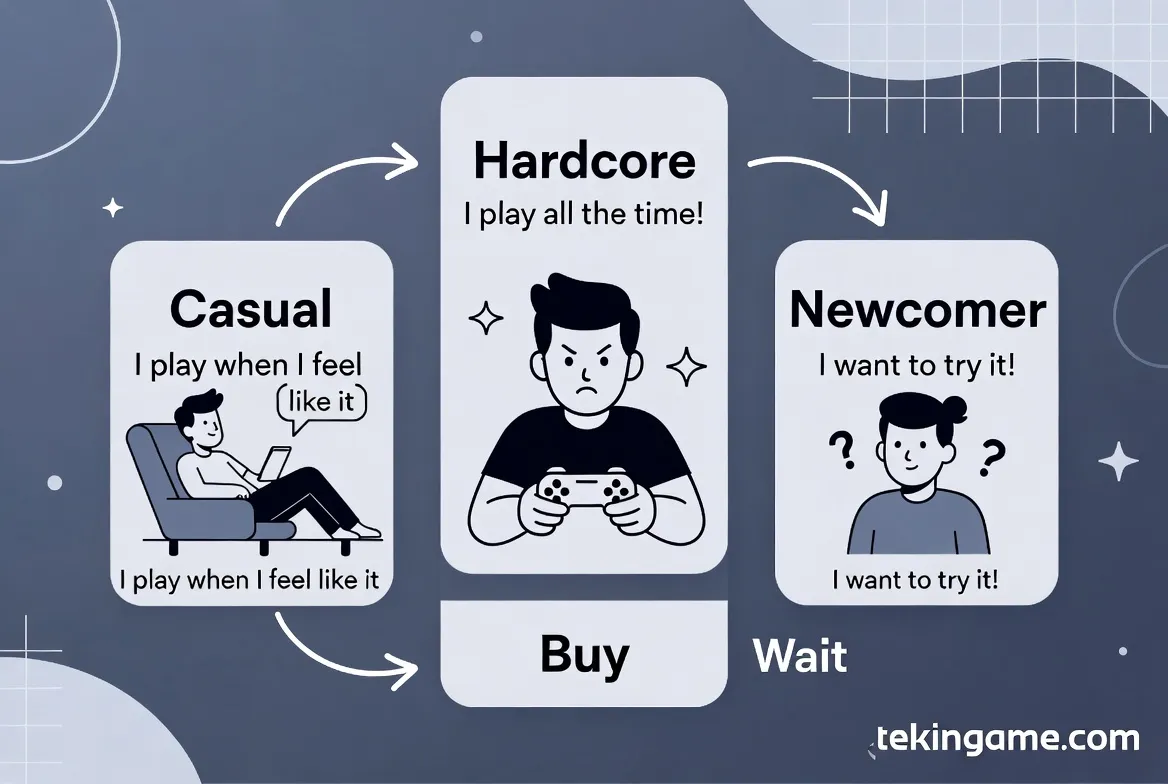
9. Verdict: Who Should Buy It? (3 Scenarios)
To help you decide, we have categorized users into three groups:
1. The Hardcore Fan:
You want Metroid on day one. You own a 4K TV and you hate frame drops.
✅ Verdict: Buy it now. Playing new games on old hardware will be a painful experience for you.
2. The Casual Gamer (Animal Crossing Player):
You mostly play family games, 2D platformers, and Mario Kart. 4K graphics don't matter to you.
❌ Verdict: Wait. Your Switch OLED will still run all games for another year. Let the price bubble burst.
3. The Newcomer:
You don't own a Switch at all and want to enter the Nintendo world.
✅ Verdict: Definitely buy the Switch 2. Buying a Switch 1 in 2025 is like buying an iPhone 11; it works, but it's not a wise investment. Switch 2 gives you access to the entire past library + the next 7 years of gaming.
TekinGame Final Conclusion:
The Switch 2 is not a luxury; it is a necessity for running modern games. If you have the budget, it will revolutionize your gaming quality of life. If not, your old Switch will still breathe until the end of 2026, but don't expect miracles from it.