
Introduction: The Smell of LAN Parties and Mountain Dew
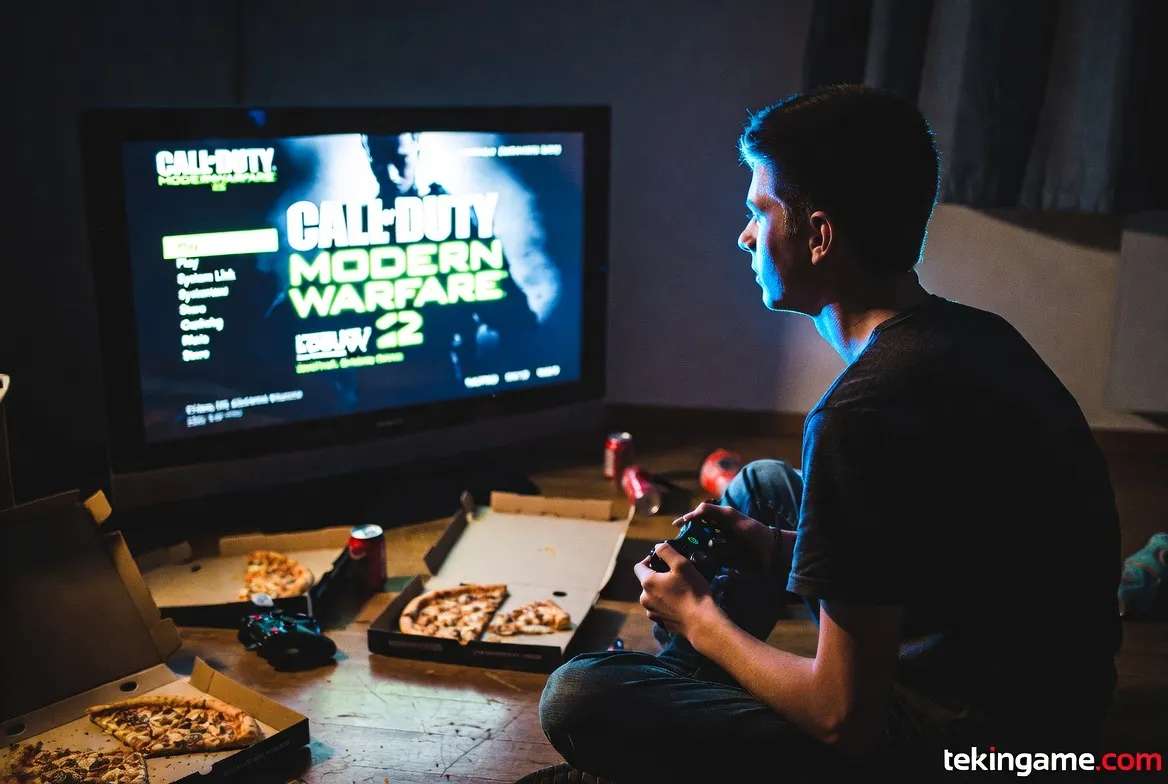
Close your eyes for a second. Travel back to 2009. It’s 2:00 AM on a school night. The glow of the TV is the only light in the room. You have a controller in your hand that’s slightly greasy from cheap pizza. Your headset is buzzing with the sounds of twelve different people screaming in a lobby. You are playing Search and Destroy on Terminal. Life is good.
Call of Duty is more than a video game franchise; it is the cultural heartbeat of a generation. For over two decades, it has defined how we play, how we talk ("1v1 me on Rust!"), and even how we understand war stories. From the gritty beaches of Normandy to the futuristic laser battles of space, and back to the sweaty streets of Verdansk, we have seen it all.
Today, at Tekingame, we are doing a deep dive. This isn't a Wikipedia summary. This is a tribute to the late nights, the broken controllers, and the friends we made along the way. Welcome to the complete history of Call of Duty.
Chapter 1: The Rebellion (2003)
When Medal of Honor Was the King
Before Captain Price, there was only Medal of Honor. It was the titan of FPS games, owned by Electronic Arts. But inside the studio, a group of developers felt stifled. They wanted to make something more visceral, more cinematic. They defected, formed Infinity Ward, and partnered with Activision.
The first Call of Duty (2003) on PC was a shock to the system. Unlike other shooters where you were a "One Man Army" (like Doom or Wolfenstein), CoD made you feel small. You were just one soldier in a massive squad. Shellshock—where explosions would blur your vision and ring in your ears—was revolutionary. It won "Game of the Year" instantly.
Chapter 2: The Console Takeover (Call of Duty 2)
If CoD 1 lit the spark, Call of Duty 2 (2005) started the fire. Launching alongside the Xbox 360, it defined "Next-Gen" graphics. The smoke effects on the map Toujane alone were enough to melt graphics cards.
This game also introduced the most controversial feature in FPS history: Regenerating Health. No more hunting for medkits. If the screen turned red and you heard a heartbeat, you hid behind a sandbag. Purists hated it, but it made the game faster, more aggressive, and accessible to millions.
Chapter 3: The Revolution (Modern Warfare 2007)
In 2007, shooters were stagnant. Everyone was still fighting Nazis in WWII. Infinity Ward took a massive gamble: modern weapons, night vision goggles, and terrorists.
Call of Duty 4: Modern Warfare changed everything. It introduced the "Perk System" (Stopping Power, Juggernaut, Martyrdom), Killstreaks, and a ranking system that became the industry standard.
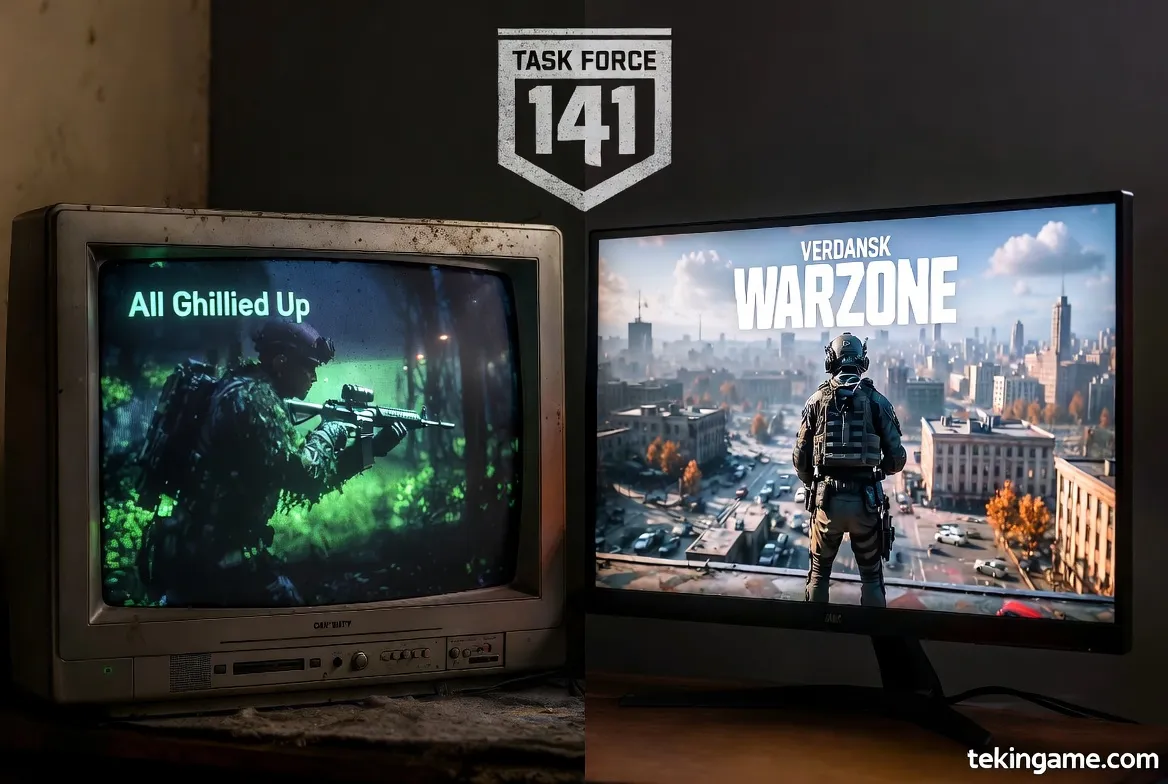
- The Campaign: Missions like "All Ghillied Up" and "Death From Above" (the AC-130 mission) blurred the line between video games and Hollywood movies.
- The Nuke: Watching our character, Sgt. Paul Jackson, crawl out of a crashed helicopter only to die from radiation poisoning was a narrative punch to the gut we never expected.
Chapter 4: The Grit and The Zombies (World at War)
Treyarch, the "B-Team" studio at the time, took us back to WWII in 2008 with World at War. But this wasn't heroic; it was dark, violent, and gritty. Limbs were blown off. Flamethrowers burned enemies alive.
But the real legacy? An Easter Egg unlocked after beating the campaign: Nacht der Untoten. Four soldiers, infinite waves of Nazi Zombies, and a Ray Gun. A mode created as a lunch-break experiment became a billion-dollar sub-franchise.
Chapter 5: The Golden Age (Modern Warfare 2)
2009. The cultural peak. Modern Warfare 2.
The Toxicity and The Glory
MW2 was broken in the best way possible. Everything was overpowered. The Model 1887 Akimbo shotguns were snipers. The Commando Pro perk let you knife people from 20 feet away. The Intervention sniper rifle birthed the era of Trickshotting and FaZe Clan montages.
"No Russian"
The mission "No Russian" remains the most controversial moment in gaming history. Walking through an airport with Makarov, gunning down civilians, forced the entire world to debate: "Have video games gone too far?"
The Betrayal
And then, the moment that broke our hearts. "Good, that's one less loose end." General Shepherd didn't just kill Ghost and Roach; he burned them. We all stared at our screens in disbelief. It was the moment we stopped trusting authority in video games.
Chapter 6: Psychological Warfare (Black Ops 1 & 2)
Black Ops (2010): Treyarch stepped out of Infinity Ward's shadow. The story of Alex Mason and the numbers was a psychological thriller. The multiplayer introduced "Wager Matches" (One in the Chamber, Gun Game), where we gambled our hard-earned CoD Points.
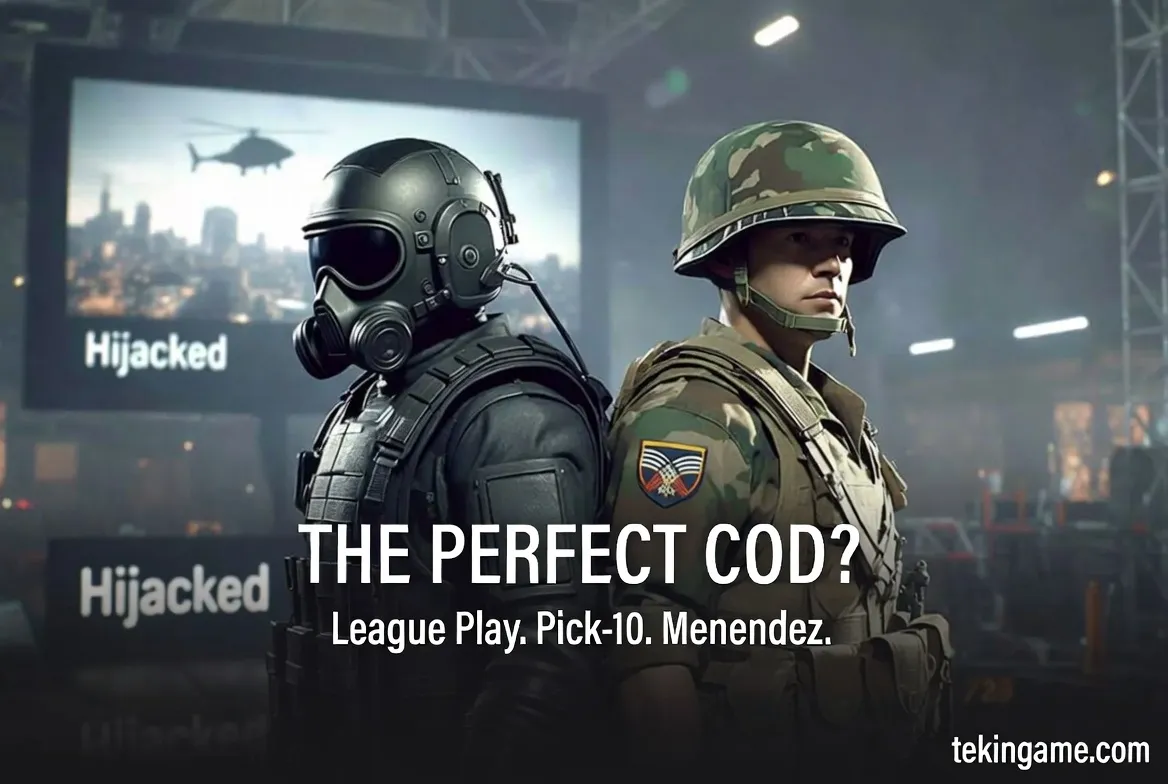
Black Ops 2 (2012): Widely considered the greatest competitive CoD ever made.
It introduced the Pick-10 System, allowing unprecedented customization.
It gave us League Play, making us feel like esports pros.
And it gave us Raul Menendez, a villain so charismatic and tragic that we almost wanted him to win. The branching storylines meant your choices actually mattered—Karma could live or die based on your reaction time.
Chapter 7: The Identity Crisis (The Jetpack Era)
After Ghosts (2013) failed to capture the magic of MW2, Activision panicked. They looked at Titanfall and decided CoD needed to be faster.
- Advanced Warfare (2014): Kevin Spacey and Exo-suits. "Press F to Pay Respects" became a meme. The supply drop system introduced "Pay-to-Win" weapon variants like the Obsidian Steed, enraging the community.
- Black Ops 3 (2015): The best of the jetpack games. Specialists added personality, and Zombies peaked with maps like Der Eisendrache.
- Infinite Warfare (2016): The community snapped. The trailer became the most disliked video on YouTube. We were tired of flying. We wanted boots on the ground.
Chapter 8: The Great Reboot (Modern Warfare 2019)
In 2019, Infinity Ward hit the reset button. They built a brand new engine. The graphics became photorealistic. The sound of gunfire was deafeningly loud. The movement—thanks to the "Slide Cancel" bug that became a mechanic—was fast and fluid.
MW2019 introduced Gunsmith, allowing us to turn an assault rifle into a sniper or an SMG. It was the most immersive shooter we had played in years, setting the stage for something massive.
Chapter 9: The World Changes (Warzone)
March 10, 2020. The world entered a global lockdown due to COVID-19. On that same day, Activision released Warzone.
It was the perfect storm. Everyone was home. Everyone was online. Verdansk became our meeting place. We remember the panic of the gas closing in. We remember the "DMR 14 Meta" where you couldn't cross a street without dying. We remember the C4 tossing era.
Warzone didn't just save Call of Duty; it ate it. The yearly releases (Cold War, Vanguard) became just "leveling simulators" for Warzone guns. The franchise had fundamentally shifted from a $60 box product to a live-service behemoth.
Conclusion: The Future Under Microsoft
As we look at Modern Warfare 3 (2023), the franchise is in a weird spot. The gameplay is smooth, but the soul feels corporate. However, with Microsoft's acquisition of Activision Blizzard, a new hope rises.
Gamers are dreaming of the old titles hitting Game Pass. We dream of reviving the Black Ops 2 lobbies. We dream of a development cycle that prioritizes quality over yearly profits. Call of Duty has survived 20 years of changes. It has survived battlefield competitors, battle royale trends, and its own bad decisions. Why? Because at its core, nothing beats the feeling of a prestige icon next to your name.