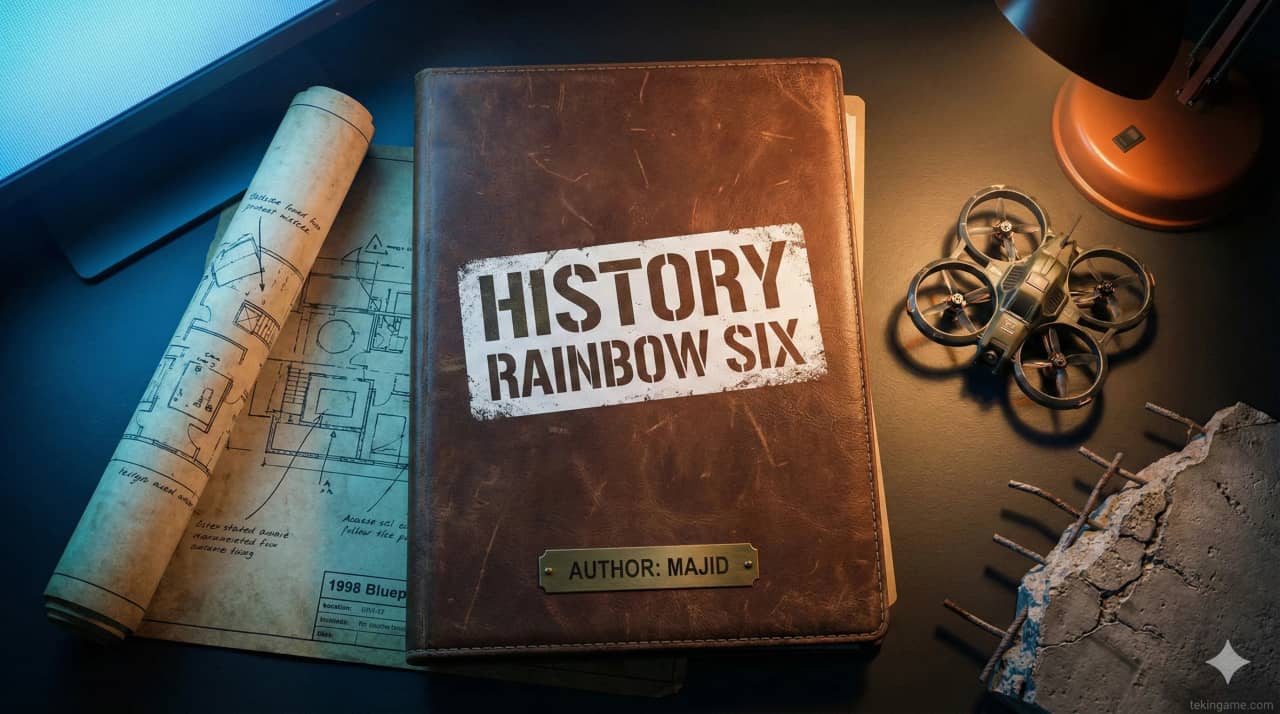
Chapter I: The Author's Obsession; The Birth of Red Storm (1996-1998)
To understand Rainbow Six, we must first understand its creator. Tom Clancy was not an ordinary author. He was obsessed with military detail. He could write 30 pages about the cooling system of a nuclear submarine and keep the reader glued to the page. In the mid-90s, Clancy realized that the world of video games offered potential that books did not: Interactivity.
He founded his own studio, Red Storm Entertainment. The goal? To build a game that didn't feel like a Hollywood action movie, but felt like "Reality." The development team worked on the game simultaneously as Clancy wrote the Rainbow Six novel. This synergy meant the novel's intricate details were ported directly into the code.
The "One Shot, One Kill" Rule
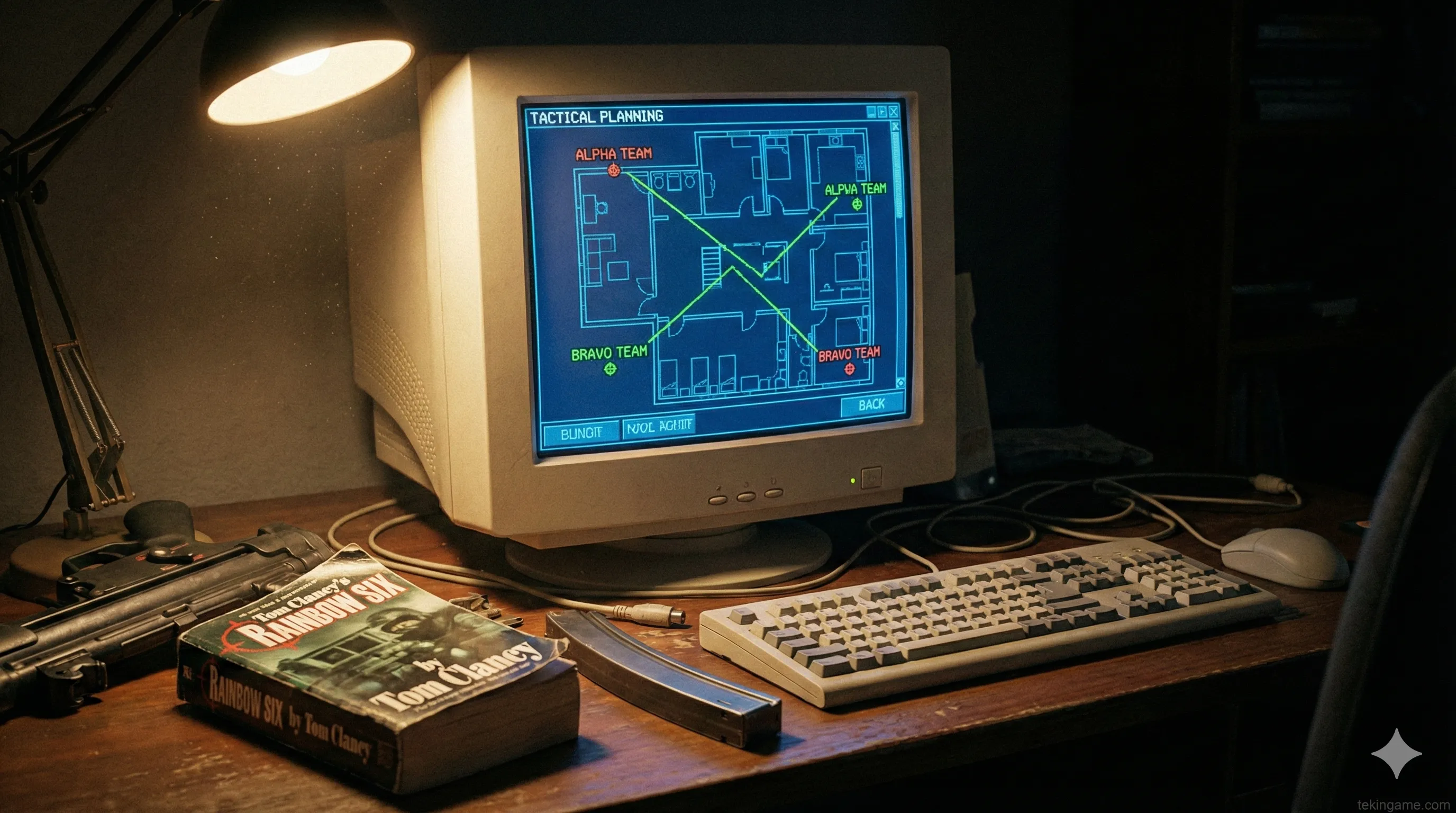
When the first Rainbow Six launched in 1998, it was shocking. There were no high jumps or sprint buttons. If you breached a room without thinking, you were dead in less than a second. The game featured two distinct phases:
- The Planning Phase: Players spent hours staring at a blue blueprint. You plotted the paths for Alpha, Bravo, and Charlie teams. You dictated where to throw smoke grenades and where to hold position.
- The Action Phase: If your plan was flawless, you could technically complete the mission without touching the keyboard, simply watching your AI team execute the perfect clear. This level of simulation was unprecedented.
Chapter II: The Golden Age of Tactics; When Rogue Spear and Raven Shield Ruled
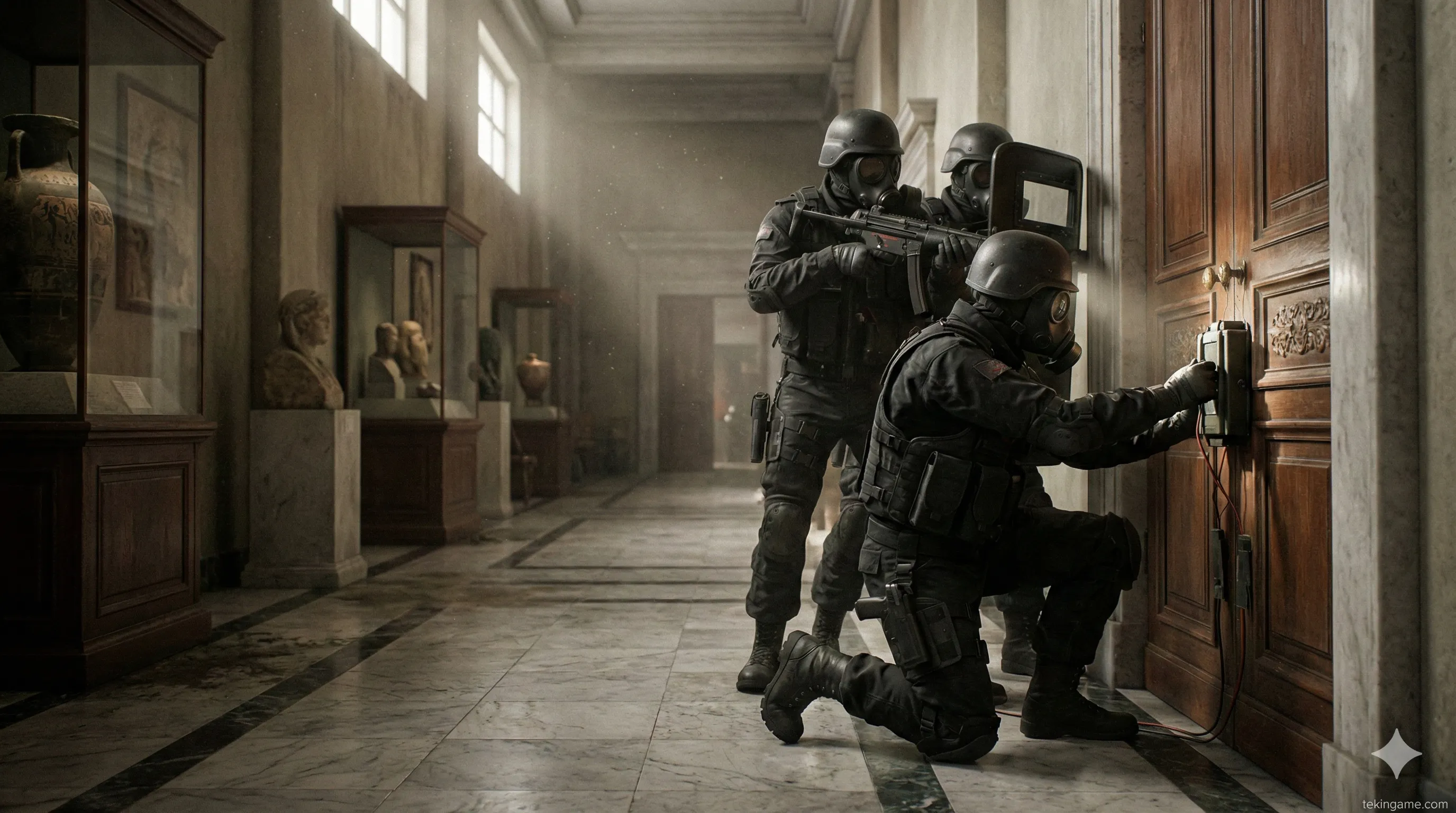
The success of the first game paved the way for masterpieces. In 1999, Rogue Spear was released. If the first game was an experiment, this was a masterclass. The levels—specifically the airplane hostage rescue and the art museum—still haunt the nightmares of old-school gamers.
But the peak of the classic evolution arrived in 2003 with Rainbow Six 3: Raven Shield. This was the first entry to utilize the powerful Unreal Engine 2.0. It introduced Ragdoll physics to the series. When you shot an enemy, they didn't play a canned animation; they crumpled to the floor with realistic, heavy weight.
The End of an Era
Raven Shield was the last time Rainbow Six remained truly faithful to its "hardcore" simulation roots. In this game, you could still choose your barrel type, ammo grain, and even the speed at which a door opened. The community still keeps private servers alive for this game, believing that after 2003, the franchise sold its soul.
Chapter III: Identity Crisis; The Fall of Lockdown and the Rise of Vegas
With the arrival of the sixth console generation (PS2 and Xbox), Ubisoft (who had acquired Red Storm) decided to make the game more accessible to the masses. The result was a disaster called Rainbow Six: Lockdown (2005).
The planning phase was removed! You were now an action hero with regenerating health. The enemy AI was brain-dead, and the tactical tension was replaced by arcade shooting. Fans were furious, and review scores plummeted.
The Vegas Gamble
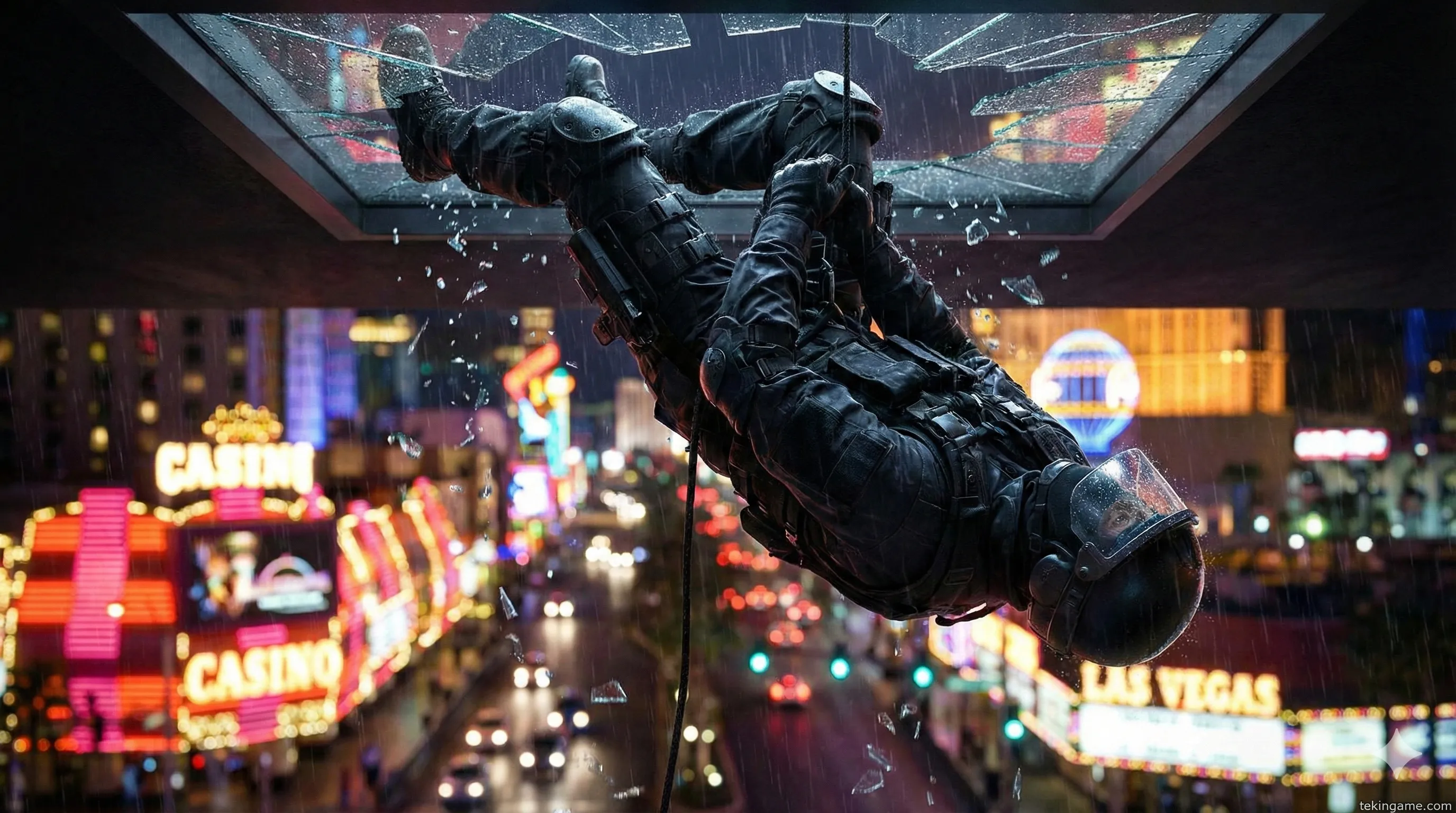
Ubisoft realized their mistake and handed the keys to the Montreal studio. They decided to find a middle ground. The result was the Rainbow Six: Vegas series.
This game introduced a revolutionary change: The Third-Person Cover System. The game was FPS, but when you hugged a wall, the camera pulled back. Set in the glitzy "Sin City," rappelling down casinos while neon lights blinded you was a cinematic experience.
The Vegas series might not have been as complex as the originals, but it had "Identity." The squad command system (Tag and Clear) was fluid, and the online multiplayer laid the groundwork for what we would see years later in Siege.
Chapter IV: The Tragedy of Patriots; The Most Ambitious Game Never Made
This is perhaps the most tragic chapter in the history. In 2011, Game Informer unveiled the next entry with a controversial headline: Rainbow Six: Patriots.
Ubisoft released a concept trailer that sent shivers down spines. The story focused on a domestic terror group called the "True Patriots," rising up against Wall Street corruption and economic inequality. The enemy wasn't foreign; it was your neighbor.
Why Was It Cancelled?
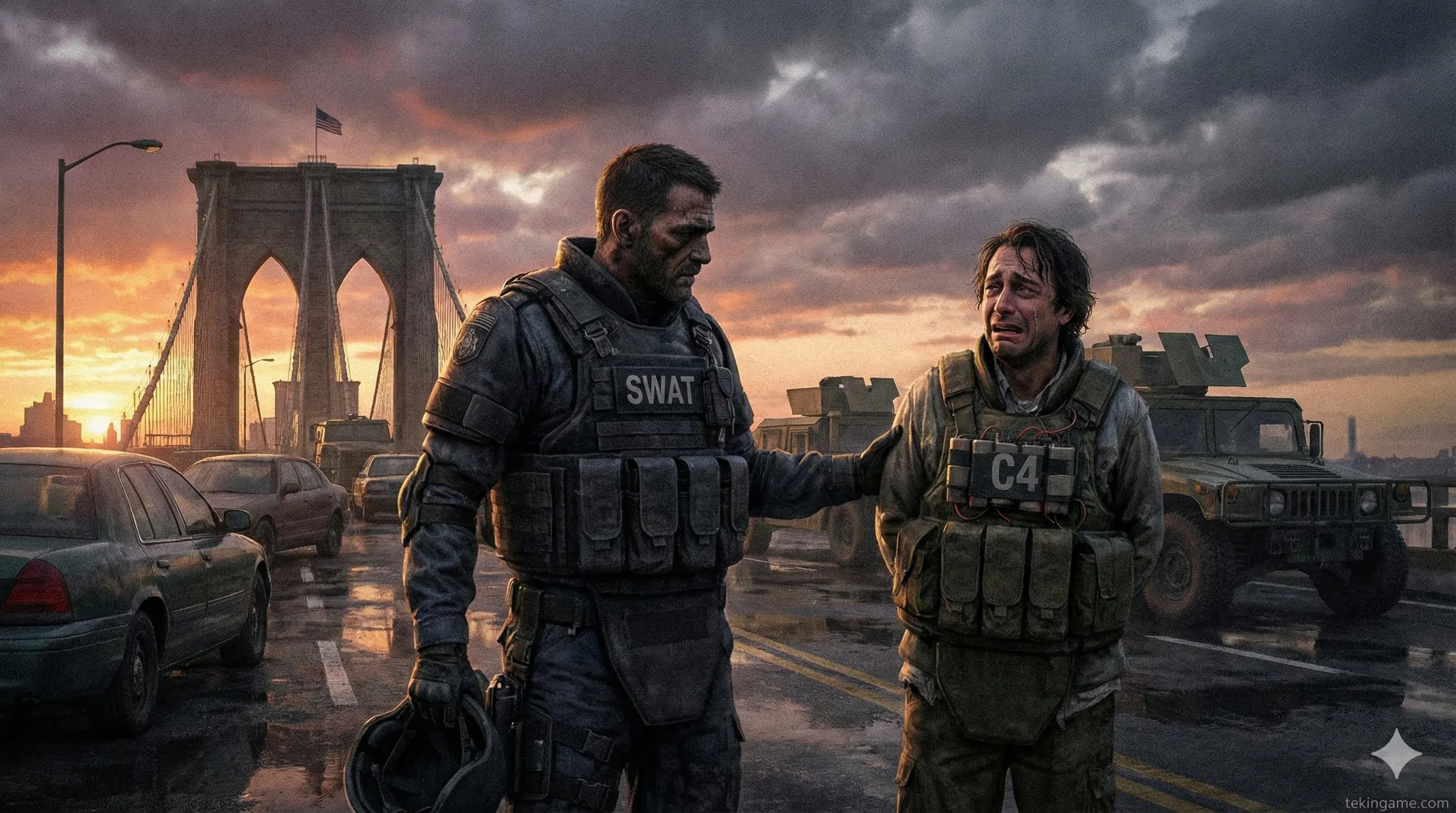
The game's ideas were ahead of its time. The developers wanted to integrate "heavy ethical decisions" into gameplay. In the demo, terrorists strapped a suicide vest to a banker and left him on the Brooklyn Bridge. As the police, when you realized you couldn't defuse the bomb, you were forced to throw the innocent man off the bridge to save the civilians. It was dark, visceral, and political.
The game fell into Development Hell. The engine was aging, console generations were shifting, and the political narrative became too sensitive. Finally, in 2013, Ubisoft made a brave and painful decision: Scrap the entire project and start from zero.
Chapter V: Ubisoft's Big Gamble; The Birth and Evolution of Siege
When the dev team sat on the ruins of Patriots, they asked themselves: "What is the core of Rainbow Six?" The answer was one word: Destruction.
They decided to cut the single-player campaign entirely (commercial suicide at the time) and focus all resources on a new physics engine called RealBlast. The result was Rainbow Six Siege.
A Rocky Start to Legendary Growth
When Siege launched in December 2015, it was a mess. Servers failed, bugs were rampant, and content was thin. Critics said, "This game will be dead in 6 months." But Ubisoft didn't surrender. They implemented a model that is now the industry standard: Games as a Service.
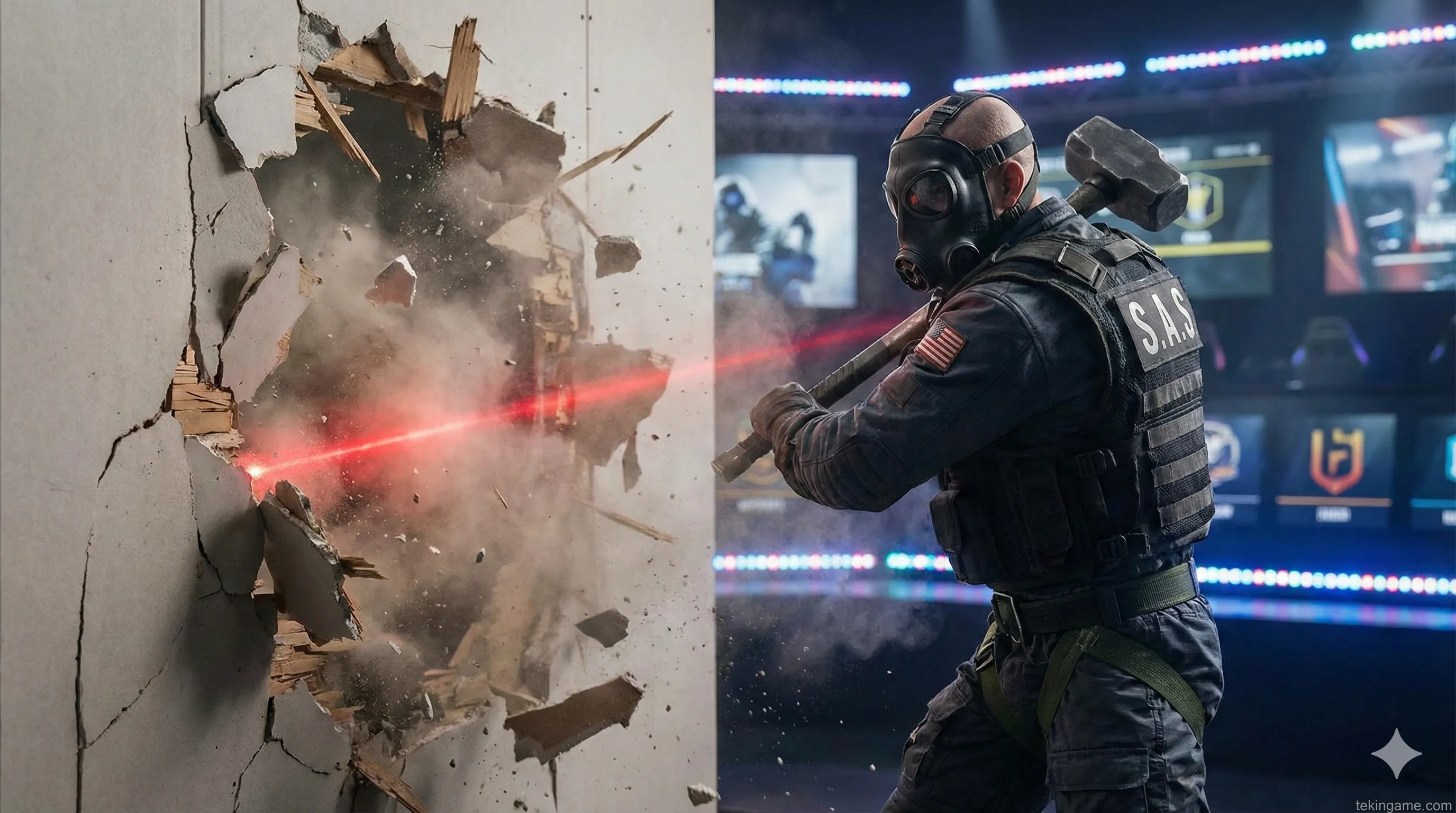
Instead of abandoning the ship, they revived it with constant updates. The introduction of Operators was the ace up their sleeve. Each character wasn't just a skin, but a "tool." Thermite could melt reinforced walls, Mute jammed signals, and Pulse could see heartbeats. It turned the shooter into a game of chess; thousands of combinations for victory existed.
Today, Siege boasts over 85 million registered players and is a top-tier Esport. The Six Invitational tournaments fill stadiums and offer multi-million dollar prize pools. Siege proved that a "hardcore" and complex game can be mainstream if the developers believe in it.
Chapter VI: Beyond the Game; Cultural Impact and Future
Rainbow Six has moved beyond monitors. Characters like "Lord Tachanka" have become internet memes recognized even by non-players.
Ubisoft attempted to take the universe into sci-fi with Extraction, but the lukewarm reception proved that fans love Rainbow Six for its "human realism," not aliens.
What is the future? Rumors point to a powerful mobile version and perhaps, one day, a return to a dedicated single-player narrative. But one thing is certain: Siege isn't going anywhere. Ubisoft has stated plans to reach 100 operators and support the game for a decade.
Conclusion: Why Rainbow Six Will Never Die
In a world where Call of Duty entertains you with cinematic set pieces and Battlefield drops you into 64-player chaos, Rainbow Six holds a special place. It isn't about "Loneliness"; it's about "Trust."
You cannot be a lone wolf hero in Siege. If your teammate doesn't cover your six, you die. If you plant the defuser in the wrong spot, you lose. The game imparts a sense of "responsibility" rarely found in other titles.
Tom Clancy passed away in 2013 and never saw the massive success of Siege. But if he were alive today, he would likely smile. Because after 30 years, the core of his dream is still alive: Wars are won with brains, not muscle.