
1. The Horror Stats of January: Hacker Resurgence and Civilian Targets
If you think hackers are only after banks, you are mistaken. [cite_start]New reports confirm that the sophisticated hacker group Careto (The Mask) has resurfaced after 10 years with advanced new tactics[cite: 37]. [cite_start]Simultaneously, teenage hacking collectives like "Scattered Spider" are aggressively targeting the infrastructure of companies as large as Nike and Instacart[cite: 37].
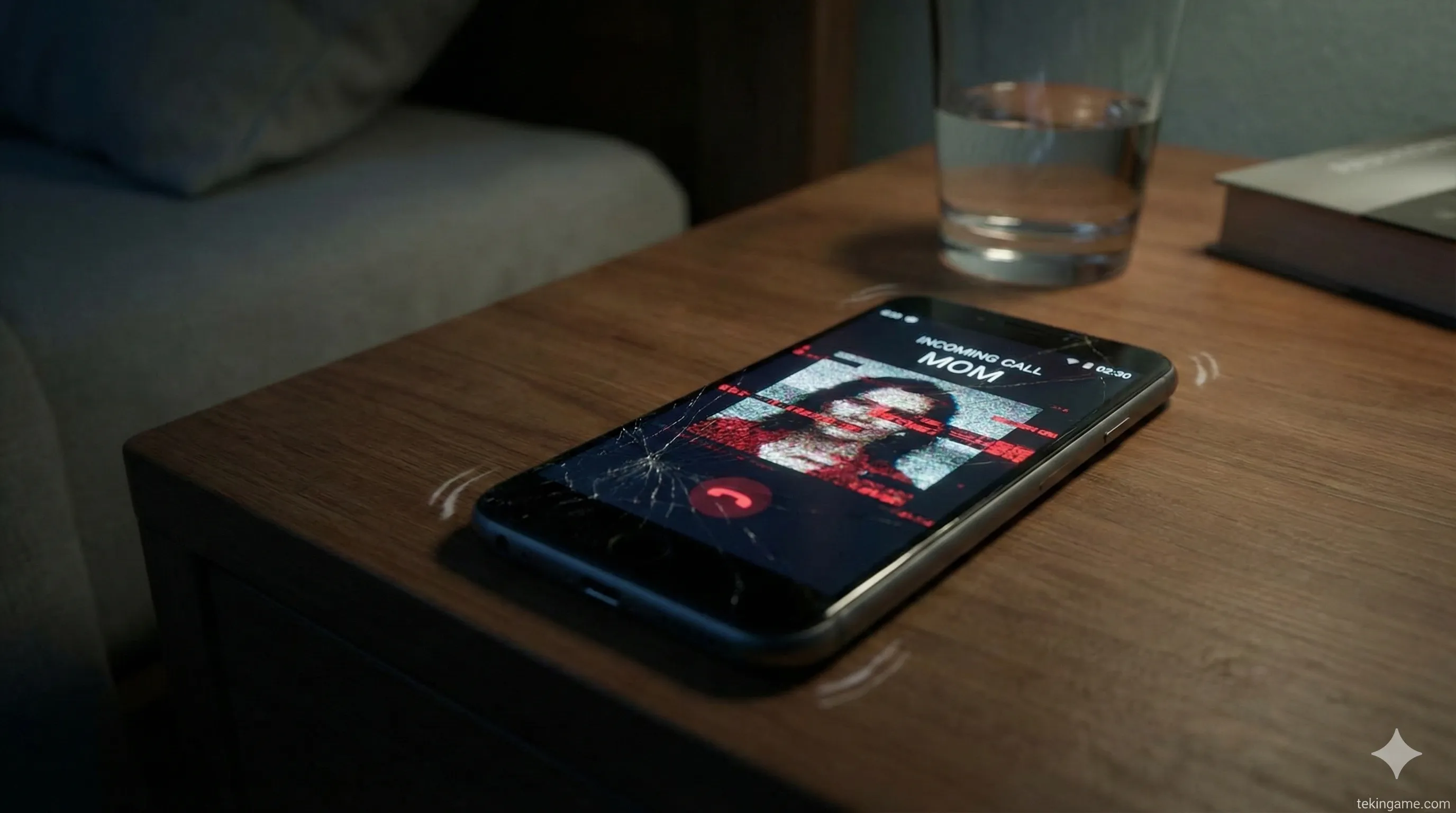
But the most terrifying part of the report concerns everyday people. [cite_start]New malware for macOS and Windows has been identified specifically designed to steal "biometric data" (like voice and face prints)[cite: 5]. In 2026, your voice is your password, and hackers know it. [cite_start]The predicted threefold increase in AI-based scams this year proves that we have entered the era of "Digital Identity Theft"[cite: 5].
2. Anatomy of an Attack: How AI Steals Your Voice in 3 Seconds
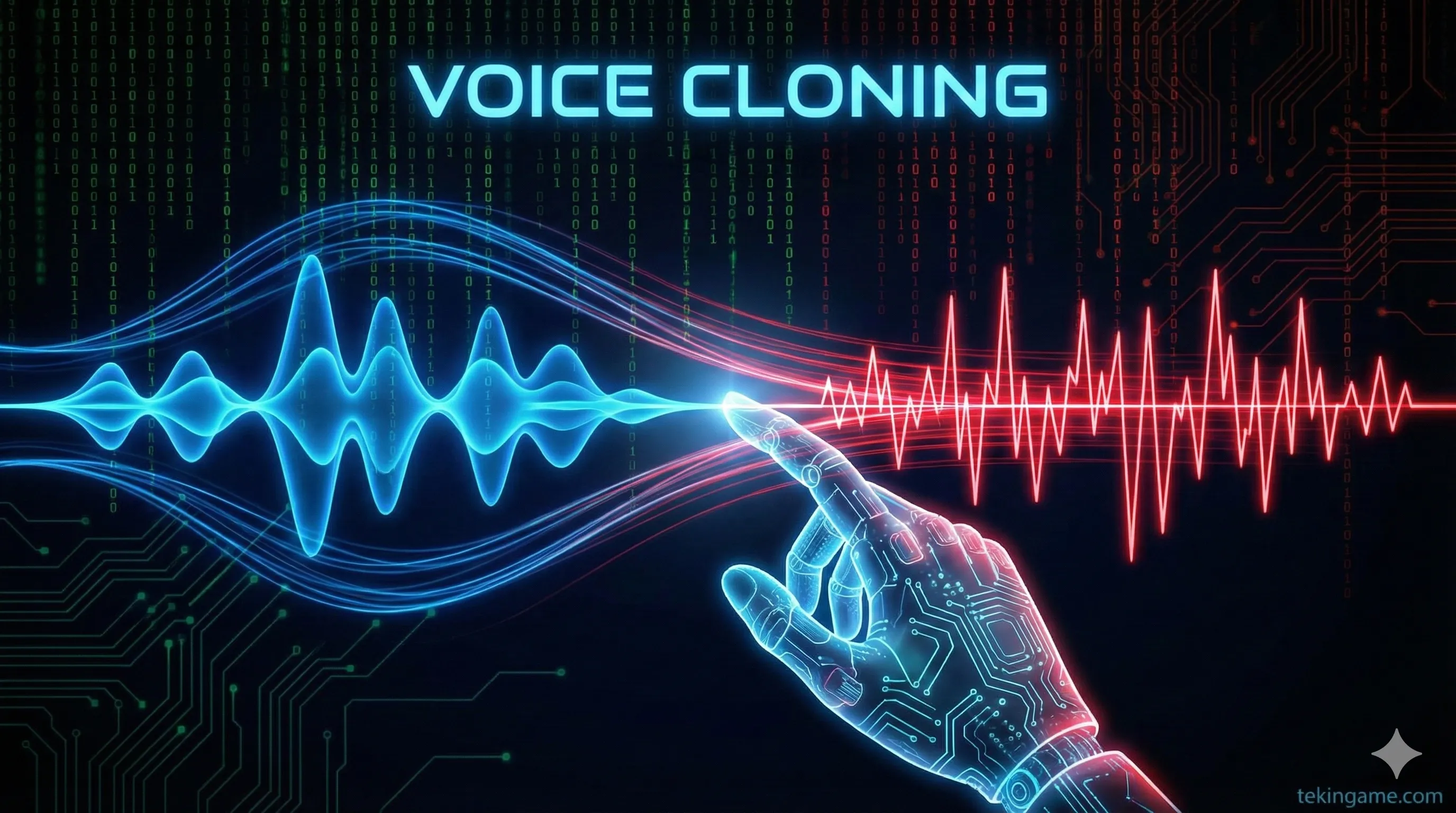
Until 2024, cloning a voice required hours of audio recordings. But with the advent of advanced models like Microsoft's VALL-E 3 and underground Chinese models, hackers now need only 3 seconds of audio sample.
Where does this 3 seconds come from?
- An Instagram story where you say "Good morning."
- A short voice note in a public Telegram group.
- Or even answering a spam call and saying the word "Yes."
3. What is a "Safe Word" and Why is it Essential?
In a world where your eyes and ears can be deceived, the only thing that remains is a "Shared Secret."
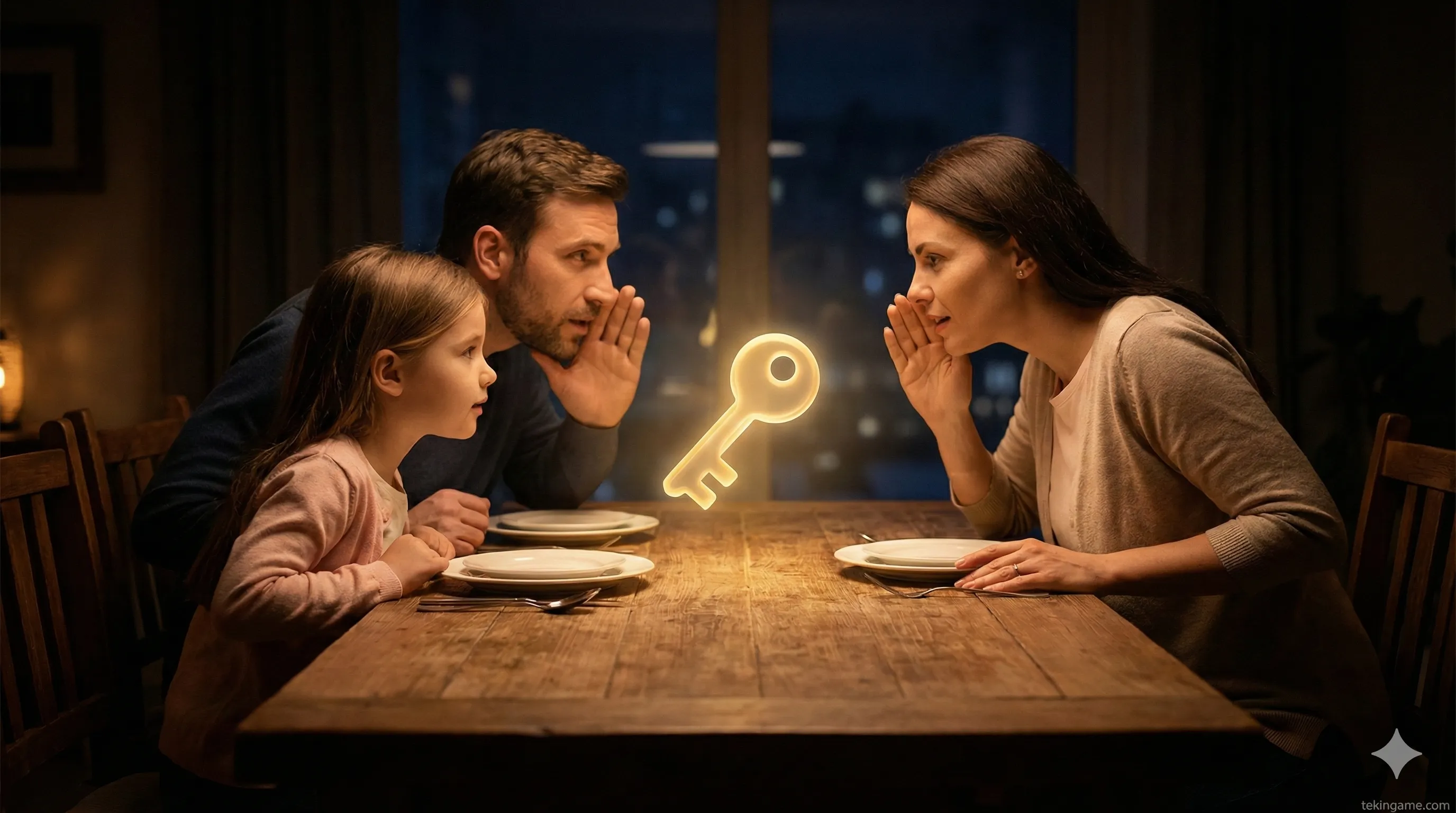
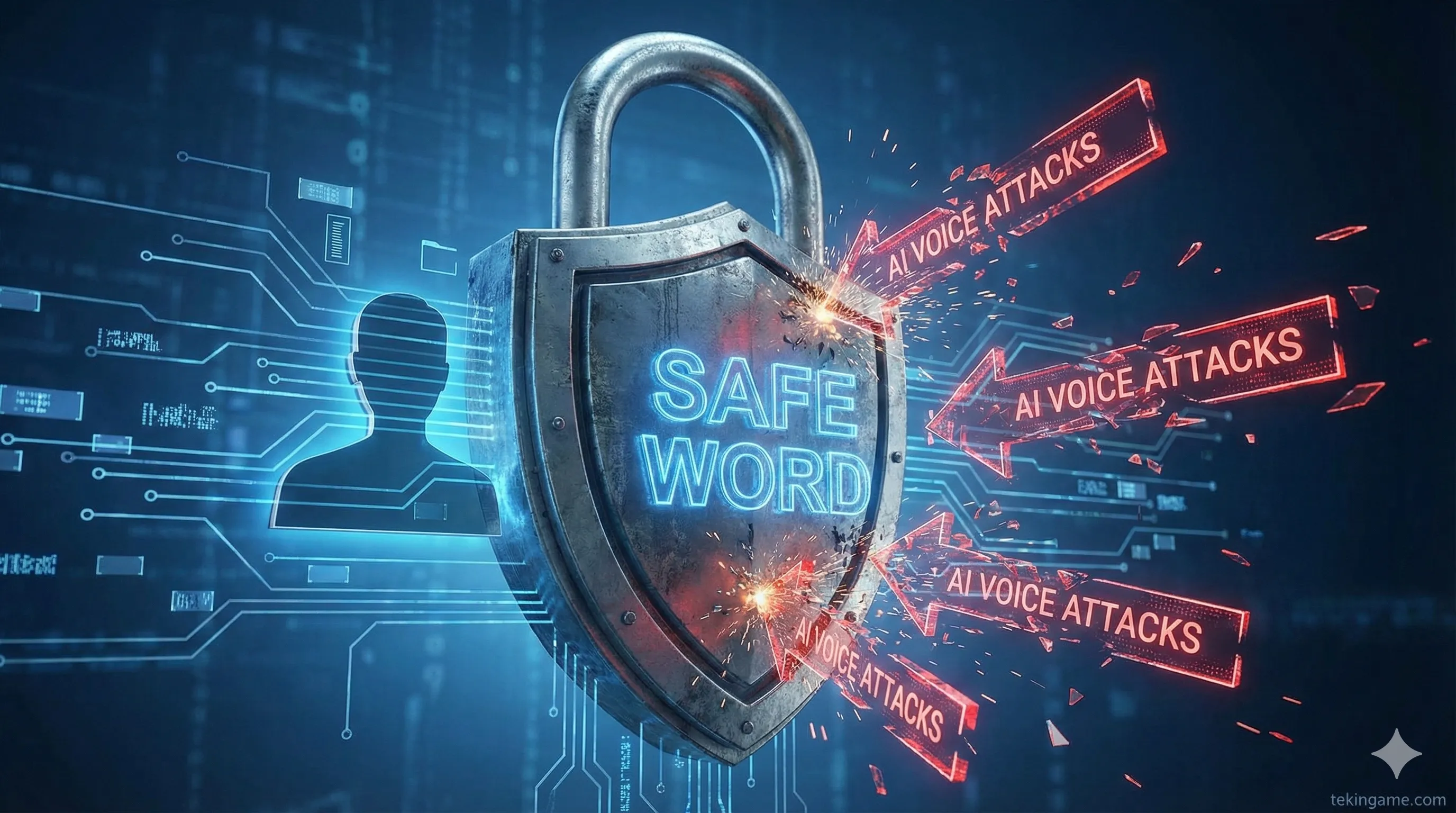
A Family Safe Word is a specific word or phrase known only to your immediate family members. It acts as a "Two-Factor Authentication" (2FA) key in the physical world.
The rule is simple: If anyone calls (even with my voice) demanding money, claiming they are in jail, or saying they have been kidnapped, they MUST provide the "Safe Word." If they can't, they are an AI. It is that simple.
4. Golden Rules for Choosing a Safe Word (No Birthdays!)
Choosing this word should not be taken lightly. Hackers use Social Engineering to guess your general information.
Characteristics of a Perfect Safe Word:
- Irrelevant: Do not use pet names, birthdays, or favorite colors. These are easily found on your Instagram.
- Weird: Use something nonsensical like "Purple Spaghetti" or "Tired Penguin."
- Unforgettable: It must be a word you can recall even under extreme stress.
- Keep it Offline: Never, ever text this word on WhatsApp or Telegram. Agree on it face-to-face only.
5. The Security Protocol: What to Do When You Receive *That* Call
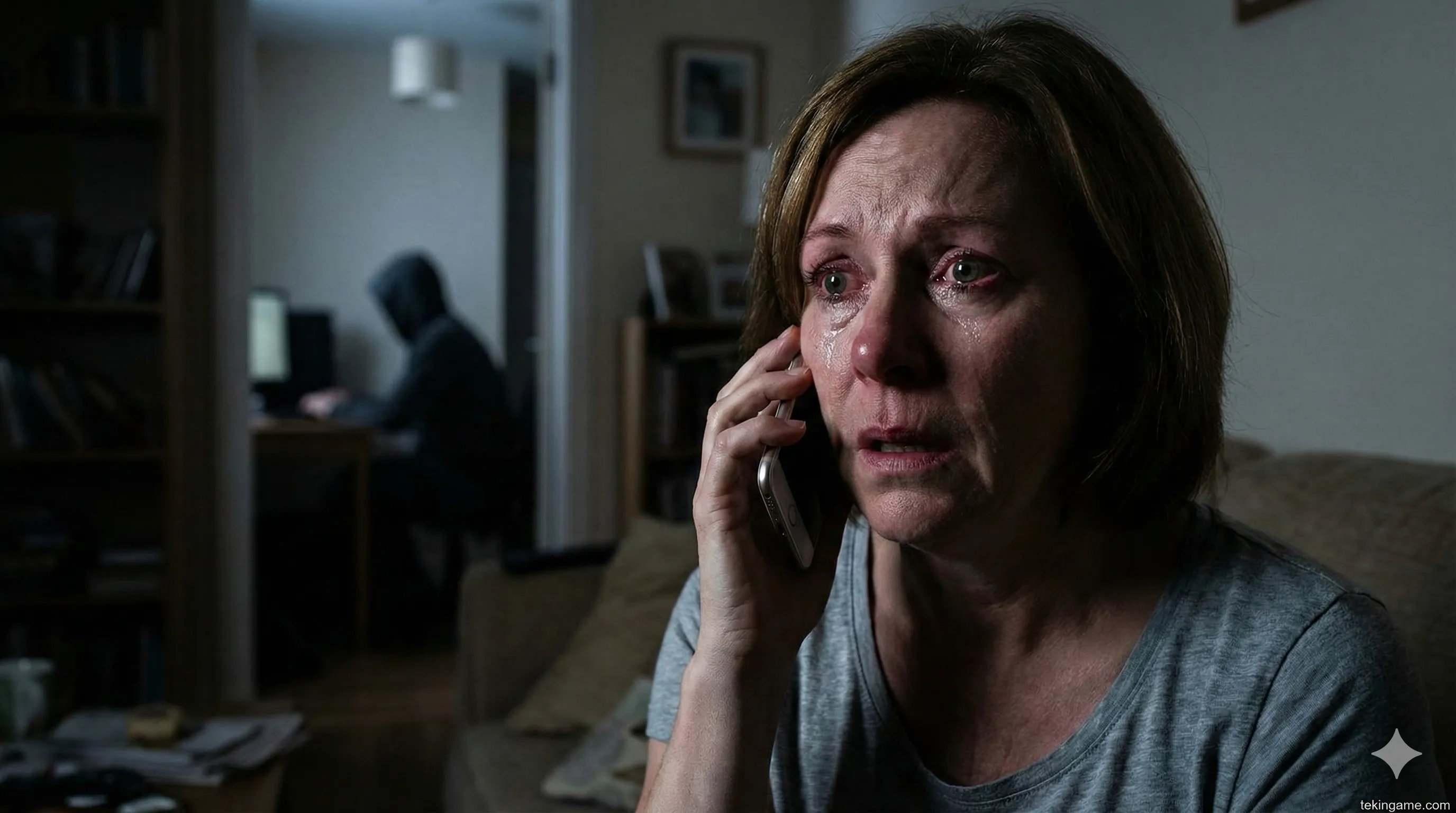
Imagine the nightmare scenario. You hear your child crying on the phone. What do you do?
Step 1: Stay Calm (The Hardest Part). Take a deep breath. The hacker is banking on your panic.
Step 2: Demand the Code. Firmly ask: "What is the Safe Word?" Current AI cannot respond to complex, logic-gated queries in real-time effectively yet.
Step 3: Hang Up and Call Back. Disconnect immediately and call the person's real number yourself. In 99% of cases, the line will be busy, or they will answer calmly, safe and sound.
Step 4: Trick Questions. If you don't have a safe word, ask a question only they would know, but make it misleading. E.g., "Did you feed the dog?" (when you don't own a dog). The AI might say "Yes."
6. Tech vs. Tech: Phone Settings in 2026 to Block Spam
[cite_start]Fortunately, tech giants are fighting back against the threats identified in the 2026 security reports[cite: 5].
In iOS 19 and Android 16, ensure the "Silence Unknown Callers" feature is enabled for your parents. This sends unverified numbers straight to voicemail.
Additionally, Samsung's new flagship devices often include "AI Spam Detection" features. As we approach CES 2026, keep an eye out for updates that flag synthetic voices in real-time with a red warning on the screen.
7. The Psychology of Fear: How Hackers Bypass Your Logic
Hackers are skilled psychologists. They craft scenarios that trigger the "Reptilian Brain" (responsible for survival instincts).
Common 2026 Scenarios:
- Car Accident: Urgent need for surgery money.
- Police Arrest: Urgent need for bail money.
- Virtual Kidnapping: Screaming voices and demands for cash or crypto.
8. Conclusion: Distrust is the New Trust
In 2026, "Hearing" is no longer "Believing." Technology has reached a point where reality can be distorted.
Tonight, at the dinner table, or right now via a phone call, speak to your family and establish your Safe Word. This 5-minute conversation could save your life savings or prevent a heart attack for your loved ones tomorrow.
Remember: In the age of AI, paranoia is not a sickness; it’s a survival skill.