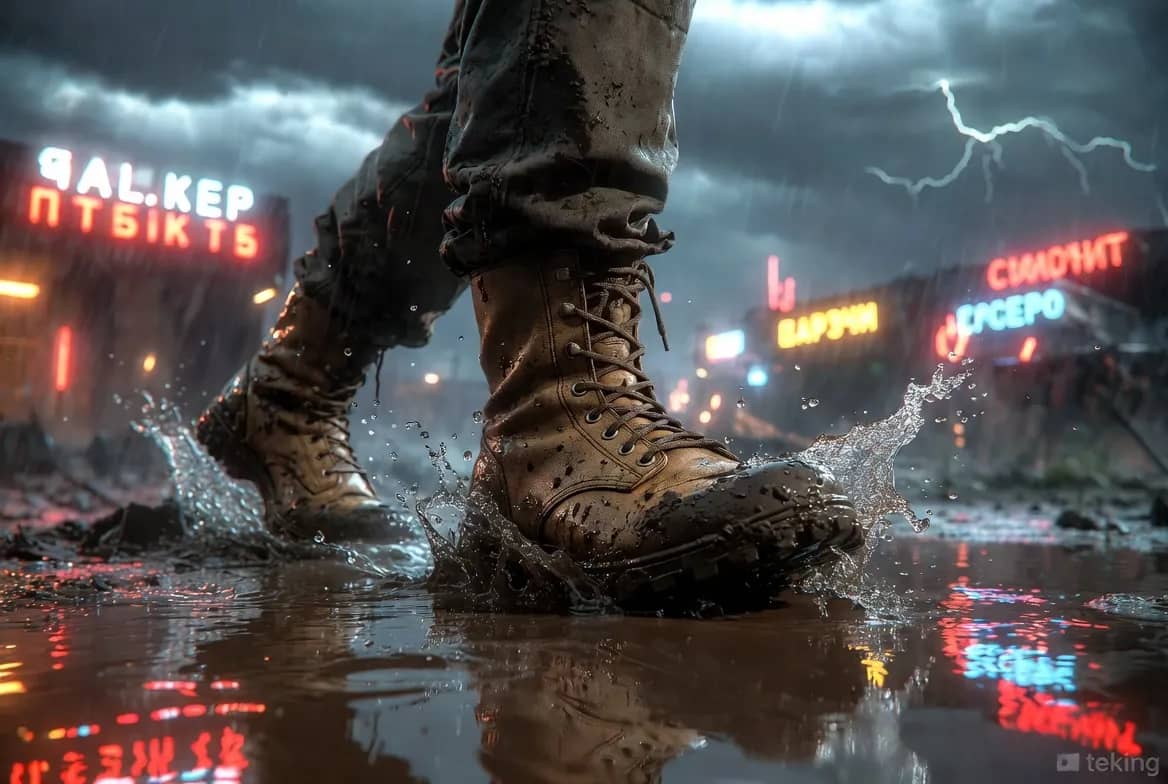
1. Introduction: A Miracle 15 Years in the Making
1.1. Surviving for the Sake of Art
Let’s be brutally honest: the mere existence of S.T.A.L.K.E.R. 2: Heart of Chornobyl is a miracle. Ukrainian studio GSC Game World didn't just battle financial woes and cancellations; they developed this game amidst a literal war, bombings, and cyberattacks. When you boot up the game, you feel that pain, grit, and determination in every pixel. This isn't just a commercial product; it is a statement of survival.
1.2. Who is This Game For?
If you are a fan of Call of Duty expecting to slide-cancel, sprint infinitely, and quick-scope enemies, turn back now. S.T.A.L.K.E.R. 2 is slow, methodical, and punishing. It is a blend of Immersive Sim, Survival Horror, and FPS. The game does not hold your hand; it throws you into a radioactive exclusion zone with a rusty AK-74 and says, "Good luck, Stalker."
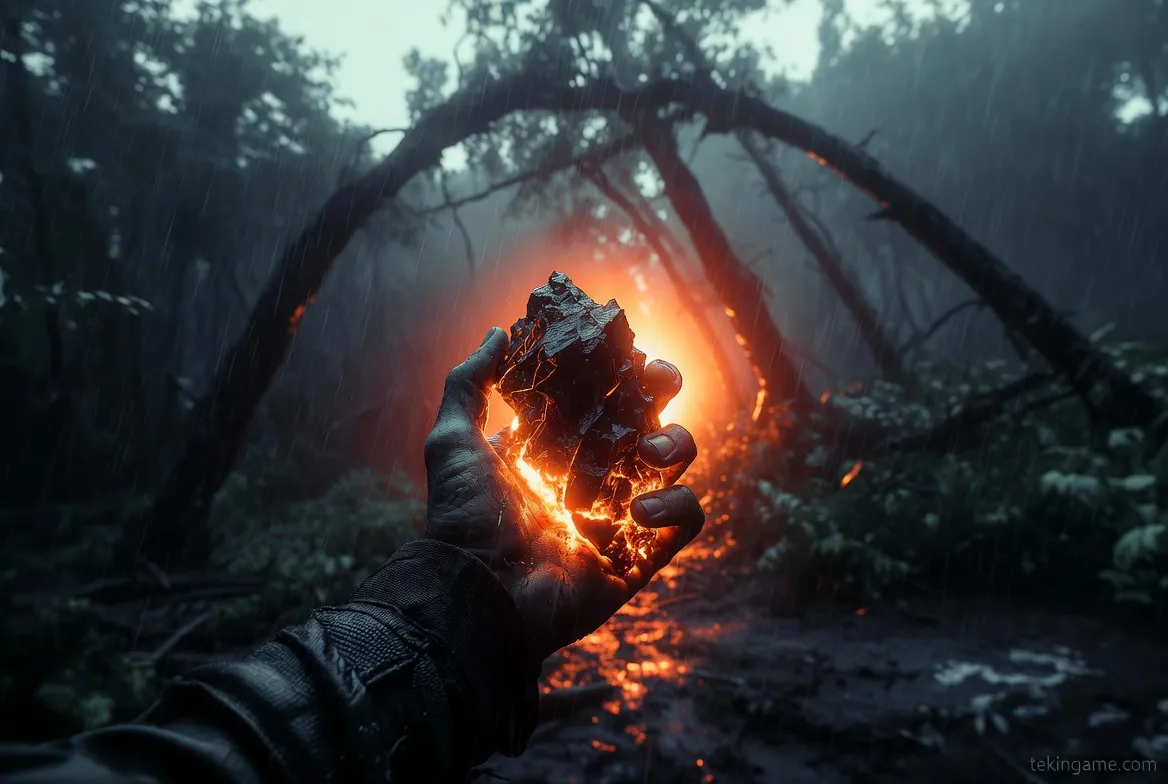
2. The Zone: The Main Character of the Game
2.1. Unreal Engine 5 Glory
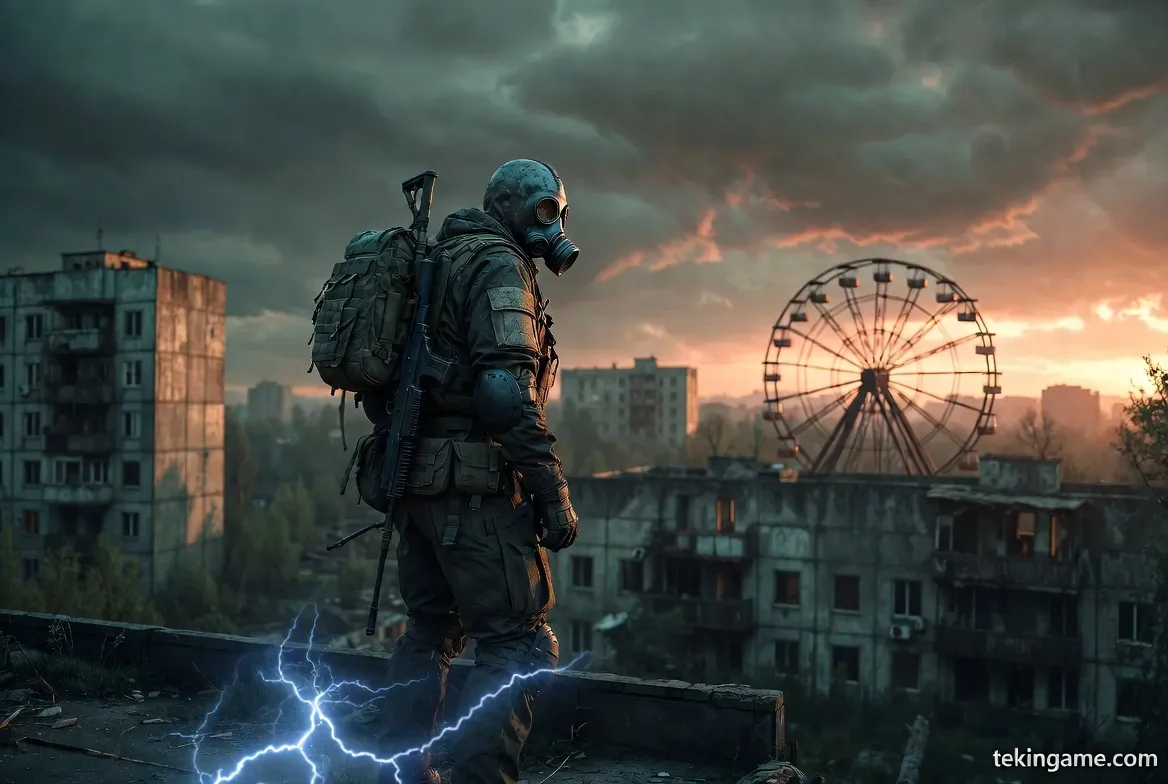
The Chornobyl Exclusion Zone in this game is arguably one of the most detailed environments ever created in video game history. The utilization of Unreal Engine 5's Nanite (virtualized geometry) and Lumen (global illumination) creates a visual fidelity that borders on photorealism.
The dense vegetation reclaiming Soviet ruins, the peeling paint on abandoned Ladas, and the rusting metal of the Duga Radar are rendered with such texture that you can almost smell the rot and ozone. Watching the sunset over the toxic Swamps is a sight that will stay with you forever.
2.2. A Symphony of Horror
The sound design constitutes 50% of the experience. GSC has mastered audio immersion. The distant howl of a mutant, the crunch of glass under your boots, and the terrifying, erratic clicking of your Geiger Counter as you stumble into an invisible radiation pocket inject pure adrenaline into your veins. We strongly recommend playing with a high-fidelity headset (like the ones we reviewed in our previous hardware guide).
3. Gameplay: A Dance of Death with Anomalies
3.1. Gunplay and Ballistics
The gunplay has seen a massive evolution from the original trilogy. Weapons feel heavy, loud, and have distinct recoil patterns. Bullets have physical travel time and drop over distances, making long-range engagements a test of skill.
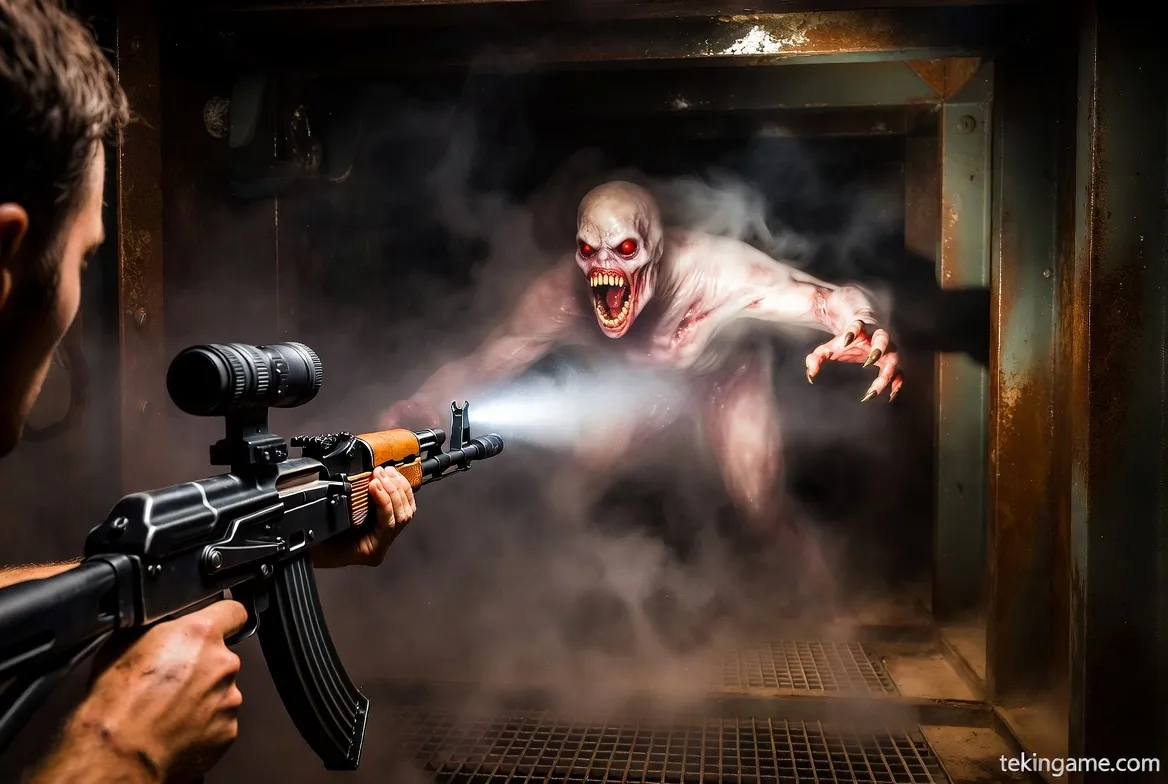
Crucially, the Weapon Jamming mechanic returns. If you don't maintain your gear, your gun will jam right in the face of a charging Bloodsucker. While frustrating on paper, in practice, it forces you to treat your weapon as a partner, not just a tool. The panic of frantically pressing "R" to unjam a rifle while a mutant screams in your face is peak S.T.A.L.K.E.R.
3.2. Artifact Hunting
The core loop involves hunting "Artifacts"—valuable, supernatural objects born within deadly "Anomalies" (physics-defying traps). You must throw Bolts to trigger these traps safely and navigate a path through gravitational crushers and electrical storms. One wrong step, and your body is torn apart. These environmental puzzles remain the heart of the franchise.
4. A-Life 2.0: A Living, Breathing World
4.1. An Independent Ecosystem
The famous "A-Life" system has been upgraded to version 2.0. This simulates life across the entire Zone, not just around the player. While you are exploring the north, a pack of blind dogs might ambush a Bandit camp in the south, wiping them out.
You will often stumble upon unscripted events: two Stalker factions fighting over loot, or a mutant fleeing from an Emission. This dynamism makes you feel small—you are not the center of the universe, just another inhabitant trying not to die.
4.2. The Bugs of A-Life
However, the system is not flawless. The AI oscillates between "Tactical Genius" and "Complete Idiot." Enemies sometimes spot you through thick bushes (the dreaded AI Wallhack) or, conversely, walk straight into a wall and get stuck. Patch 1.0.2 has improved this significantly, but the "Eurojank" charm—where the ambition of the game exceeds its technical polish—is still present.
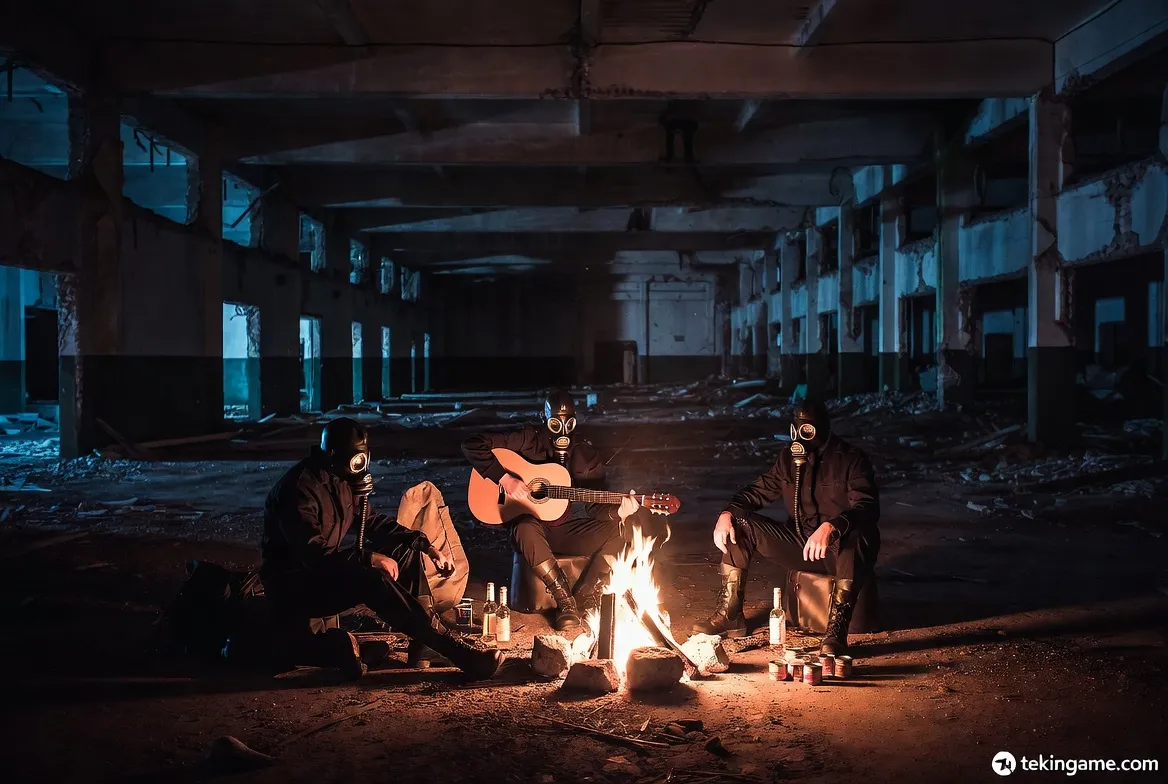
5. Technical Analysis (Post-Patch 1.0.2): The Elephant in the Room
5.1. Performance Report
At launch last week, the game suffered from severe Traversal Stutter (compilation lag).
PC: Patch 1.0.2 has smoothed out the experience. With an RTX 4070 and DLSS set to 'Quality', you can achieve a stable 60 FPS at 1440p. However, minor stutters when entering new map sectors persist. It is a heavy game that demands an SSD.
Xbox Series X: The Performance Mode targets 60 FPS but utilizes aggressive dynamic resolution scaling, sometimes dropping below 1080p to maintain fluidity.
Xbox Series S: This little console was saved by the patch. The game is now locked at a stable 30 FPS. It looks softer, but it no longer crashes every hour.
5.2. Bugs and Glitches
Visual bugs (like corpses clipping into the ground or floating guns) are still common. However, the game-breaking bugs that stopped main quest progression have been largely eradicated by the latest hotfix. It is playable, but expect some roughness.
6. Narrative: Skif and the Crossroads
6.1. You Write the Story
You play as "Skif." The main campaign takes about 60 hours and features four distinct endings. Your choices matter. Deciding whether to help the disciplined "Duty" faction or the anarchist "Freedom" faction has tangible consequences on the world state and the ending you receive.
The Side Quests often outshine the main narrative. These are short, often tragic stories of life in the Zone—a Stalker looking for his lost friend, or a scientist betraying his team for an artifact. The writing is somber, and the voice acting (especially the Ukrainian dub) is stellar.
7. Tekin Plus Verdict
S.T.A.L.K.E.R. 2: Heart of Chornobyl is not for everyone. It demands patience, resilience, and a tolerance for difficulty. If you can look past the technical hiccups and the brutal learning curve, it offers one of the most atmospheric and immersive open-world experiences of the decade.
The Zone swallows you whole, chews you up, and spits you out—and you will thank it and ask for more. That is the magic of S.T.A.L.K.E.R.
Score Breakdown:
- Graphics & Atmosphere: 10/10 (Artistic Masterpiece)
- Gameplay & Gunplay: 9/10 (Hardcore & Satisfying)
- Narrative: 8.5/10
- Technical & Polish: 7/10 (Needs more patches)
Tekin Plus Final Score: 8.8/10 (Excellent)
Award: "Best Atmosphere of 2025"