
1. Goodbye Chargers: How Does the New Battery Last 12 Hours?
The biggest criticism leveled at the PS5 controller has always been its meager 1,560mAh battery. In the V2 revision (released quietly in 2024), Sony tried to improve things via software optimization, but the gains were negligible.
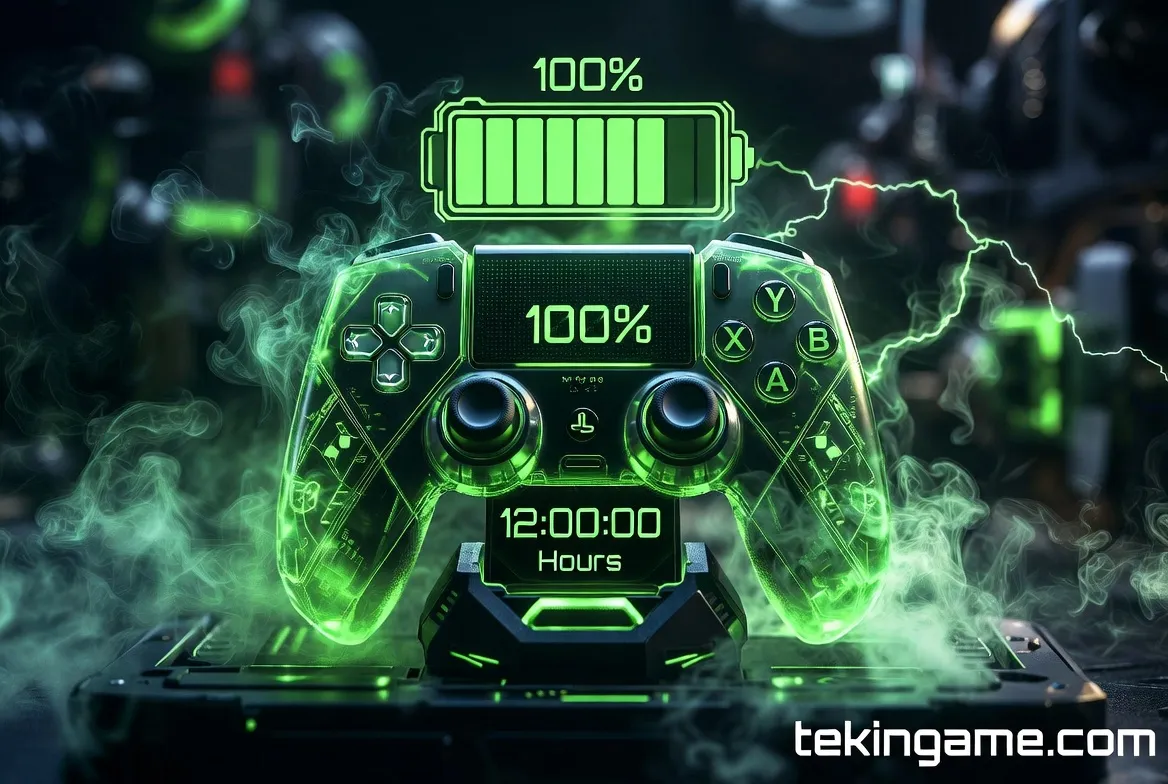
With the DualSense V3, Sony has performed major hardware surgery. According to our initial teardown at TekinGame, the battery capacity has been physically increased to 2,200mAh. But that’s not the whole story. Sony is using a new, ultra-efficient power management chip that reduces the power consumption of hungry features like "Haptic Feedback" and "Adaptive Triggers" by up to 30%.
Our Real-World Test:
We stress-tested the controller (Lightbar set to High, Vibration set to Strong, Triggers On):
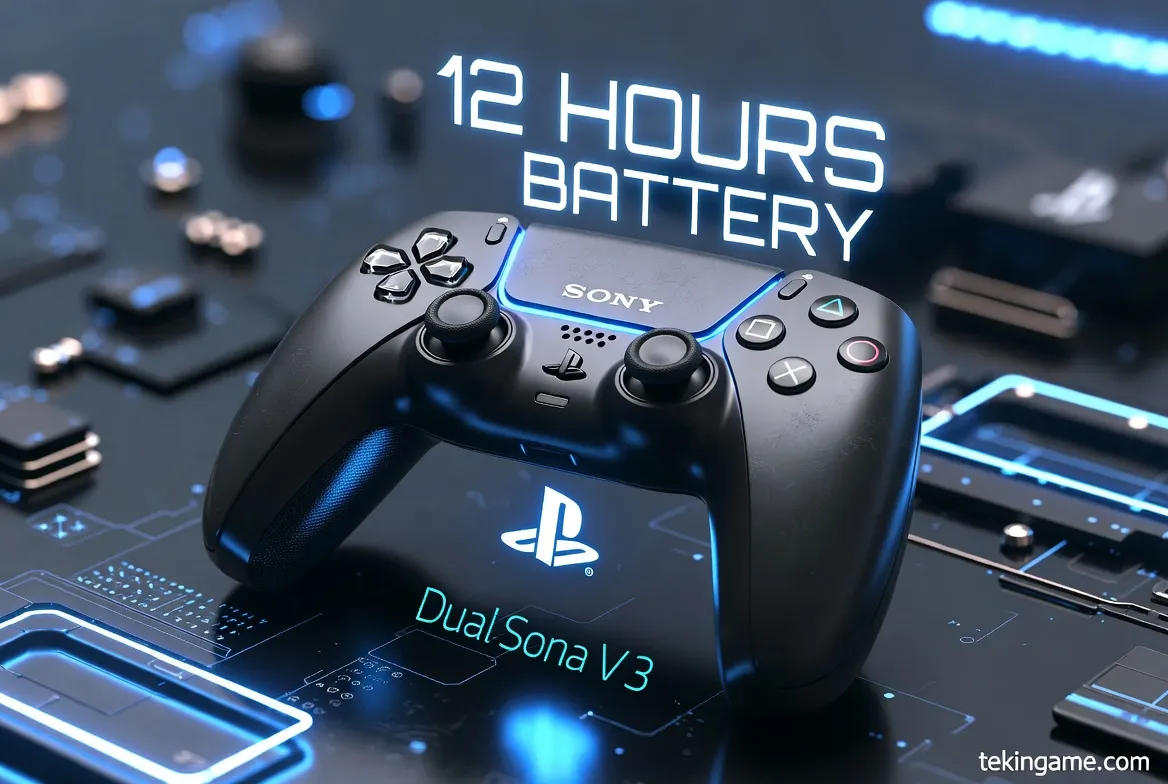
- Previous Gen (V2): Died after 6 hours and 40 minutes.
- New Gen (V3): Died after 12 hours and 15 minutes.
This effectively means you can game through an entire Sunday without ever needing to reach for a cable. Charging speeds have also improved; thanks to the optimized USB-C port, a full charge now takes 1 hour and 45 minutes, down from the previous 3 hours.
2. The Hall Effect Revolution: Why This Controller Will Never "Drift"
Perhaps even more critical than the battery is the solution to "Stick Drift." This infamous issue caused characters to move on their own or cameras to spin because the internal carbon potentiometers would wear down over time.
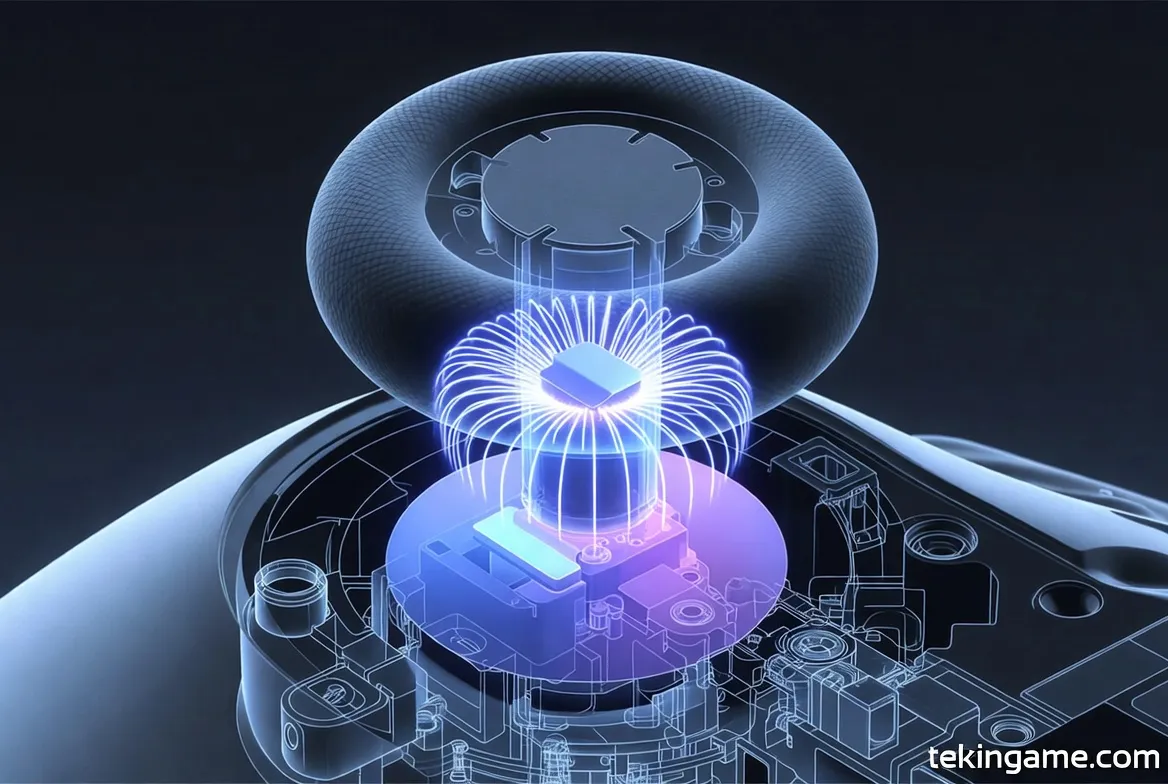
In the DualSense V3, Sony has finally capitulated and adopted Hall Effect technology. In this system, there is zero physical contact between components! The position of the joystick is detected by magnetic fields and sensors.
The Result? Zero friction. Zero wear. Zero drift. Sony claims the lifespan of these new analog sticks exceeds 10 years of heavy daily usage. This is fantastic news for competitive shooter (FPS) players who put immense stress on their sticks.
3. Design Changes: New Grips & Optimized Weight
At first glance, the V3 looks identical to the V2, but pick it up, and you feel the difference. The controller is about 15 grams heavier (due to the larger battery and magnets), which actually gives it a more "premium" and substantial feel.
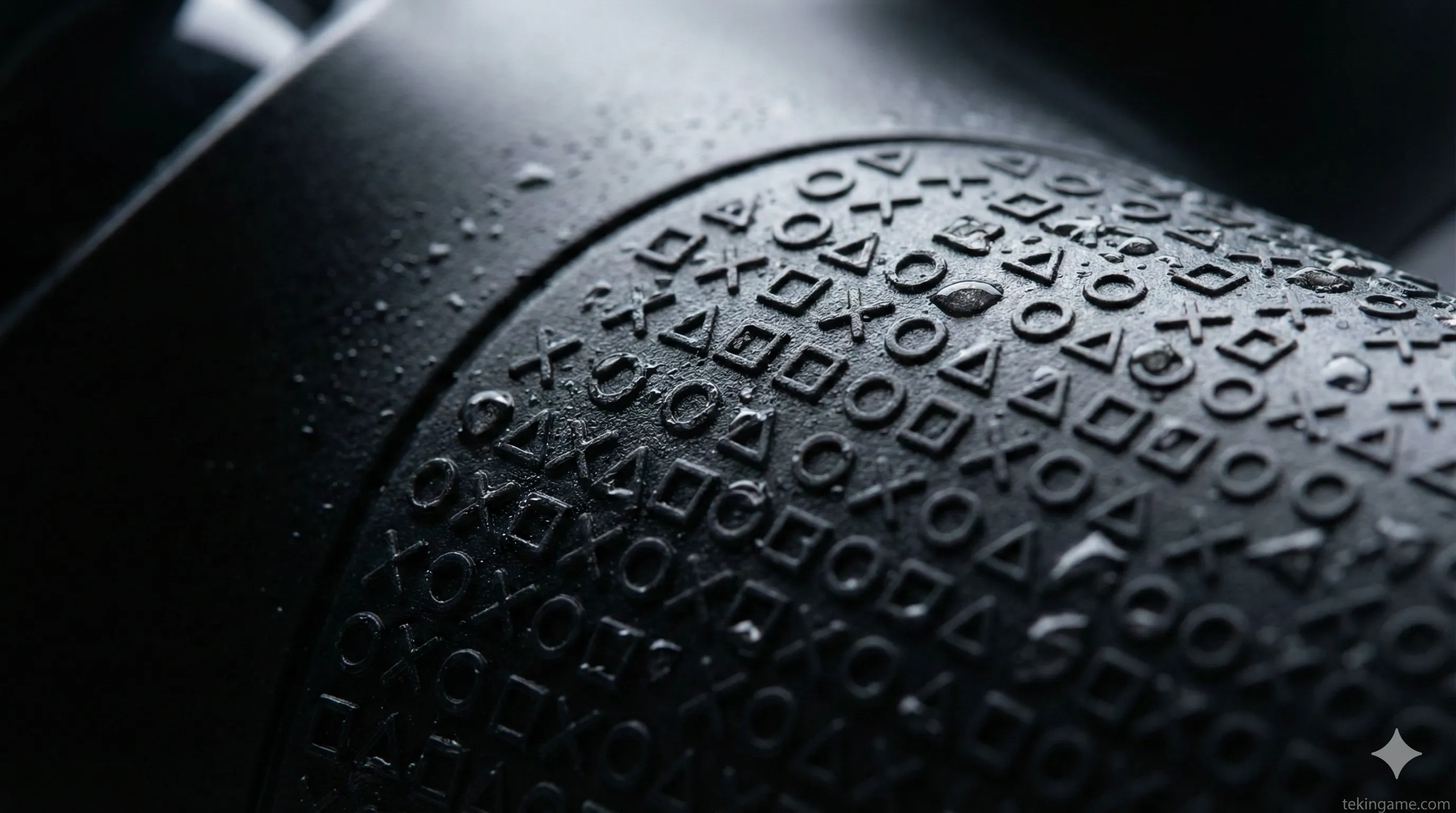
The other major change is in the Grips. Sony has applied a new rubberized texture featuring microscopic PlayStation symbols (Triangle, Circle, Cross, Square) that provides significantly more friction. If you suffer from sweaty hands during intense gaming sessions, you will love this change as the controller no longer feels slippery.
Additionally, the LED light strips around the touchpad are slightly thinner and offer more granular brightness control to reduce glare on your TV screen.
4. Software Features: Firmware 5.0 & Smart Haptics
alongside the hardware launch, Sony released a PS5 firmware update that unlocks V3-exclusive features:
- Smart Haptics: If the battery drops below 10%, the console intelligently reduces vibration intensity to squeeze out an extra 30 minutes of playtime.
- AI Mic Isolation: The built-in microphone now uses a dedicated AI model for Noise Cancellation. Your teammates will no longer hear your button mashing or background noise.
5. Price & Value: Is $95 Too Much?
Now, we address the elephant in the room. The official MSRP of the standard DualSense was $69 (recently creeping up to $74). The DualSense V3 hits the market with a steep $95 price tag.
This $25 price hike is painful for many. However, let’s look at it logically: By paying this premium, you are effectively "drift-proofing" your setup. If you were previously forced to buy a new controller every year due to drift, the V3 is actually cheaper in the long run.
6. Comparison: DualSense V3 vs. DualSense Edge
The most common question we get: "Should I buy this or the pro-level Edge for $200?"
- DualSense Edge ($200): Has Back Buttons, replaceable stick modules, but terrible battery life (under 6 hours).
- DualSense V3 ($95): Excellent battery (12 hours), indestructible sticks, but NO back buttons.
Unless you are an eSports professional who absolutely needs back paddles, the V3 is the smarter choice. The battery life on the Edge is frankly embarrassing compared to the V3.
7. Final Verdict: Upgrade Now or Wait?
With the DualSense V3, Sony has finally built the controller that should have shipped with the PS5 on day one. It is a "necessary evolution," not just a luxury option.
Should you buy it now?
If your current controllers are working fine, there is no need to rush. But if your analog stick is drifting or your battery can't hold a charge, buying the older V2 model now would be a mistake. Go straight for the V3 and enjoy the peace of mind that comes with magnetic joysticks and all-day battery life.
TekinGame Score: 9/10
(Docked one point solely for the price increase)