
1. Introduction: From StackOverflow to Autopilot
For decades, programming was about memorizing syntax and searching Google for error codes. Today, that era is officially over. The introduction of LLMs has fundamentally changed the nature of software development. We are no longer writing code; we are prompting logic.
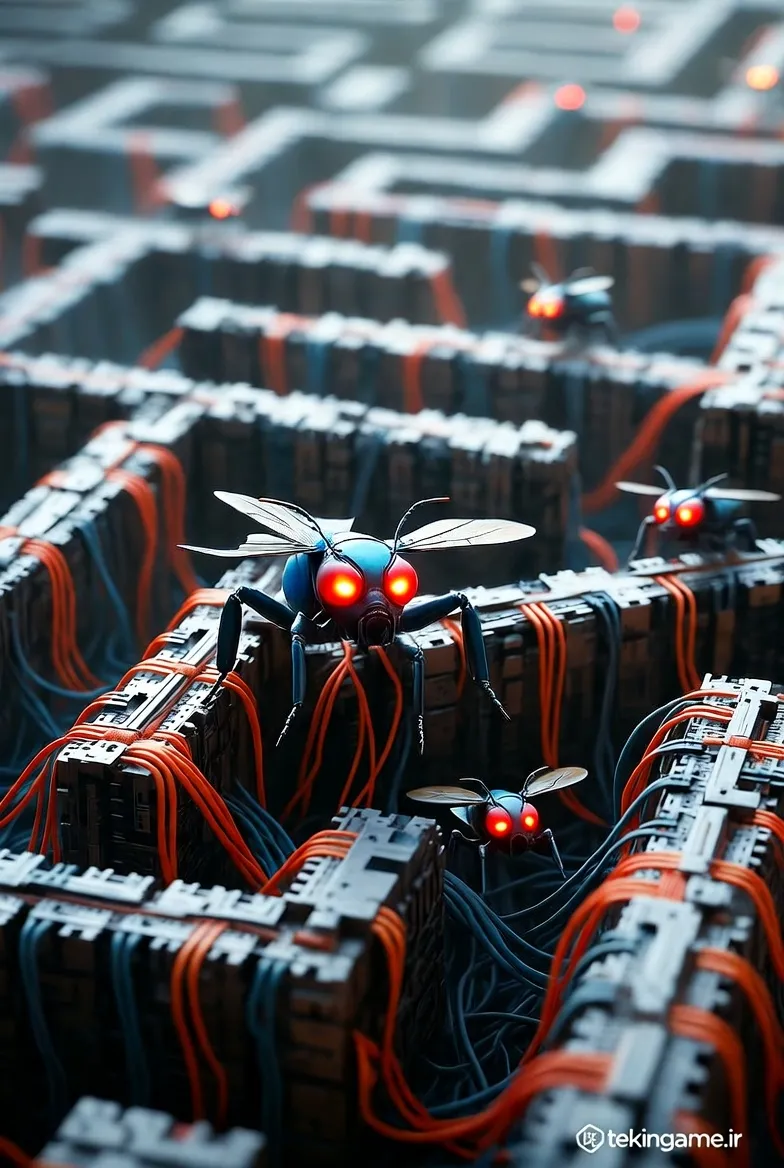
At Tekin Plus, we analyze data showing that while the demand for "pure coders" is dropping, the demand for "Problem Solvers" is skyrocketing. The AI writes the boilerplate; humans must provide the vision.
2. Beyond ChatGPT: The New Toolset of 2025
2.1. Cursor AI: The King of Context
ChatGPT is great, but it doesn't know your file structure. Enter Cursor. This fork of VS Code has taken the industry by storm because it understands your entire codebase. It doesn't just suggest a line; it refactors entire files based on the context of other files. It’s not just a chatbot; it’s a pair programmer that has read every line of your project.
2.2. Devin & Autonomous Agents
The concept of "Autonomous Software Engineers" like Devin is terrifyingly impressive. You give it a GitHub issue, and it browses the documentation, writes the code, runs the tests, fixes its own errors, and pushes the commit. This isn't assistance; this is automation.
3. The Paradigm Shift: Architect vs. Bricklayer
The value of a developer is no longer defined by how fast they type Python or C++. It is defined by their ability to design scalable systems. AI is the "Bricklayer"—it lays the bricks perfectly and tirelessly. But the human must be the "Architect"—deciding where the walls go, ensuring the foundation is solid, and guaranteeing the building doesn't collapse under load.

4. The Dark Side: Security & Hallucinations
4.1. The Security Trap
AI creates code that looks correct but may be insecure. "Package Hallucination" is a rising threat where AI suggests importing a library that doesn't exist, and hackers create malicious packages with that exact name to steal data. Trusting AI blindly is a security nightmare.
4.2. Technical Debt
It's easy to generate 10,000 lines of code in an hour. But who reads it? Who maintains it? AI-generated code can quickly become a tangled mess of "Technical Debt" if not reviewed by a senior engineer. The challenge of 2025 isn't creating software; it's maintaining the monster we created.
5. Tekin Plus Verdict
Programming isn't dying; it's evolving. The developers who will survive are those who treat AI as an exoskeleton, not a crutch. Learn to review code, learn system architecture, and most importantly, learn to communicate with the machines.