
1. Introduction: The Age of Silicon Workers
The dream of creating a machine in our own image is as old as civilization itself. But until recently, humanoid robots were clumsy, expensive toys that fell over if you looked at them wrong. Fast forward to late 2025, and the landscape has shifted dramatically.
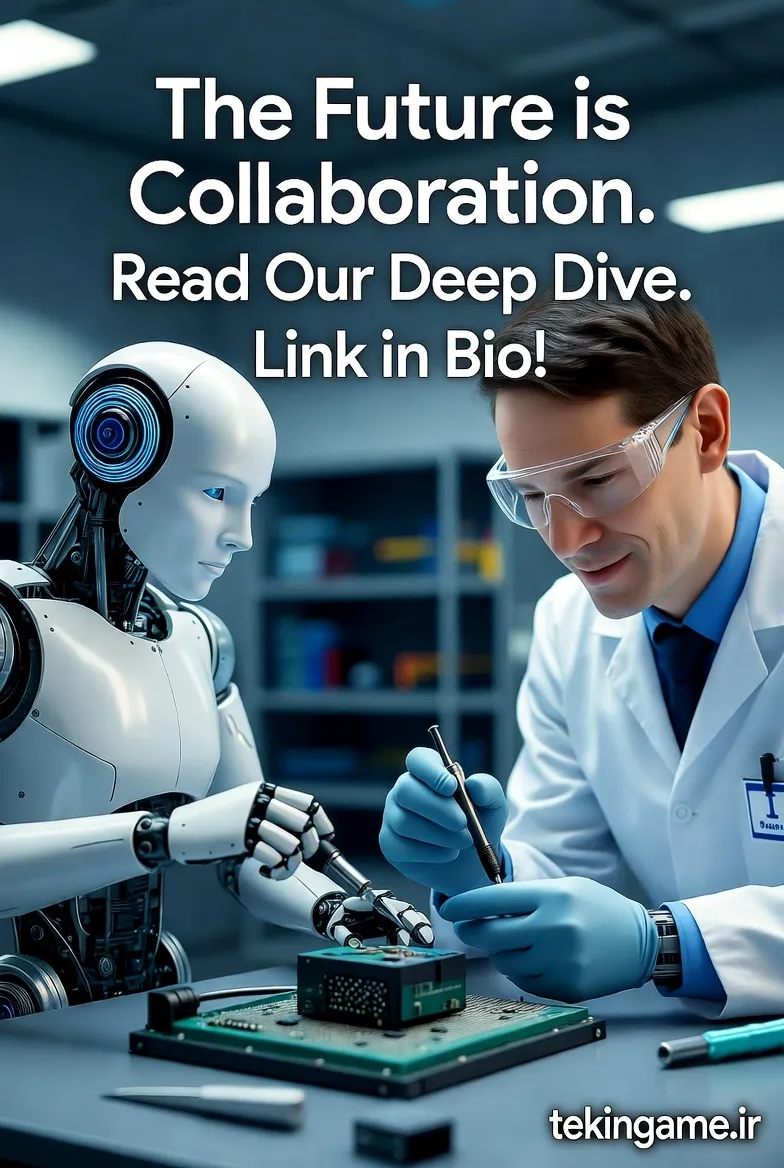
At Tekin Plus, we analyze not just the hardware, but the societal shift. We are no longer asking "If" robots will enter our workforce, but "When" and "How." The convergence of advanced battery technology, lightweight actuators, and Generative AI has created the perfect storm for the Humanoid Revolution.
2. The Big Players: Who is Winning the Race?
2.1. Tesla Optimus: The iPhone of Robots?
Elon Musk promised a robot that costs less than a car, and he is delivering. Optimus Gen 3 is currently deployed in Gigafactories, sorting battery cells and performing repetitive tasks. Tesla's advantage isn't just hardware; it's data. They are training Optimus using the same Full Self-Driving (FSD) neural networks used in their cars. It learns from video, not just code.
2.2. Boston Dynamics' New Electric Atlas
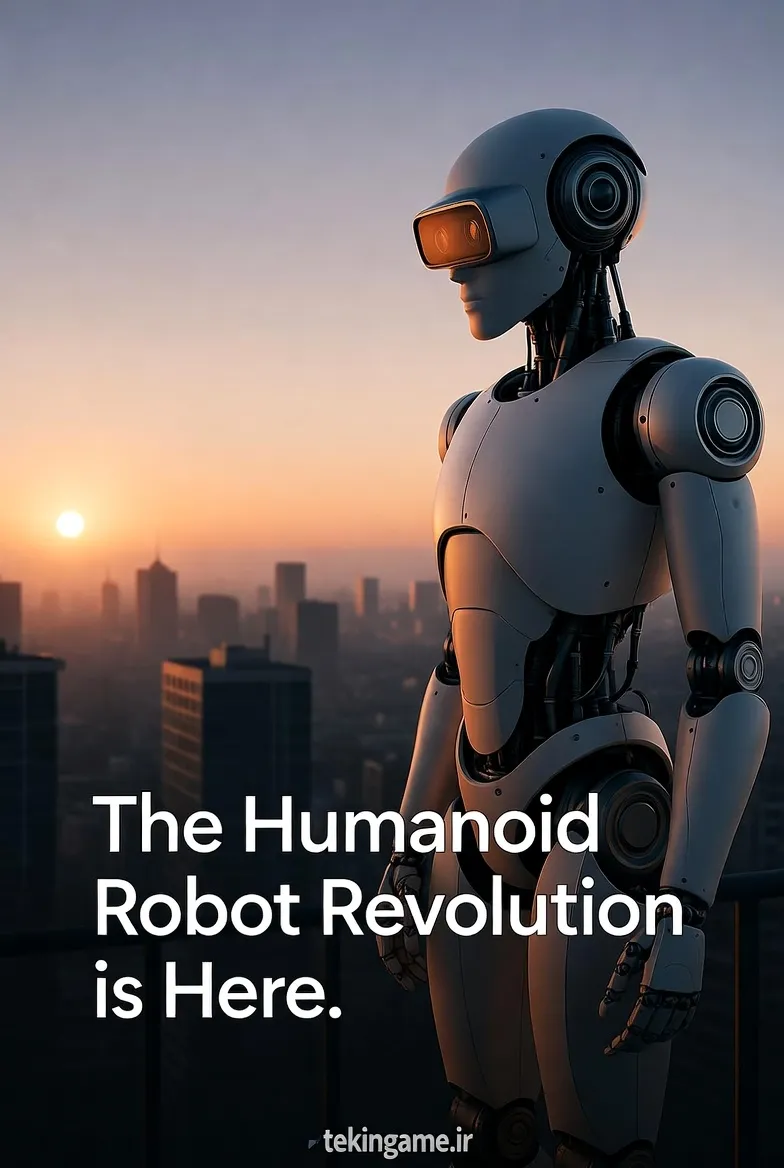
For years, Atlas was the king of parkour, but its hydraulic system was loud and leaky. The new Electric Atlas released in 2025 is silent, stronger, and has a range of motion that exceeds human capability (360-degree joints). It’s not designed to mimic humans; it’s designed to be better than humans at physical tasks.
2.3. Figure AI: The Brains
While Tesla focuses on manufacturing, Figure AI (backed by OpenAI) focuses on interaction. Their robot, Figure 02, can have a full conversation with you while making coffee. By integrating GPT-4o, it understands context, nuances, and even sarcasm. It doesn't just hear commands; it understands intent.
3. The Brain: How LLMs Gave Robots "Common Sense"
The biggest breakthrough wasn't mechanical hands; it was the "Brain." Previous robots needed strict coding for every movement: "Move arm 10cm right." Modern robots use Vision-Language-Action (VLA) models. You can tell them: "That apple looks rotten, throw it away." The robot understands what an apple is, what "rotten" looks like, where the trash can is, and how to pick it up—all without specific programming.
4. Economic Impact: The Labor Crisis Solution?
4.1. Filling the Gap
Developed nations are facing a demographic collapse. There aren't enough young people to work in factories or warehouses. Humanoids are pitched as the solution. They don't need sleep, they don't get injured, and they don't unionize.
4.2. The Cost Factor
If a humanoid robot costs $20,000 (Tesla's target) and lasts 5 years working 16 hours a day, the hourly cost drops to under $2. No human labor can compete with that math. This signals a massive shift in global economics, potentially lowering the cost of goods significantly.
5. Ethical & Social Challenges
5.1. Job Displacement
This is the elephant in the room. Will robots steal jobs? The optimistic view is that they will take "dangerous, repetitive, and boring" jobs. The pessimistic view is that they will displace millions of blue-collar workers before new jobs are created. Governments will likely need to discuss "Robot Taxes" or Universal Basic Income (UBI) sooner than expected.
6. Tekin Plus Verdict: Co-existence or Replacement?
The humanoid revolution is unstoppable. In the next 5 years, seeing a robot walk down the street or stack shelves in a supermarket will become as normal as seeing a smartphone. The challenge for humanity isn't building them anymore; it's integrating them into our society without losing our own purpose.