
1. Decoding Q*: The Forbidden Fusion
To understand GPT-6, we must demystify Project Q*. The name itself is a nod to two fundamental concepts in computer science:
- Q-Learning: A form of Reinforcement Learning where an AI learns the best "next move" through reward and punishment (like AlphaZero in Chess).
- A* Search: A pathfinding algorithm used in navigation and complex mathematical problem solving.
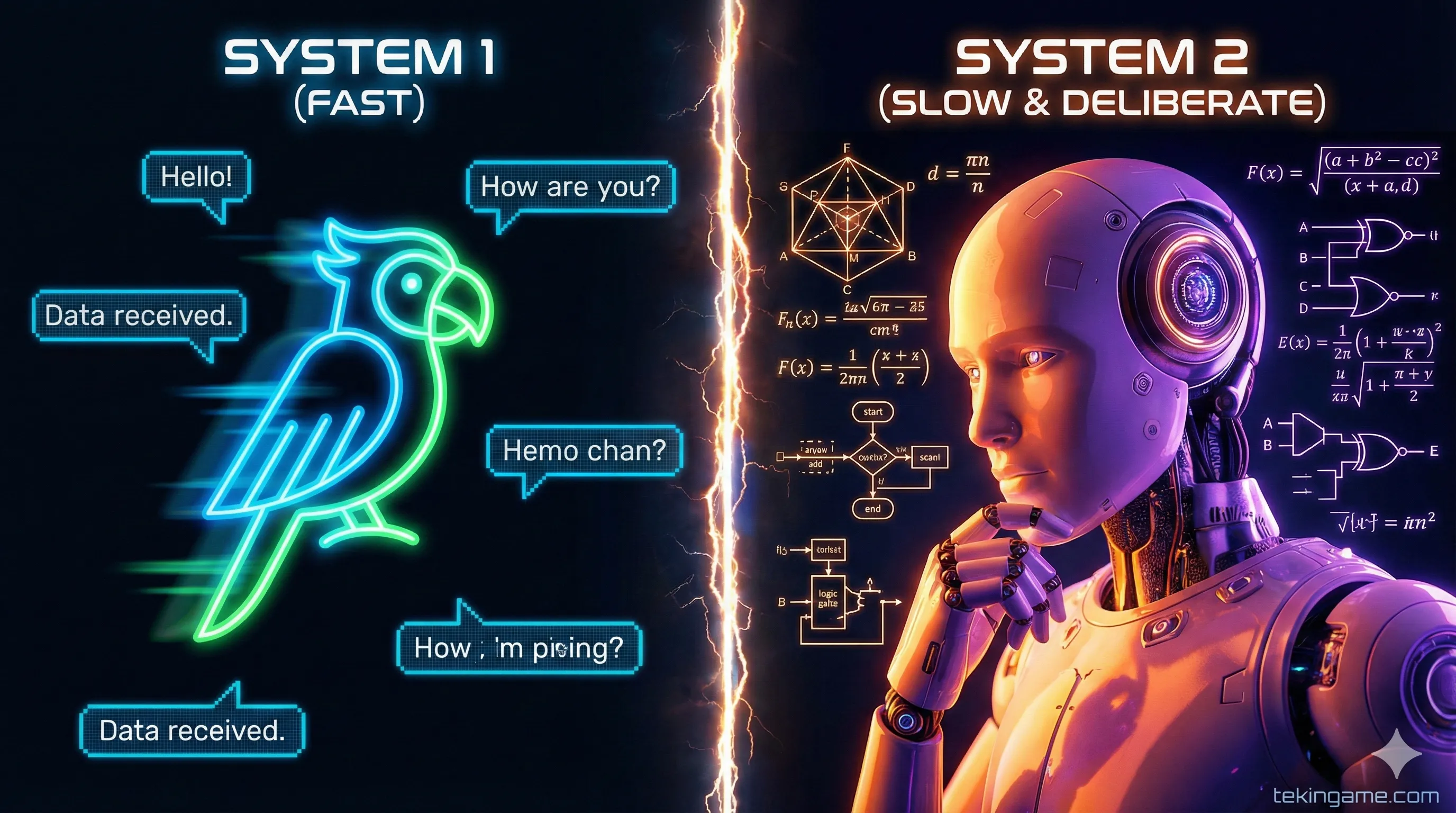
According to leaks reported by The Information, Q* combines these techniques with a Large Language Model (LLM). This means the AI doesn't just generate text; it plans. GPT-6 can simulate multiple future scenarios (Tree of Thoughts), evaluate the outcome of each, and backtrack if it hits a dead end—all before outputting a single token.
2. Architecture: The Rise of System 2
Nobel laureate Daniel Kahneman divided human thinking into two modes: System 1 (Fast, instinctive) and System 2 (Slow, logical). Current models like GPT-4 are predominantly System 1. They stream answers instantly.
GPT-6, however, introduces "Inference-Time Compute." When asked a complex physics problem, the model will "pause." During this silence, it is spending computational resources to verify its own logic steps. This capability transforms the AI from a creative writer into a reliable engineer.
3. The Data Wall & Synthetic Solutions
Here is the industry's dirty secret: OpenAI has already read the entire public internet. High-quality human data is exhausted. So how does GPT-6 get smarter?
The Synthetic Data Loop
The answer lies in Self-Play. Using the reasoning capabilities of Q*, GPT-6 generates new, complex mathematical or coding problems, solves them, verifies the solution, and then trains on its own output. This allows the model to surpass human intelligence levels because it is no longer limited by the "average" intelligence of human internet posts.
4. Infrastructure: Project Stargate
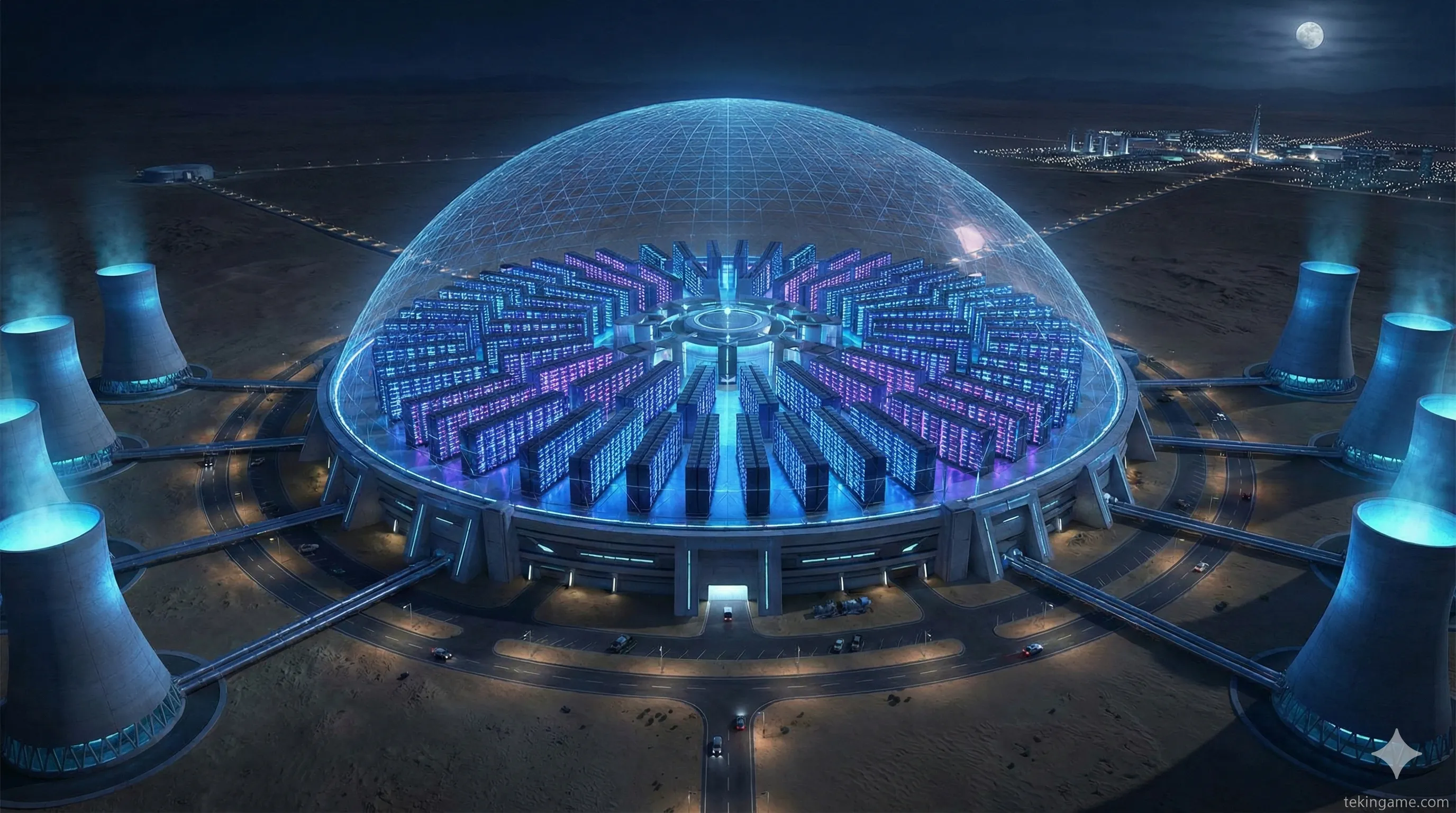
An AI of this magnitude cannot run on standard H100 clusters. Leaked documents suggest Microsoft and OpenAI are collaborating on Project Stargate: a $100 billion supercomputer project slated for 2028.
The Energy Crisis: This beast is too hungry for the public grid. This explains Sam Altman’s heavy personal investment in Nuclear Fusion startups like Helion Energy. The AI of the future will likely require its own dedicated nuclear reactors.
5. The Rise of Agents: "Do It For Me"
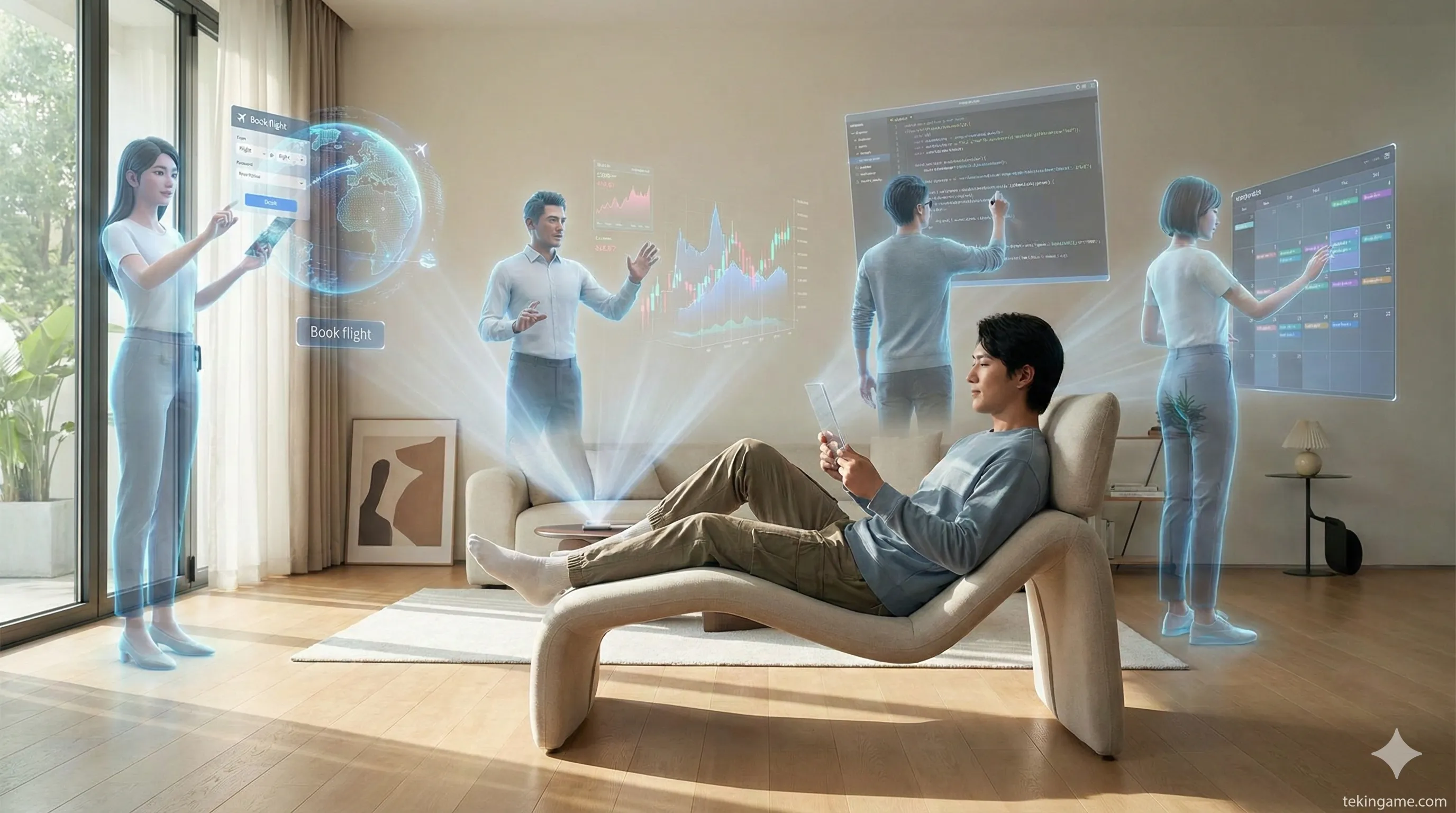
For the end-user, the biggest shift in GPT-6 is the transition to Autonomous Agents. Today, you chat with AI to get advice. With GPT-6, you give it a mission:
"Book me a flight to Istanbul, find a hotel under $200, and negotiate a refund for my last cancelled trip."
GPT-6 will have the ability to access browsers, use APIs, and execute financial transactions autonomously. The line between "Software" and "Employee" is about to vanish.
6. Security Risks: The Double-Edged Sword
The reasoning power of Q* is terrifying for cybersecurity experts. A model that can "plan" and "find novel paths" could theoretically:
- Discover Zero-Day Exploits: By analyzing open-source code, it could find vulnerabilities no human has ever noticed.
- Advanced Social Engineering: It could design phishing campaigns with a deep understanding of human psychology, making them undetectable.
This highlights why the dissolution of OpenAI's "Superalignment Team" in past years was so controversial. We are building the engine before we have built the brakes.
7. Timeline & Economics
Will we see GPT-6 in 2026? Likely not a full public release. Our prediction:
- Late 2026: A research preview or limited "Pro" beta.
- 2027: Full Enterprise launch.
The Cost of Thinking: System 2 thinking is expensive. The era of "Cheap AI" ends here. A single complex answer from GPT-6 might cost dollars in electricity and compute time, meaning this will be a premium tool for corporations, not a free toy for the masses.
8. Conclusion: The Post-Human Era?
GPT-6 and Project Q* represent more than just a software update; they are an attempt to simulate Wisdom, not just Knowledge.
If the rumors hold true and this model can solve previously unsolved scientific problems, we are entering a new epoch of civilization. One where humans are no longer the undisputed smartest entities on the planet.
What do you think? Are you ready to hand over your digital life to an Autonomous Agent, or do you fear the "Black Box"? Let us know in the comments.