
1. Introduction: The Dream of Unlimited Freedom
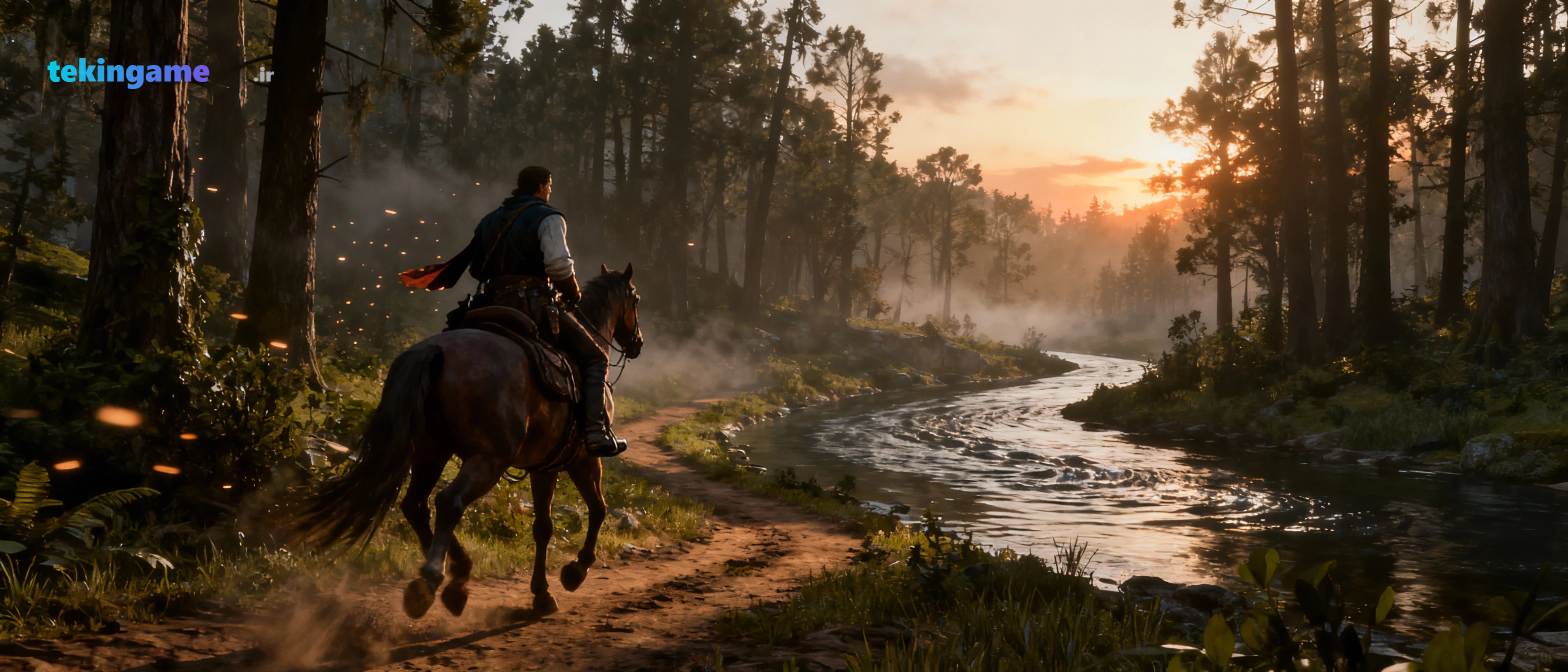
There was a time when video games were just corridors. You walked from point A to point B, shot the bad guys, and that was it. But humans always crave freedom. Today, we look at the fascinating evolution of the "Open World" genre, a genre that promised us we could "go anywhere and do anything."
2. The 8-Bit Era: The Legend of Zelda
It all started with a gold cartridge. In 1986, Nintendo released The Legend of Zelda. For the first time, the game didn't tell you where to go. You were dropped into Hyrule with a sword and zero instructions. This sense of "discovery" was the spark that ignited the open-world fire.
3. The 3D Revolution: How GTA III Changed Everything
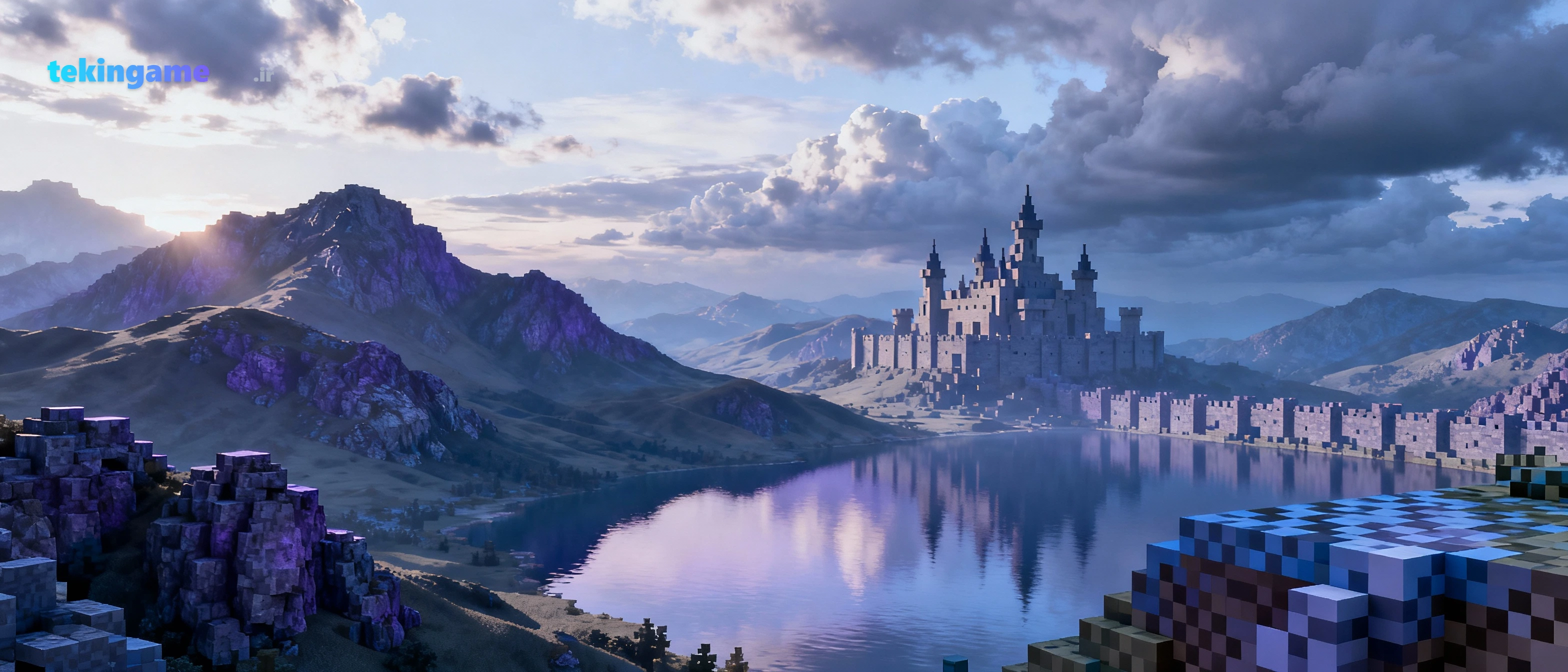
Fast forward to 2001. Rockstar Games did the impossible. They took the top-down chaos of GTA and put it into a fully 3D city. Liberty City felt alive. Pedestrians walked, cars stopped at lights, and you could ignore the mission to just drive a taxi. GTA III proved that a game world could be a character itself.
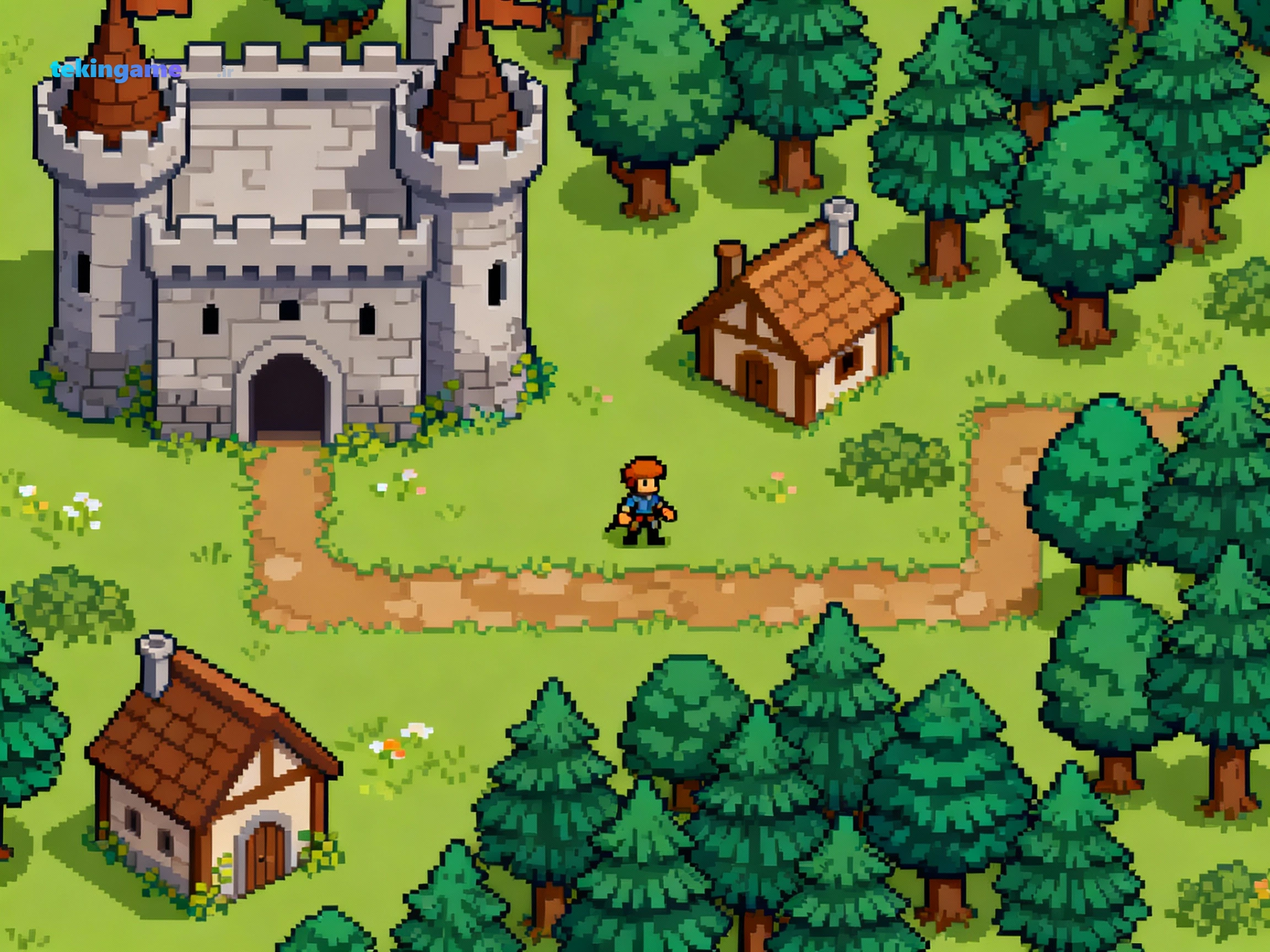
4. The Golden Age of Fantasy
Then came the era of scale. The Elder Scrolls V: Skyrim (2011) showed us we could climb mountains. Later, The Witcher 3 combined massive scale with deep, meaningful storytelling, proving that a big map doesn't have to be empty.
5. The Modern Standard: Elden Ring
Today, games like Elden Ring have removed the "checklist" style of open worlds (no more map markers everywhere). They returned to the philosophy of the original Zelda: "Trust the player's curiosity." This is the peak of open-world design so far.
6. Conclusion
From pixels to photorealism, the goal has remained the same: Immersion. As we look toward GTA VI and beyond, the future isn't just about bigger maps, but deeper interactions.