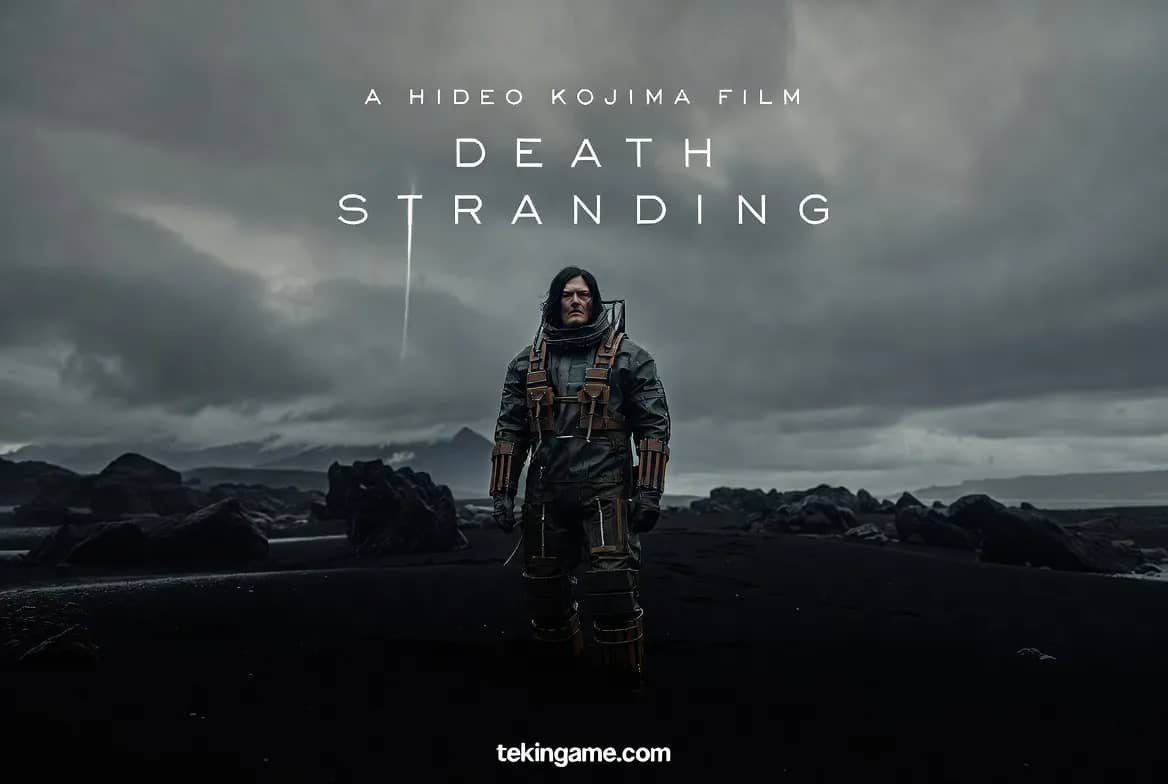
1. Introduction: When "The Master" Finally Finds His Home
In the turbulent history of video game adaptations, we generally see two categories of films. The first category consists of expensive, soulless action flicks that strip away the source material's identity (think Borderlands or the Uncharted movie). The second category contains the rare gems that understand the soul of the game (like HBO's The Last of Us).
When rumors first circulated that Hideo Kojima, the visionary creator behind the Metal Gear saga, wanted to make a Death Stranding movie, the gaming world held its collective breath. We were terrified. We feared a major Hollywood studio would take Kojima's bizarre, philosophical, and slow-paced masterpiece and turn it into a generic sci-fi shooter with explosions every five minutes.
But the moment the A24 logo was attached to the project, the narrative shifted. A24 is the sanctuary of "Auteur Cinema." It is the studio behind Hereditary, Ex Machina, and The Lighthouse. This partnership signals one thing clearly: Kojima is not compromising. He is not here to sell popcorn; he is here to "Strand" (connect) the medium of cinema in his own unique, uncompromising way.
2. Why A24? The Strange but Perfect Marriage
One might ask: Why didn't Sony Pictures—the publisher of the game—take the lead on this? Why go with an indie studio like A24?
2.1. Escaping the Hollow Blockbuster Trap
Kojima has explicitly stated in interviews that he has no interest in making a "big budget blockbuster." He wants to create an Art House film.
Most studios would look at Death Stranding—a game about delivering packages in a post-apocalyptic wasteland—and demand changes. They would ask for more gunfights, more romance, and less weirdness.
A24 is famous for giving its directors total creative freedom. They are not afraid of films that alienate general audiences, as long as they offer a unique artistic vision. For the complex, surreal world of Death Stranding, where babies live in pods and rain ages your skin, A24 is the only logical home.
2.2. The A24 Atmosphere: Dread, Silence, and Meaning
If you look at the A24 filmography, you notice a pattern: heavy atmosphere, cold color palettes, and a slow, deliberate pace.
Imagine this through the lens of a director like Alex Garland or Robert Eggers: Wide, lingering shots of the Icelandic landscapes (which heavily inspired the game). Absolute silence, broken only by the howling wind and the heavy breathing of Sam Porter. Natural lighting that emphasizes the isolation.
This is exactly the feeling we had while playing the game. The "loneliness" was the main character. A typical Hollywood studio would fill that silence with witty banter or background music. A24 will likely let the silence scream.
3. The Great Challenge: How Do You Make "Walking" Cinematic?
The elephant in the room is the gameplay. Let's be honest: 80% of Death Stranding is walking, balancing cargo, and managing stamina. How do you translate a "Walking Simulator" into a compelling 2-hour movie without boring the audience to death?
3.1. Removing Gameplay, Keeping the Struggle
The film must not copy the mechanics; it must translate the emotion of the mechanics.
We expect the film to lean heavily into Physical Acting. The actor playing Sam (hopefully Norman Reedus) must convey exhaustion, the sheer weight of the cargo, and the pain of blistered feet without saying a word.
Think of Leonardo DiCaprio in The Revenant. That movie was essentially a "survival simulator," yet it was gripping because we felt the protagonist's struggle. The director can focus on the critical moments of the journey: slipping down a muddy cliff face, losing vital medicine in a rushing river, or the sheer hopelessness of seeing a mountain range you have to cross.
3.2. Sam Porter Bridges: The Silent Protagonist
Sam is not a classic hero. He is grumpy, isolated, and suffers from Haphephobia (the fear of being touched).
In cinema, the "Silent Protagonist" is a powerful archetype (think Ryan Gosling in Drive). The script needs to lean into this. Sam shouldn't be explaining the plot to the audience; he should be a vessel for the audience's own feelings of isolation. The isolation shouldn't be boring; it should be painful and palpable.
4. Visual Potential: Imagining Kojima’s World in Live-Action
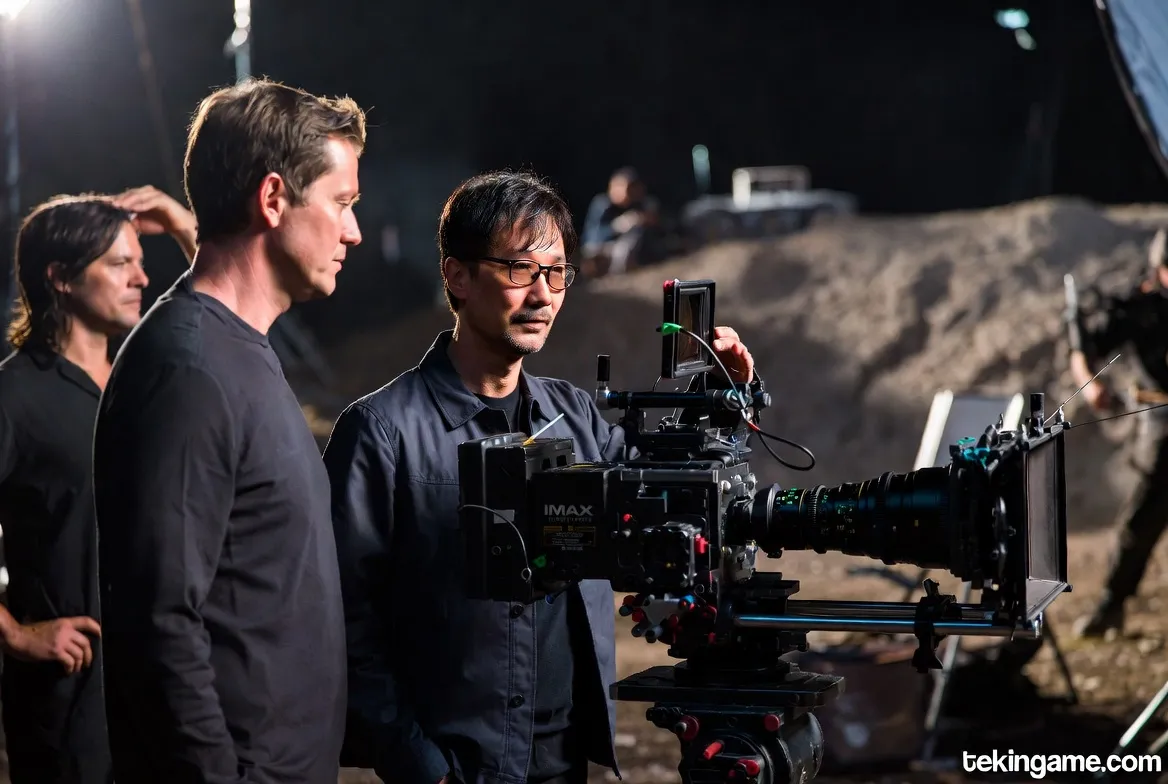
One of the most exciting prospects is seeing Kojima's distinct sci-fi concepts realized with practical effects and high-end CGI.
4.1. The Horror of Timefall
The concept of "Timefall"—rain that rapidly ages anything it touches—has massive potential for body horror.
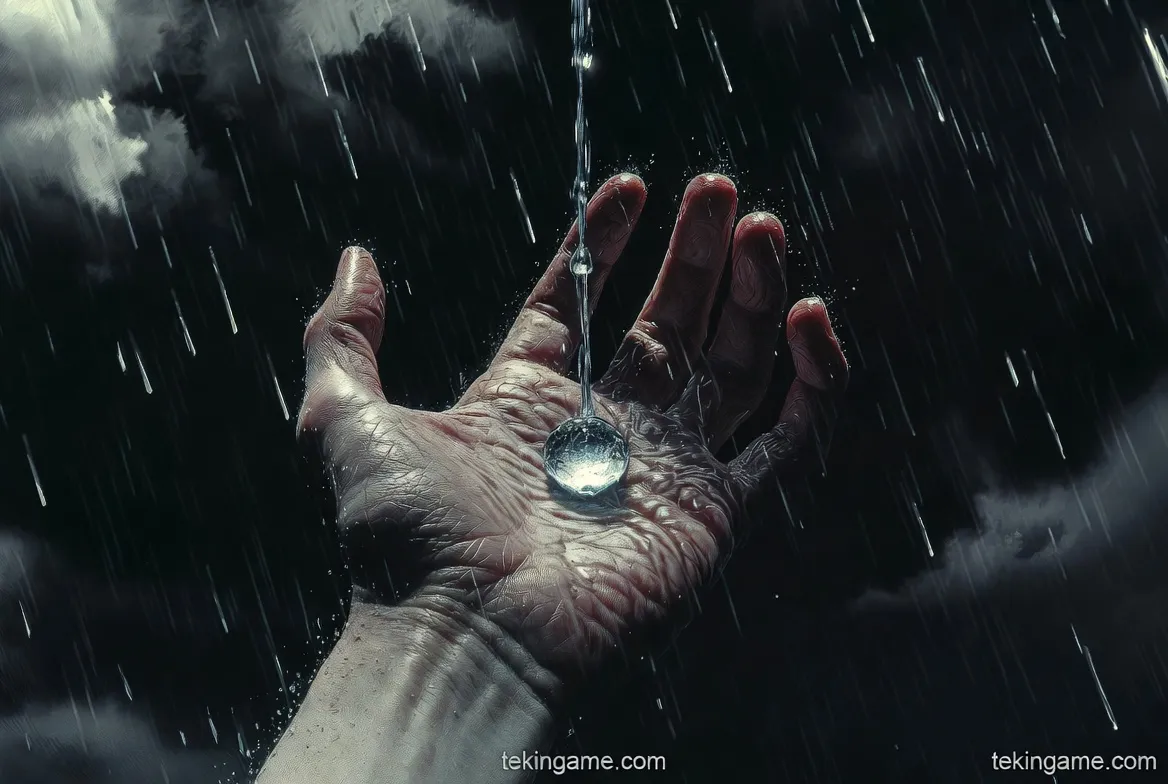
Imagine a scene where a single drop of rain hits a character's hand. The camera zooms in for a Macro Shot, showing the skin wrinkling, spotting, and withering in a matter of seconds. If A24 uses practical makeup effects combined with CGI for this, it could create one of the most disturbing and memorable sequences in sci-fi history. It raises the stakes: the environment itself is the enemy.
4.2. The BTs: Terror in the Invisible
How do you show invisible monsters (Beached Things) in a movie?
The director will likely use the technique of "suspense over spectacle." We shouldn't see the monster; we should see its effect.
Black, oily handprints appearing in the mud, marching toward the protagonist. The terrifying, clicking sound of the Odradek scanner spinning up. The holding of breath.
This type of psychological horror—where the threat is unseen—is an A24 specialty. It is far more effective than showing a giant CGI beast destroying a city.
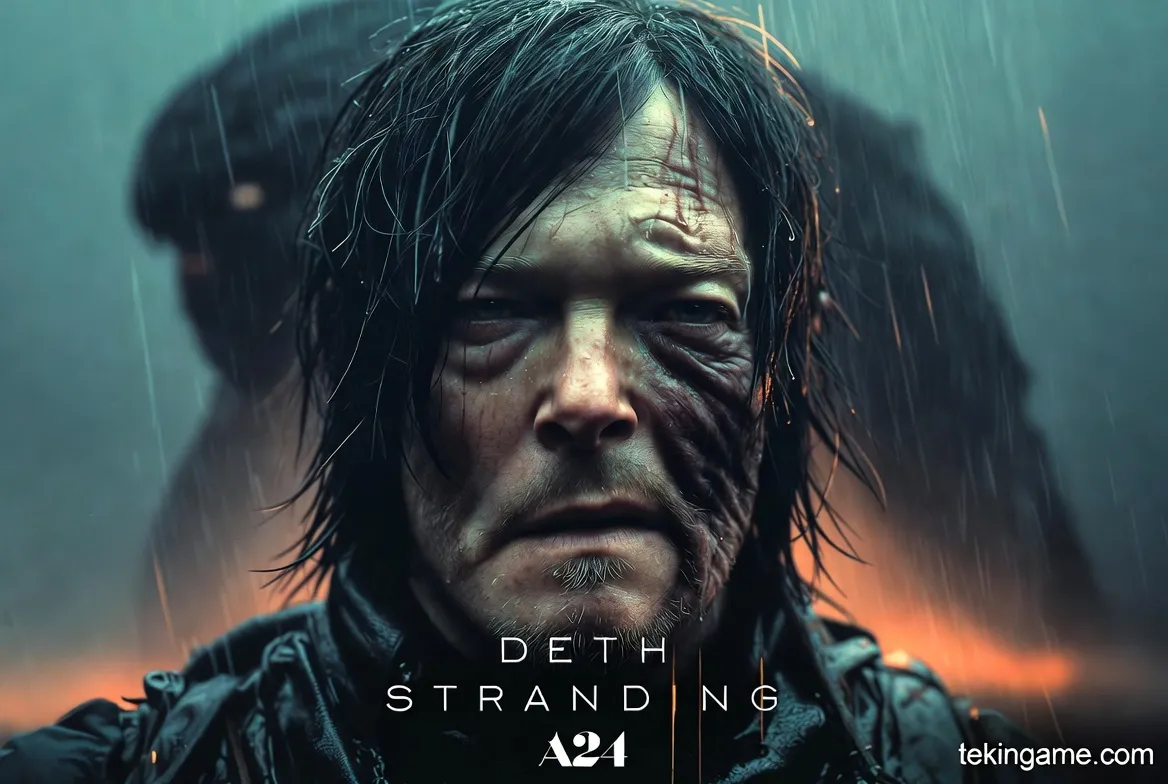
5. Cast & Characters: Return of the Legends?
While no official cast list has been released yet, logic and fan demand point in one direction.
5.1. Norman Reedus: The Irreplaceable Face
Norman Reedus didn't just lend his face to Sam Porter Bridges; he was the soul of the character.
It is highly unlikely that Kojima would recast him. However, given that a movie is a different medium, we might see a different version of Sam. Perhaps an older, more broken version. Or perhaps the film will focus on a specific chapter of his life. But imagining a Death Stranding movie without Reedus is like imagining Metal Gear without Snake. It just doesn't work.
5.2. The Enigma of Mads Mikkelsen
The character of Cliff Unger (played by Mads Mikkelsen) was the emotional anchor of the game's story.
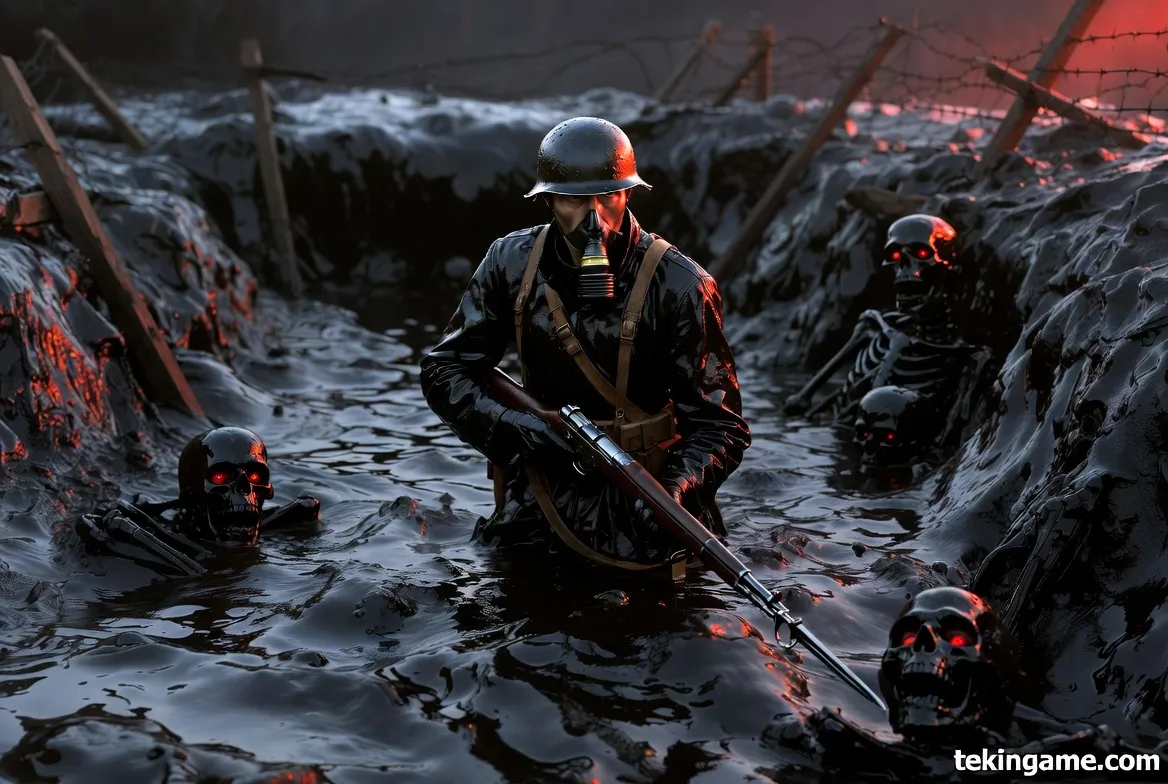
If the film wants to stay true to the lore, Mikkelsen's presence is mandatory. The sequences of the World War battlefields, the skeletal soldiers rising from the tar—these are cinematic gold. Seeing Mads Mikkelsen light a cigarette in the middle of a supernatural warzone on an IMAX screen would be a defining moment for the film.
6. The Philosophy of "Rope and Stick"
Hideo Kojima often quotes the writer Kobo Abe: "The stick is the first tool that mankind created to put distance between himself and bad things... The rope is a tool used to secure things that are important to you."
Most Hollywood movies are about "Sticks"—guns, punches, explosions, and conflict.
We expect the Death Stranding movie to be about "Ropes."
The core message will likely focus on Connection. In a world where everyone is isolated (Stranded) in their bunkers, the act of delivering a package, helping a stranger, or simply building a bridge is more heroic than killing an enemy. This is a counter-cultural message that is desperately needed in modern cinema.
7. Conclusion: Expecting a Masterpiece or an Arthouse Failure?
The partnership between Kojima and A24 is a massive gamble. This film could become a Cult Classic that is analyzed for decades, or it could be an esoteric, confusing 2-hour walk that alienates mainstream audiences.
But one thing is certain: It will not be mediocre.
We are waiting for a piece of work that is visually stunning, audibly haunting, and narratively complex. Can Kojima add an Oscar to his shelf alongside his Game Awards? We will have to wait and see.
What do you think? Can the story of Death Stranding work as a 2-hour movie, or should it have been a TV series? Let us know in the comments below.