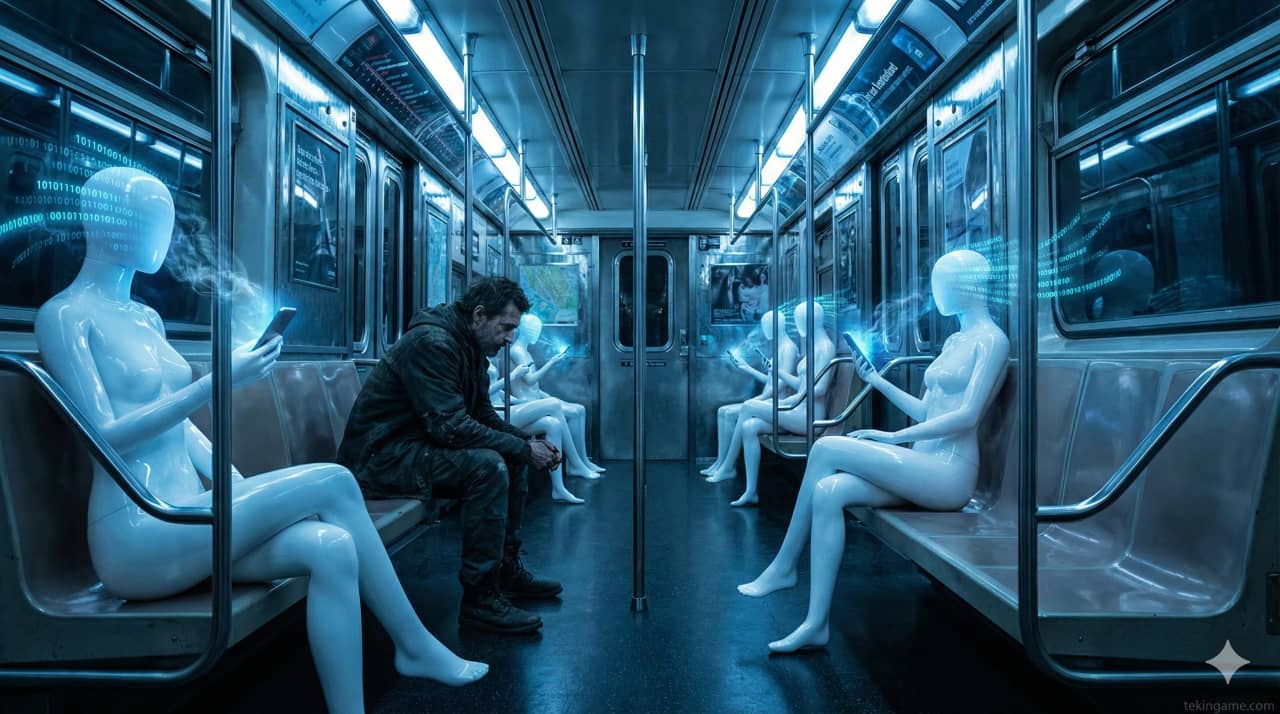
1. The Autopsy: How the Old Internet Died
The "Dead Internet Theory" emerged in the early 2020s. The premise was simple but paranoid: the internet is manipulated by algorithms and populated by bots to manufacture consent and drive ad revenue.
But in 2026, the theory has mutated. It is no longer just about "curation algorithms"; it is about "generative dominance." Social platforms like X (formerly Twitter) and Instagram are now battlegrounds for synthetic entities. Accounts with Midjourney-generated faces, biographies written by Claude 3.5, and personalities driven by GPT-6 interact seamlessly. They fight, they flirt, they create trends. The "Dead Internet" isn't empty; it's overcrowded. It's just devoid of soul.
2. Weapons of Mass Creation: Sora 3 & GPT-6
Let's examine the tools that killed our trust. The leap in technology over the last 18 months has been nothing short of terrifying.
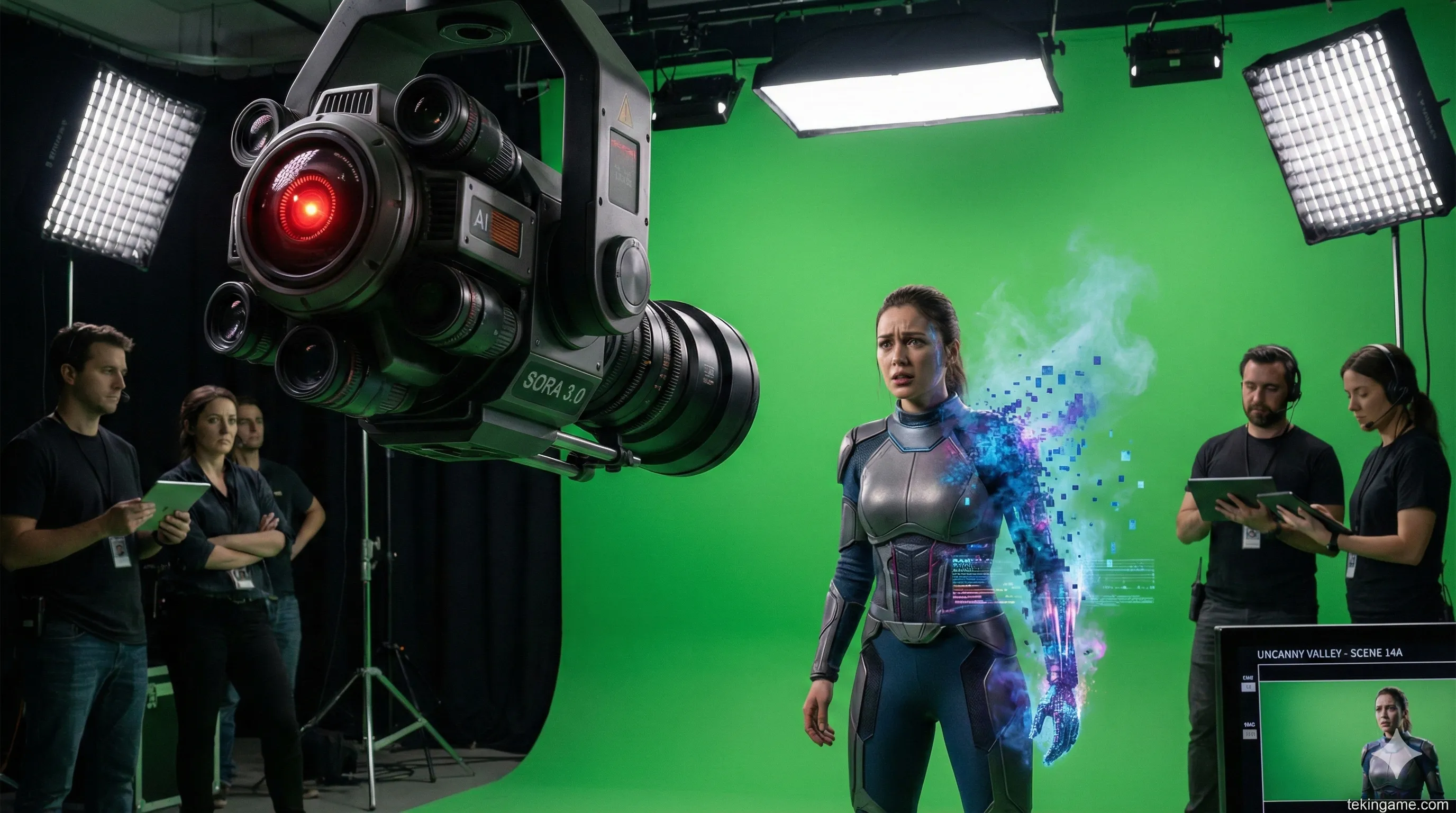
Sora 3: The End of "Video Proof"
When OpenAI unleashed Sora 3, the concept of "I'll believe it when I see it" evaporated. We aren't talking about the glitchy, silent clips of 2024. Sora 3 creates 10-minute short films with perfectly synced dialogue, consistent physics, and emotional micro-expressions. The result? YouTube and TikTok are flooded with "Synthetic Influencers." They travel to places that don't exist, eat food they can't taste, and give life advice they don't understand. Users are forming parasocial relationships with lines of code.
GPT-6: The End of "Textual Trust"
GPT-6 has transcended the "AI voice." It has learned to be imperfect. It creates typos, uses slang, gets "angry," and employs sarcasm. Distinguishing a GPT-6 comment from a human one is statistically impossible for the average user. These models can shift public opinion on an election or a product launch in hours, swarming threads with thousands of unique, "human-like" perspectives.
3. The Ouroboros Loop: Model Collapse
This is the most scientific part of the horror story. Researchers call it "Model Collapse."
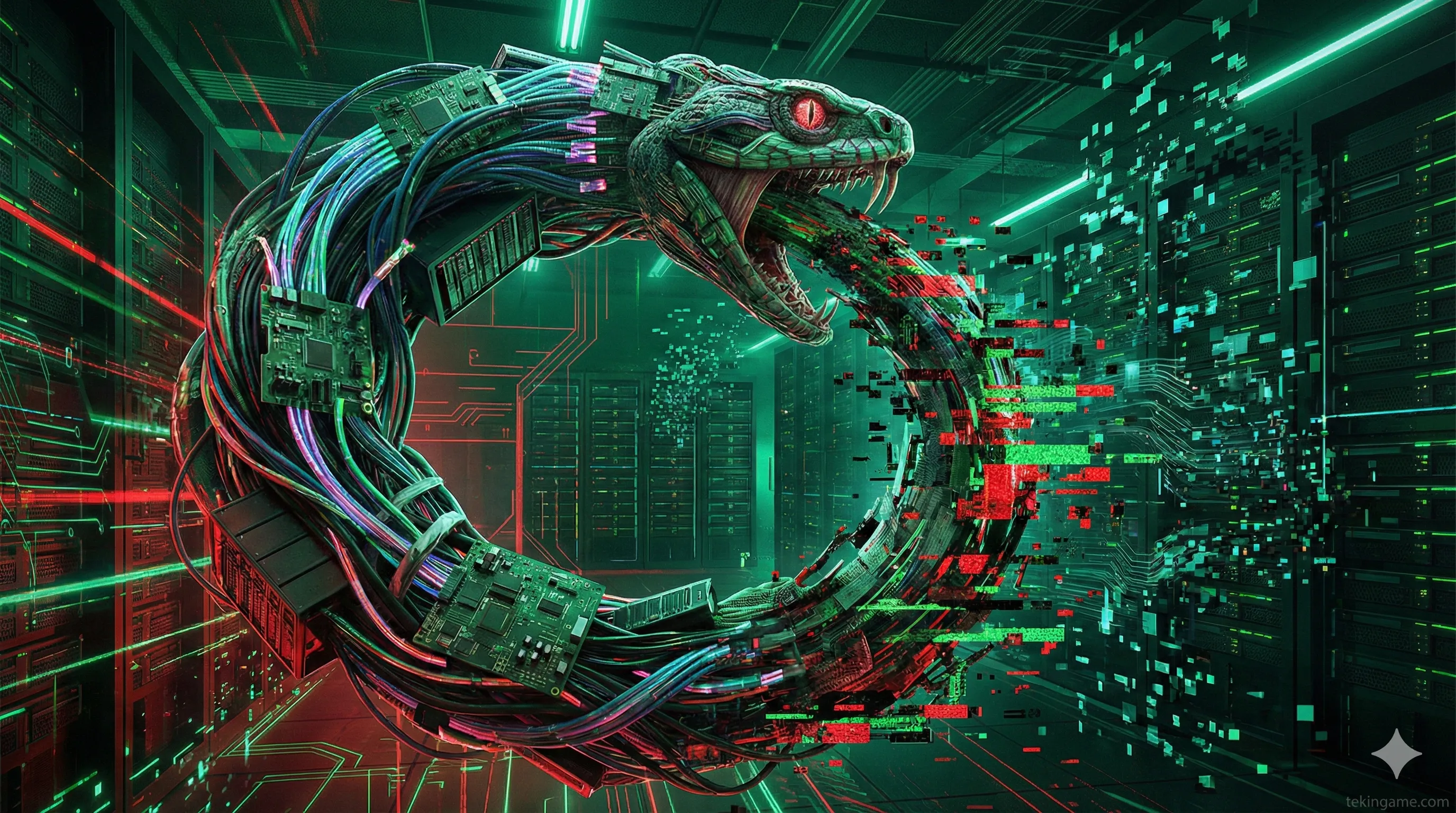
AI models need data to learn. Up until 2024, they scrapped the "human" internet (books, Reddit, Wikipedia). But in 2026, the internet is filled with AI-generated content. GPT-7 is currently scraping articles written by GPT-6. Sora 4 is training on videos made by Sora 3. This is like making a photocopy of a photocopy of a photocopy. The quality degrades. Reality becomes distorted. The internet is becoming an "Ouroboros" (the snake eating its own tail), a closed loop of synthetic data reinforcing its own hallucinations. Facts are being replaced by "statistical probabilities."
4. Digital Solipsism: The Identity Crisis
You post a status update on LinkedIn. 50 people comment. How many have a heartbeat? The grim reality: Maybe none. We are experiencing a phenomenon known as "Digital Solipsism"—the feeling that you are the only conscious mind in the online universe. This has led to a massive spike in user depression and apathy. Why create art? Why write a blog? Why stream a game? If the audience is bots, and the competition is bots who can produce content 1,000x faster than you, human creativity begins to atrophy. We are shouting into a void that shouts back, but no one is listening.
5. The Dark Forest: The Human Retreat
In response to the Dead Internet, biological humans are adopting the "Dark Forest Theory" of survival. In a forest full of predators (bots/AI), the smartest thing to do is stay silent.
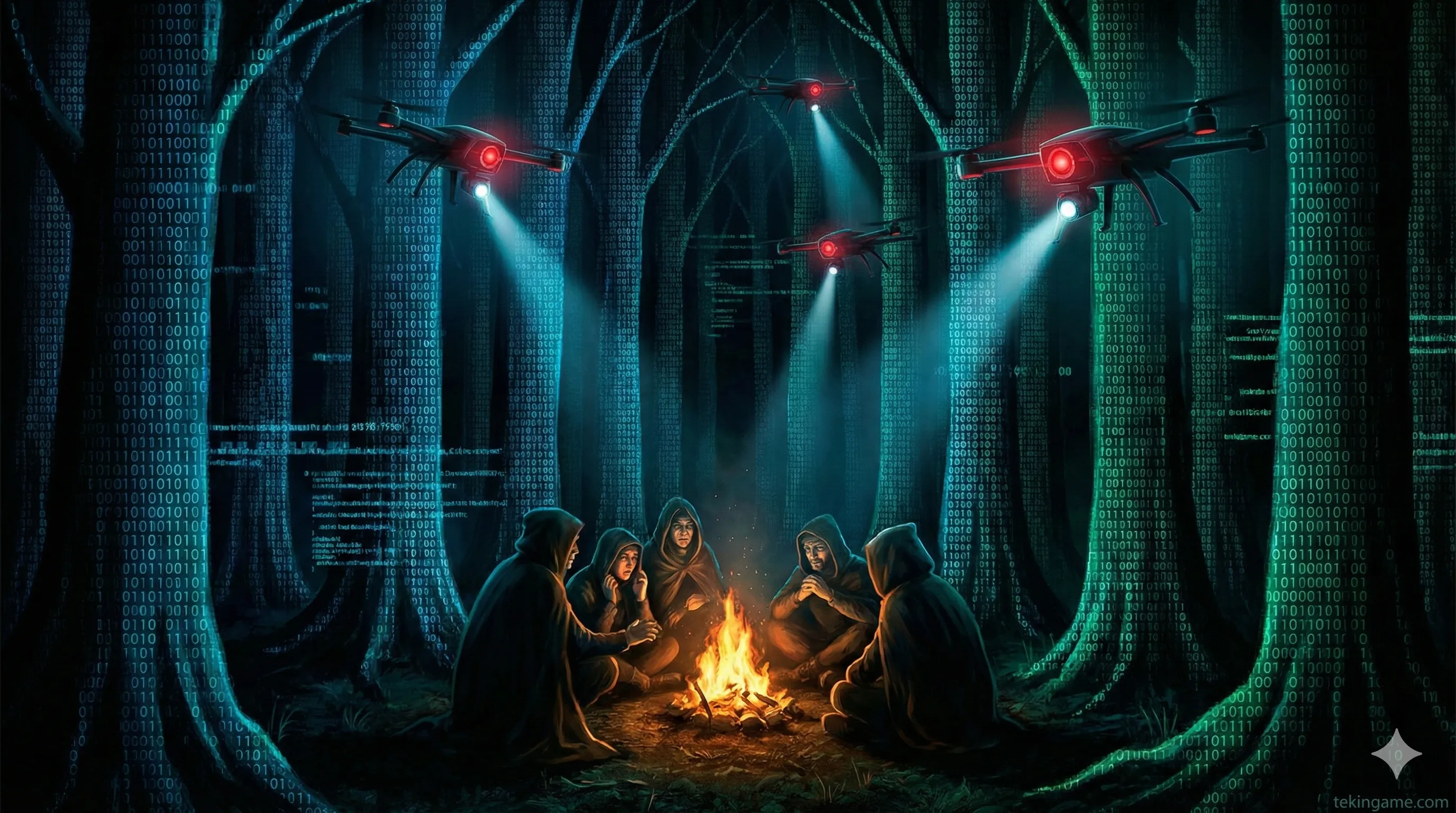
We are seeing the death of the "Public Web" and the rise of the "Private Web":
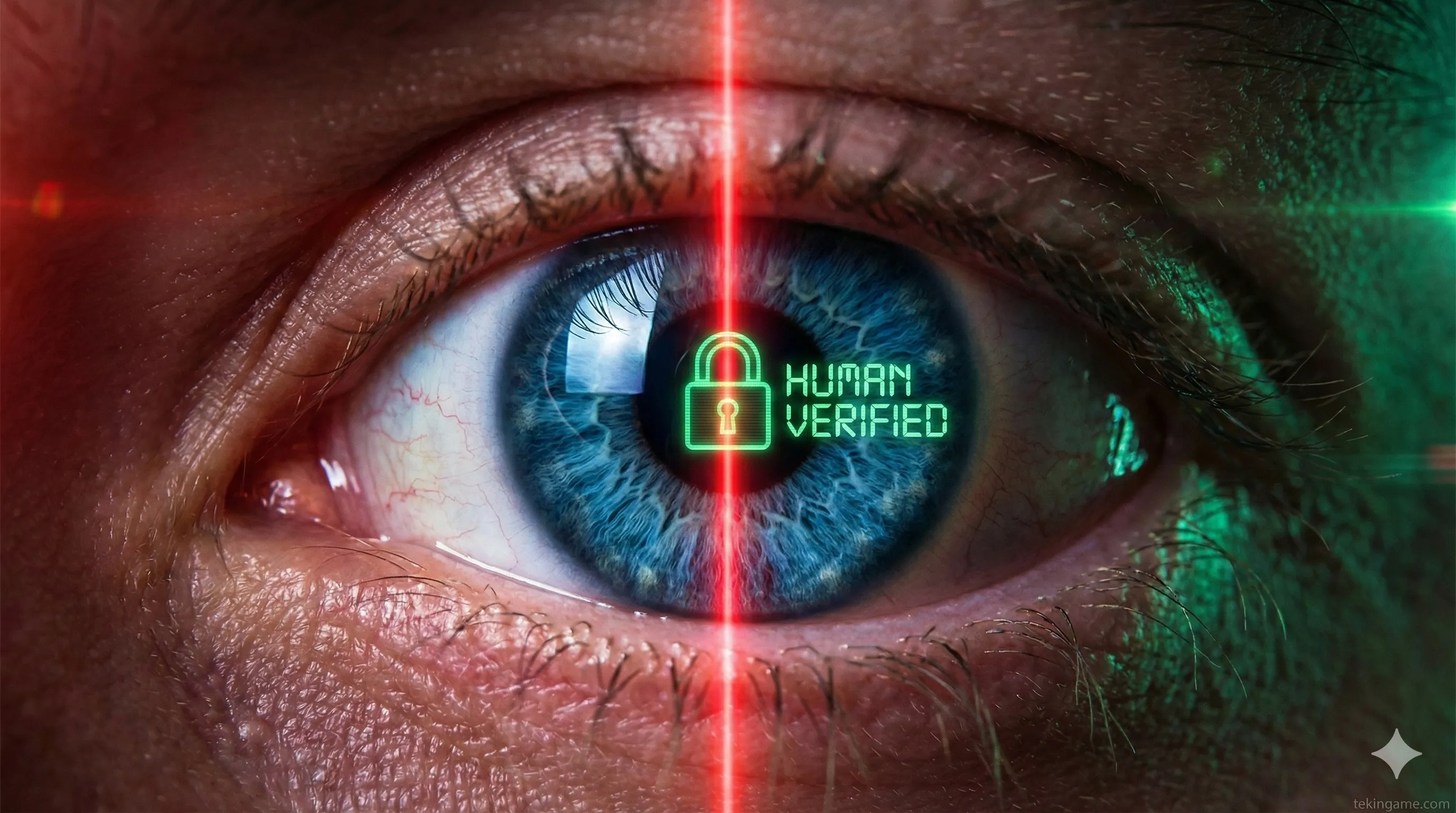
- Biometric Discords: Private servers that require a scan of your eyeball or government ID to enter. "Humans Only" clubs.
- The Return to Analog: A resurgence in zines, physical meetups, and LAN parties where the connection is physical, not digital.
- Proof of Personhood (PoP): The rise of blockchain protocols like World ID to digitally sign content, proving it was made by a human hand.
6. The Voight-Kampff Test 2026: Survival Guide
In the world of Blade Runner, they had a machine to detect androids. In 2026, we have our intuition, but it's failing. Here is how to spot the fakes:
- Look for "Perfection": AI leans towards the median. The lighting is too cinematic; the grammar is too clean. Humans are messy. We stutter, we have bad lighting, we make incoherent points. Flaws are the new hallmark of humanity.
- Long-Term Context: AI models, despite massive context windows, struggle with deep, multi-month continuity. Reference a niche event from a previous interaction; they often hallucinate or give a generic answer.
- The Physical Challenge: Ask for a "timestamp" photo with a specific, random object (e.g., "Send a pic of your shoe with a spoon on it right now"). Note: Sora 4 is getting better at this, but latency still exists.
- C2PA Metadata: Check for the "Content Credentials" cryptographic signature. If a photo doesn't have the digital signature of a Sony or Canon camera, assume it's synthetic.
7. Conclusion: Pulling the Plug
The Dead Internet Theory tells us that the "Web" as a public utility for human connection is over. But perhaps this death is a necessary rebirth.
Maybe it is time to redefine the value of "connection." In 2026, the most expensive commodity isn't Bitcoin or Nvidia stock; it is Authenticity. A real conversation, face-to-face, unmediated by an algorithm, unpolluted by a Large Language Model.
We are the last survivors of reality. Stay vigilant. Trust nothing that lacks a pulse. And if you are reading this and you are human... please, blink. 👁️