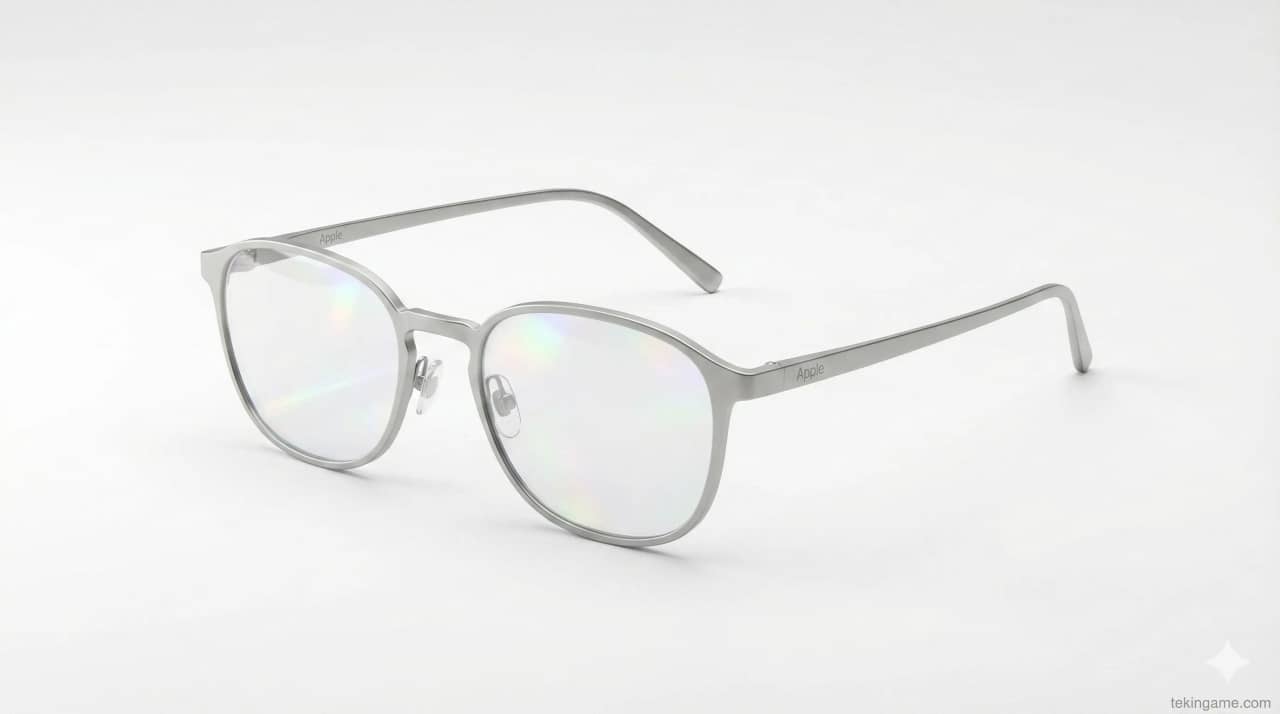
1. Design: Goodbye Ski Goggles, Hello Future
The biggest criticism of the Vision Pro? It was heavy, isolating, and made you look dystopic. Apple has addressed every single one of these pain points with Vision Air using a bold strategy: "Delete the Computer from the Face."
According to leaked industrial CADs, the Vision Air features a chassis milled from a Magnesium-Titanium alloy, bringing the weight down to a shocking under 120 grams (compared to the Vision Pro's 600g+). Gone is the curved black glass and the creepy "EyeSight" external display. This device looks like a pair of thick, high-end designer frames (think Ray-Ban meets Sci-Fi).
The Secret to Weight Loss? Apple has removed the battery and the primary compute prowess from the frames. The glasses connect via a proprietary ultra-thin woven cable (or potentially Wi-Fi 7 ultra-low latency wireless) to your iPhone or a dedicated "Compute Puck" in your pocket.
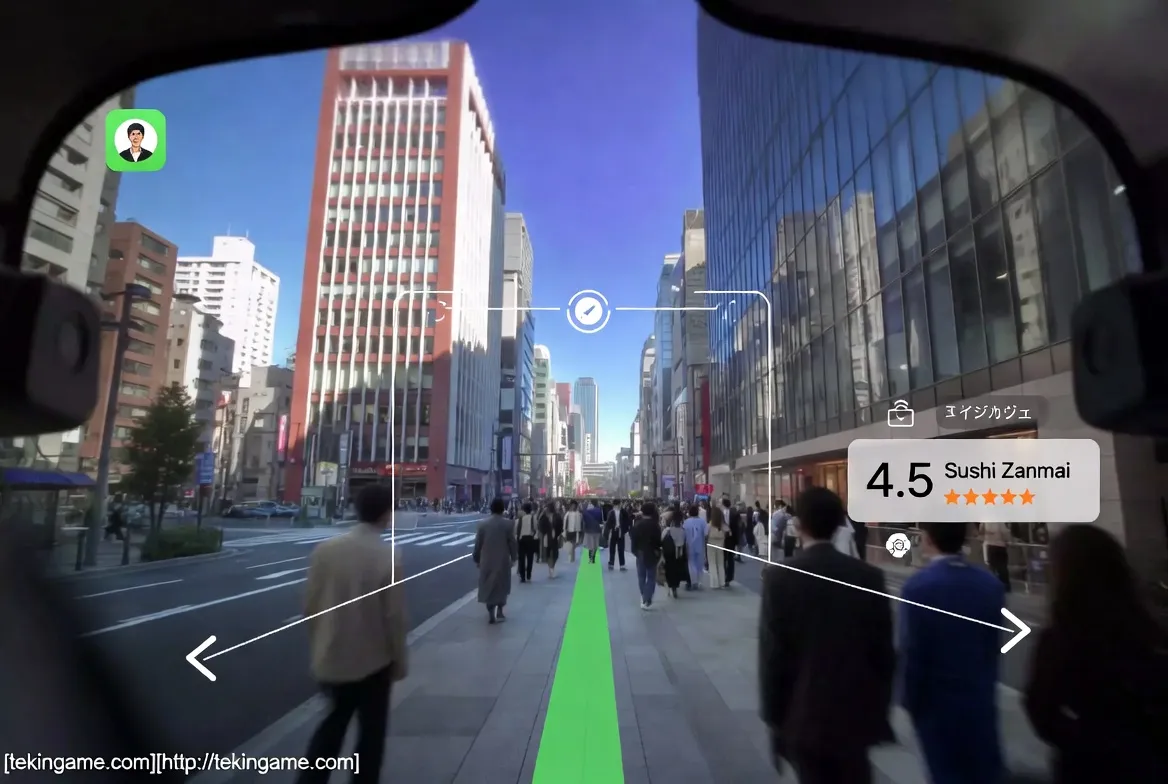
2. The Display: Micro-LED Magic
This is the main battlefield. The Vision Pro used Micro-OLED cameras to show you the world (Video Passthrough). The Vision Air, however, is True Optical AR (See-Through).
- Waveguide Technology: Apple is utilizing advanced diffractive waveguides that project digital light directly onto the clear lenses. You are looking through glass, not at a screen.
- 4,000 Nits Brightness: Unlike Meta's earlier prototypes which looked dim outdoors, Sony's new Micro-LED panels allow Apple's interface to remain crisp and visible even under the harsh California sun.
- Field of View (FOV): Leaks suggest a diagonal FOV of 50 to 70 degrees. It’s not the immersive 100 degrees of VR, but for notifications, navigation arrows, and floating FaceTime windows, it is the sweet spot.
3. The Symbiosis: The iPhone Umbilical Cord
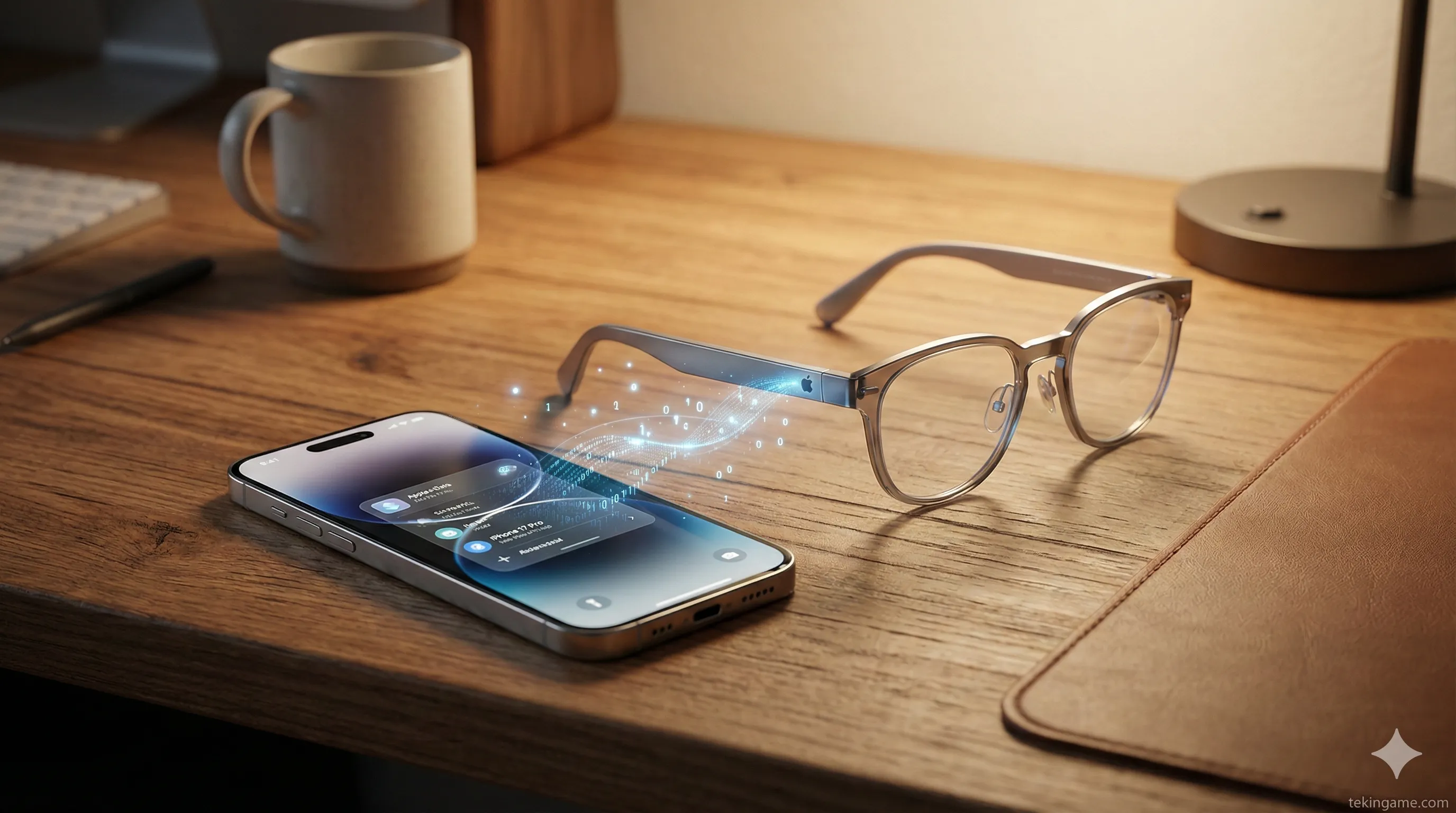
Apple isn't selling the Vision Air as a standalone product; they are positioning it as the "Ultimate iPhone Accessory." The glasses don't have a brain; the brain is the A19 Pro chip in your pocket.
The glasses house a low-power Apple R2 chip dedicated solely to sensor fusion, eye-tracking, and hand-gesture recognition. All the heavy graphical rendering is done on the phone and streamed to the lenses. This means:
- If you don't have an iPhone, these glasses are just expensive paperweights.
- Battery life is parasitic; expect the iPhone 17 to feature massive battery density upgrades or a requirement for MagSafe power banks to run the system all day.
4. The Brand War: Apple vs. Meta vs. Samsung
2026 is the year blood will be spilled in the wearables market. Let’s compare the titans:
Apple Vision Air
- Philosophy: The Walled Garden. Premium materials, seamless integration, privacy-first. Aimed at productivity and lifestyle.
- The Ace: The Ecosystem. An iMessage notification appears in your peripheral vision instantly. No setup required.
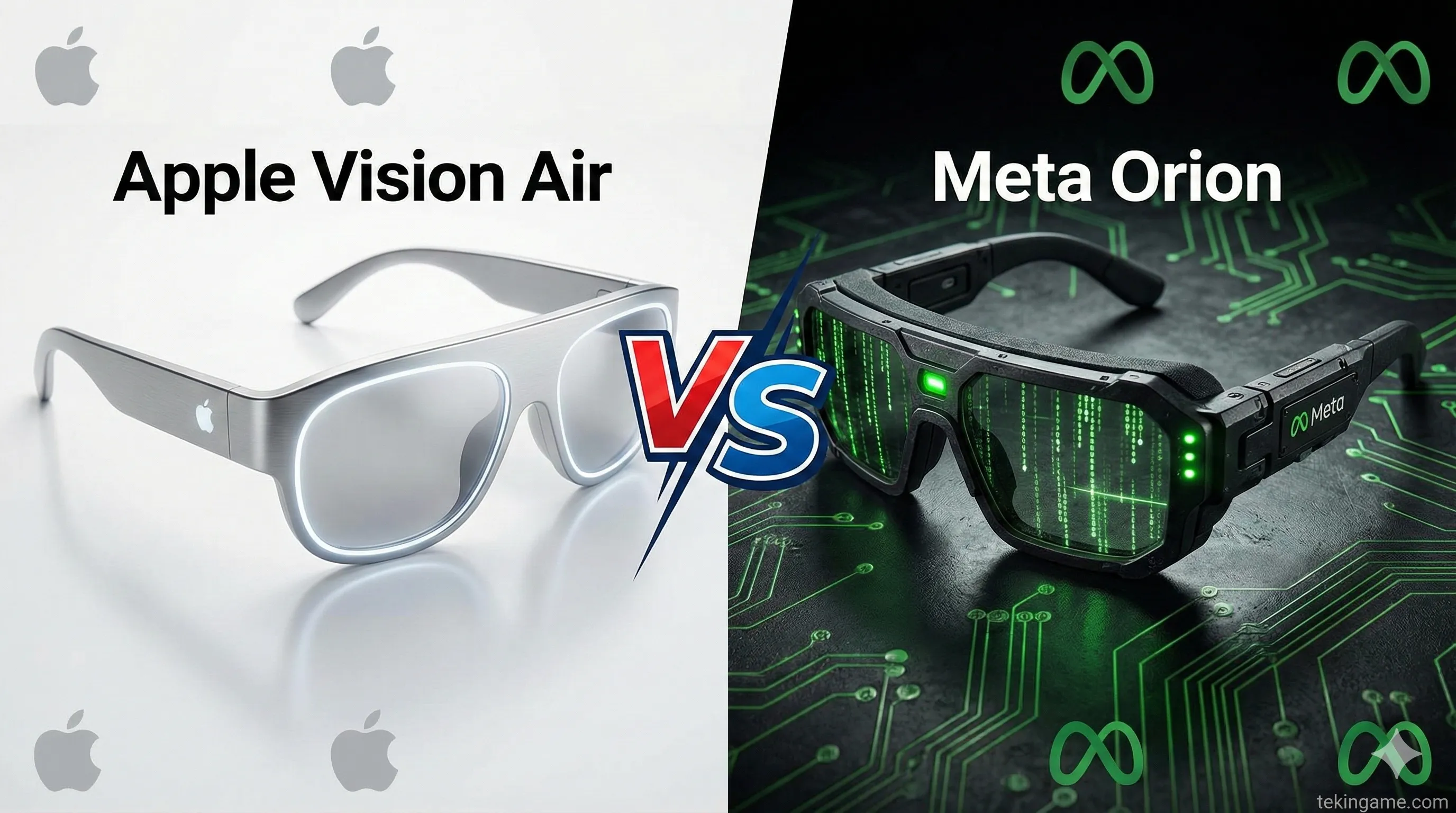
Meta Orion (Project Nazare)
- Philosophy: Independence. Mark Zuckerberg wants to break free from Apple and Google. Orion is designed to be a standalone device eventually.
- The Trade-off: Meta's glasses are bulkier and rely on the "neural wristband" for control. However, they have a wider FOV and focus heavily on holographic social interaction (playing chess with a hologram of your friend).
Samsung/Google XR
- Philosophy: The Open Utility. Powered by "Android XR" and Gemini. Likely cheaper, more utilitarian, and deeply integrated with Google Maps and Assistant.
5. Apple Intelligence: Your Second Pair of Eyes
This is where Apple intends to win. Apple Intelligence on Vision Air isn't just Siri; it is a "Visual Interpreter."
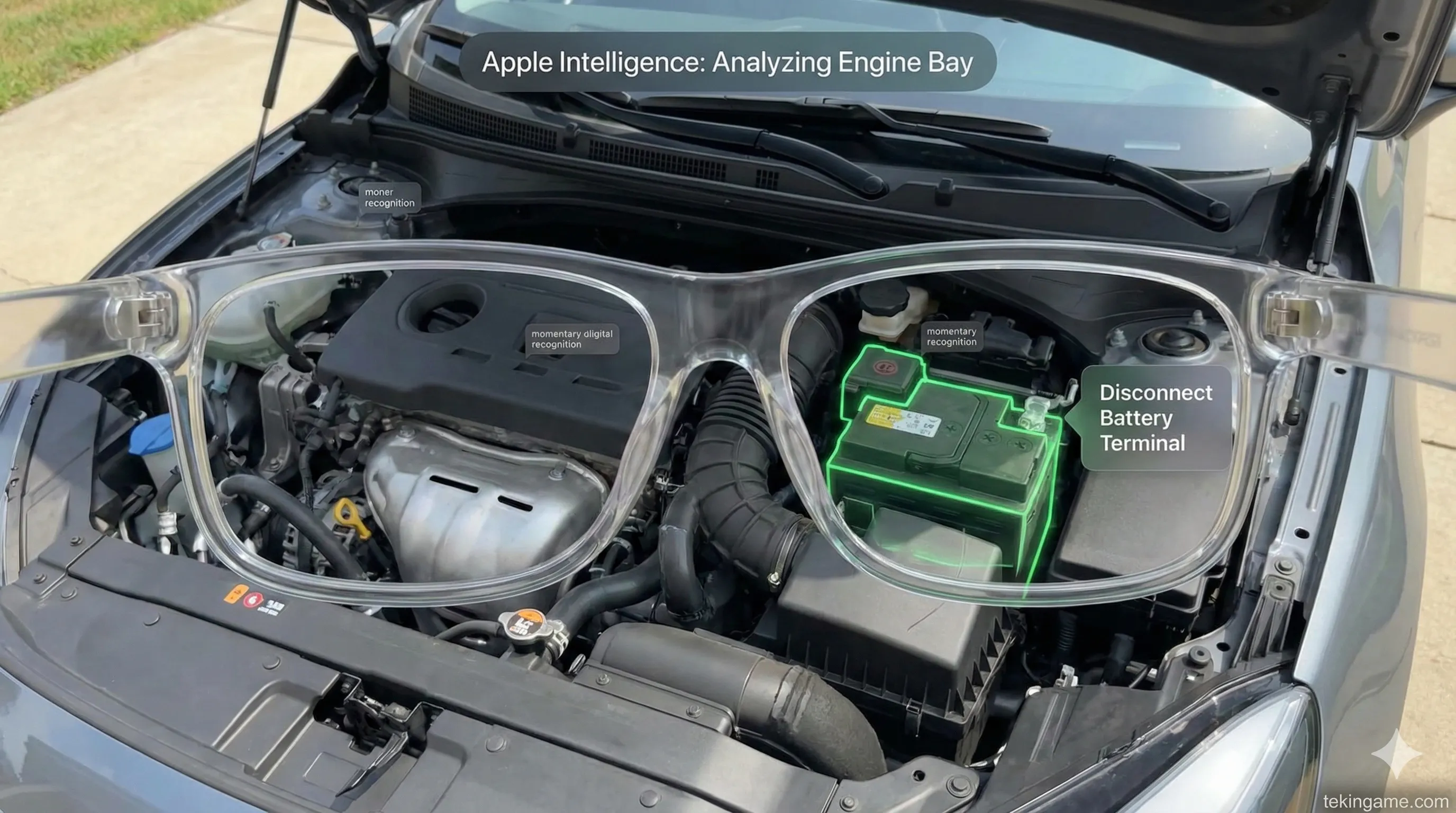
Imagine walking down a street in Tokyo. You look at a menu in Japanese. The glasses don't just translate it; they overlay the English text directly onto the paper in the same font, utilizing the Neural Engine. Or, you are fixing your car engine. The glasses recognize the parts (via hidden side cameras) and highlight the exact bolt you need to loosen with a green arrow. This is Contextual Computing. The device knows what you are looking at and offers help before you ask.
6. Price & Release: Luxury, but Reachable
The Vision Pro was $3,500. Apple knows they need to break the price barrier to kill the smartphone. Reports suggest a price tag between $1,499 and $1,999.
- The Strategy: It’s the price of a high-end MacBook Pro. Expensive, but not "experimental."
- Carrier Deals: Expect Verizon and T-Mobile to offer bundles where you pay $50/month for the glasses alongside your iPhone plan.
- Release Date: Unveil at WWDC 2026 (June), with a retail launch in Fall alongside the iPhone 18.
7. Verdict: The End of the Screen?
The Apple Vision Air might not kill the iPhone this year, but it marks the beginning of the end. It is the first serious step toward "Invisible Computing," a world where technology recedes into the background.
Apple is making a massive bet: that humans are willing to wear something on their faces to regain their connection with the real world. If Vision Air succeeds, ten years from now, we will look back at smartphones the same way we look at pagers today: archaic antiques.
Which team are you on? Team "Apple Quality" or Team "Meta Freedom"? Let us know in the comments! 🍏🆚♾️