1. Introduction: The End of the 18-Year "App Store" Era
1.1. The Legacy of Steve Jobs
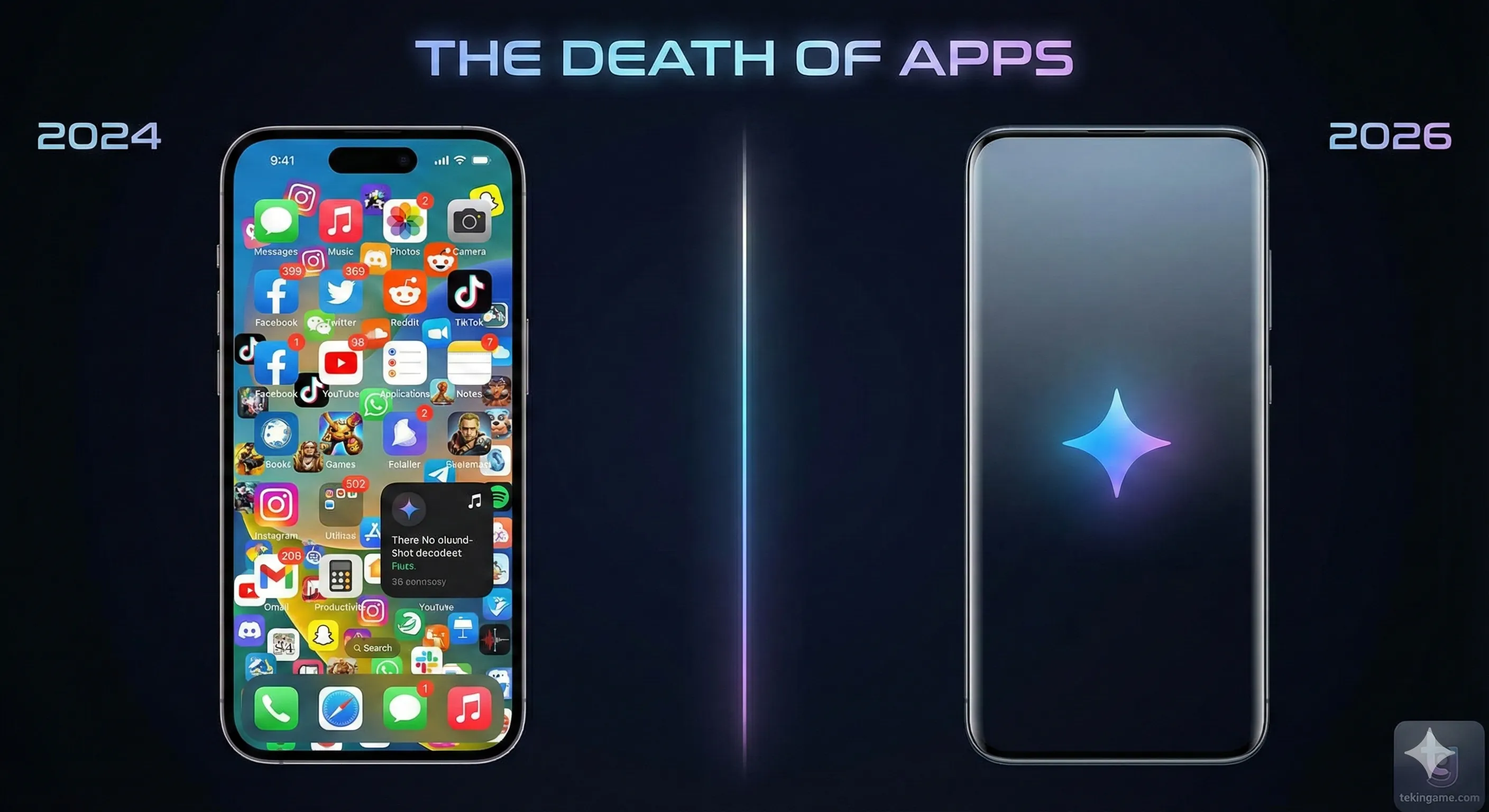
In 2007, Apple changed the world with a simple slogan: "There's an app for that." For every human need, there was a colorful icon on a grid that you had to tap, enter its walled garden, and perform a task. This paradigm has ruled the technology world for 18 years. We became accustomed to hopping between "isolated islands" (apps). One island for ride-sharing, another island for food delivery, and a third for banking.
1.2. The Paradigm Shift of 2025
Yesterday, with the full unveiling of Android 16 and the deep integration of Gemini 3 Ultra, Google declared that era over. In the new world, users shouldn't think about "tools"; they should think about "intent." You don't want to "open the Uber app"; you want to "go home." Android 16 eliminates the friction between desire and action by removing the application layer entirely.

2. Android 16 Architecture: The OS That Thinks
2.1. Gemini 3: Beyond an Assistant
Until now, assistants like Google Assistant or Siri were merely layers sitting on top of the operating system. They were glorified voice command triggers. However, in Android 16, Gemini 3 is integrated at the system level, acting almost like a cognitive kernel. It has root-level permission to read the state of all processes (protected by new security sandboxes).
This means Gemini knows you are currently chatting with your mother, it knows you have cinema tickets for tomorrow based on an email receipt, and it knows your car battery status is low because it communicated with your EV app in the background. This level of "Contextual Awareness" is the key to the new revolution.
2.2. Intent-Based Computing
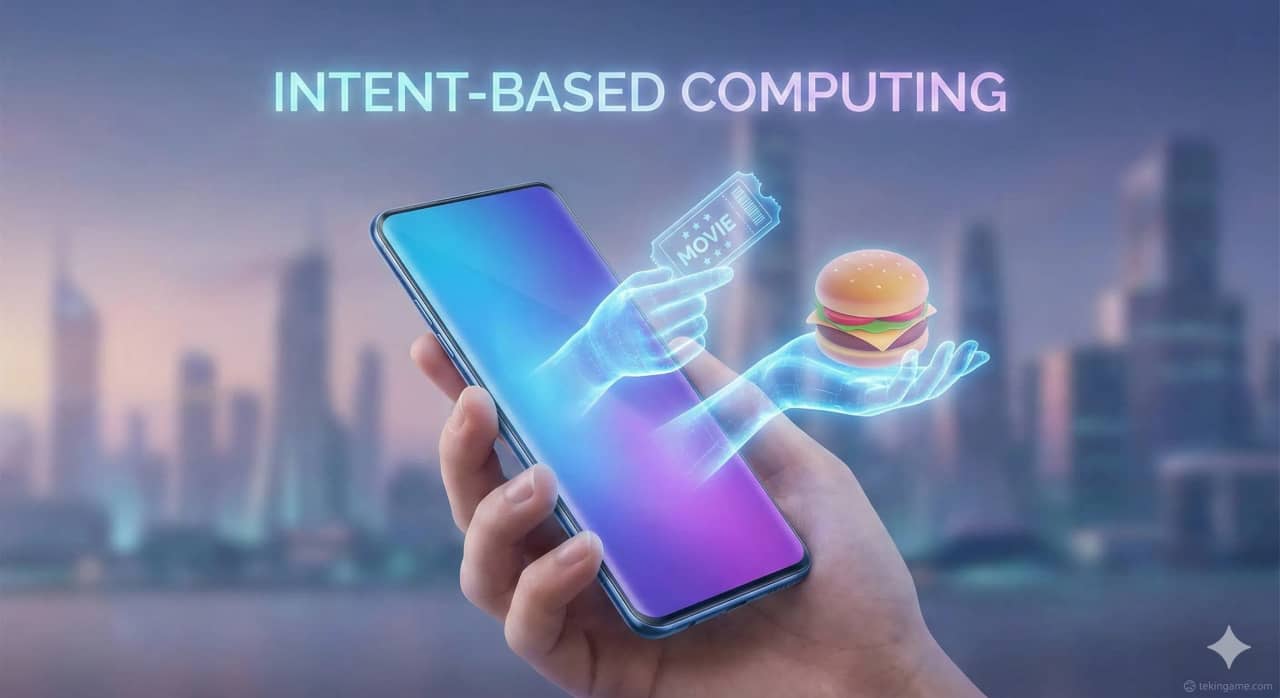
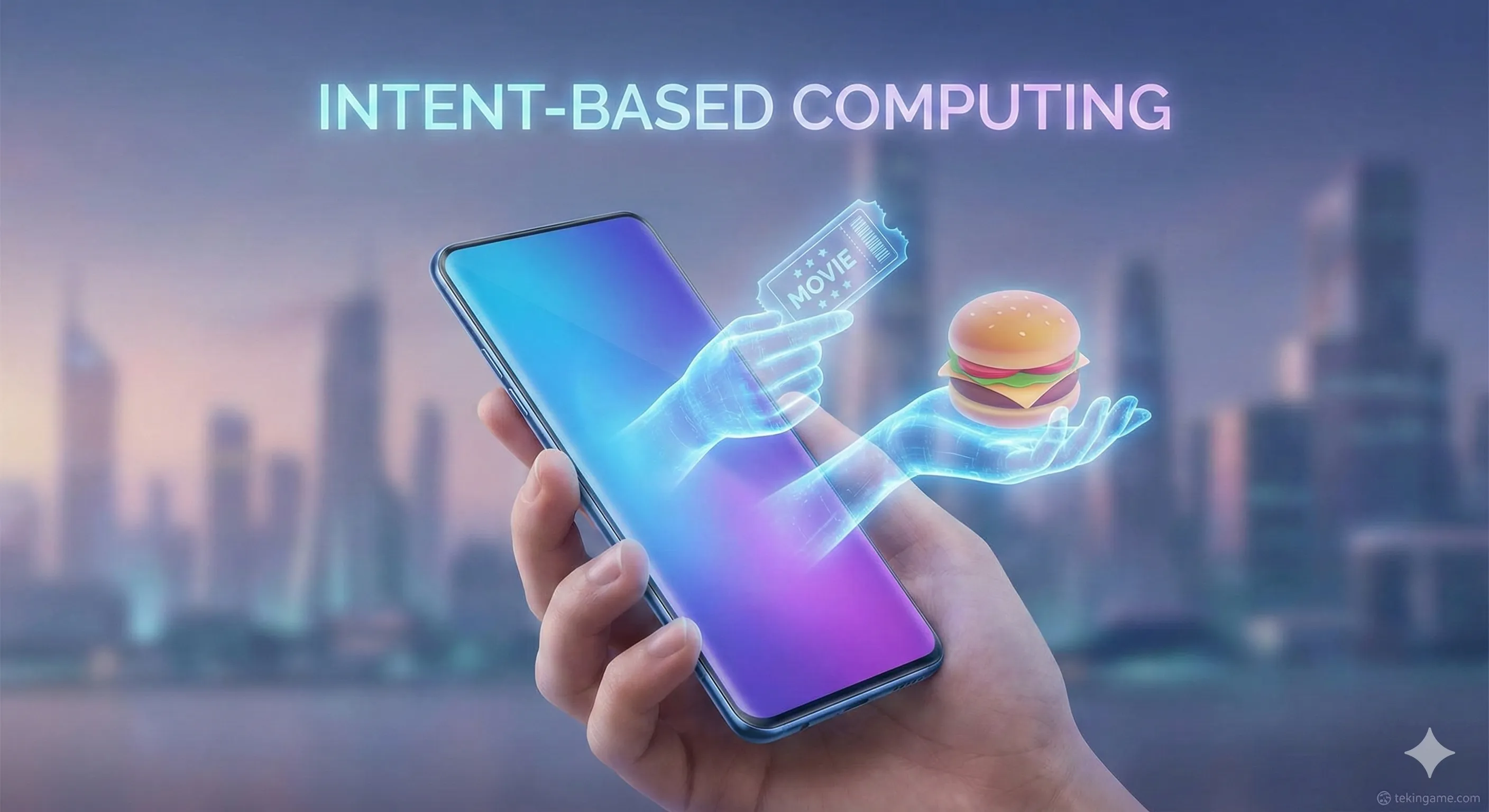
Traditional operating systems were "Command-Based" (User clicks icon -> App opens). Android 16 is "Intent-Based." The system doesn't wait for you to open an app; instead, based on your habits, location, and recent conversations, it predicts what you want to do and presents the necessary controls before you even ask.
3. The Death of Traditional Apps and the Birth of Generative UI
3.1. Practical Scenario: Goodbye, Menus
Let's use a real-world example. Suppose you want to order pizza for four friends and then go see a movie.
The Traditional Way (2024):
1. Open WhatsApp to coordinate toppings with friends.
2. Open Uber Eats, find a restaurant, scroll through the menu, add items to cart, pay.
3. Open Fandango/Ticketmaster, find the movie showtime, select seats, pay.
4. Open Uber/Lyft to book a ride to the theater.
This process involves opening 4 different apps, switching contexts multiple times, and dozens of taps.
The Android 16 Way (2025):
You simply say (or type) to your phone: "Order pizza for the 4 of us, then let's go see the new Nolan movie."
What Gemini 3 Does:
Without opening a single app, the OS generates a brand new interface screen that never existed before. On this single "Generative UI" card, you see:
- 3 pizza options from your favorite spots (pulled via Uber Eats API).
- Available movie showtimes (pulled via Fandango API).
- A single "Confirm & Pay" button.
You tap once. Done. The AI has communicated with 4 different services in the background, negotiated the transactions, and presented you with a unified decision screen.
3.2. Fluid UI (GenUI)
This concept is called Generative UI. The user interface of your phone is no longer static. Buttons, sliders, and menus are "drawn" by the AI in real-time based on your specific intent. Applications transform into "Headless Services"—they provide the logic and the service (the ride, the food, the music), but they surrender the visual interface to the operating system.
4. The Developer Crisis: An Identity Shift
4.1. From App Builders to Service Providers
This news is excellent for users but terrifying for developers. If Gemini is building the UI, what happens to the UX designers and frontend engineers who spent years perfecting their app's look and feel?
In the Android 16 era, developers must pivot from building "Full Apps" to building "Micro-Services" and "Actions." For example, Spotify no longer needs to worry about designing the perfect "Now Playing" screen; they just need to ensure their API delivers high-quality music streams and metadata to Gemini instantly. The AI decides how to display the play button.
4.2. SEO for Agents (AIO)
The marketing world changes too. Previously, companies fought to rank #1 in "Google Search" (SEO) or "App Store" (ASO). Now, they must fight to be chosen by Gemini. This field is called Agent Optimization (AIO). If I say "Book a taxi," which service does Gemini call? Uber or Lyft? The AI makes the choice based on price, speed, and user preference, turning the competition into a pure data battle rather than a branding battle.
5. The Silicon Wall: Why Old Phones Are Obsolete
5.1. The Necessity of High-TOPS NPUs
Running Generative UI requires immense processing power. The phone must tokenize your intent, retrieve data from multiple sources, and render a UI in milliseconds.
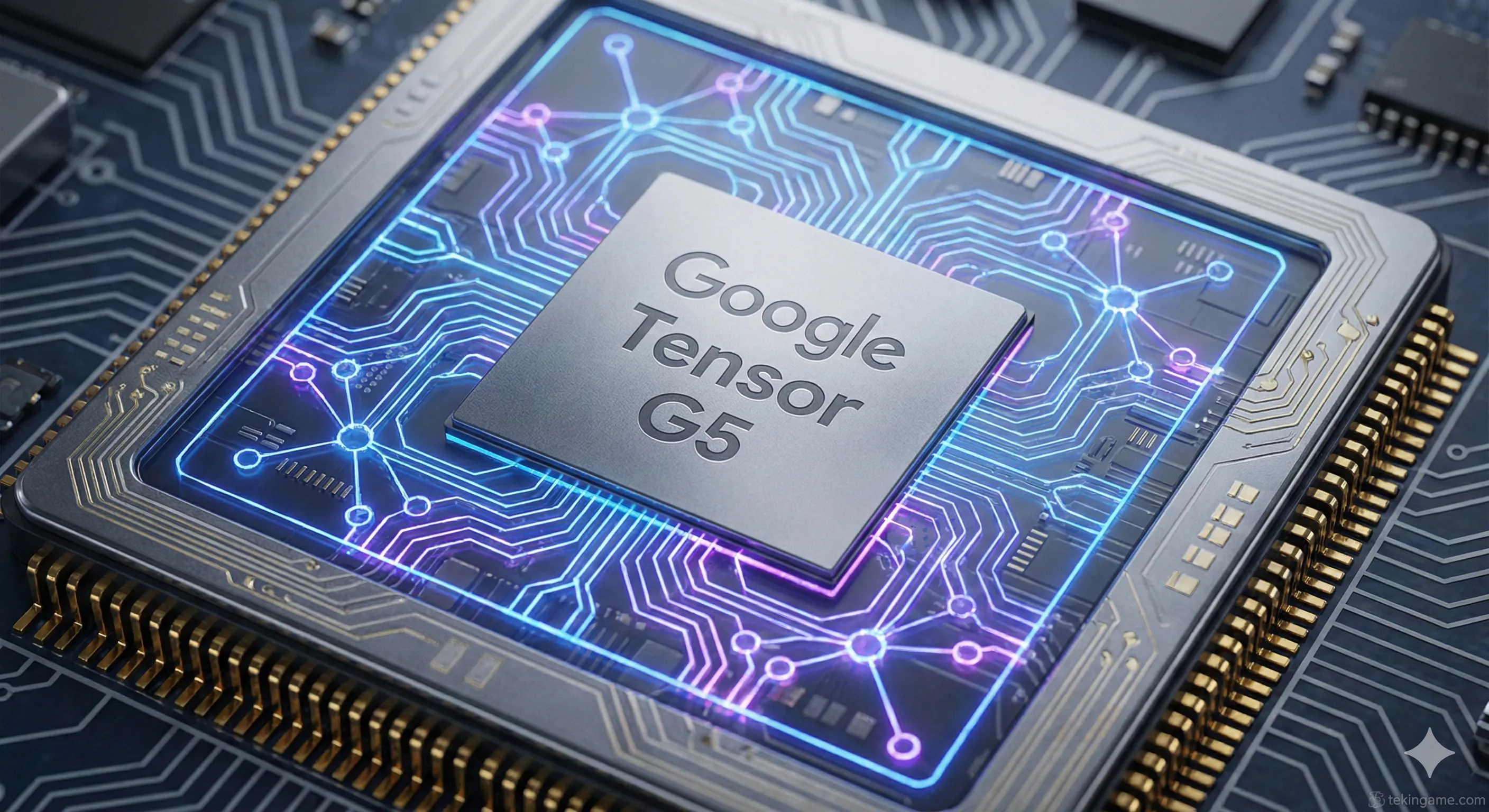
For this reason, the full Generative UI capabilities of Android 16 are locked behind a hardware wall. You need a Neural Processing Unit (NPU) capable of 50+ TOPS (Trillions of Operations Per Second). This means only the Pixel 10 (with Tensor G5) and Galaxy S26 (with Snapdragon 8 Gen 5) can run this natively. Older phones will receive a watered-down, cloud-dependent version with noticeable latency.
5.2. Hybrid AI Processing
Google employs a "Hybrid AI" system. Sensitive, personal tasks (like reading your messages to understand context) happen On-Device to preserve privacy. Heavy lifting (like generating complex 3D assets or parsing massive datasets) is offloaded to Google's cloud servers via Gemini 3 Ultra.
6. The Privacy Paradox: The Cost of Convenience
6.1. Private Compute Core
The biggest criticism of this system is privacy. If Gemini is to perform all these tasks, it essentially needs "God Mode" access to your digital life: bank accounts, private chats, health data, and location history.
To address this, Google has expanded the Android Private Compute Core. This is an isolated sandbox within the OS where sensitive data is processed. The data never leaves this sandbox, and theoretically, not even Google has access to it. The AI model runs locally inside this vault to generate insights, sending only the non-sensitive results out.
6.2. The Agency Question
However, a philosophical question remains: Are we losing our agency? When an AI curates our choices—showing us only 3 pizza options instead of the full menu—are we being helpful guided, or manipulated? The algorithm that decides which options to show becomes the most powerful gatekeeper in the world.
7. Tekin Plus Verdict: Your Phone is Now Your Butler
Android 16 is not just an annual update; it is the extinction event for the "App Store" era. We are transitioning from the age of "Smartphones" to the age of "Intelligent Phones."
In 2026, when you look at your phone screen, you won't see a grid of static icons demanding your attention. You will see a clean surface where an intelligent agent waits for your intent, ready to build the world around your needs. This future is exciting, frictionless, and efficient—but it also deepens our dependency on tech giants like Google more than ever before.
Are you ready to hand over the keys of your digital life to an AI in exchange for ultimate convenience?