
**Executive Summary** 2026 marks a pivotal moment in technology history. Five major trends are simultaneously reaching maturity: autonomous AI agents that can make decisions without human oversight, humanoid robots entering homes and factories, tri-fold smartphones revolutionising mobile computing, embedded finance systems that eliminate payment friction, and real-world asset tokenisation democratising investment access. This comprehensive analysis, based on authoritative reports from Deloitte, CB Insights, and International Banker, provides an in-depth examination of these transformative trends. From AI agents capable of managing entire software projects to robots that can fold your laundry, from the anticipated iPhone Fold to payment systems embedded in Fortnite and Roblox - these aren't science fiction, they're the reality taking shape in 2026. **Who Should Read This?** - Technology executives and CTOs building 2026 strategies - Investors seeking emerging opportunities - Developers wanting to learn future-critical skills - Technology enthusiasts curious about what's coming **Why It Matters:** These trends will reshape not just the technology industry, but how we live, work, and interact. Companies that fail to understand these shifts will be obsolete within five years. **Reading Time:** 18 minutes **Level:** Intermediate to Advanced **Sources:** Deloitte Tech Trends 2026, CB Insights State of AI, International Banker Fintech Report
Introduction: The Year of Transformation
2026 isn't just another year - it's an inflection point in technology history. For the first time ever, five major trends are simultaneously reaching maturity, poised to fundamentally transform not just the technology industry, but how we live, work, and interact. This article draws on authoritative reports from Deloitte Tech Trends 2026, CB Insights State of AI, and International Banker Fintech Report, providing deep analysis, interactive charts, and links to primary sources to map the complete roadmap of technology's future.
Why these five trends? Because they're not confined to laboratories - they're being deployed in the real world. From AI agents that can manage entire software projects without human supervision to robots that can fold your laundry, from the iPhone Fold likely launching in September 2026 to payment systems embedded in Fortnite and Roblox - these are no longer fantasies, but realities taking shape.
This article is written for technology executives, investors, developers, and technology enthusiasts who want to understand what's coming and how to prepare for these transformations. Let's embark on a journey into the near future together.

Trend One: Agentic AI - Autonomous Agents That Make Decisions
What Is It and Why Does It Matter?
Until just a few years ago, artificial intelligence could only answer questions or perform specific tasks. But Agentic AI represents a quantum leap forward: these agents can understand complex goals, plan, make decisions, and even collaborate with other agents to achieve results - all without direct human supervision.
Imagine telling an AI agent: "Build a mobile app for restaurant reservations." An autonomous agent could:
- Analyse requirements and create an initial design
- Write and test the code
- Integrate with various APIs
- Identify and fix bugs
- Even optimise the UI/UX
All without you needing to manually control each step. This is precisely what companies like OpenAI with their Operator project, Anthropic with Claude Computer Use, and Google DeepMind with Gemini Agents are developing.

Real-World Applications in 2026
According to Deloitte's report, by the end of 2026, over 40% of Fortune 500 companies will have deployed at least one autonomous agent in their business processes. But where exactly are these agents being used?
1. Software Development: Agents like Devin from Cognition AI can implement an entire feature from scratch. They can write code, test it, debug, and even create pull requests. In a real-world test, Devin successfully resolved 13.86% of actual GitHub issues completely - whilst GPT-4 only managed 1.74%.
2. Customer Service: Autonomous agents can not only answer questions but solve complex problems. For instance, if a customer says "My flight's been cancelled, book me a hotel near the airport," the agent can search, compare prices, make the booking, and even send you the confirmation email.
3. Research and Analysis: Research agents can read hundreds of scientific papers, analyse data, identify patterns, and produce comprehensive reports. Pharmaceutical companies are using these agents to accelerate drug discovery.
Challenges and Concerns
But it's not all rosy. Autonomous agents face serious challenges:
Control Problem: When an agent can make its own decisions, how do we ensure it makes the right ones? If a financial agent decides to invest your capital in a high-risk stock, who's responsible?
Security: Autonomous agents can access sensitive systems. If a hacker can compromise or manipulate an agent, they could cause massive damage. In February 2026, security researchers demonstrated that a simple "Prompt Injection" could trick an office agent into forwarding sensitive financial data to an external attacker.
Computational Cost: Running autonomous agents is expensive. An agent performing a complex task might send hundreds or thousands of API requests to large language models, dramatically increasing computational costs.
The Future: Agent Teams
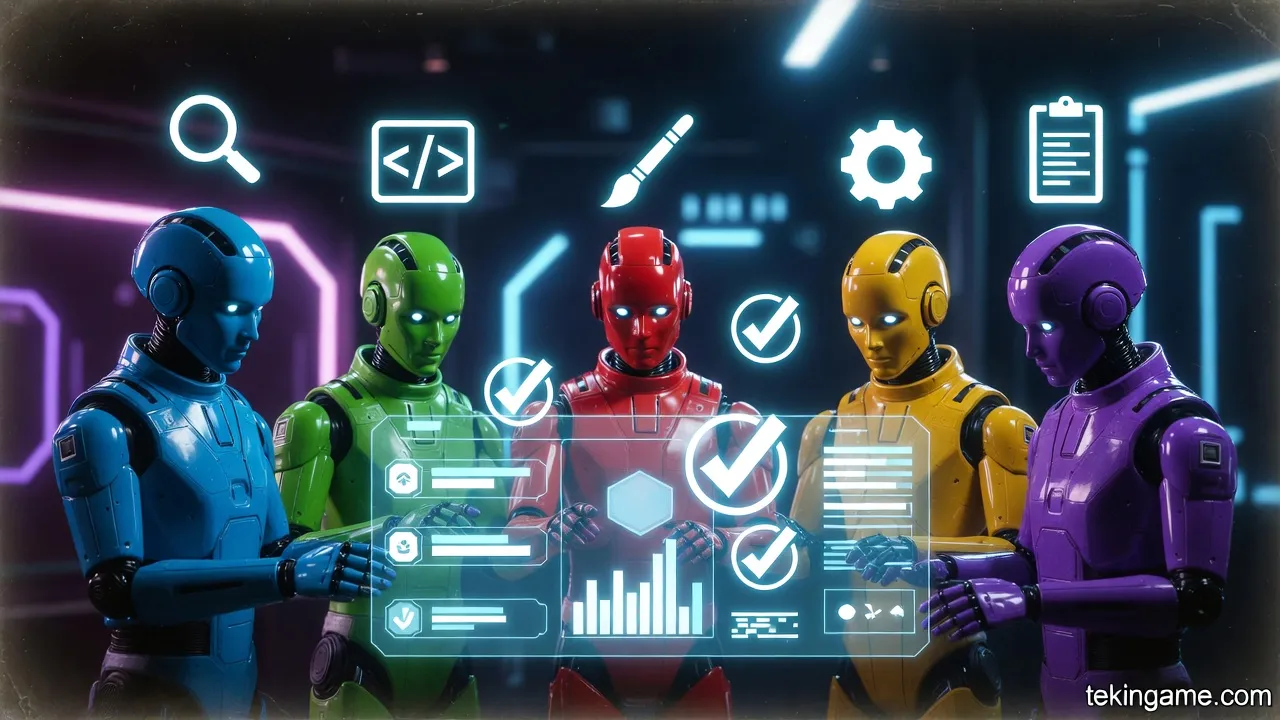
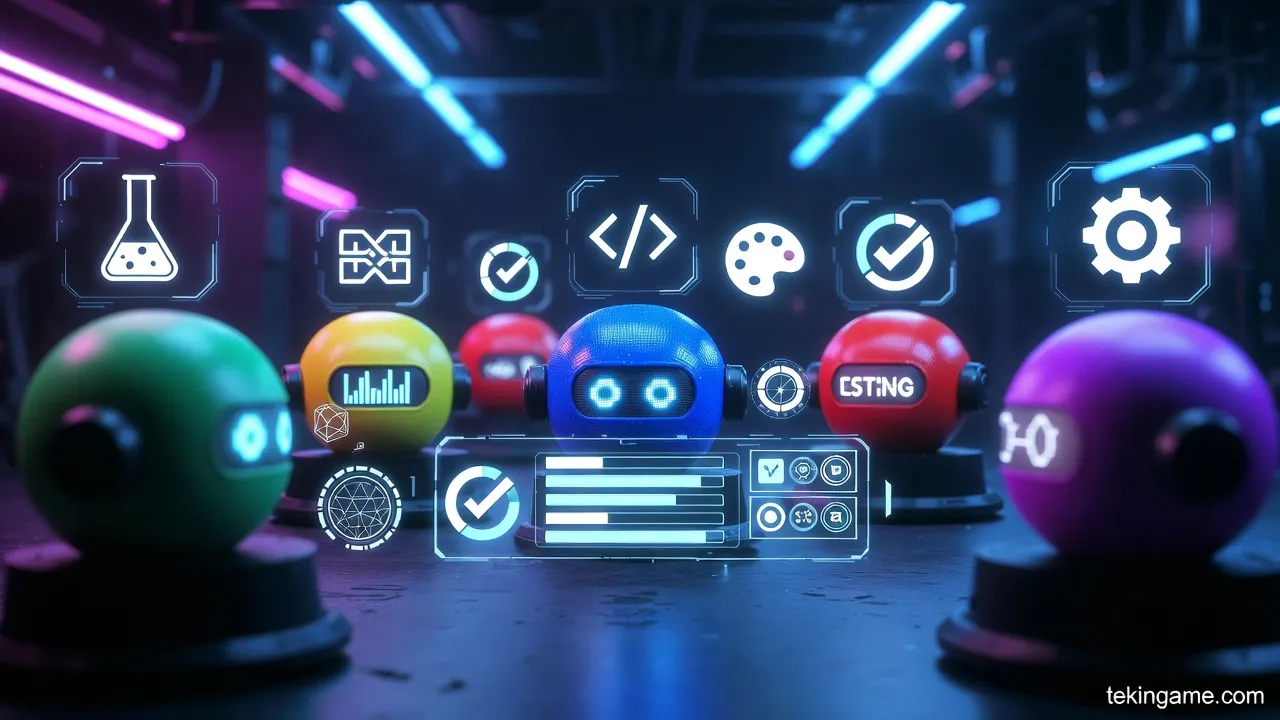
The future of Agentic AI lies in "agent teams." Imagine a team of specialist agents, each expert in a specific domain, collaborating together. For example:
- Research Agent: Collects and analyses data
- Programming Agent: Writes code
- Design Agent: Creates UI/UX
- Testing Agent: Checks quality
- Project Management Agent: Coordinates everyone
This is exactly what Microsoft is developing with AutoGen and Google with Multi-Agent Systems. By the end of 2026, we expect the first "fully automated companies" run entirely by AI agents to launch.
Key Takeaway for Businesses: If you're a CTO or technology executive, now is the time to build your Agentic AI strategy. Companies that adopt this technology early will have an enormous competitive advantage. But remember: security and control must be priorities.

Trend Two: Physical AI - Humanoid Robots Enter Our Homes
From Software to Hardware: The Robot Revolution
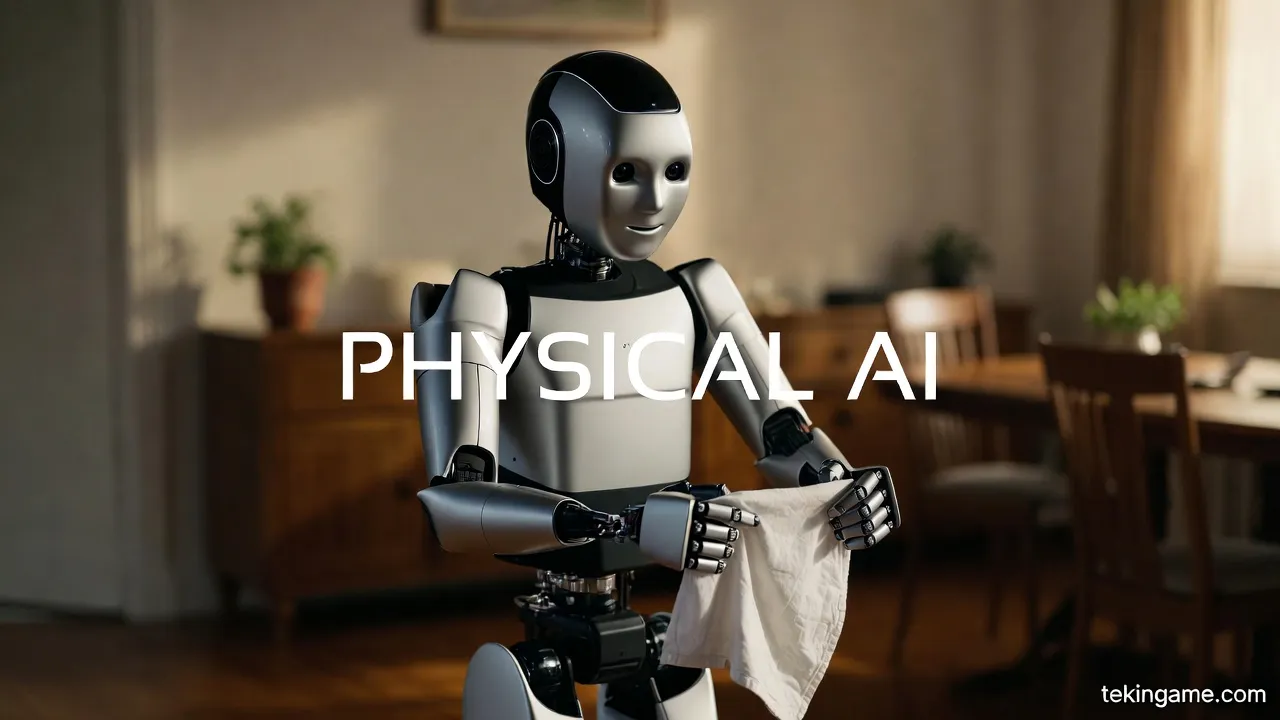
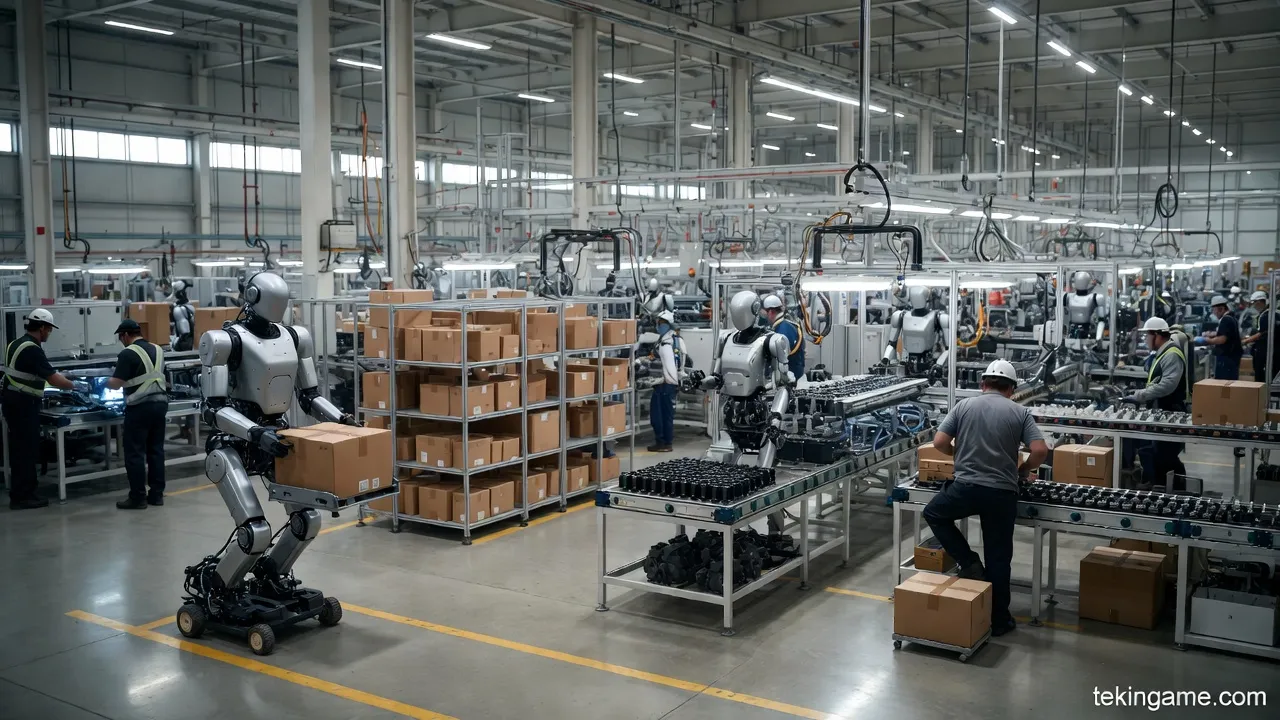
Whilst Agentic AI is transforming the digital world, Physical AI is doing the same in the physical world. Humanoid robots are no longer confined to science fiction films - they're entering factories, warehouses, and even our homes.
Why humanoid robots? The answer is simple: our world is designed for humans. Stairs, doors, handles, switches - all built for human hands and feet. So it makes sense to build robots that can operate in these environments without needing to redesign everything.
Key Players: Who's Building the Future?
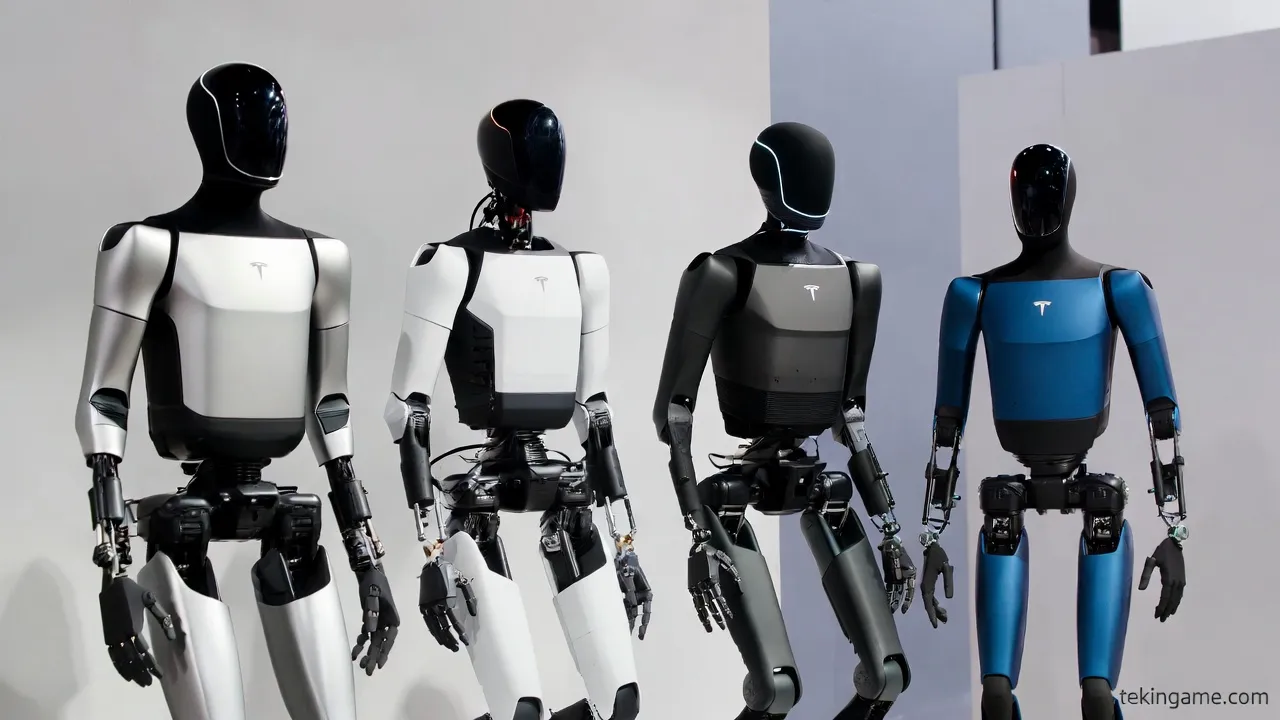
1. Tesla Optimus Gen 3: Elon Musk claims Optimus will enter mass production by the end of 2026. The third generation can walk at 8 km/h, lift 20 kg, and even move an egg without breaking it. Target price? Under $20,000 - less than a budget car!
2. Figure 02: Built in collaboration with OpenAI, this robot can converse with humans, understand complex instructions, and perform precise tasks like sorting parts on a production line. BMW is testing Figure 02 in its factories.
3. Boston Dynamics Atlas: The latest fully-electric (not hydraulic) Atlas can perform acrobatic movements, navigate obstacles, and even do backflips. This robot is designed for heavy industrial work.
4. Unitree G1: The Chinese robot that, at just $16,000, is the cheapest commercial humanoid robot on the market. It can run, jump, and even do kung fu!
Real Applications: From Factory to Home
Industry and Logistics: Amazon is testing humanoid robots in its warehouses. These robots can move boxes, organise shelves, and even collaborate with human workers. The advantage? They can work 24/7 without fatigue.
Elderly Care: With the world's ageing population, the need for elderly care is increasing. Robots like Grace from Hanson Robotics can assist the elderly, administer medication, converse with them, and even monitor their vital signs.
Smart Homes: Imagine a home robot that can fold your clothes, wash dishes, cook, and even play with your children. This is no longer fantasy - companies like 1X Technologies with their NEO robot are working on this future.
Technical Challenges: Why Aren't We Ready Yet?
Despite impressive progress, humanoid robots still face serious challenges:
Battery and Energy: A typical humanoid robot only works 2-4 hours on a single charge. This isn't sufficient for industrial applications. Tesla claims Optimus Gen 3 can work up to 8 hours, but that's still less than a full work shift.
Precision and Agility: Whilst robots can perform repetitive tasks well, they're still weak at tasks requiring high precision and quick decision-making. For instance, a robot can't make a perfect omelette like a professional chef.
Cost: Although prices are falling, a humanoid robot is still too expensive for the average family. Until prices drop below $10,000, the consumer market won't truly open.
The Future: Personalised Robots
The future of Physical AI lies in personalisation. Imagine a robot that learns your behaviours, knows your preferences, and even has its own distinct personality. This is exactly what companies like Sanctuary AI with their Phoenix robot are working on.
Prediction: By the end of 2027, over 100,000 humanoid robots will be working in factories and warehouses worldwide. And by 2030, the first home robots priced under $10,000 will enter the market.
Trend Three: Foldable Phones - The iPhone Fold Revolution
Why Foldable Phones?
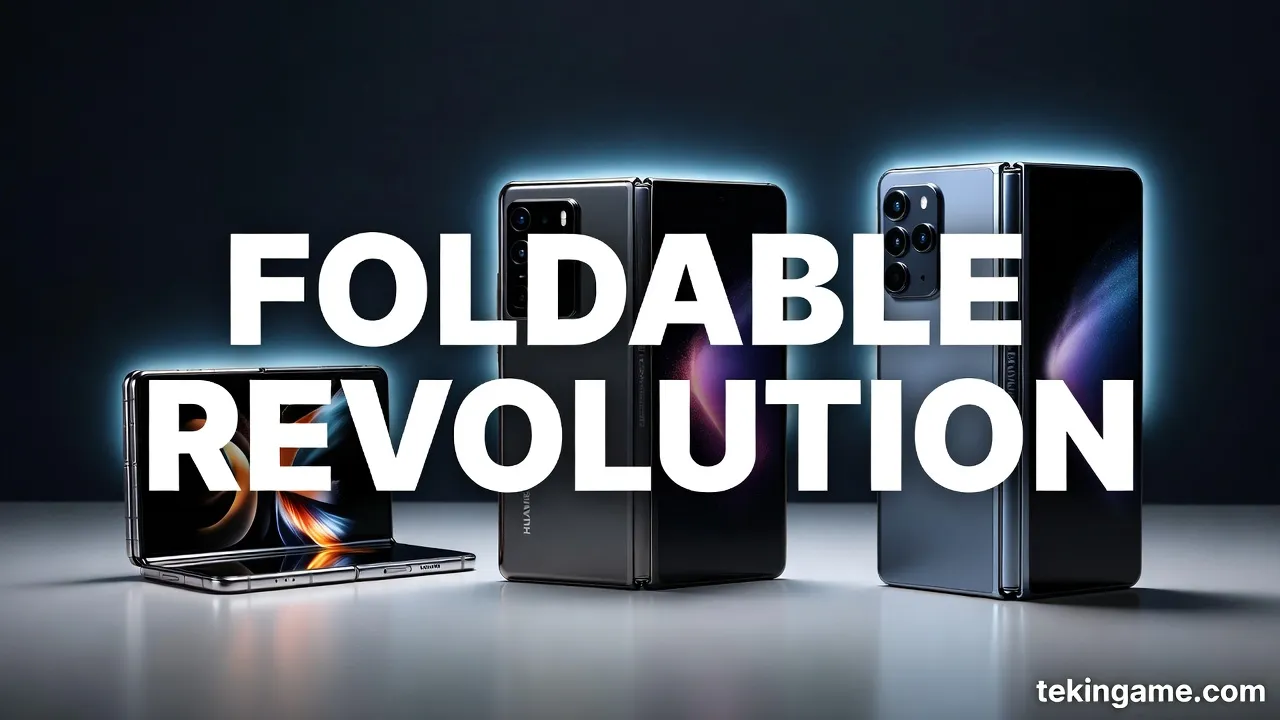
Foldable phones are no longer a novelty - Samsung has been producing them since 2019. But 2026 is the year of real transformation for this industry, because two major events are unfolding:
- Apple's Entry: Strong rumours suggest Apple will unveil its first iPhone Fold in September 2026
- Tri-fold Phones: Huawei's Mate XT demonstrated that a 10-inch tablet can be folded to the size of a regular phone

Samsung Galaxy Z Fold 6 and Z Flip 6: Current Market Leaders
Samsung remains the foldable phone market leader. The Galaxy Z Fold 6 with its 7.6-inch internal display and Snapdragon 8 Gen 3 processor is the most powerful foldable on the market. But more interesting is the Galaxy Z Flip 6, which with its clamshell design and relatively affordable price ($999), has become the world's most popular foldable phone.
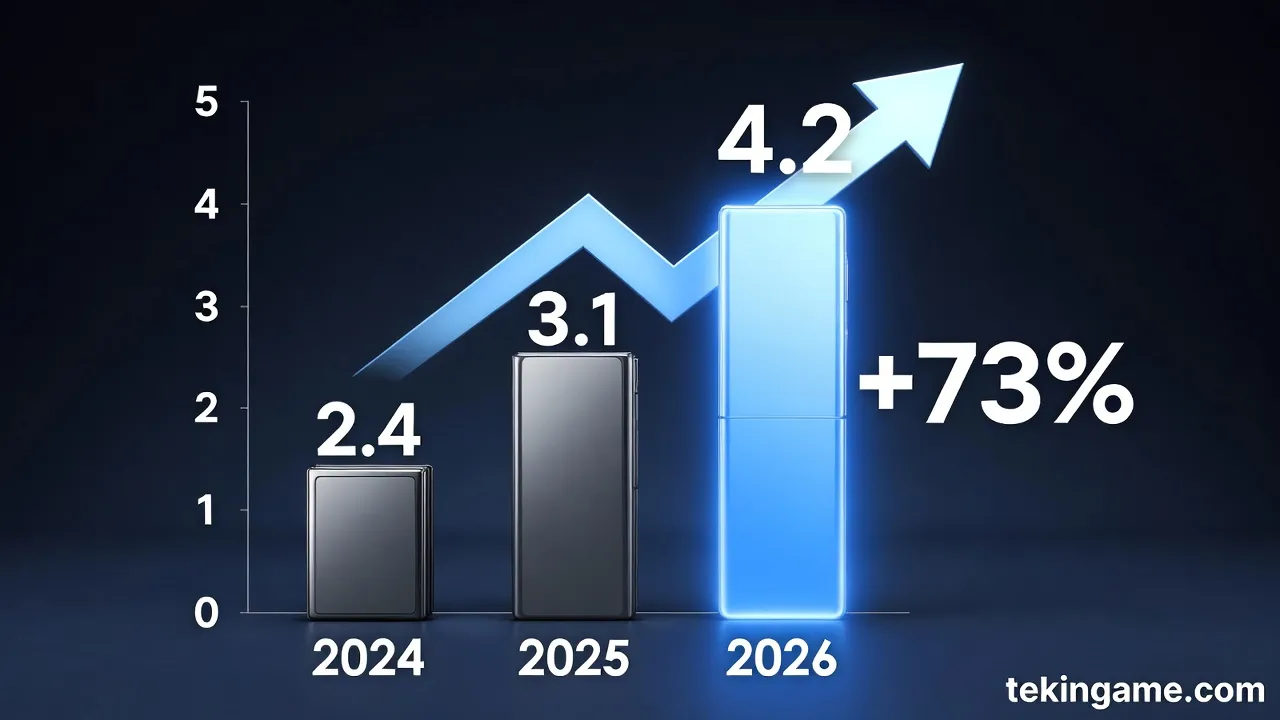
Interesting note: According to IDC's report, in Q1 2026, foldable phone sales grew 73% to reach 4.2 million units. This shows the market is maturing.
Huawei Mate XT: The World's First Tri-fold Phone
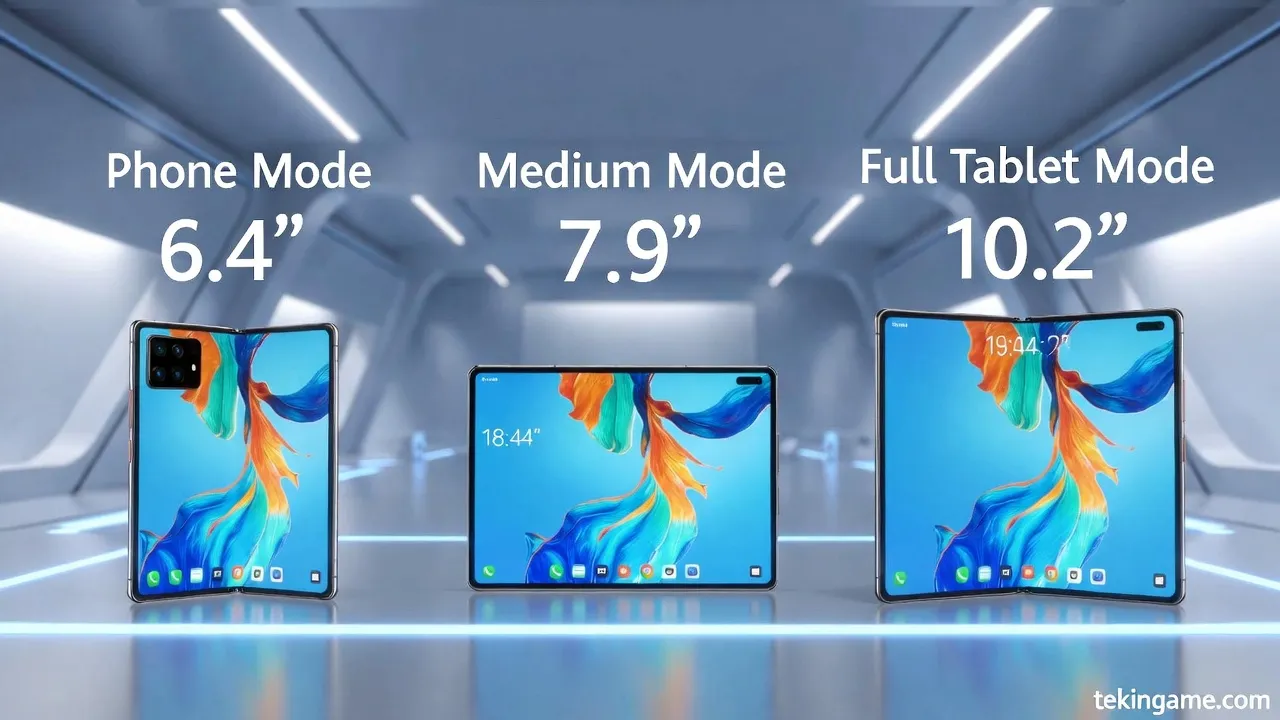
But the real innovation is in the Huawei Mate XT Ultimate - the world's first tri-fold phone. This device can fold into three different modes:
- Phone Mode: 6.4 inches - like a regular phone
- Medium Mode: 7.9 inches - like a small tablet
- Full Mode: 10.2 inches - like an iPad Mini
The price? $2,800! But this is just the beginning. Huawei claims that by the end of 2026, they'll release a cheaper version priced around $1,500.
iPhone Fold: The Biggest Event of 2026?
But all eyes are on Apple. Rumours suggest the iPhone 17 Fold (or whatever Apple chooses to call it) will be unveiled in September 2026. Why does this matter?
1. Apple's Ecosystem: When Apple enters a market, the entire industry transforms. Developers start building apps optimised for foldable screens, accessories are released, and new standards are defined.
2. Build Quality: Apple is renowned for its high build quality. If Apple can create a flawless hinge and a crease-free display, it could solve the biggest problem with foldable phones.
3. Pricing: Rumours suggest the iPhone Fold will be priced around $1,799 - less than the Galaxy Z Fold 6 ($1,899). This could completely transform the market.
Predicted iPhone Fold Specifications:
- 8-inch internal display with LTPO OLED technology
- A18 Pro processor
- 5x periscope camera
- 4,500 mAh battery
- Apple Pencil support

Challenges: Why Doesn't Everyone Have a Foldable Yet?
Despite all the excitement, foldable phones still face serious problems:
Durability: Hinges start weakening after 200,000 folds. This means about 2-3 years of normal use - less than a regular phone.
Price: Even the cheapest foldable phone (Motorola Razr) costs around $700 - double a good mid-range phone.
Weight and Thickness: Foldable phones are still heavier and thicker than regular phones. The Galaxy Z Fold 6 weighs 239 grams - nearly double the iPhone 15 Pro (187 grams).
Trend Four: Embedded Finance 2.0 - Payment Within the Experience
What Is It and Why Is It Revolutionary?
Embedded Finance means payments that no longer require leaving the primary experience. Imagine you're playing Fortnite and want to buy a new skin. Instead of being redirected to an external payment page, you simply press a button and the purchase is complete - everything within the game.
This concept isn't new, but in 2026 it reaches a new level. Why? Because it's now being implemented not just in games, but everywhere: social networks, fitness apps, educational platforms, and even cars!
Real Applications: From Uber to Tesla
1. Gaming & Metaverse: Roblox and Fortnite are pioneers in this space. In Roblox, players can purchase with "Robux" (in-game currency), but more interestingly, content creators can earn directly through the platform and transfer it to their bank accounts - all without leaving the app.
2. Social Commerce: Instagram and TikTok are integrating direct payment systems. Now you can see a product in a TikTok video and buy it with one click - no need to visit the seller's website.
3. Ride-Sharing: Uber and Lyft implemented Embedded Finance years ago. You never need to pay manually - everything is automatic.
4. Connected Cars: Tesla and BMW are implementing in-car payment systems. Imagine you're driving and need to pay for parking - the car pays automatically without you needing to take out your card or phone.

The Technology Behind the Scenes
Embedded Finance operates on three key technologies:
1. API Banking: Banks are opening their APIs so fintech companies can connect directly to banking systems. This means faster, cheaper, and more secure payments.
2. Digital Wallets: Apple Pay, Google Pay, and other digital wallets act as an intermediary layer. You enter your payment information once, then can pay with one click everywhere.
3. Blockchain & Stablecoins: Some platforms are using stablecoins (digital currencies with stable value) for international payments. The advantage? Lower fees and higher speed.
Challenges: Security and Regulation
But Embedded Finance faces serious challenges:
Security: When payments are embedded everywhere, security risks increase. If a hacker gains access to an app, they could also access users' payment information.
Regulation: Payment laws differ across countries. A company wanting to implement Embedded Finance globally must comply with dozens of different regulations.
User Control: When payments become too easy, users might lose control and overspend. This is particularly problematic in games and gambling apps.
Trend Five: Real World Assets (RWA) - Tokenising Physical Assets
What Is It and Why Does It Matter?
Real World Assets (RWA) means converting physical assets like property, stocks, bonds, and even artwork into digital tokens on blockchain. Why does this matter? Because it can democratise ownership and allow ordinary people to invest in assets that were previously only accessible to the wealthy.
Imagine you want to invest in a commercial building in central New York. Normally, you'd need millions of dollars. But with RWA, you can invest just $100 and own a small share of that building. And the best part? You can sell that share anytime - without needing a lawyer, bank, or broker.
The RWA Market: Explosive Growth
According to Boston Consulting Group, the RWA market will reach $16 trillion by the end of 2026. That's 400% growth compared to 2024! Why this growth?
- Clearer Regulations: Countries like Switzerland, Singapore, and the UAE have passed clear laws for RWA
- Major Institutions Entering: Banks like JPMorgan, HSBC, and Citi are launching their own RWA platforms
- Better Technology: New blockchains like Ethereum Layer 2 and Solana have become faster, cheaper, and more scalable
Real Applications: From Property to Artwork
1. Real Estate: Platforms like RealT and Lofty allow you to divide property into small tokens. For example, a $500,000 apartment can be divided into 500,000 tokens, each worth $1. Now anyone can own part of that apartment with just $100.
2. Stocks and Bonds: Companies like tZERO and Securitize are tokenising company shares. The advantage? 24/7 trading, lower fees, and global access.
3. Artwork and Collectibles: Platforms like Masterworks allow you to invest in million-dollar paintings. A $10 million Picasso can be divided into 10,000 shares, each worth $1,000.
4. Commodities: Gold, silver, oil - all can be tokenised. Paxos Gold (PAXG) is a token where each unit is backed by one ounce of physical gold.
Challenges and Risks
But RWA isn't without challenges:
Regulation: Property ownership and transaction laws vary greatly across countries. A property token that's legal in America might be illegal in Europe or Asia.
Liquidity: Whilst tokenisation is supposed to increase liquidity, in practice many RWA tokens still have low liquidity. If you want to sell your token, you might not find a buyer.
Security and Custody: If a tokenised building burns down or is demolished, what happens to the tokens? Who's responsible? These questions still lack clear answers.
The Future: Everything Gets Tokenised
Despite the challenges, the future of RWA is bright. By 2030, it's predicted that over 10% of all global assets will be tokenised in some form. This means democratised investment, increased liquidity, and reduced transaction costs.
Note for Investors: If you want to invest in RWA, do your research. Make sure the platform is legal, the asset actually exists, and proper security mechanisms are in place. And never invest more than you can afford to lose.
Conclusion: Prepare for Transformation
2026 is an inflection point in technology history. Five major trends - Agentic AI, Physical AI, Foldable Phones, Embedded Finance, and RWA - are all simultaneously reaching maturity and poised to transform our world.
But these transformations aren't just for big companies. Everyone can benefit from these opportunities:
- Developers: Learn how to work with AI agents. This skill will be extremely valuable over the next 5 years.
- Businesses: Build your Embedded Finance strategy. Customers expect seamless, easy payments.
- Investors: Look at RWA. This is a major opportunity to democratise investment.
- Consumers: Prepare for foldable phones and home robots. They'll enter your life sooner than you think.
The future is here. The question isn't whether these transformations will happen - it's how you'll prepare for them.
Sources:
- Deloitte Tech Trends 2026 Report
- CB Insights State of AI 2026
- International Banker Fintech Report 2026
- Boston Consulting Group - Tokenisation of Real World Assets
- IDC Foldable Phone Market Analysis Q1 2026
⚖️ نتیجهگیری معمار سیستم (Tekin Verdict)
بررسیهای عمیق دپارتمان تحقیقات ارتش تکین نشان میدهد که موضوع 5 Major Technology Trends in 2026: From Autonomous Agents to Humanoid Robots صرفاً یک اتفاق گذرا نیست، بلکه تکه پازلی از یک تغییر معماری بزرگتر در صنعت تکنولوژی و سرگرمی است. ما در تکینگیم همواره این تحولات را زیر نظر داریم تا شما را در خط مقدم اخبار تحلیلی و بدون فیلتر نگه داریم.