
Intro: Medicine's New Frontier
Hello Tekin Army! The organ donor shortage is one of modern medicine's greatest tragedies, with thousands dying on waitlists every year. But what if we could print organs on demand? **3D bioprinting** is making that a reality, blending engineering, biology, and computing to transform regenerative medicine and disease treatment. In this Tekin Plus deep dive, we break down how it works, its breakthroughs, and what's next.
Chapter 1: What Is a 3D Bioprinter and How Does It Work?
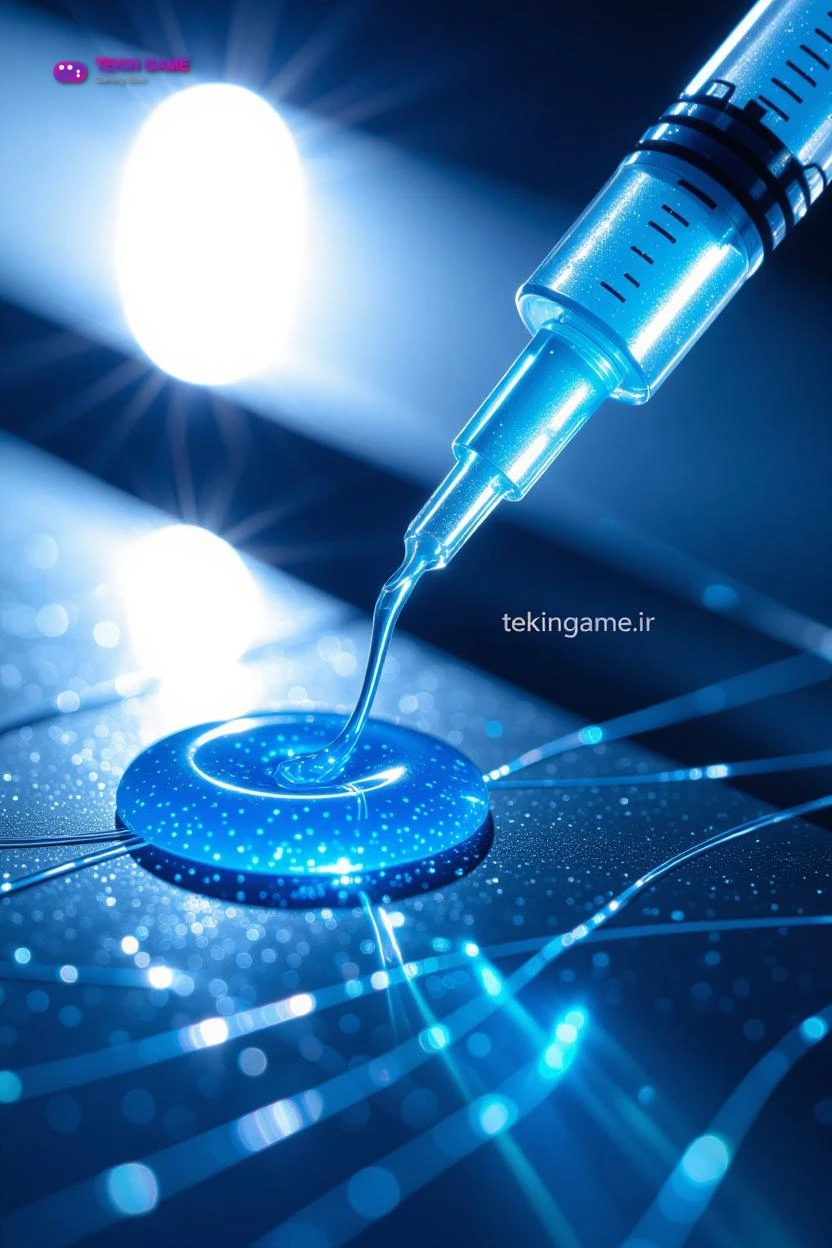
At its core, a 3D bioprinter uses **bio-ink**—a mix of living cells and biocompatible materials—to build biological structures layer by layer. The process boils down to three key stages:

- Pre-processing: Start with a digital model of the tissue or organ, created from medical scans like MRI or CT. Software slices it into thin digital layers to guide the printer.
- Processing: The printer deposits bio-ink loaded with stem cells or patient-specific cells onto a biocompatible scaffold, layer by microscopic layer, mimicking complex tissue architecture.
- Post-processing: The printed structure goes into a bioreactor, where cells mature, connect, and form functional tissue. This step is crucial for viability and growth.
Chapter 2: From Bio-Ink to Living Tissue
The magic of bioprinting hinges on top-tier **bio-ink**. It needs to flow smoothly through printer nozzles, solidify quickly to hold shape, and provide a non-toxic, nutrient-rich home for cells to thrive. Hydrogels like alginate and collagen—gel-like materials that mimic human tissue—are the go-to choices.
Chapter 3: Today's Wins: Skin, Cartilage, and Mini-Organs
Printing a full heart is still ambitious, but simpler tissues are already making waves. Clinicians are testing printed skin for burn victims and drug trials, plus cartilage for joint repairs. Researchers have also crafted **organoids**—mini versions of livers and kidneys. These don't replace full organs but excel at modeling diseases and testing drugs in human-like setups.
Chapter 4: The Big Hurdle: Printing Complex Organs Like Hearts and Kidneys
The toughest challenge? **Vascularization**—creating intricate blood vessel networks to deliver oxygen and nutrients. Current tech struggles with these delicate systems. Other issues include ensuring post-transplant function and dodging immune rejection, though patient-derived cells minimize that risk.
Chapter 5: The Ethical and Social Future of Bioprinting
Like any game-changing tech, bioprinting raises tough questions. Will it widen the health gap, available only to the wealthy? Could it veer into human enhancement rather than healing? Building solid ethical and regulatory frameworks is essential to steer it right.
Conclusion: Dawn of a New Medical Era
3D bioprinting isn't sci-fi anymore—it's evolving science with the power to upend medicine and ease suffering for millions. We're years from fully functional printed hearts or kidneys, but progress accelerates daily. Tekin Plus will keep tracking every breakthrough.