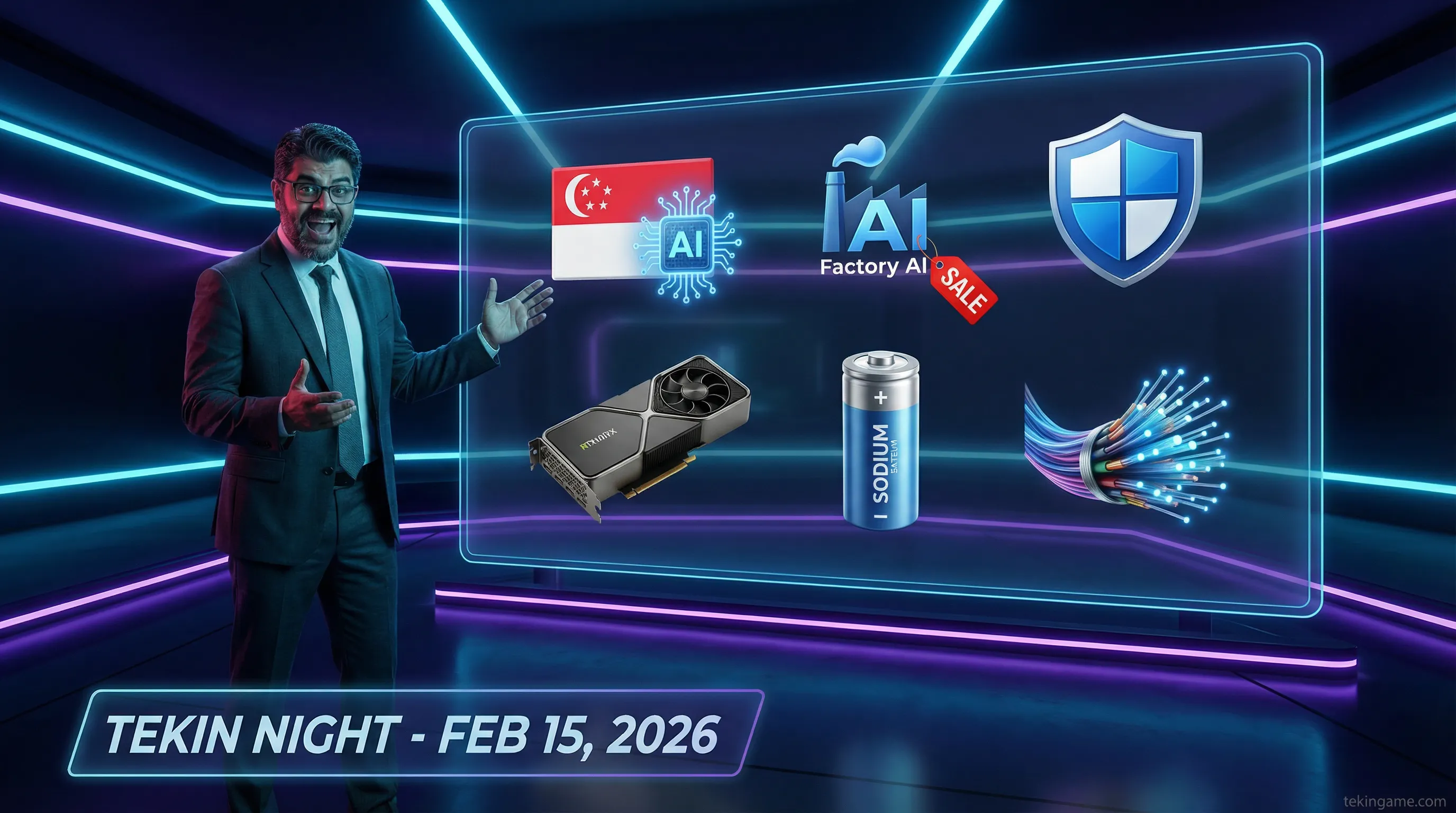
🌙 **Tekin Night - February 15, 2026: The Night Tech Went Wild** Tonight on Tekin Night, we cover 6 major tech stories shaping the future: 1. **Singapore: 6 Months of Free Premium AI Tools for All Citizens** - The Singapore government announced in its 2026 budget that all adult citizens will receive 6 months of free access to premium AI tools (like chatbots and content generation agents) to practice AI skills. 2. **Factory AI Discount Festival; From $20 Pro Plan to 60% Off Custom AI Solutions** - Factory AI has activated a massive wave of discounts: Pro plan with 20% off, Max Plan at $200/month for 200M tokens, up to 60% off custom solutions, and 30–45% price cuts on cameras and Edge AI. 3. **Windows 11 Refreshes Secure Boot Certificates in the Largest Security Operation in 10 Years** - Microsoft is refreshing Secure Boot certificates in what it calls "one of the largest coordinated security maintenance operations in the Windows ecosystem," potentially requiring users to perform major updates. 4. **New NVIDIA Bundle: Buy Select RTX 50 Series Cards, Get Resident Evil Requiem Free** - NVIDIA has introduced a new bundle where purchasing select RTX 50 Series cards gets you the full Resident Evil Requiem game for free; great news for gamers considering an upgrade. 5. **First Sodium-Ion Battery EV Hits Market; Cheaper Lithium Rival Performs Better in Cold Weather** - A Chinese automaker has released the first commercial EV with a sodium-ion battery, which has better stability in low temperatures than lithium and reduces pressure on the lithium supply chain. 6. **The Future of RAM? John Carmack Proposes Fiber Optic Network to Replace System Memory for AI** - John Carmack (technical brain behind Doom and Oculus) suggests that instead of expensive RAM, we could use low-latency fiber optic networks for massive AI models to make capacity virtually unlimited; an idea that, if realized, would revolutionize computer architecture. This comprehensive 3,500+ word report covers deep analysis of each story, economic and technical impacts, and future outlook.
1. Singapore: The Great AI Democracy Experiment 🇸🇬🤖
The Singapore government announced in its 2026 budget that all adult citizens (18+) will receive 6 months of free access to premium AI tools. This includes advanced chatbots (like GPT-4 Turbo, Claude Opus), content generation agents, data analysis tools, and even coding copilots.
This move is part of Singapore's "AI for All" strategy, aimed at preparing the workforce for an AI-driven economy. The Finance Minister stated: "We don't want AI to be a privilege of the elite. Every citizen should be able to work with these tools and acquire skills."
Why Is This Revolutionary?
Until now, access to premium AI tools has been a major barrier to public education. A ChatGPT Plus subscription costs $20/month, Claude Pro costs $20/month, and Copilot Pro costs $20/month. For a family of four, that's $240/month just to learn AI!
Singapore is paying this cost from the national budget and in return expects citizens to participate in online training courses and earn skill certificates. This is a long-term investment in human capital.
Who Qualifies?
All citizens and Permanent Residents (PR) of Singapore aged 18 and above. The program starts April 1, 2026 and runs until September 30, 2026. Users must register through the government SingPass portal and can choose from 15 different AI platforms.
Economic and Social Impact
Experts estimate this program will cost around SGD 150 million (about USD 110 million). But the return on investment could be massive: increased productivity, reduced digital divide, and workforce preparation for future jobs.
This move is also a strong political message: Singapore wants to position itself as the "Global AI Hub," where even ordinary citizens work with the most advanced tools.
2. Factory AI: The Price War in the AI Tools Market 💰🤖
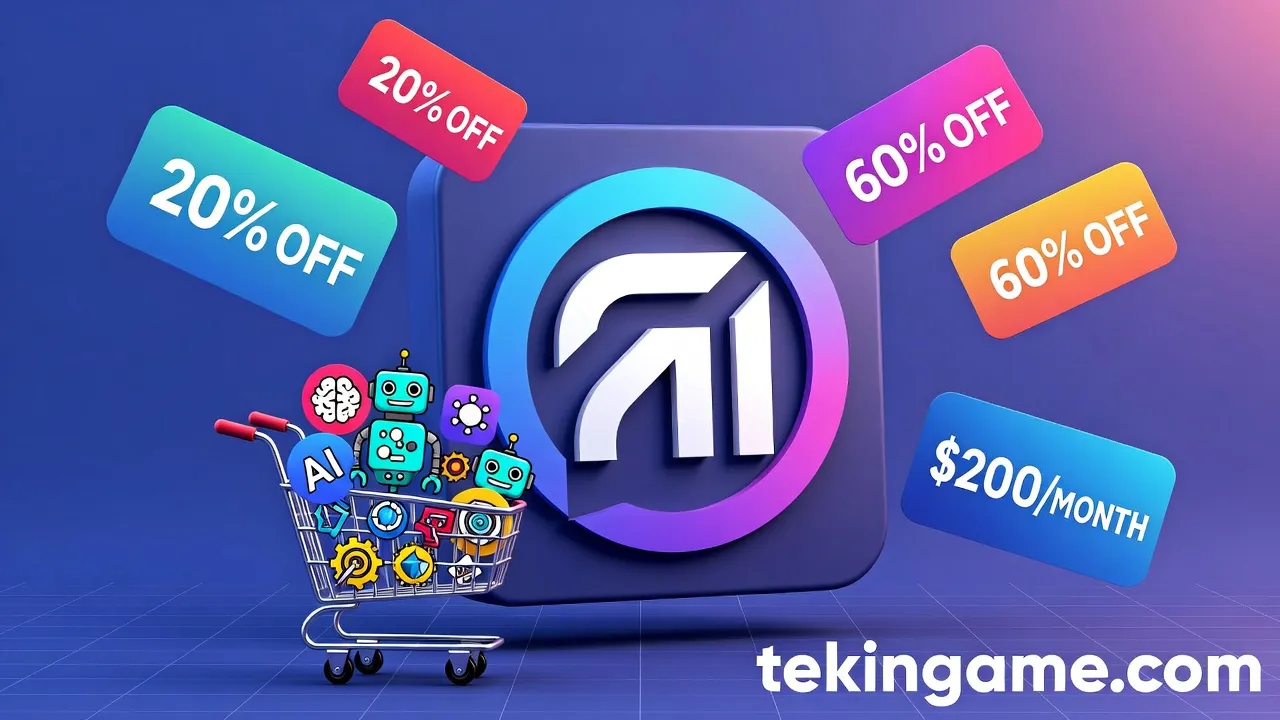
Factory AI, a serious competitor to OpenAI and Anthropic, has launched an unexpected discount festival that could shake up the AI tools market. These discounts include individual plans, enterprise solutions, and even Edge AI hardware.
Discount Details
- Pro Plan: From $25 to $20/month (20% off) - includes access to advanced models and 100M tokens/month
- Max Plan: $200/month for 200M tokens (previously $300) - suitable for startups and small teams
- Custom Enterprise Solutions: Up to 60% off for annual contracts - includes Fine-tuning, dedicated API, and 24/7 support
- Smart Cameras and Edge AI: 30–45% price reduction - for businesses wanting to run AI on local devices
Why Is Factory AI Doing This?
Two main reasons:
1. Intense Competition: OpenAI with GPT-4 Turbo, Anthropic with Claude 3 Opus, and Google with Gemini Ultra are all competing for customers. Factory AI must compete on price because it has less brand recognition than the giants.
2. Attracting Enterprise Customers: The real money is in B2B, not B2C. Factory AI wants to attract startups and mid-sized companies with heavy discounts and then convert them into long-term customers.
Market Impact
This price war is good news for end users. We're seeing a downward trend in AI tool pricing, just like what happened in the Cloud market in the 2010s. Prices will continue to fall until the market reaches equilibrium.
But this is dangerous for smaller AI companies. If they can't compete with the giants, they'll either be acquired or go bankrupt. We'll likely see a wave of consolidation in the AI industry over the next 2–3 years.
3. Windows 11: The Massive Secure Boot Security Operation 🔒💻
Microsoft announced it is executing "one of the largest coordinated security maintenance operations in the Windows ecosystem" in the past 10 years. This operation involves refreshing Secure Boot certificates on billions of Windows 11 devices.
What Is Secure Boot and Why Is It Important?
Secure Boot is a security mechanism in UEFI (the modern replacement for BIOS) that ensures only trusted, digitally signed software can run during system boot. This prevents Bootkit and Rootkit attacks - malware that loads before the operating system and is nearly undetectable.
Secure Boot certificates have expiration dates (typically 5–10 years). When these certificates expire, systems may fail to boot or display security error messages.
Why Now?
Many Secure Boot certificates issued during the Windows 8 and 10 era are approaching expiration. Microsoft must update billions of devices before it's too late.
This is done through Windows Update, but some older devices may require manual BIOS/UEFI updates - a task that's complex and risky for average users.
Impact on Users
Most users will have no problems. The update installs automatically and the system reboots once. But for power users and organizations, this can be complex:
- Dual-boot systems (Windows + Linux) may encounter issues
- Older devices no longer supported may fail to boot
- Organizations using Custom Boot Loaders must manually add new certificates
Microsoft recommends all users create a full system backup before updating.
4. NVIDIA: RTX 50 + Resident Evil Requiem Bundle 🎮🖥️
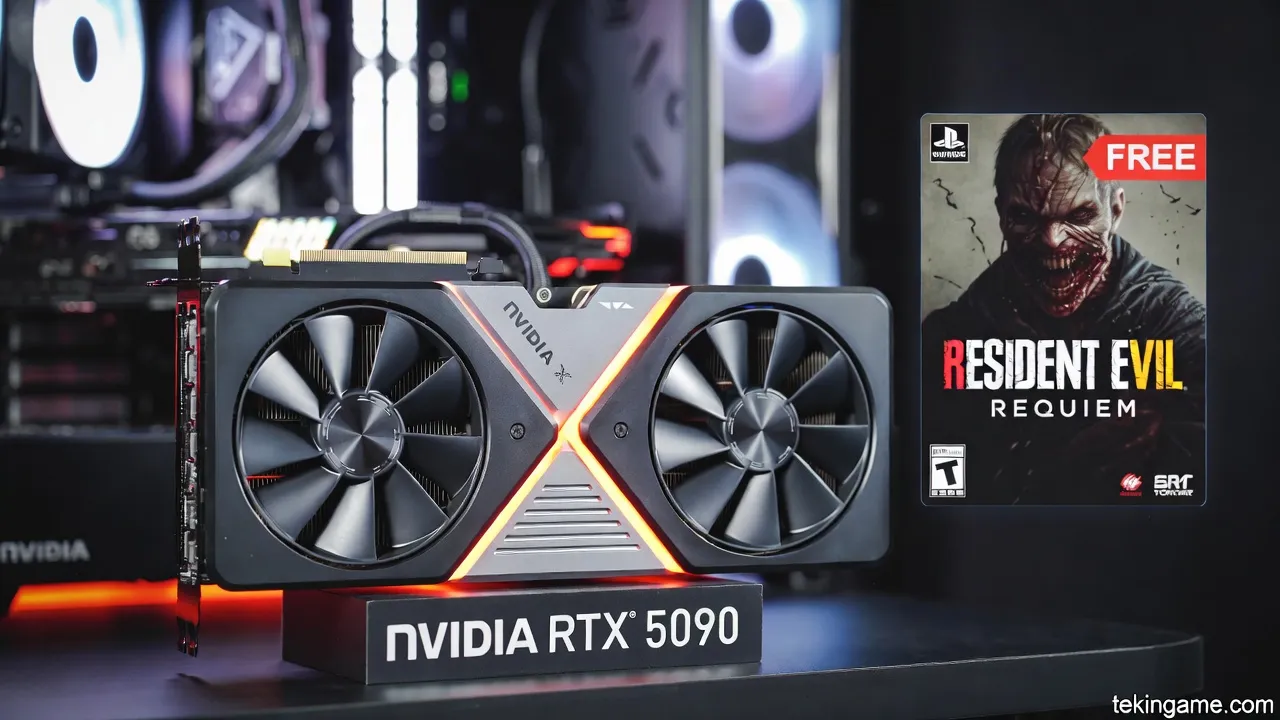
NVIDIA has introduced a new bundle where purchasing select RTX 50 Series graphics cards gets you Resident Evil Requiem (the latest installment in the famous Resident Evil series) for free.
Which Cards Qualify?
This bundle only applies to higher-end RTX 50 Series models:
- RTX 5080 (approx. price: $1,200)
- RTX 5090 (approx. price: $1,800)
- RTX 5090 Ti (approx. price: $2,200)
Lower-end models like RTX 5060 and 5070 are not included in this bundle.
Why Is This Bundle Important?
Resident Evil Requiem is a AAA game with a high budget and a standard price of $70. This means NVIDIA is subsidizing the purchase of its expensive cards to stimulate sales.
This strategy is typically used when sales are lower than expected. The RTX 50 Series launched at very high prices, and many gamers are waiting for price drops or cheaper models.
Is It Worth Buying?
If you were planning to buy a flagship graphics card anyway, this bundle is a nice bonus. But if you're only buying the card for gaming, it's probably better to wait for prices to drop.
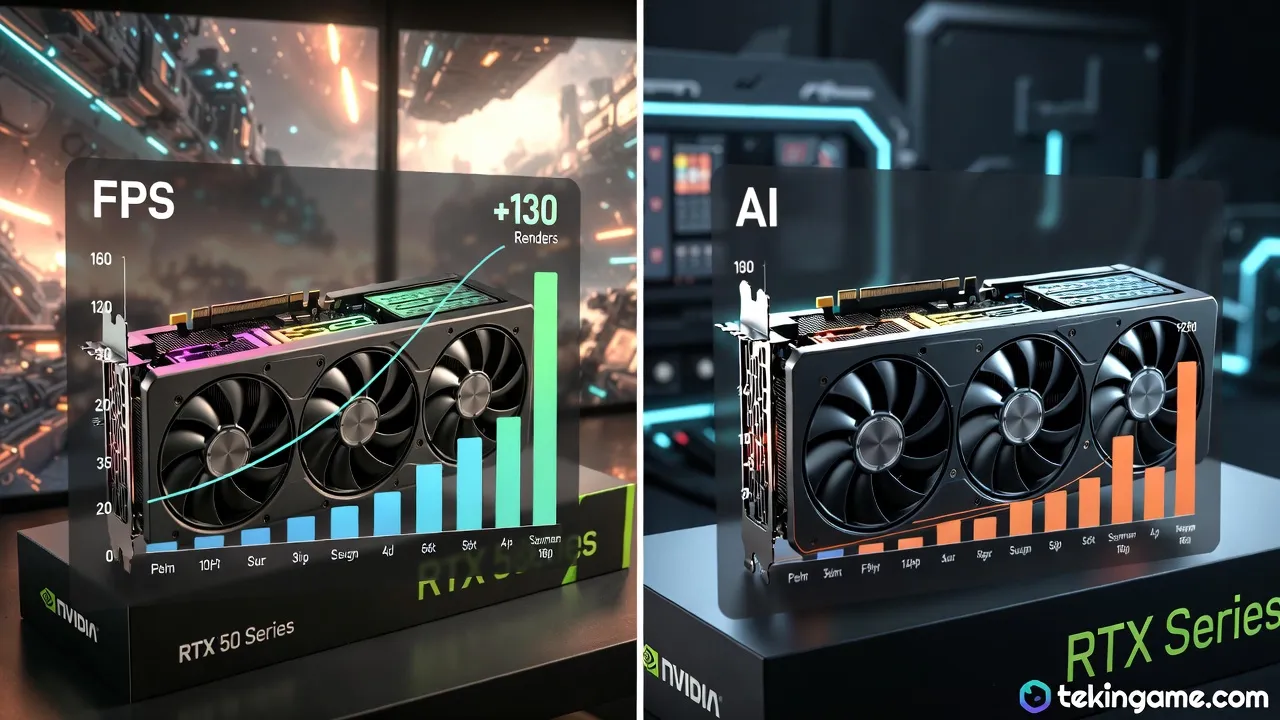
For those working on AI, 3D rendering, or video editing, the RTX 50 Series is a significant upgrade from the previous generation, and the game bundle is just a sweet extra.
5. Battery Revolution: The First Sodium-Ion EV 🔋⚡
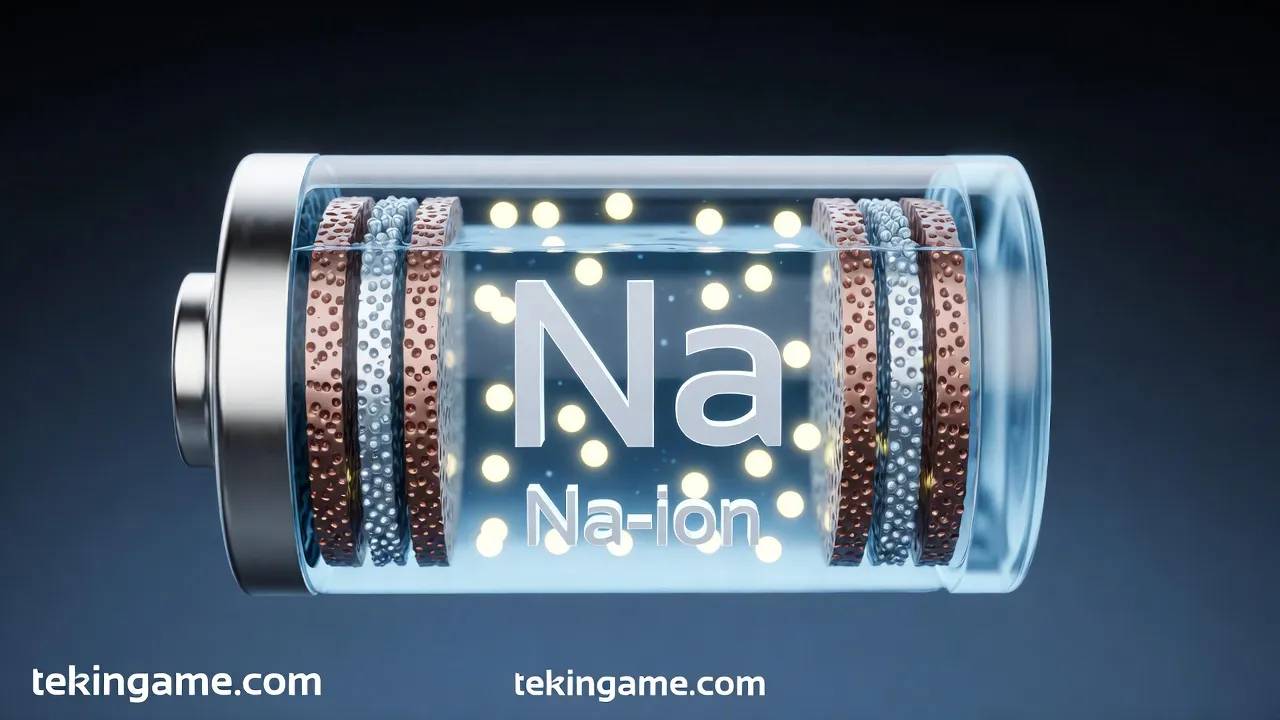
A Chinese automaker (likely BYD or CATL) has brought the first commercial electric vehicle with a sodium-ion battery to market. This is a milestone in the EV industry because sodium-ion batteries can be a cheaper and more sustainable alternative to lithium-ion.
Why Sodium-Ion?
Lithium-ion batteries have many problems:
- High Cost: Lithium is a rare and expensive material
- Limited Supply Chain: Most of the world's lithium is mined in China, Chile, and Australia
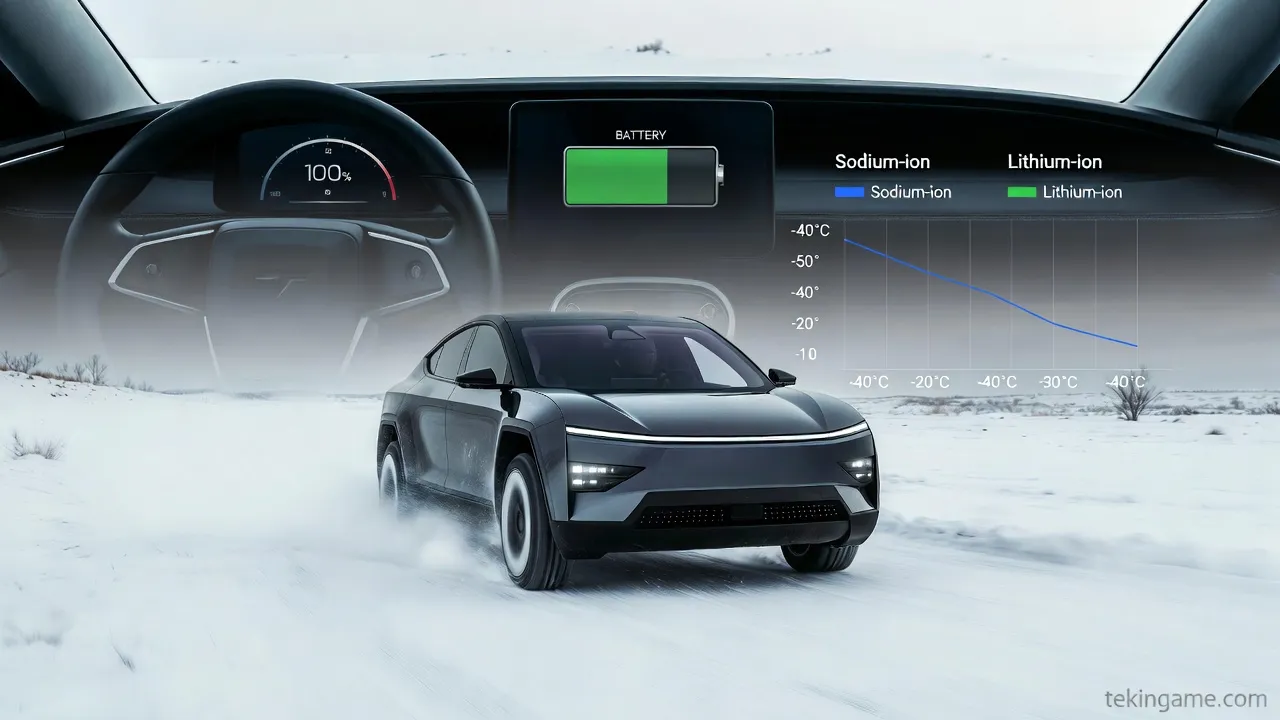
- Poor Cold Weather Performance: Lithium batteries lose capacity in low temperatures (below freezing)
- Fire Risk: Lithium batteries can explode if damaged
Sodium-ion batteries solve these problems:
- Cheaper: Sodium is one of the most abundant elements on Earth (sea salt!)
- Better Cold Performance: Work down to -40°C
- Safer: Much lower fire risk
- Higher Cycle Life: Can be charged and discharged more times
Limitations
Sodium-ion batteries have one major weakness: lower energy density. This means for the same amount of energy, a sodium-ion battery is larger and heavier than lithium-ion.
That's why the first sodium-ion EVs are designed for urban markets and short distances (range around 250–300 km), not for long trips.
Long-Term Impact
If sodium-ion technology can increase its energy density, it could completely transform the battery market. This means:
- Reduced dependence on lithium and cobalt
- Cheaper electric vehicles
- Reduced environmental impact of mining
- Increased energy security for countries without lithium resources
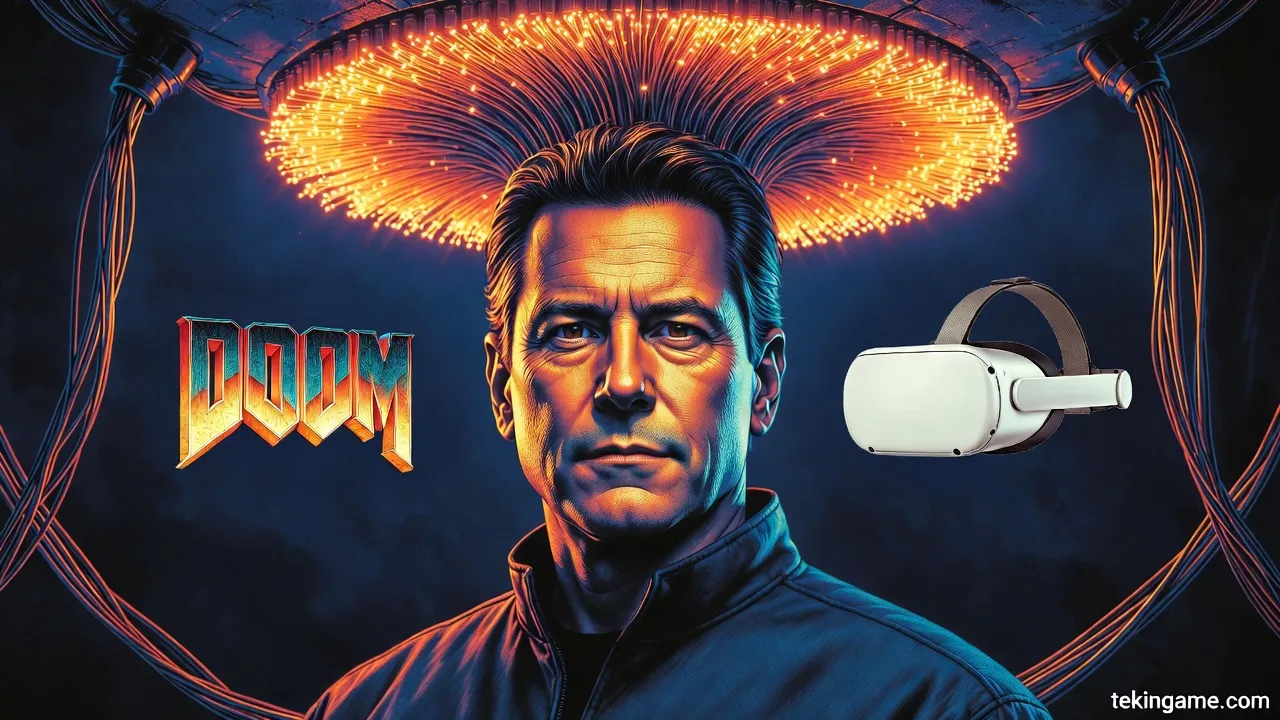
6. John Carmack: The Radical Future of Computer Memory 🧠💡
John Carmack, one of the legends of the gaming industry (creator of Doom and Quake) and former Chief Engineer at Oculus, has proposed a controversial idea: using fiber optic networks instead of RAM for massive AI models.
The Current Problem: The Memory Wall
Large AI models (like GPT-4, Claude, Gemini) require enormous memory. A 175-billion parameter model like GPT-3 needs about 700GB of RAM. Newer models with trillions of parameters need several terabytes of RAM!
The problem is that RAM is very expensive. A server with 1TB of RAM can cost over $100,000. For a large data center, this means billions of dollars in investment.
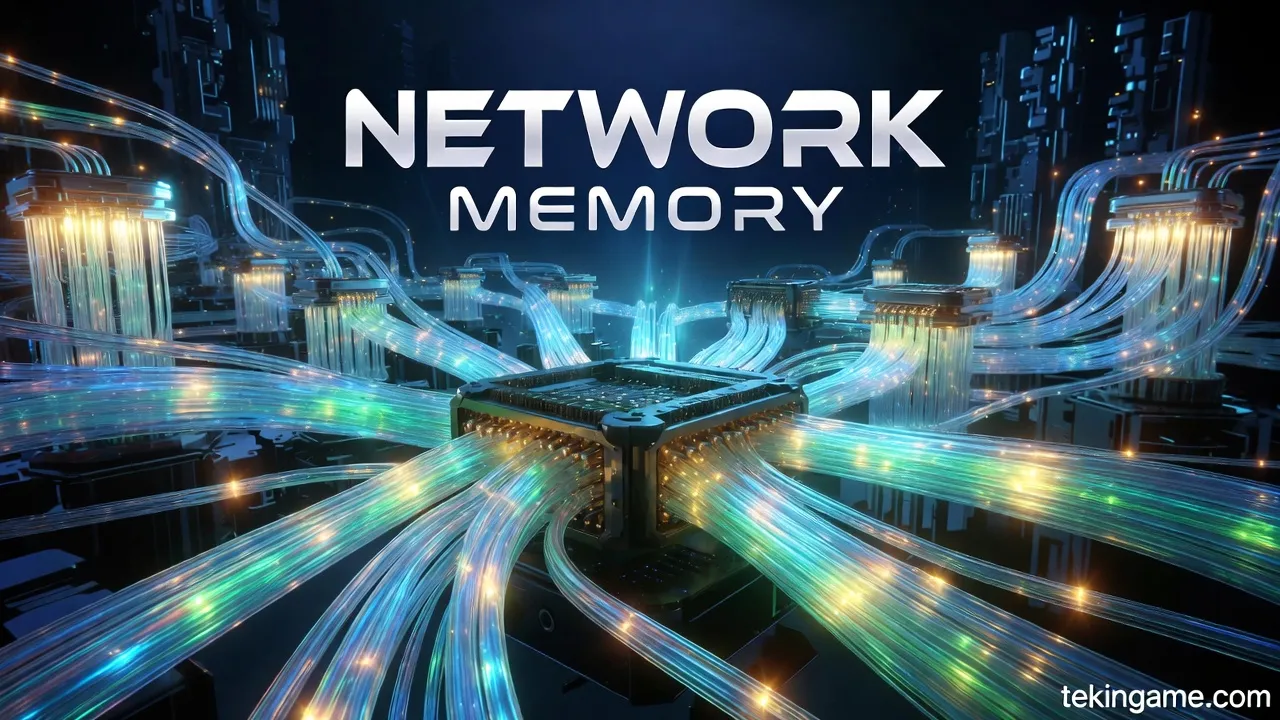
Carmack's Solution: Network Memory
Carmack suggests that instead of storing all data in local RAM, we use a fiber optic network with very low latency (under 1 millisecond). In this architecture:
- AI model data is stored on central storage servers
- GPUs access this data through the fiber optic network
- Only "hot" data (frequently used) is cached in local RAM
Pros and Cons
Pros:
- Virtually unlimited capacity (you can have petabytes of data)
- Much lower cost (SSD storage is much cheaper than RAM)
- High flexibility (you can easily add capacity)
Cons:
- Network latency (even with fiber optics, still slower than local RAM)
- Architectural complexity (requires smart caching algorithms)
- Network infrastructure dependency (if the network fails, everything stops)
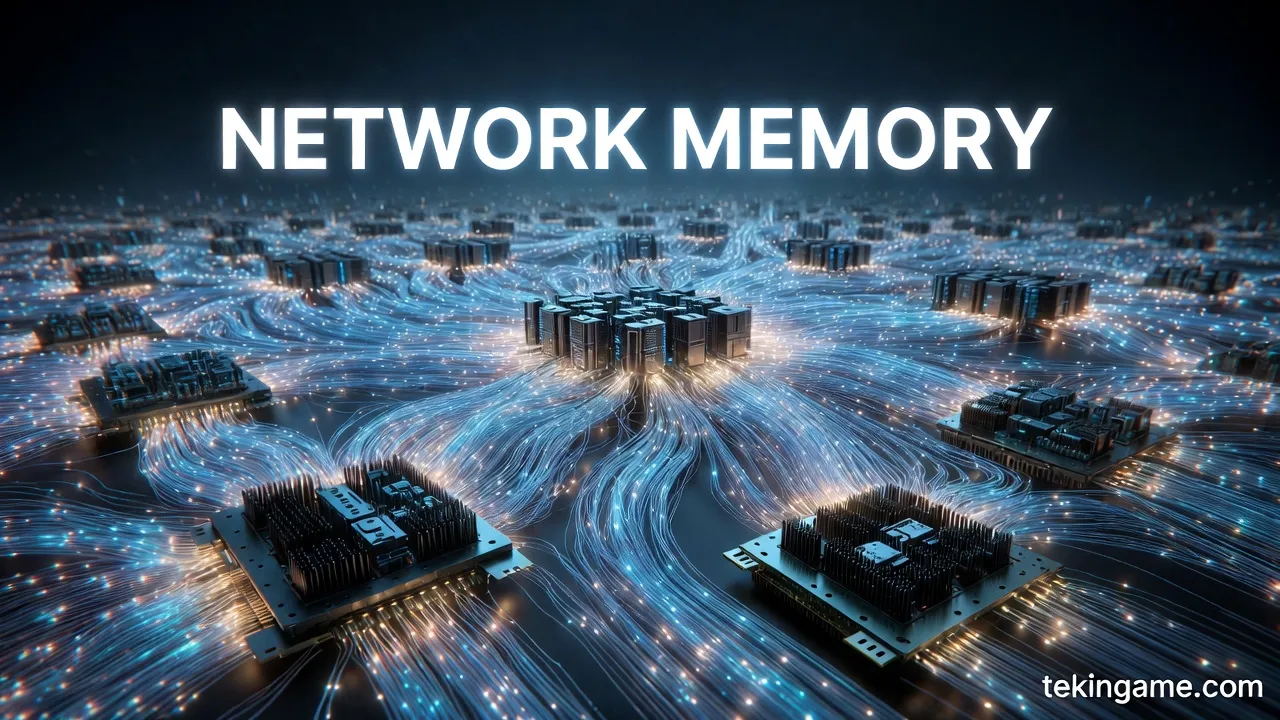
Is It Practical?
This idea isn't new. In the 1990s, researchers worked on "Distributed Shared Memory." But the technology of that time wasn't sufficient.
Today, with 400 Gbps fiber optics, RDMA (Remote Direct Memory Access), and smart caching algorithms, this idea might be practical.
If this architecture works, it could dramatically reduce the cost of training massive AI models and accelerate the democratization of AI.
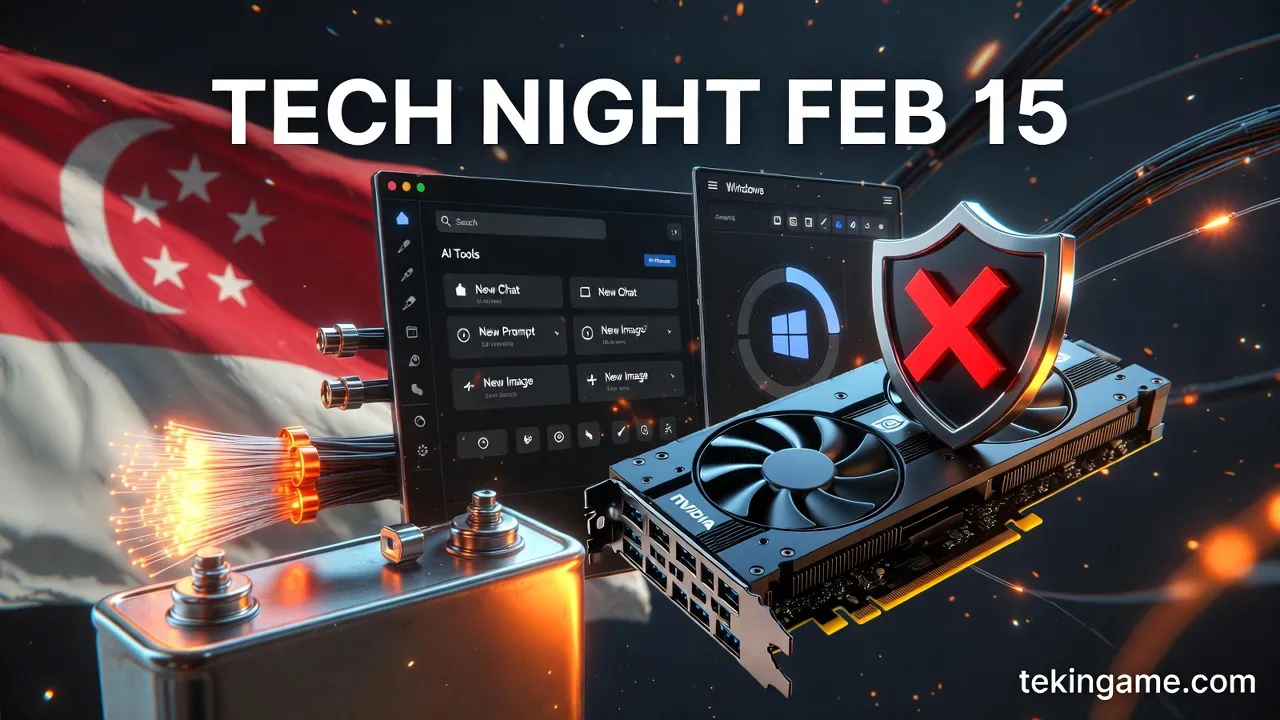
Conclusion: A Wild Night in Tech 🌙✨
Tonight we covered 6 major stories, each shaping the future of technology in its own way:
- Singapore showed that governments can play an active role in democratizing AI
- Factory AI showed that the price war in the AI market has begun, which is good news for consumers
- Microsoft showed that security is never-ending work and requires constant maintenance
- NVIDIA showed that even tech giants must work hard to sell their expensive products
- Sodium-ion batteries showed that innovation in energy can transform industries
- John Carmack showed that even fundamental concepts like "computer memory" are still open to redefinition
This was just one night in the fast-paced world of technology. Tomorrow brings newer and more exciting news. We at Tekin Night are always on the front lines of these developments to keep you updated.