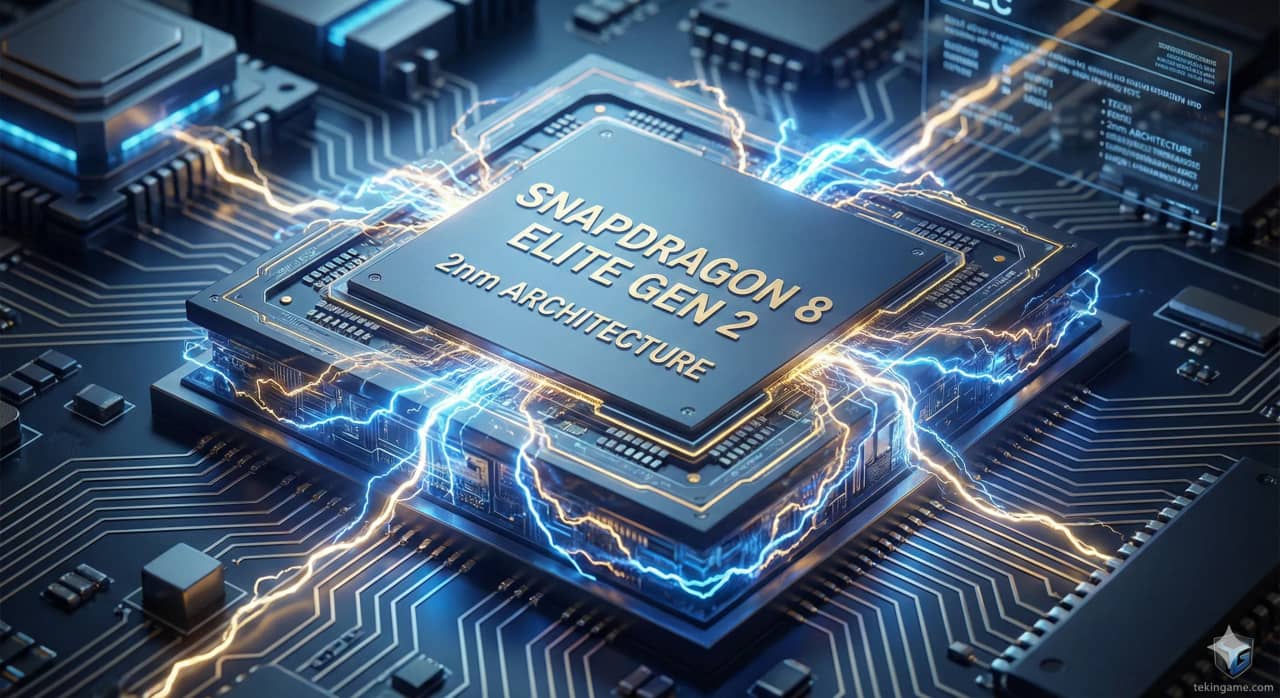
1. Introduction: The End of "Mobile" Computing
Today, Thursday, December 11, 2025, is the day we must redefine our understanding of the "smartphone." Hours ago, screenshots from the Geekbench 7 database surfaced on the Chinese social network Weibo and subsequently on X (formerly Twitter), allegedly showcasing the next flagship chipset from Qualcomm: the Snapdragon 8 Elite Gen 2.
Last year, the first-generation Elite with its custom Oryon cores surprised everyone. But Gen 2? This isn't just an "update"; it is a generational leap. If these numbers are authentic, the Samsung Galaxy S26 Ultra, expected to debut in early 2026, will effectively be a pocket-sized supercomputer.
2. Benchmarks Dissected: Numbers Don't Lie
2.1. Shockwaves in Single-Core Performance
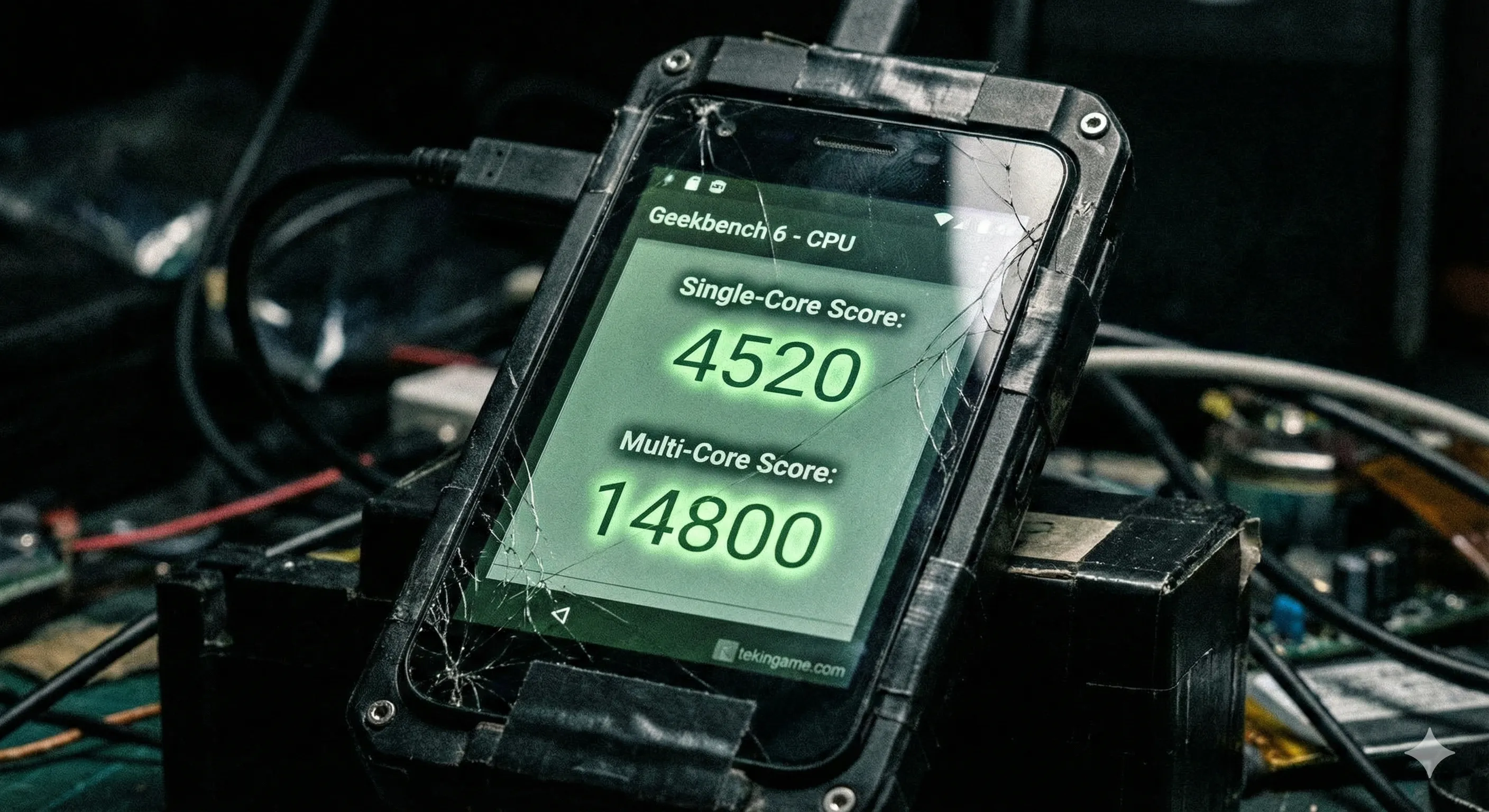
According to the leaked images, the test device (likely an engineering prototype of the Xiaomi 16 or OnePlus 14) achieved the following scores:
- Single-Core Score: 4,520
- Multi-Core Score: 14,800
2.2. The Great Comparison
Let’s compare this silicon monster against its direct rivals in the 2025/2026 landscape:
| Chipset | Single-Core | Multi-Core | Status |
|---|---|---|---|
| Snapdragon 8 Elite Gen 2 | 4,520 | 14,800 | Leaked (2026) |
| Apple A19 Pro | 4,100 | 12,500 | Estimated (iPhone 17) |
| Snapdragon 8 Elite (Gen 1) | 3,200 | 10,000 | Current (S25 Ultra) |
| Apple M4 (iPad Pro) | 3,800 | 14,500 | Desktop Class |
As you can see, Qualcomm has managed to catch up to the M4 chip used in iPad Pros and MacBooks in multi-core performance. This implies that video rendering and heavy multitasking on mobile are now mathematically equivalent to desktop performance.
3. Technical Architecture: The Magic of 2nm
3.1. 3rd Generation Oryon Cores
What is the secret behind this power? Qualcomm has finally moved to TSMC's N2 (2nm) lithography process.
This architecture allows for greater transistor density in a smaller footprint. Reports suggest the new chipset features 2 "Prime" cores clocked at a ludicrous 5.2 GHz!
This frequency is unprecedented in the mobile world. Previously, hitting 4 GHz was an achievement, but crossing the 5 GHz barrier signals entry into the territory of Intel and AMD desktop processors.
3.2. Farewell to Efficiency Cores
Continuing the trend from the previous generation, Qualcomm has completely removed "Efficiency Cores" in Gen 2. The core layout is likely a 2 + 6 configuration:
- 2 Ultra-Fast Prime Cores (for app launching and burst workloads)
- 6 Performance Cores (for sustained background tasks and multitasking)
4. Adreno 930 GPU: A Console in Your Pocket
4.1. The Gaming Revolution
On the GPU front, we are looking at the Adreno 930. GFXBench graphics benchmarks indicate this GPU is approximately 35% more powerful than its predecessor.
But raw rasterization isn't everything. The new "Slice" architecture in this GPU reportedly improves Ray Tracing performance by up to 50%.
What does this mean for gamers?
It means games like GTA VI (rumored to have a mobile companion version in development) or heavy ports like Cyberpunk 2077 could theoretically run at a solid 60fps at native 1080p on mobile, without relying solely on aggressive upscaling.
5. The NPU: The Brain Behind the Brawn
5.1. Fuel for Galaxy AI
Samsung has big dreams for the S26 series. The new Hexagon NPU (Neural Processing Unit) in this chipset is optimized specifically for Large Language Models (LLMs).
Leaks suggest this NPU can run AI models with up to 20 Billion (20B) parameters entirely On-Device.
Practical Results:
- Zero-latency real-time call translation.
- Offline image and video generation.
- A voice assistant that truly understands context without needing to ping a cloud server.
6. The Great Challenge: Heat and Battery
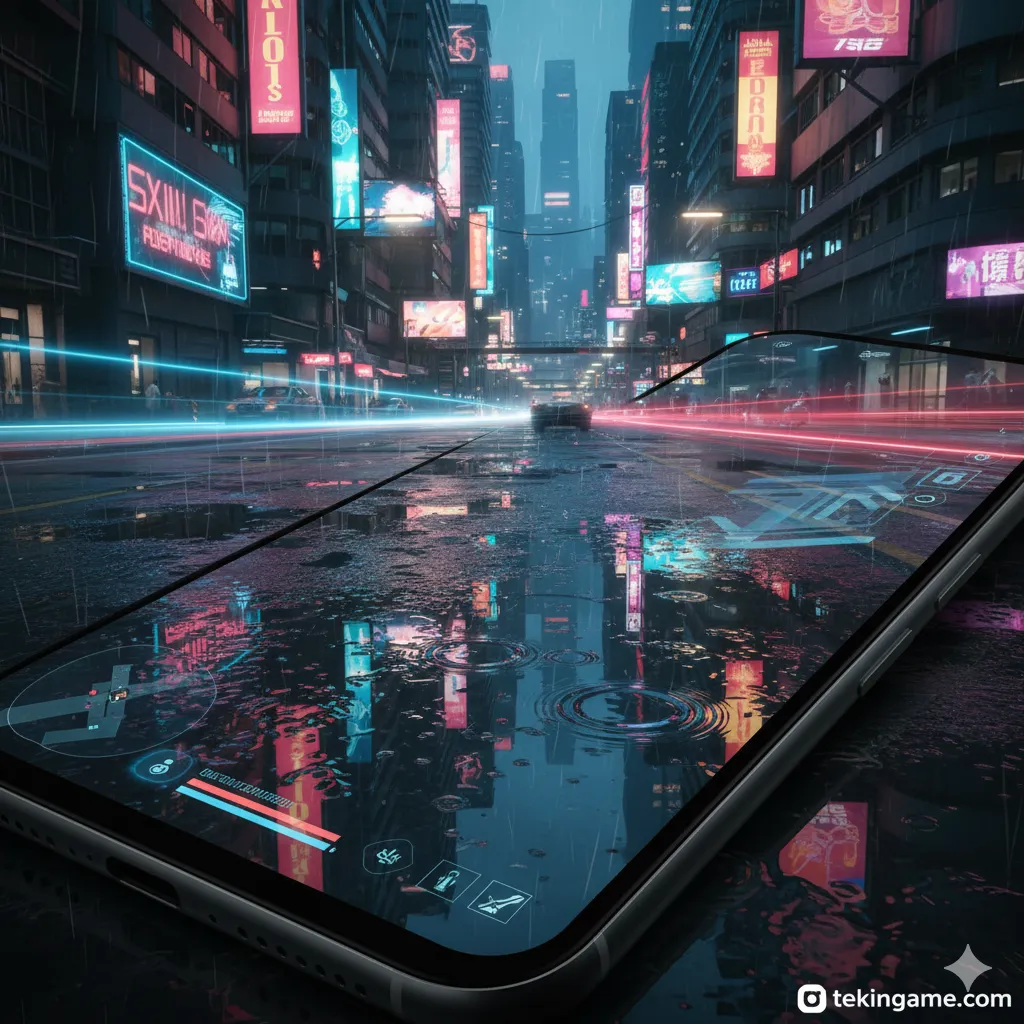
6.1. Will Your Phone Melt?
5.2 GHz looks great on a specs sheet, but what about physics? The biggest concern for critics is Thermal Throttling.
If Samsung and Xiaomi cannot design adequate Vapor Chamber cooling, this chipset will hit peak performance for 10 minutes before overheating and slowing down.
Rumors indicate that the Galaxy S26 Ultra will utilize a new Graphene-based cooling system with a dual vapor chamber layout to tame this beast.
6.2. Battery Life
TSMC's 2nm technology promises a 25% reduction in power consumption at the same speed. If this claim holds true, even with the increased power, battery life on 2026 flagships should be better than the current generation. We expect the battery standard for next year's flagships to finally hit 6,000 mAh.
7. Tekin Plus Verdict
The leaked benchmarks of the Snapdragon 8 Elite Gen 2 send a clear message: There are no more excuses.
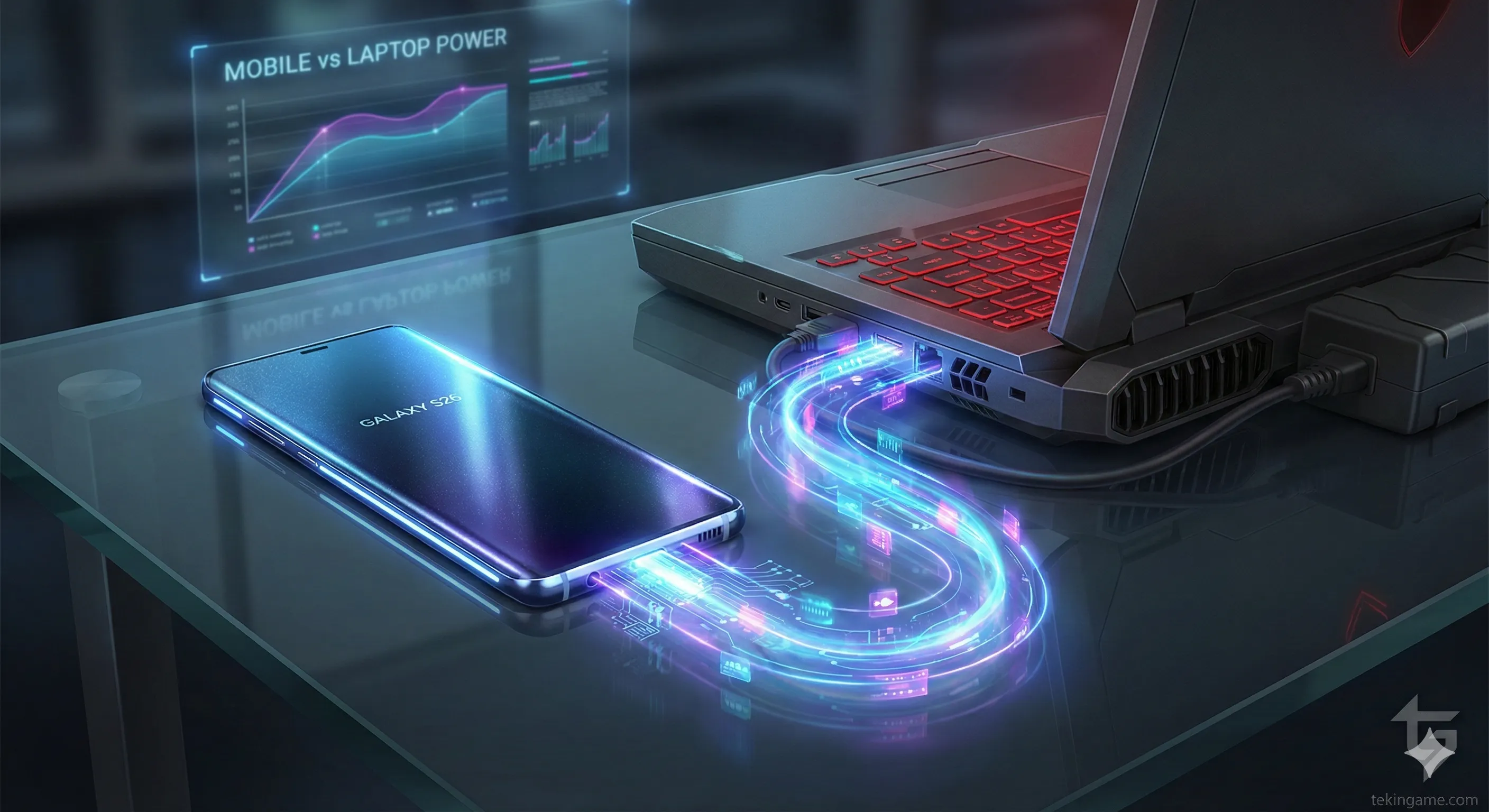
Until today, we said "Mobile can't do what a laptop does because it's too weak." But with this chipset, your phone is statistically more powerful than the laptop you bought three years ago.
If Samsung can upgrade its software (Samsung DeX) to match this hardware, the Galaxy S26 Ultra might be the last computer you ever need to buy.
Now, all eyes turn to Apple: Can the A19 Pro survive this storm?
💡 Buyer's Advice:
If you are planning to buy a Galaxy S25 Ultra or Pixel 10 now, they are still fantastic devices. However, if "Maximum Power" is your priority and you can wait until early 2026, the generational leap offered by Gen 2 is worth the patience.