
1. Anatomy of the R6 Hack: How a Digital Economy Collapses
Let’s look closely at what actually happened. Hackers exploited a vulnerability in Ubisoft's API (Application Programming Interface) to send forged requests to the server. These requests essentially told the server: "This user just bought 1 million credits," bypassing the usual payment verification steps.
The result? Instant hyperinflation. When everyone is a billionaire, the currency becomes worthless. But the scarier part wasn't the free skins; it was the hackers' ability to read and write to the user database. This is the exact same scenario that has taken down centralized crypto exchanges in the past.
Lesson One: Any system connected to the internet (Hot Storage) is potentially hackable. It doesn't matter if it's a game server or a centralized exchange. If your assets are there, you do not control them.
2. Under the Hood: Zombie APIs and the BOLA Vulnerability
To truly understand the risk to your wallet, we need to get technical. The flaw likely exploited in the Ubisoft incident (and many recent DeFi hacks) is known as Broken Object Level Authorization (BOLA). Simply put, the server checks "Is this user logged in?" (Yes). But it fails to check "Is this user authorized to add credits to *another* user's account?"
In 2026, BOLA is the single biggest threat to wallets connected to dApps (Decentralized Apps). When you connect your MetaMask to a new site and click "Approve," you are granting that site's API permission to interact with your assets.
If that site—say, a new DEX or a blockchain game—has a BOLA vulnerability, a hacker can exploit *your* permission to drain your USDT without ever needing your password or seed phrase. This is why we constantly advise: Never connect your main holding wallet to random websites.
3. Centralized vs. Decentralized Assets: The "Not Your Keys" Reality
What was Ubisoft’s solution? They shut down the servers and will likely roll back accounts. In gaming, you lose a few hours of progress. But in finance?
If your money is on a centralized exchange (CEX) like Binance or Coinbase and they get hacked, they might freeze withdrawals. You have zero control. On the flip side, in the decentralized world (DeFi), if your personal wallet is drained, there is no "admin" to turn off the server or refund your money. Blockchain transactions are irreversible.
The Golden Rule of 2026: An exchange is not a wallet. An exchange is for *trading*. As soon as your purchase is complete, move your assets to a personal wallet (preferably hardware-based).
4. The 2026 Threat Landscape: When AI Helps the Thieves
The years 2025 and 2026 mark the shift from "technical hacking" to "AI-assisted personal attacks." The tools we discussed in our "AI Toolbox" article are now weaponized by bad actors.
- AI Phishing (Spear Phishing 2.0): Gone are the days of emails full of typos. AI chatbots can now generate emails that perfectly mimic the tone, logo, and context of Ledger or MetaMask support, convincing you to "click here to secure your assets."
- Address Poisoning: Hackers use bots to send $0 transactions to your wallet from an address that looks *almost identical* to one of your frequent contacts (same first and last characters). When you go to your transaction history to copy an address, you might accidentally copy the hacker's address and send your funds to the void.
5. The Nightmare Scenario: Real-Time Deepfakes & Voice Cloning
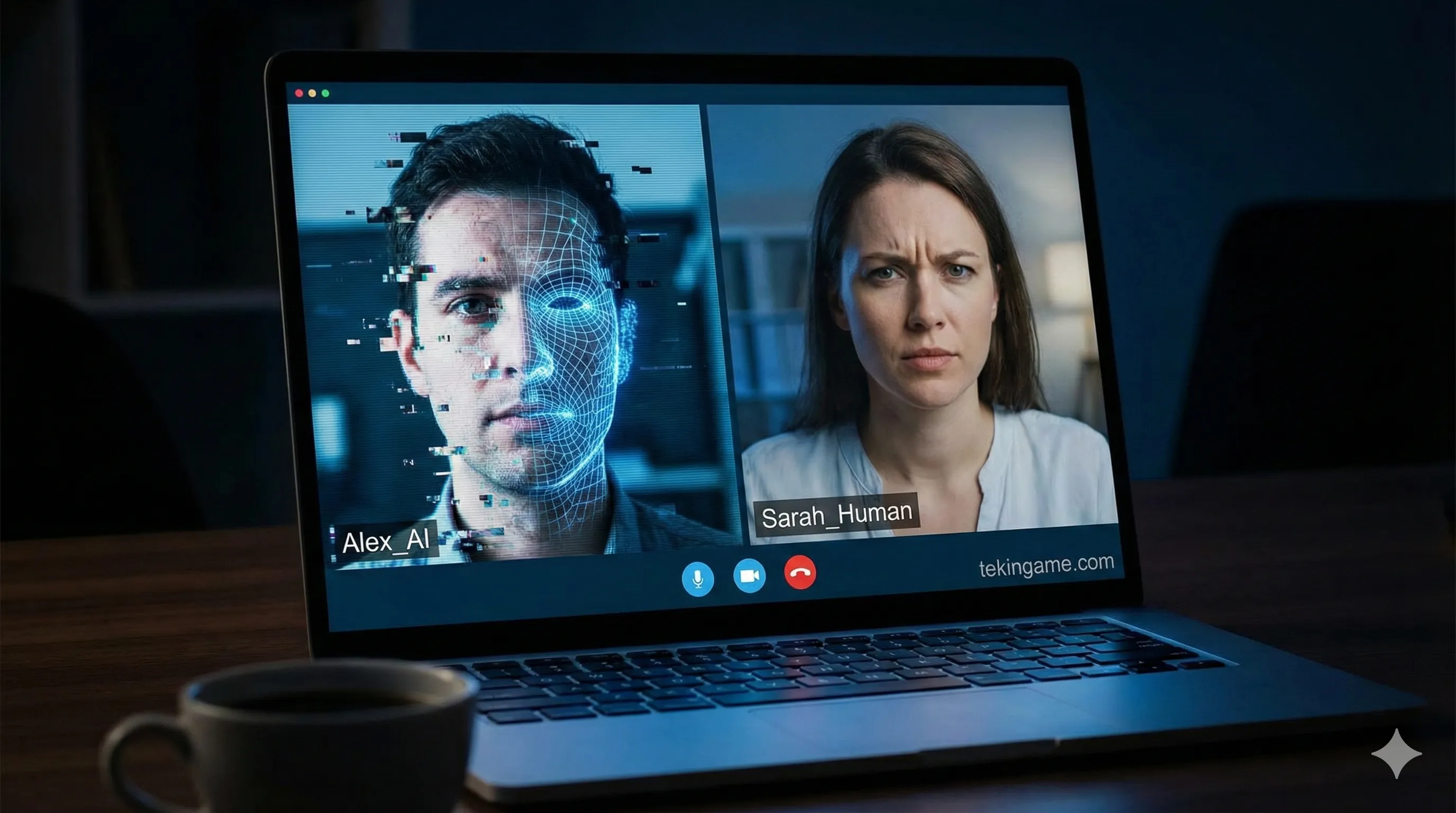
Until last year, deepfakes were mostly pre-recorded videos. In 2026, we face Real-Time Deepfakes. Imagine you are on a Zoom or Skype call with your boss or a business partner. Their face looks real, their voice sounds perfect, and their mannerisms are spot on. They say: "Hey, the company wallet address changed. Send this month's payment to this new address."
You make the transfer. Tomorrow, you find out that call was an AI masquerading as your boss in real-time. This isn't sci-fi; just last month, a Hong Kong firm lost $25 million to this exact scam.
Tekin Defense Tactic: In sensitive financial calls, ask the other person to do something unexpected. Say, "Please wave your hand in front of your face," or "Turn your head sideways quickly." Current real-time AI models often glitch or artifact when physical objects pass in front of the generated face.
6. The Death of the Password: Why You Must Switch to Passkeys Tonight
In 2026, using a "password" to protect capital is like using a plastic lock on a bank vault. Passwords get stolen, leaked, or brute-forced.
The Solution: Passkeys.
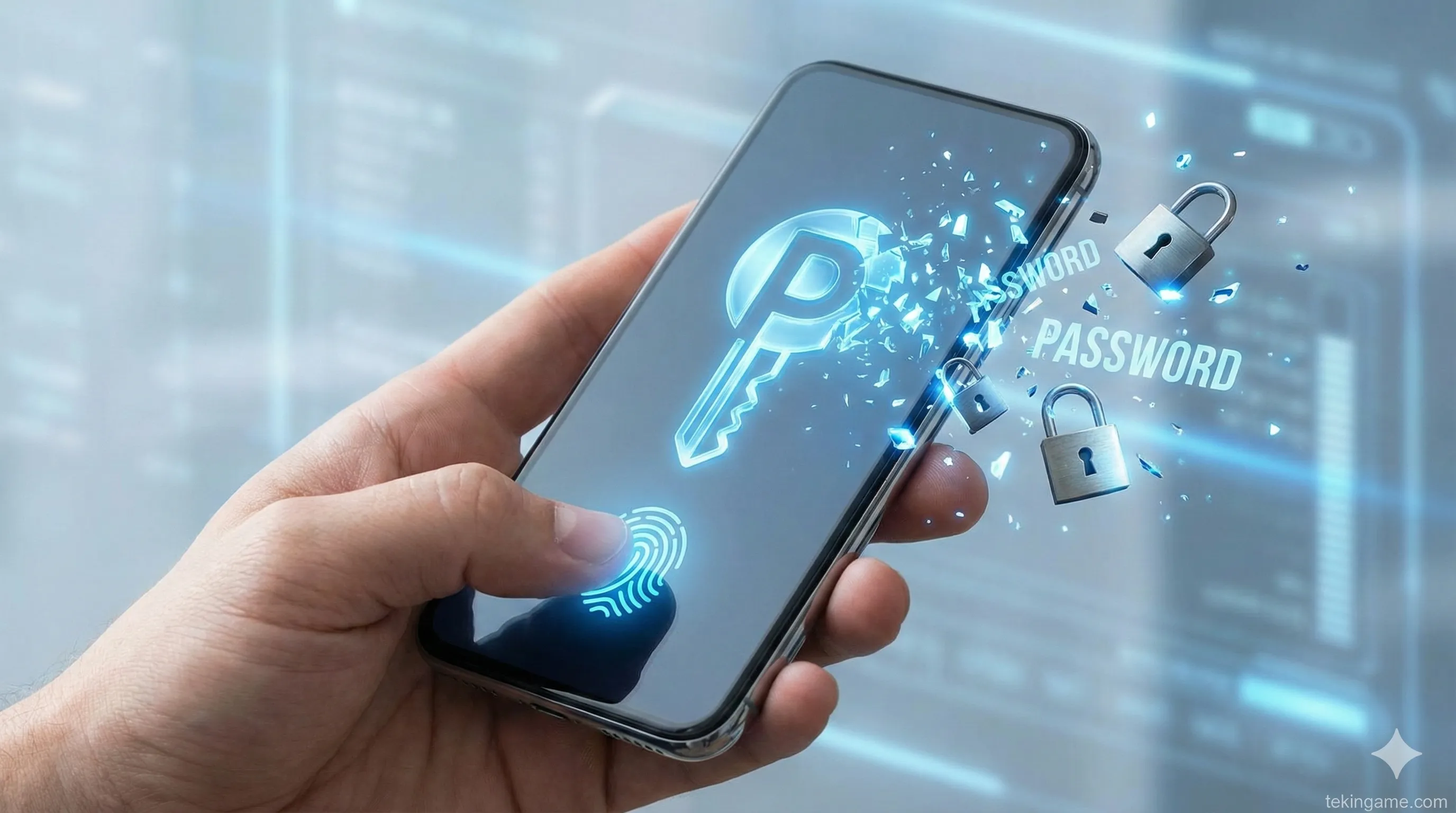
The Passkey standard (agreed upon by Google, Apple, and Microsoft) eliminates passwords entirely. You log in with your fingerprint or FaceID. The private key remains stored securely on your device's hardware chip and is never sent to a server. Even if the server is hacked (like Ubisoft's), the hacker cannot access your account because they don't have your physical device.
Immediate Action: Enable Passkeys for your Gmail, exchanges, and critical accounts tonight. Disable SMS 2FA immediately—SIM swapping is trivial for hackers, but faking your fingerprint is not.
7. Cold Storage & The Future of Security via Account Abstraction
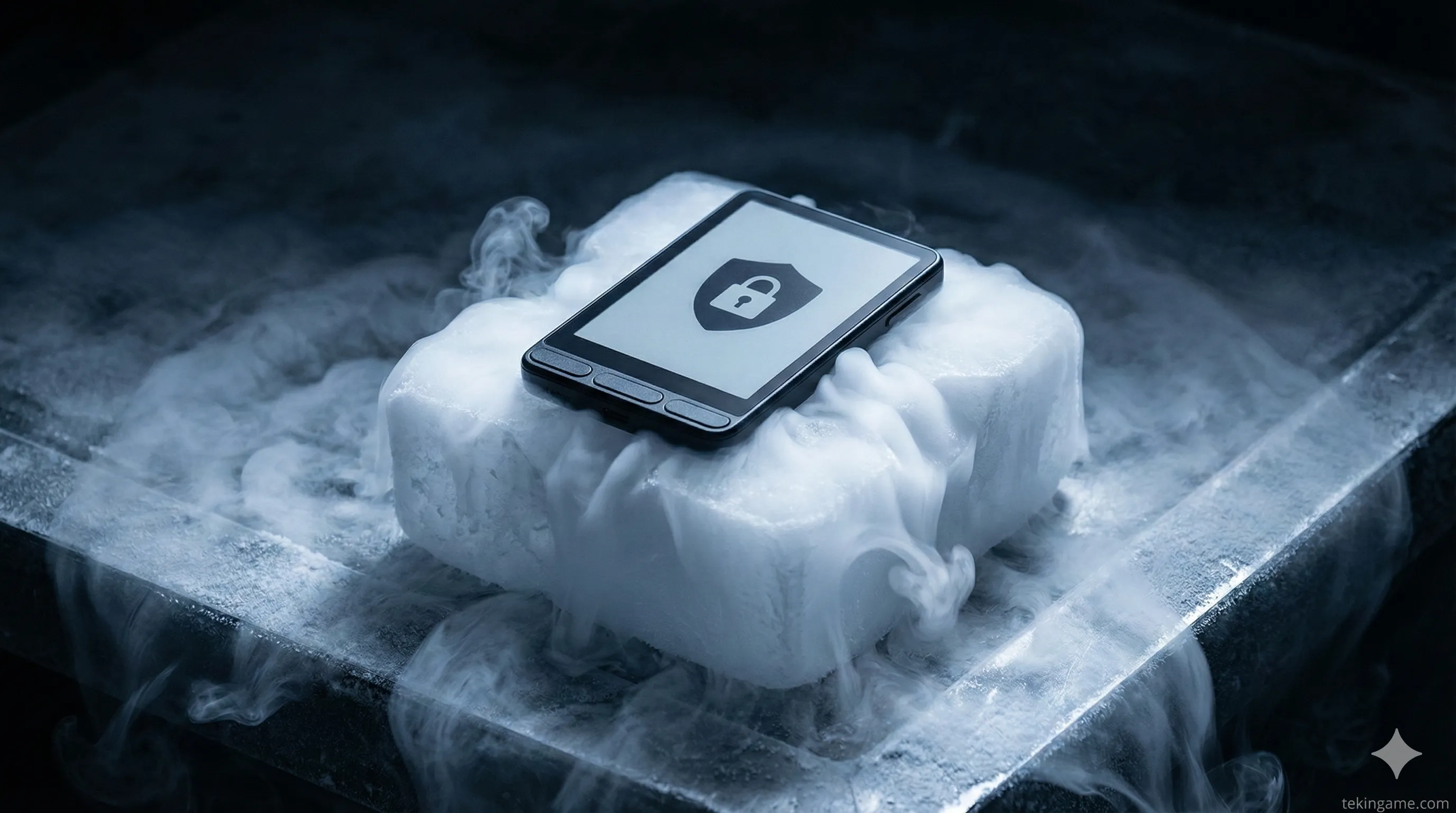
Why couldn't the Rainbow Six hackers destroy the game's core code? Because it was likely stored on isolated, offline servers. In crypto, this concept is Cold Storage.
If you hold more than $1,000 in crypto, keeping it in a hot wallet (like MetaMask) on the same phone you use for Instagram and Telegram is financial suicide.
The Hardware Wall
Devices like the Ledger Stax or Trezor Safe 3 keep your private keys offline. Even if your computer is infected with malware, the transaction cannot be signed without you physically pressing buttons on the device.
The Future: Account Abstraction (ERC-4337)
If losing your Seed Phrase is your nightmare, the new ERC-4337 standard is the savior. It turns your wallet into a "Smart Contract." Its revolutionary features include:
- Social Recovery: Lose your access? You can set it up so that if 3 out of 5 trusted friends verify it's you, you regain access. No more lost seed phrases.
- Transaction Limits: You can put "parental controls" on your own wallet. For example, "This wallet cannot withdraw more than $100 per day." Even if a hacker gets your key, they can't drain the account instantly.
- Whitelisting: Restrict the wallet so it can *only* send funds to your specific Binance deposit address and nowhere else.
8. The Psychology of Hacking: How Social Engineering Bypasses Your Brain
The most sophisticated firewall in the world cannot defeat "human error." In 2026, hackers don't hack the system; they hack you.
The primary tactic this year is Urgency.
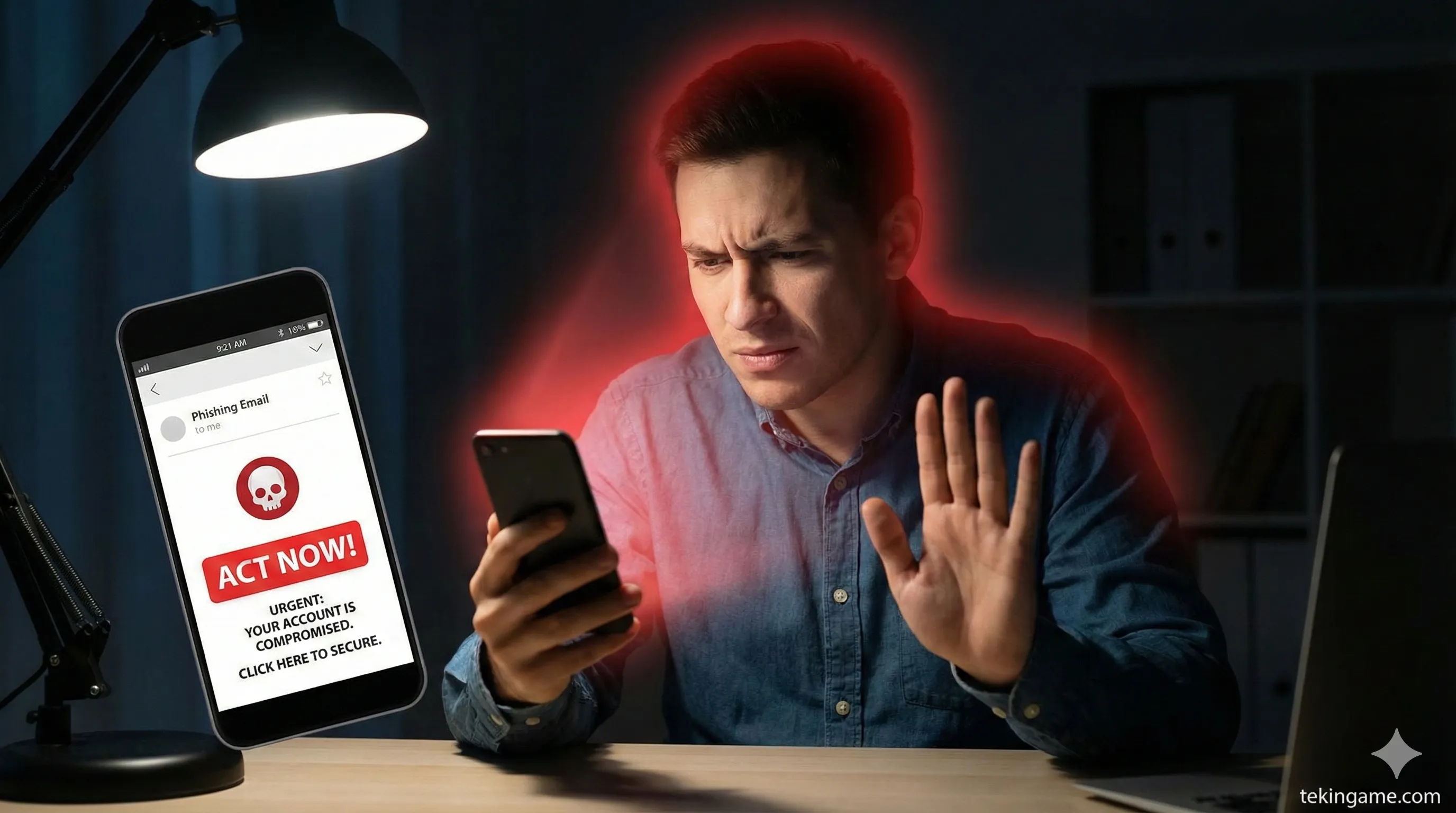
You receive a message: "Your wallet is compromised! Click here to verify or your funds will be frozen." In a state of fear, the human brain shuts down its logical center (the Prefrontal Cortex). You click, you sign, you lose.
The "3-Minute Pause" Rule: Whenever you receive a message that makes you feel Fear, Greed (high returns), or Urgency, put your phone down and walk away for 3 minutes. In 99% of cases, once the adrenaline fades, you will realize it's a scam.
9. The Tekin Security Checklist: 5 Immediate Actions to Take Now
We don't just want to scare you; we want to secure you. Before you close this tab, execute these 5 steps:
- Audit Your Allowances: Go to a tool like Revoke.cash, check which sites have permission to spend your tokens, and revoke access for anything old or suspicious.
- Buy a Hardware Wallet: If your assets matter to you, spend the $100 on a Trezor or Ledger. It's the cheapest insurance you'll ever buy.
- Segregate Your Email: Never use the email associated with your bank/crypto accounts for newsletters or random sign-ups. Keep a "clean" email for finance only.
- Bookmark Financial Sites: Never Google "Binance" or "MetaMask." Scammers buy ads that appear at the top of search results. Always use bookmarks.
- Family Safe Word: Agree on a secret "Safe Word" with your family. If anyone calls claiming to be you (using AI voice cloning) and asking for money, they must provide the word.
Conclusion:
The Rainbow Six Siege hack will be forgotten by next week when the servers come back online. But if your life savings are hacked, there is no server reset button. In 2026, security is not a product you buy; it is a lifestyle you practice. Stay vigilant to stay solvent.
Keep your wallets full, and your keys safe. 💙