
1. Beyond Rumble: What is Biofeedback Gaming?
Since the introduction of the DualShock on the original PlayStation, our relationship with video games has been largely "one-way." The console sends information to us (images, sound, vibration), and we react by pressing buttons. However, "Biofeedback" turns this into a two-way highway.
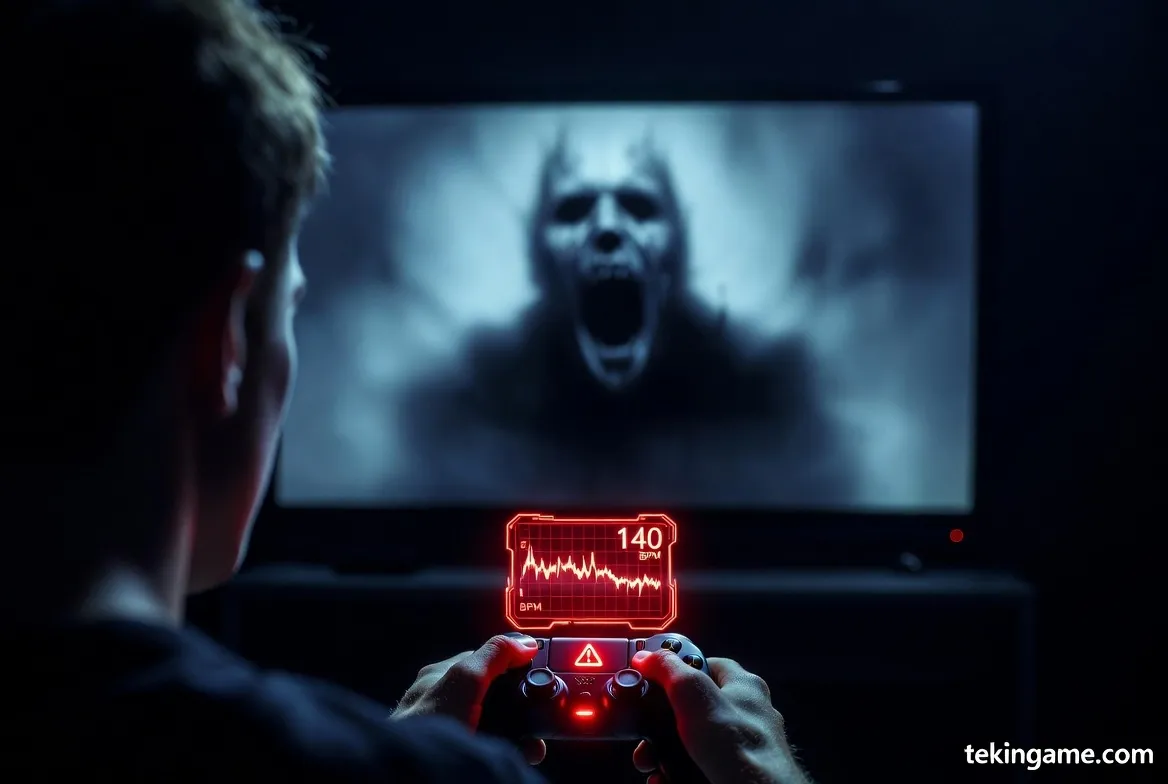
Biofeedback in gaming refers to the use of unconscious biological signals—such as skin temperature, heart rate variability, and sweat gland activity—to modify the software environment in real-time. Sony’s philosophy for the PlayStation 6 era suggests that the next generation of "Immersion" isn't about photorealism; it is about the game "empathizing" with the player's physical state.
2. The Anatomy of the Controller: GSR, Heart Rate, and Pressure
Based on the patents filed over the last few years and the technology seen in the latest high-end peripherals, the bio-feedback system relies on three distinct sensors embedded in the controller grips:
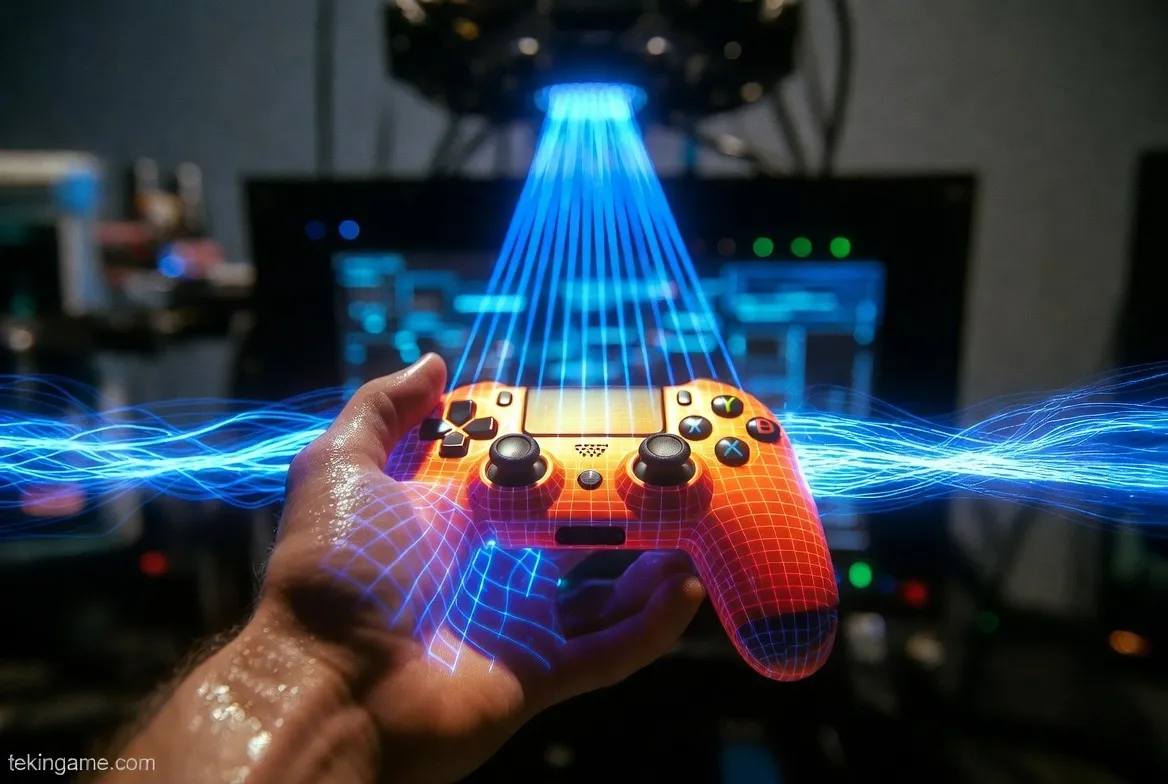
- GSR Sensor (Galvanic Skin Response): This is the crown jewel. It measures the electrical conductivity of your skin. When you are stressed or frightened, your hands produce microscopic amounts of sweat (electrodermal activity). The controller detects this spike in conductivity instantly, logging it as a "Stress Event."
- HRM (Heart Rate Monitor): Similar to the sensors found on an Apple Watch, but optimized for the palms. It tracks your BPM (Beats Per Minute) to gauge your excitement or calm.
- Muscle Pressure Sensors: Beyond adaptive triggers, these sensors detect how hard you are gripping the handles. Are you holding it loosely, or are you "white-knuckling" the controller in a panic?
3. Horror 2.0: The Game That Feeds on Your Fear
This is where the implications become chilling. Until now, horror game directors like Hideo Kojima or Shinji Mikami had to guess when a player might be scared. With biofeedback, they know.
Scenario A: Dynamic Terror Pacing
In a title like Resident Evil 9, the AI Director monitors your stress levels.
If you are bored (Low Heart Rate): The game dynamically increases enemy aggression, dims the lighting, and triggers unsettling audio cues to wake you up.
If you are panicking (High Heart Rate/Sweat): The game might mercifully reduce enemy numbers to prevent you from quitting (or having a heart attack). Alternatively, in "Hardcore Mode," it might punish your fear by attracting more enemies to the smell of your sweat—digitally speaking.
Scenario B: Fourth Wall Breaks
Imagine a psychological thriller where the villain pauses, looks directly into the camera, and whispers: "Why are you shaking, Majid? I can hear your heart pounding..." This level of personalization dissolves the safety barrier of the screen.
4. Tactical Applications: Sniper Breath and Panic Penalties
This technology isn't limited to jump scares. It introduces a new layer of skill to action and RPG genres: Emotional Control.
- The "Sniper" Mechanic: In realistic tactical shooters, aiming a long-range rifle could be linked to your real-world heart rate. If you just sprinted up the stairs to your gaming room, or if you are nervous in a 1v1 clutch situation, your crosshair will shake violently. To steady your aim, you must physically calm yourself down and breathe deeply.
- Souls-like Stamina: In games by FromSoftware, "Panic Rolling" is a common mistake. Biofeedback could penalize this further. If the pressure sensors detect you squeezing the controller too hard (Panic Grip), your in-game stamina bar could deplete faster, simulating the exhaustion of fear.

5. The Dark Side: Biometric Data Privacy and Targeted Ads
Every revolutionary technology casts a shadow. The collection of biological data raises massive ethical questions. Where does this data go?
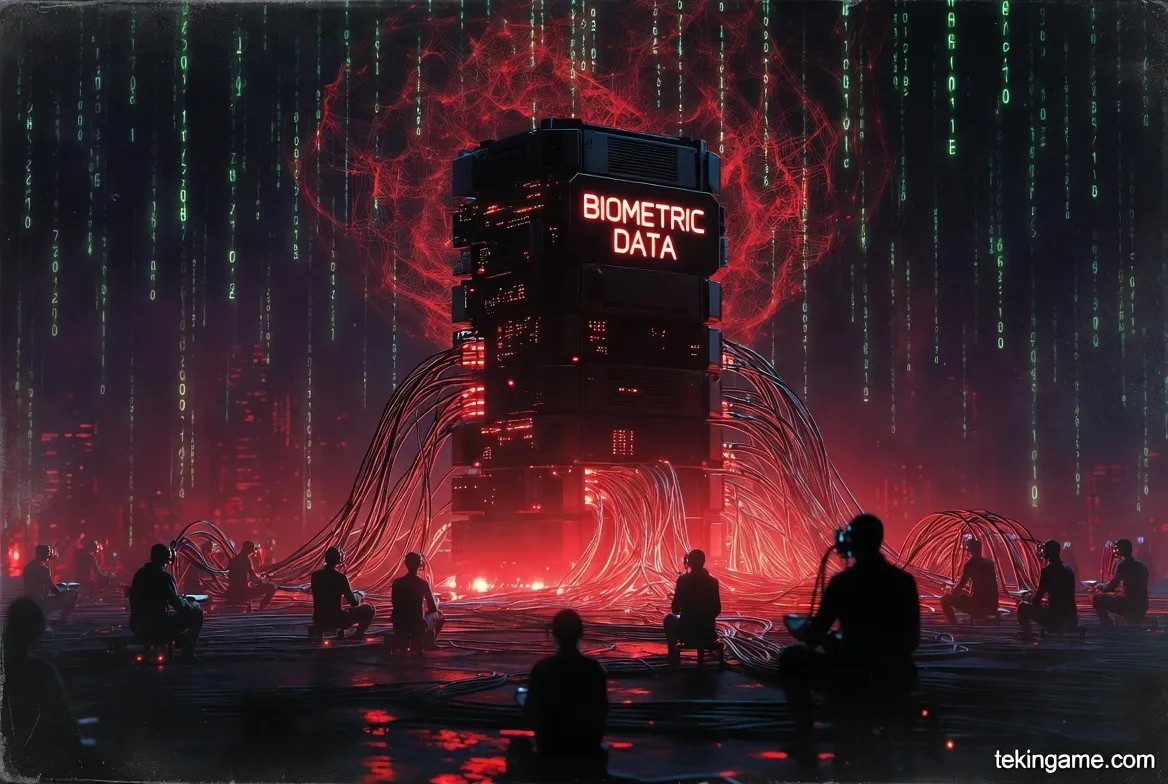
Could Sony build a database of the world's "most easily frightened" users?
More dystopically, consider the advertising implications. If the system detects that you are high-energy and sweating after a Call of Duty match, could the dashboard immediately serve you an ad for an energy drink or deodorant? If it detects you are lethargic, could it suggest a food delivery app?
Biometric privacy is the final frontier of digital rights, and in 2026, we are walking into this territory blindly.
6. The "Vitality" History: Why Nintendo Failed but Sony Succeeded
Hardcore historians will remember that Nintendo tried this first. In 2009, Satoru Iwata announced the "Wii Vitality Sensor," a finger-clamp device meant to measure relaxation. It was canceled because the technology wasn't consistent.
Sony succeeded where Nintendo failed because they made the tech invisible. You don't put on a clip; you just hold the controller. By integrating the sensors into the standard chassis of the DualSense, biofeedback becomes a passive, seamless part of the experience rather than a medical gimmick.
7. Conclusion: Are You Ready to Be Felt?
Sony's biofeedback patent represents the final piece of the immersion puzzle. We have conquered the eyes (Photorealism), the ears (3D Audio), and the touch (Haptics). Now, we are conquering The Self.
This technology transforms video games from a passive entertainment medium into a physiological dialogue. It promises higher highs and scarier lows. But it begs the question: When the controller reads your mind and body, who is really in control? You, or the machine?
Would you buy a controller that knows your fears? Or is your heartbeat private property?