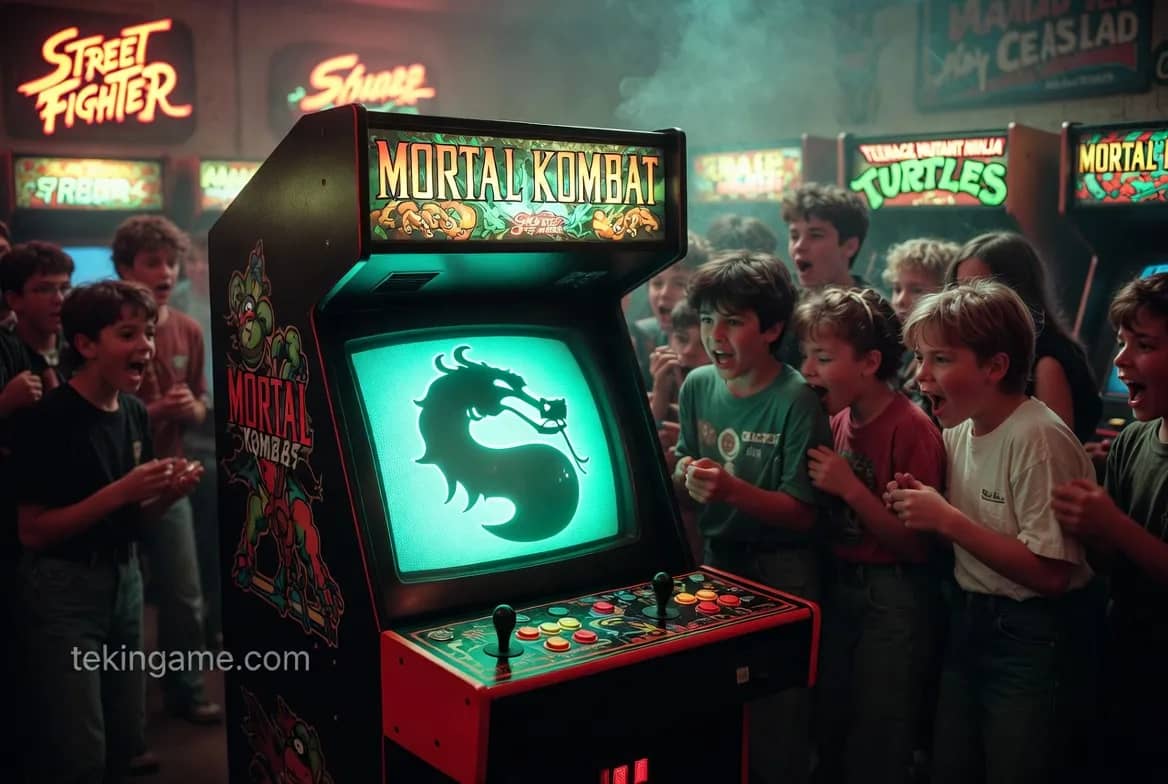
1. Introduction: The Punch That Changed Gaming Forever
1.1. The "Van Damme" Game That Never Was
It is impossible to talk about fighting game history without mentioning 1992. While Street Fighter II was dominating arcades with its polished anime style, a small team at Midway Games in Chicago had a different idea.
Programmer Ed Boon and artist John Tobias initially wanted to make a game starring action star Jean-Claude Van Damme. When the deal fell through, they didn't give up. Instead, they took the concept of a "Kumite" tournament, added supernatural elements, and created Mortal Kombat. The character Johnny Cage remains a cheeky tribute to Van Damme.
1.2. Digitized Sprites
Unlike Capcom's hand-drawn sprites, MK used "Digitized Graphics." They filmed real actors (like Daniel Pesina and Ho Sung Pak) performing martial arts moves and imported the footage into the game. The result was a gritty, hyper-realistic look that made the violence feel shockingly real to 90s audiences.
2. The Golden Arcade Era (1992-1996)
2.1. Mortal Monday
When MK was ported to home consoles (Sega Genesis and SNES), Acclaim Entertainment launched a massive marketing campaign called "Mortal Monday" (September 13, 1993).
This highlighted a key difference: Nintendo censored the blood (turning it to "sweat"), while Sega kept the blood via a cheat code (ABACABB). The Sega version outsold Nintendo's by a massive margin, teaching the industry a lesson: gamers wanted maturity.
2.2. The Birth of the ESRB
The Fatality system—ripping spines, tearing hearts—was too much for parents and politicians. Along with Night Trap, Mortal Kombat was the subject of the 1993 Congressional Hearings on Video Games.
The result wasn't a ban, but the creation of the ESRB (Entertainment Software Rating Board). Ironically, the "M" for Mature rating only made the game more desirable to teenagers.
3. The Dark Ages (1997-2008): The Struggle with 3D
3.1. The Awkward Transition
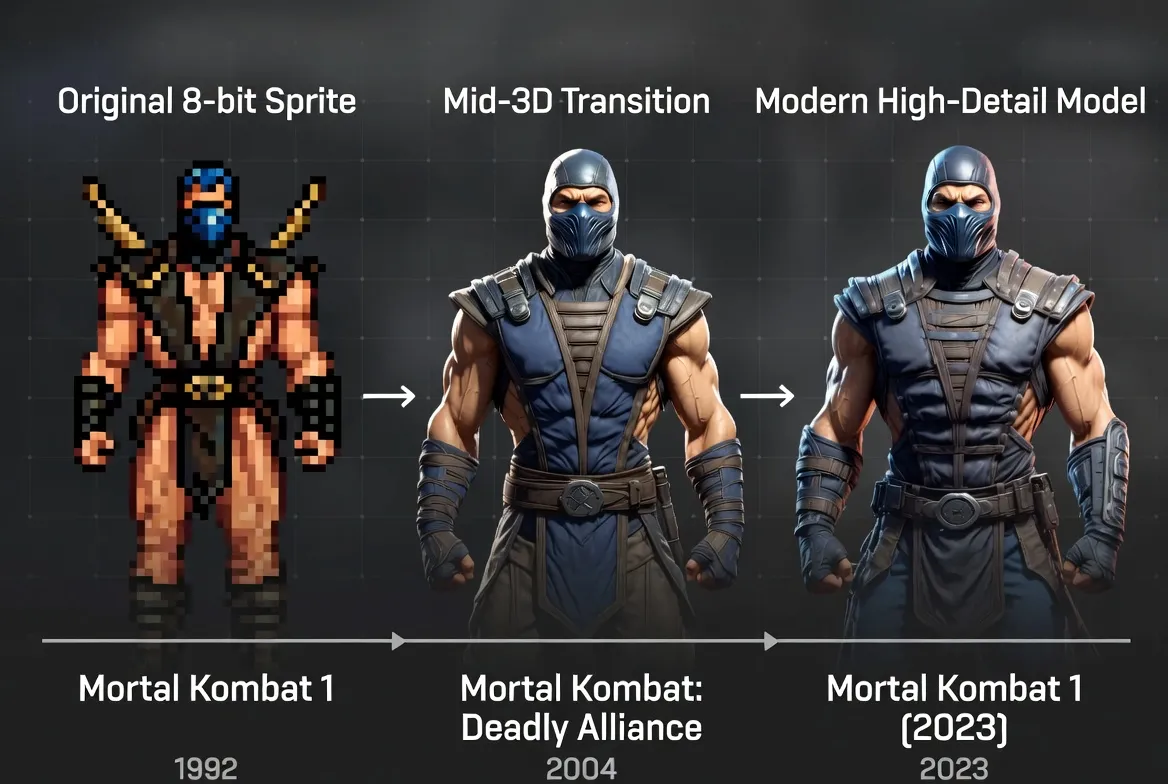
As gaming moved to 3D, MK struggled. Mortal Kombat 4 (1997) felt clunky compared to Tekken. The franchise lost its "Digitized" charm and became just another polygon fighter.
3.2. The PS2 Era
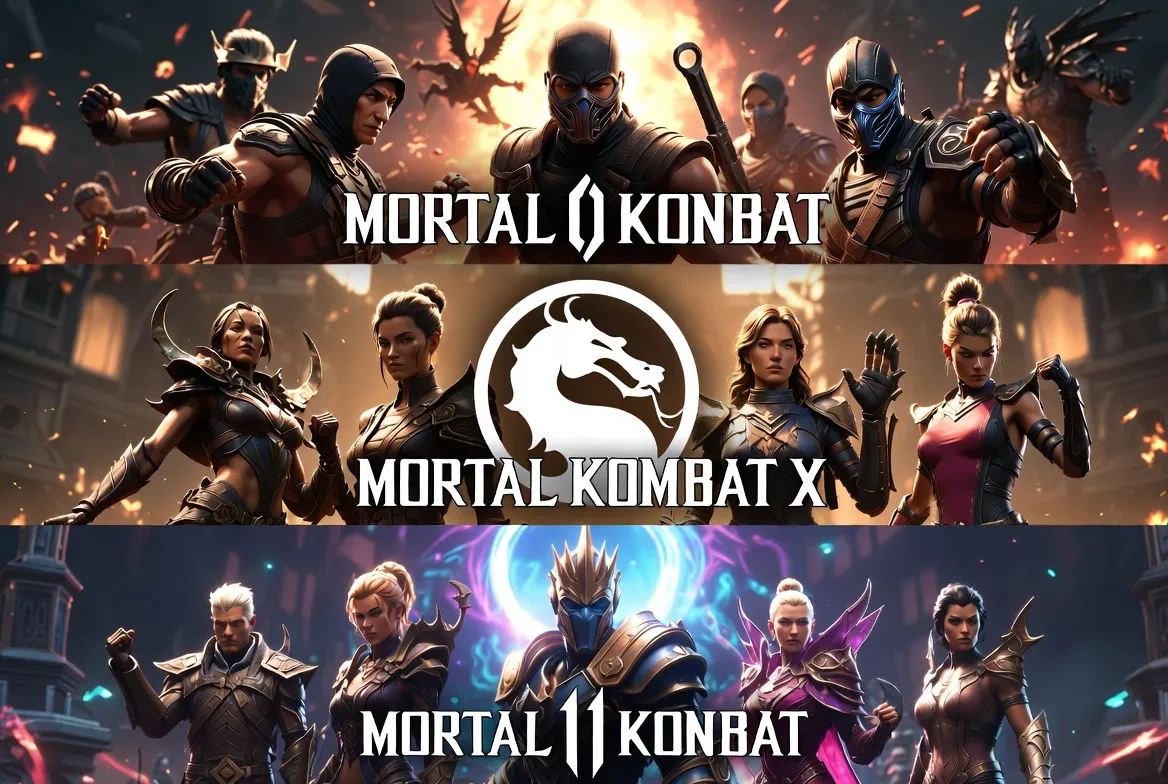
The "3D Era" (Deadly Alliance, Deception, Armageddon) is polarizing. While they introduced interesting mechanics like "Konquest Mode" and weapon stances, the gameplay felt stiff. The story became convoluted, introducing too many forgettable characters (Does anyone remember Hsu Hao or Mokap?).
3.3. The Crash
By 2008, Midway was in financial ruin. Their last-ditch effort, Mortal Kombat vs. DC Universe, was a commercial success but a critical failure due to its "T for Teen" rating. Fatalities were neutered to appease DC Comics. Shortly after, Midway went bankrupt, and the franchise was sold to Warner Bros.
4. The NetherRealm Era (2011-Present): Return of the King
4.1. MK9: The Perfect Reboot
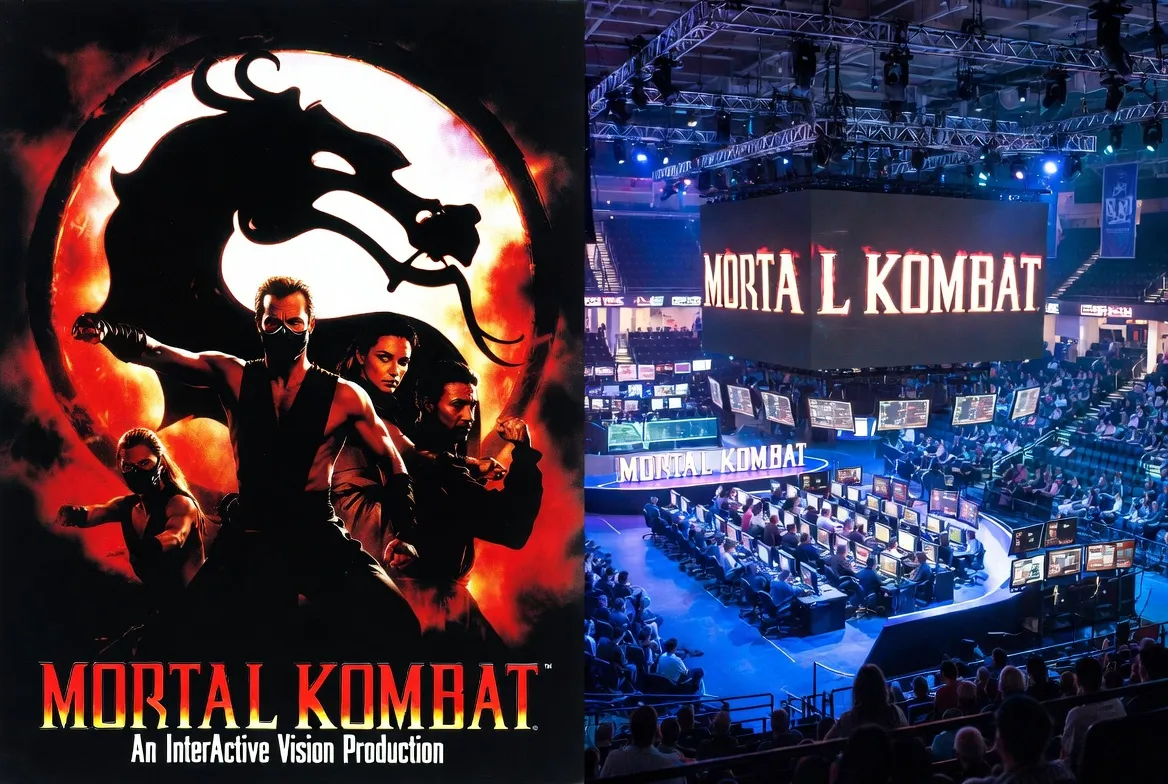
Under WB, Ed Boon formed NetherRealm Studios (NRS). Their first project, Mortal Kombat (2011)—often called MK9—was a masterpiece.
It did two things perfectly:
1. It returned to 2D gameplay (with 3D graphics), fixing the stiff combat.
2. It rebooted the story using time travel, retelling the events of MK1, MK2, and MK3 in a cinematic campaign. It set a new standard for fighting game narratives.
4.2. MKX and MK11
Mortal Kombat X introduced the "Variation System" and a darker, grittier tone. Mortal Kombat 11 pushed graphical fidelity to the limit with face-scanning technology and introduced the "Fatal Blow" mechanic. It became the best-selling entry in the series, proving MK was back on top.
4.3. Mortal Kombat 1 (2023)
Instead of MK12, we got Mortal Kombat 1. Following the events of MK11 Aftermath, Fire God Liu Kang created a "New Era."
This soft reboot allowed NRS to reimagine classic relationships. Scorpion and Sub-Zero are now brothers; Raiden is a young mortal monk; and Shang Tsung is a snake oil salesman. It’s a fresh start that honors the past while blazing a new trail.
5. Lore Breakdown: Fire and Ice
5.1. Scorpion vs. Sub-Zero
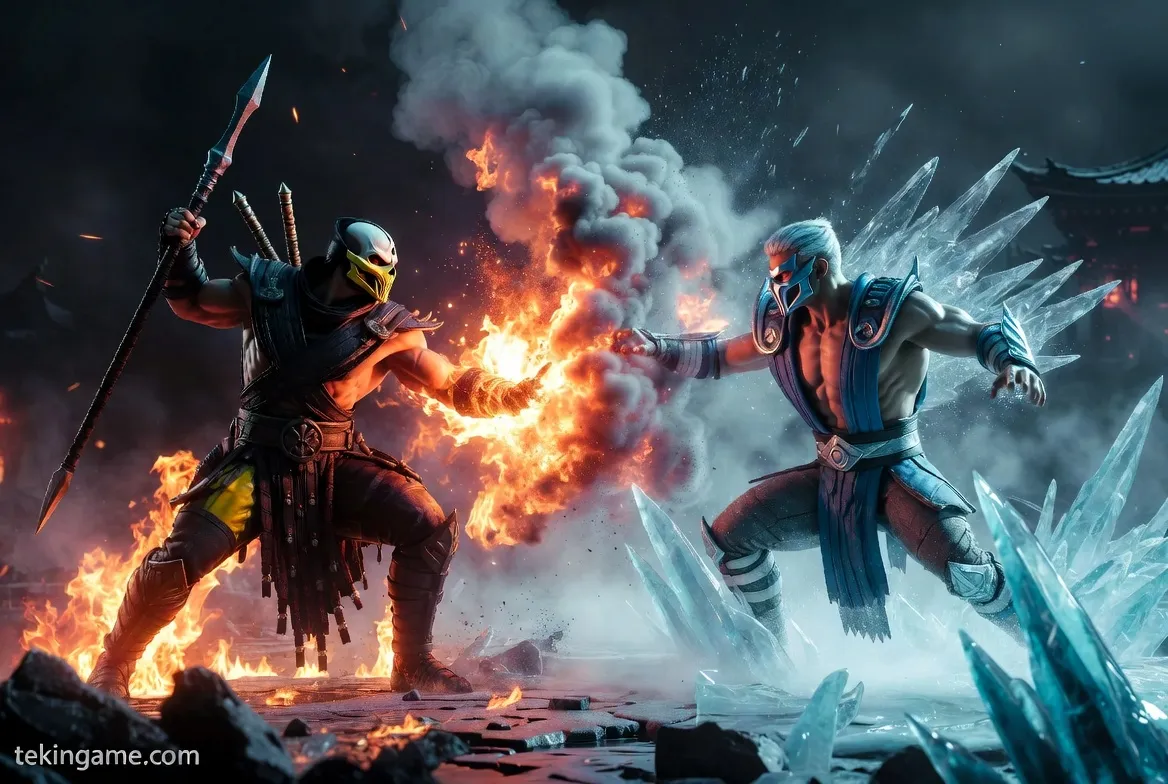
The rivalry between the Shirai Ryu (Scorpion/Hanzo Hasashi) and the Lin Kuei (Sub-Zero/Bi-Han) is iconic.
Originally, Bi-Han killed Hanzo, who returned as a hell-spawn specter for revenge. This cycle of vengeance defined the series for decades. In the new MK1 timeline, they are brothers by blood, adding a tragic layer of Shakespearean drama to their inevitable conflict.
6. Tekin Plus Verdict: Why MK Will Never Die
Most fighting games from the 90s are dead and forgotten. Why is Mortal Kombat still here?
Because it never stopped evolving. It survived congressional hearings, bankruptcy, and bad movies. It understands that at its core, it’s a mix of campy kung-fu movie vibes, excessive violence, and deep, competitive gameplay.
Whether you are here for the story or just to see a spine get ripped out, Mortal Kombat welcomes you. Flawless Victory.