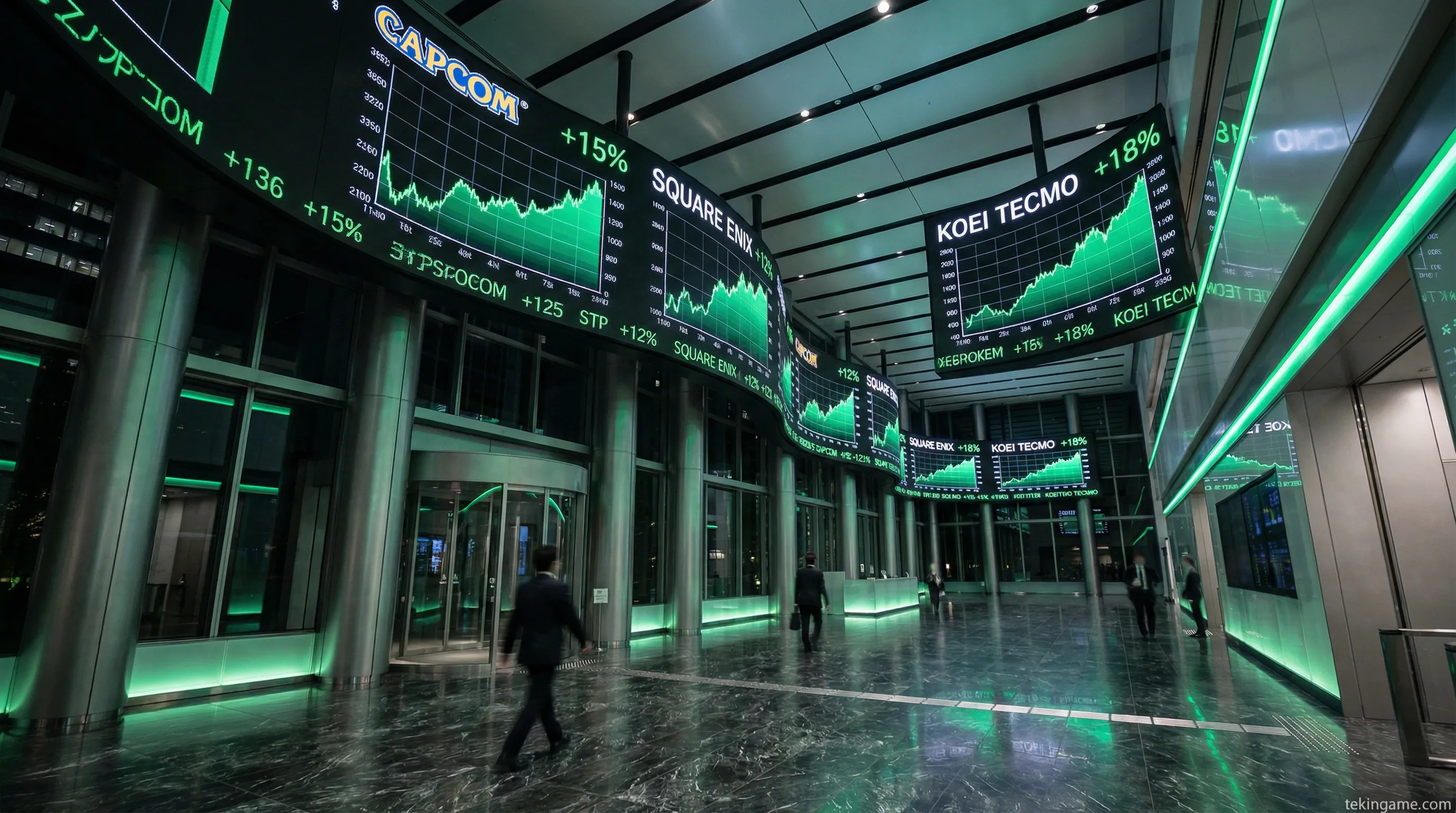
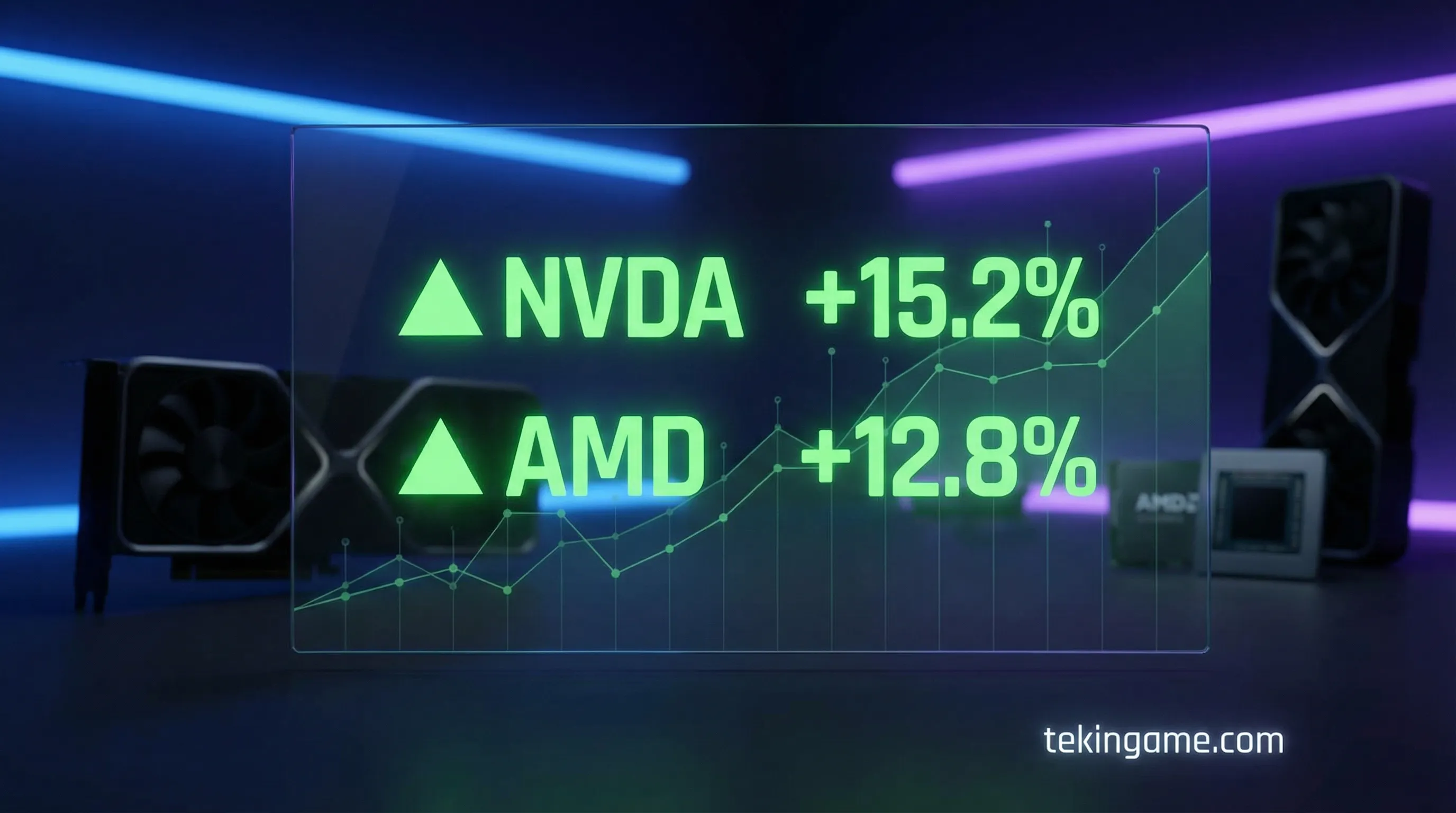
In 2026, the release of a AAA video game is no longer just a cultural event for gamers; it is a seismic shock to the global hardware supply chain and financial markets (Wall Street). New analysis from institutions like AInvest reveals that the Winter and Spring 2026 lineup, specifically "Nioh 3", "Resident Evil Requiem", and the "Dragon Quest 7 Remake", directly impacts the demand curve for GPUs, the sales of next-gen consoles (PS5 Pro Max and Switch 2), and ultimately the stock value of giants like Nvidia, AMD, Sony, and Capcom. In this deep strategic analysis, we examine—from the viewpoint of a tech sovereign and institutional investor—why the optimized physics engine in Nioh 3 mandates AMD's RDNA 5 architecture. We explore how Virtual and Augmented Reality in Resident Evil Requiem stimulates the Micro-OLED market and Apple's (Apple Vision Pro) stock. Finally, we dissect why the remake of a nostalgic masterpiece like Dragon Quest 7 can single-handedly propel Nintendo's stock value to new historical ceilings. This document is your roadmap to understanding the hidden flow of capital behind 2026's most anticipated gaming titles.
Welcome to the control room. Today, we aren't just reading code; we are tracking the flow of capital. 🫡📈
Years ago, the success of a video game was measured entirely by copies sold and Metacritic scores published in casual entertainment magazines. However, in the hyper-specific economic atmosphere of 2026, where silicon components are practically treated as digital gold, the release of a massive AAA title is, in a very literal sense, a fierce catalyst. It actively displaces and redirects billions of dollars across global stock exchanges such as the NASDAQ and the Tokyo Stock Exchange (TSE). Senior analysts on Wall Street, specifically highlighted by recent extensive reporting from premier financial entities like AInvest, demonstrate that the explosive lineup of games scheduled for Q1 and Q2 of 2026 is no longer the sole domain of gamers. It is now situated ruthlessly under the magnifying glass of Institutional Investors and international hedge funds.
Within this deeply strategic, standard-setting documentary, we turn our concentrated focus onto three ticking Japanese technological time bombs: Nioh 3 (from Koei Tecmo), the entirely reborn Resident Evil Requiem (from Capcom), and the ground-up remake of the classic masterpiece Dragon Quest 7 (Square Enix). These three projects are not mere entertainment software; from an engineering perspective, they act as live Stress Tests that violently squeeze the limits of the latest silicon architectures designed by graphic titans like Nvidia and AMD. If you wish to understand why purchasing a liquid cooling system or a high-end display in international retail markets has become prohibitively expensive, or if you are trying to deduce how software studios dictate the green ticker tape of Tokyo's stock indices... this comprehensive analysis serves as your absolute roadmap.
1. The Hardware Supercycle: Why 2026 is the Singularity Point for Nvidia and AMD
The hardware manufacturing sector has suffered through violent mutations over the latter half of the current decade. Up until very recently, the consumer demand curve for gaming-class graphics cards (such as the RTX 50 and 60 series) was growing at a steady, linear, and somewhat predictable pace. Yet, with the dawn of 2026, the demand from gaming has reached a fatal crossroads with the staggering, insatiable requirements of Local AI Inference. The moment Western and Eastern game development studios revealed that their upcoming products absolutely require advanced hardware equipped with On-board Neural Processing units to execute rendering tasks, Wall Street's capital indices began to react instantaneously. The justification is glaringly obvious: buying a hardware upgrade for a graphics system is no longer a "luxury option" tailored to enthusiast PC builders; it has forcefully morphed into an "absolute prerequisite" simply to boot up the software of the year.
The AInvest investment report elucidates that upcoming gaming titles packed with raw texture data and blindingly realistic backgrounds (such as the projects slated for this winter) will single-handedly trigger what is known as a "Super-Upgrade Cycle" across PC and interactive platforms. When a professional or commercial gamer finds themselves forced to accommodate a display rendering at native 4K, completely enhanced by Full Path Tracing architectures, a top-tier graphics card purchased merely three years ago will immediately buckle, stutter, and effectively be rendered obsolete. Precisely at this surgical inflection point, the stock shares of two massive titans—"Nvidia" (NASDAQ: NVDA) and its Californian counterpart "AMD" (NASDAQ: AMD)—begin to receive the sheer rocket fuel required to break temporal ceilings. Simply put, every cinematic promo trailer loaded with impossible lighting effects acts as an international sales catalog, driving million-unit orders for Nvidia's Super Advanced "Blackwell" chips and AMD's proprietary "RDNA 5" architectures.
| Key Market Drivers 2026 | Strained Technology (Demand) | Benefiting Equity Tech Groups | Market Impact Coefficient (AInvest) |
|---|---|---|---|
| Photorealistic Textures (4K/8K) | GDDR7 Memory / Massive Bandwidth | Nvidia, Micron, Samsung | Extremely High (V-Curve) |
| Real-Time Fluid Dynamics Physics | TSMC 3-Nanometer Transistors | AMD, TSMC, ASML | Strongly Bullish |
| Generative AI Decisions (NPCs) | Integrated Neural Processing Units (NPU) | Intel, Qualcomm, Nvidia | Moderate to High |
2. Nioh 3, Team Ninja Studio, and the 5th Gen RDNA 5 Architecture
Nioh 3, the long-awaited masterpiece that Team Ninja (a subsidiary of Koei Tecmo) has been developing in the shadows, transcends the definition of a simple hardcore samurai hack-and-slash adventure. In the language of technology economics, it serves as a golden, highly significant "Benchmark" for hardware analysts and silicon supply chains. Historically, the previous installments of the epic Nioh franchise have been universally renowned for the complexity of their parrying and combat engines. Specifically, "Ki Management" mechanisms demand absolutely flawless, frame-perfect synchronization, running concurrently with heavy computational particle effects triggered during superhuman magical attacks. However, as we stand in 2026, what advanced distinction is Koei Tecmo presenting to Wall Street that has caused such a sudden and frantic mobilization of capital attention?
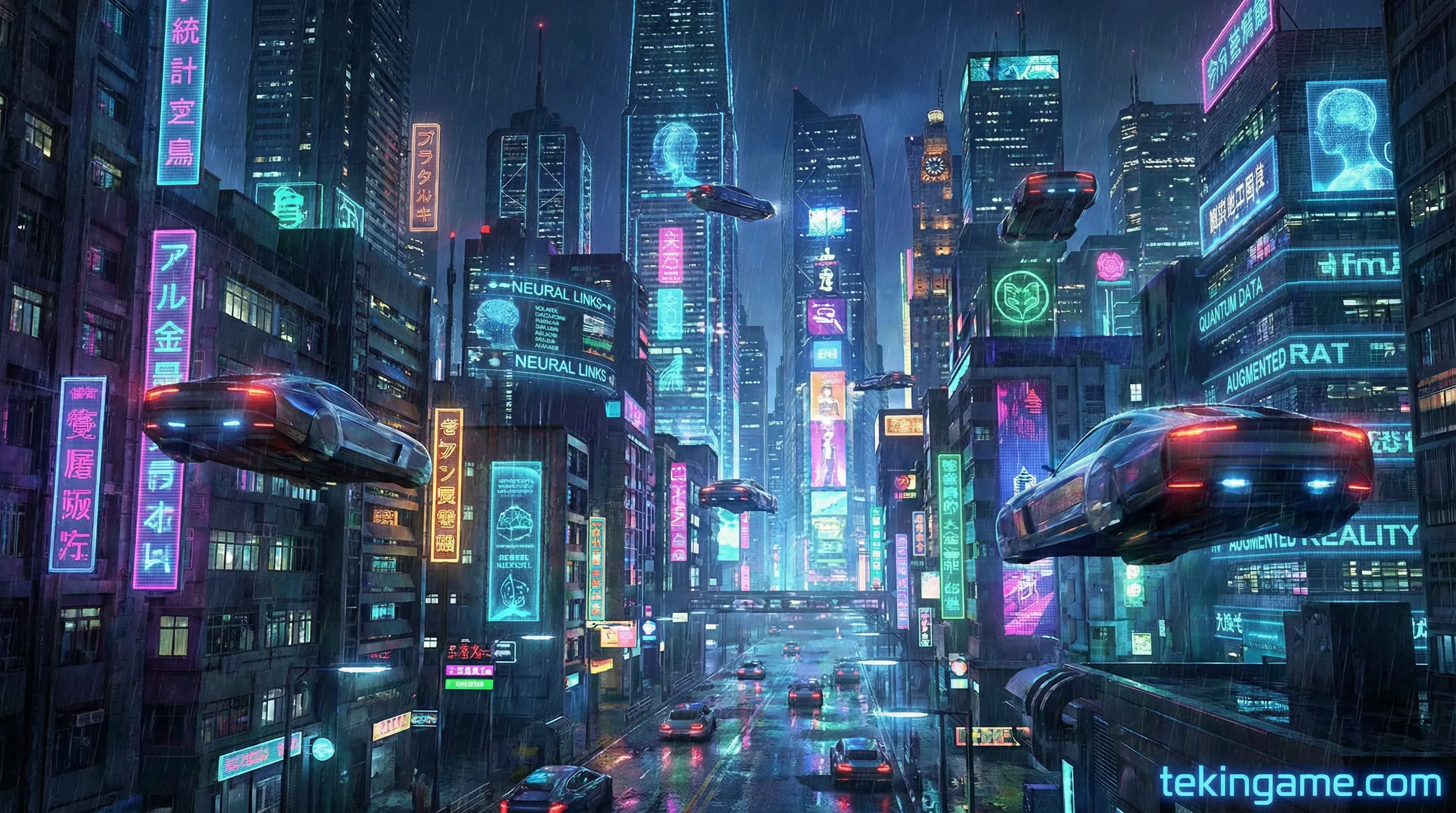
Leaked technical documents and summations from closed-door game developer conferences reveal that the heavily upgraded graphical engine pushing Nioh 3 has been built entirely around the concept of "Dynamic Destructible Environments." If in previous iterations we merely witnessed the gory dismemberment of Yokai demons, in Nioh 3, every single rapid swing of a Katana blade will physically shatter reinforced bamboo panels and wooden temple fences. It will generate deep, dynamic blood trails through thick forests, and even alter the speed and direction of localized wind currents based on the volume and speed of your weapon's trajectory—all of this rendered with heavy physical simulation, gravity mechanics, and real-time execution. Processing this terrifying volume of visual, physical, and cinematic data dynamically at a sustained rate no lower than 60 Frames Per Second (FPS) is a technical impossibility without leaning forcefully on the capabilities of 2026's super-hardware.
This is precisely where the strategic, explicit intersection between Nioh 3 and heavyweight institutional shareholders materializes. The game is architected to forge an unprecedented and extraordinary synergy with the Custom APUs manufactured by AMD—the very beating heart of the next-generation game consoles, particularly the much-hyped "PS5 Pro Max." AMD's highly advanced RDNA 5 architecture, boasting incredibly wide memory bandwidth alongside complex Hardware Ray Tracing capabilities, will represent the singular physical platform capable of melting and digesting Team Ninja's savage code without experiencing the slightest bottleneck. When Sony proudly broadcasts global television campaigns demonstrating Nioh 3 running with velvety, fluid grace at 120Hz on a flawless 4K output, it won't merely ignite a hysterical purchasing wave from hundreds of thousands of hardcore gamers. It will simultaneously drive billions of dollars toward the quarterly financial sheets of both Sony and AMD, ensuring aggressive double-digit growth as the anticipated spring quarter approaches.
3. Resident Evil Requiem: RE Engine Evolution and the Virtual Reality Market Accelerator
Capcom, the veteran Japanese giant that has barely misstepped in managing its flagship titles over the past decade, enters the 2026 high-stakes gamble holding a royal flush: Resident Evil Requiem. Their legendary proprietary game engine, the RE Engine (now fully upgraded under the codename REX), has transformed into the absolute gold standard for graphical optimization, stability, and photorealistic visual fidelity. Yet, why does "Requiem" command such extreme importance among technology sector investors? The core keyword fueling this financial momentum is "Spatial Immersive Horror."
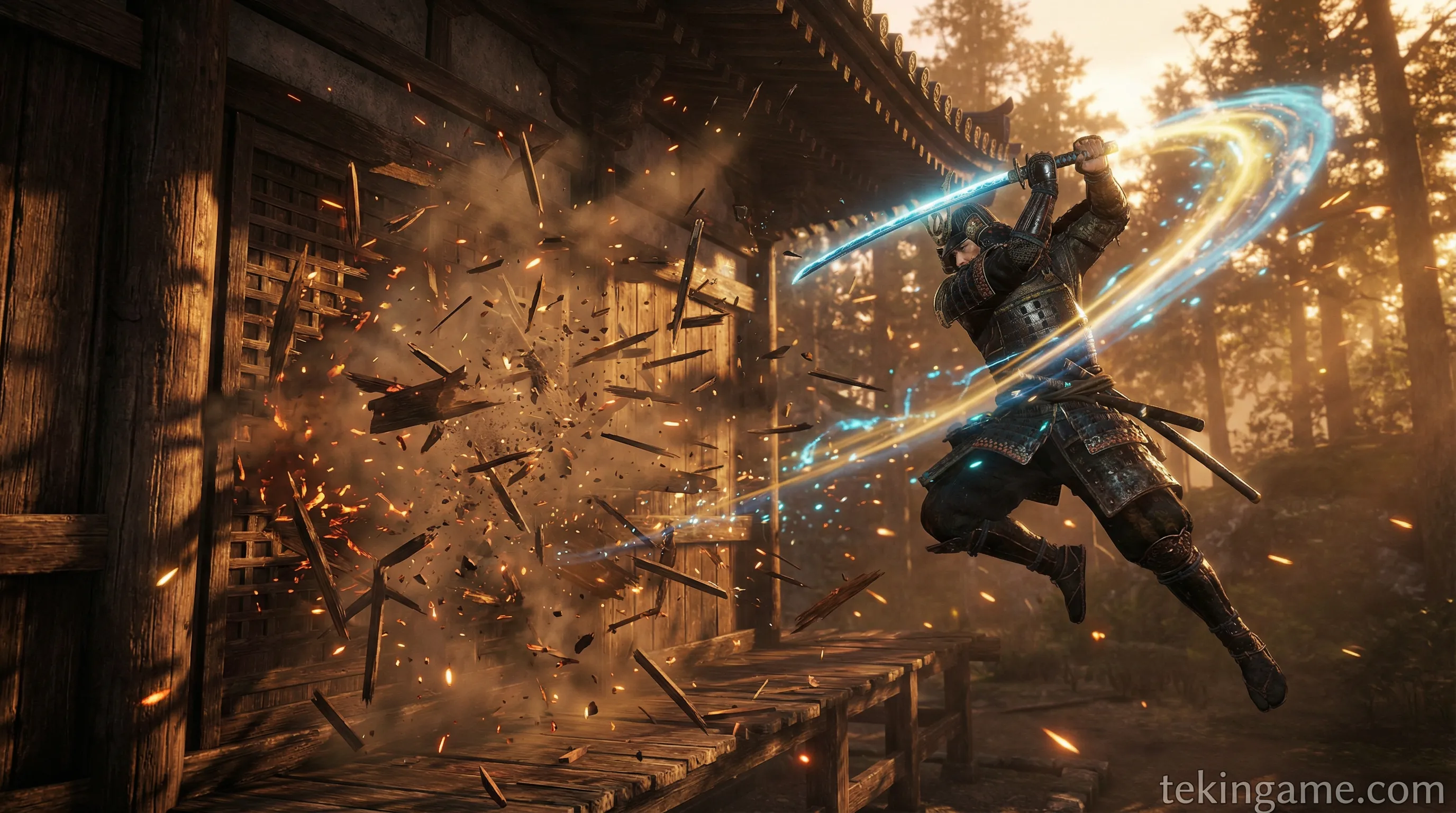
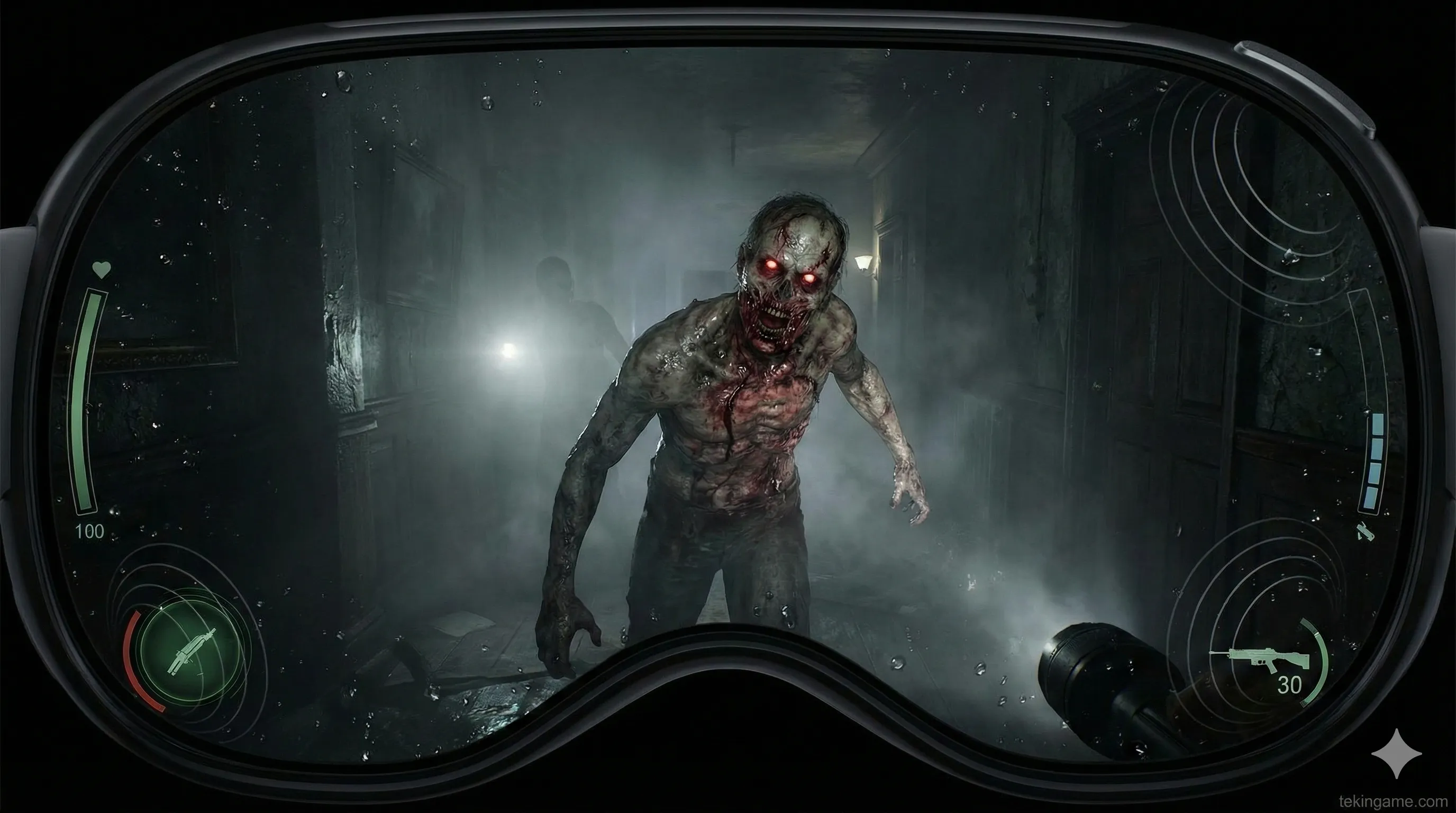
Capcom has transparently and resolutely directed its capital compass toward deep integration with visual innovations, specifically Virtual Reality (VR) and Augmented Reality (AR) headsets and hardware. Resident Evil Requiem is purposefully designed with massive promises to support native, core, and seamless compatibility with premium visual platforms like the PSVR3, upcoming Meta Quest projects, and most significantly, the stunning mosaic of the completely spatial environment provided by Apple—spearheaded by the futuristic iteration of the Apple Vision Pro. Executing a AAA-tier computer game featuring photorealistic visual fidelity within a surrounding 360-degree immersive VR scale mandates the rendering of two distinct, ultra-high-definition 4K images simultaneously. It strictly requires maintaining a flawless frame rate locked above 90Hz to completely prevent motion sickness and vestibular disconnect. This requirement forcefully shoves flagship GPU cards into a state of relentless frequency meltdown every single second.
Financial analysts at AInvest clarify that a successful launch of Requiem holds the solitary potential to instigate a "massive explosion in demand for Micro-OLED displays" across East Asian supply chains. Corporations such as Sony (which, discounting its gaming division, remains the preeminent manufacturer of high-quality micro-panels) and the manufacturers of advanced Pancake Lenses based in Taiwan and China will directly reap massive profits from the lucrative hype and terror generated by Capcom’s new digital zombies. Ironically, by engineering an environment of terrifying, hyper-realistic horror, Capcom is financially coercing hardware stock investors to smile cheerfully. The commercial success of this title will transmit a deafening signal to the somewhat hesitant VR market, proving unequivocally that "premium software sells prohibitively expensive hardware."
4. Dragon Quest 7 Remake: Switch 2's Killer App and the Nostalgia Economy
If Nioh 3 represents bleeding-edge, hyper-violent graphical mechanics, and if Resident Evil Requiem operates as the ambassador for modern Virtual Reality tech, then Square Enix, through its elegant and stunning reveal of the fully revitalized Dragon Quest 7 Remake, has aimed its sights directly at the beating heart of the domestic Japanese economy and the foundational pillars of the Tokyo Stock Exchange. For the populace and deep culture of Japan, the Dragon Quest franchise is absolutely not just "computer software"; it is a state of emotional tethering and an entrenched social phenomenon. Historically, the Japanese government officially implored Square Enix to restrict the release dates of mainline installments exclusively to weekends and national holidays to prevent the country's economic wheel from grinding to a halt due to hundreds of thousands of employees taking "sick days" just to play!
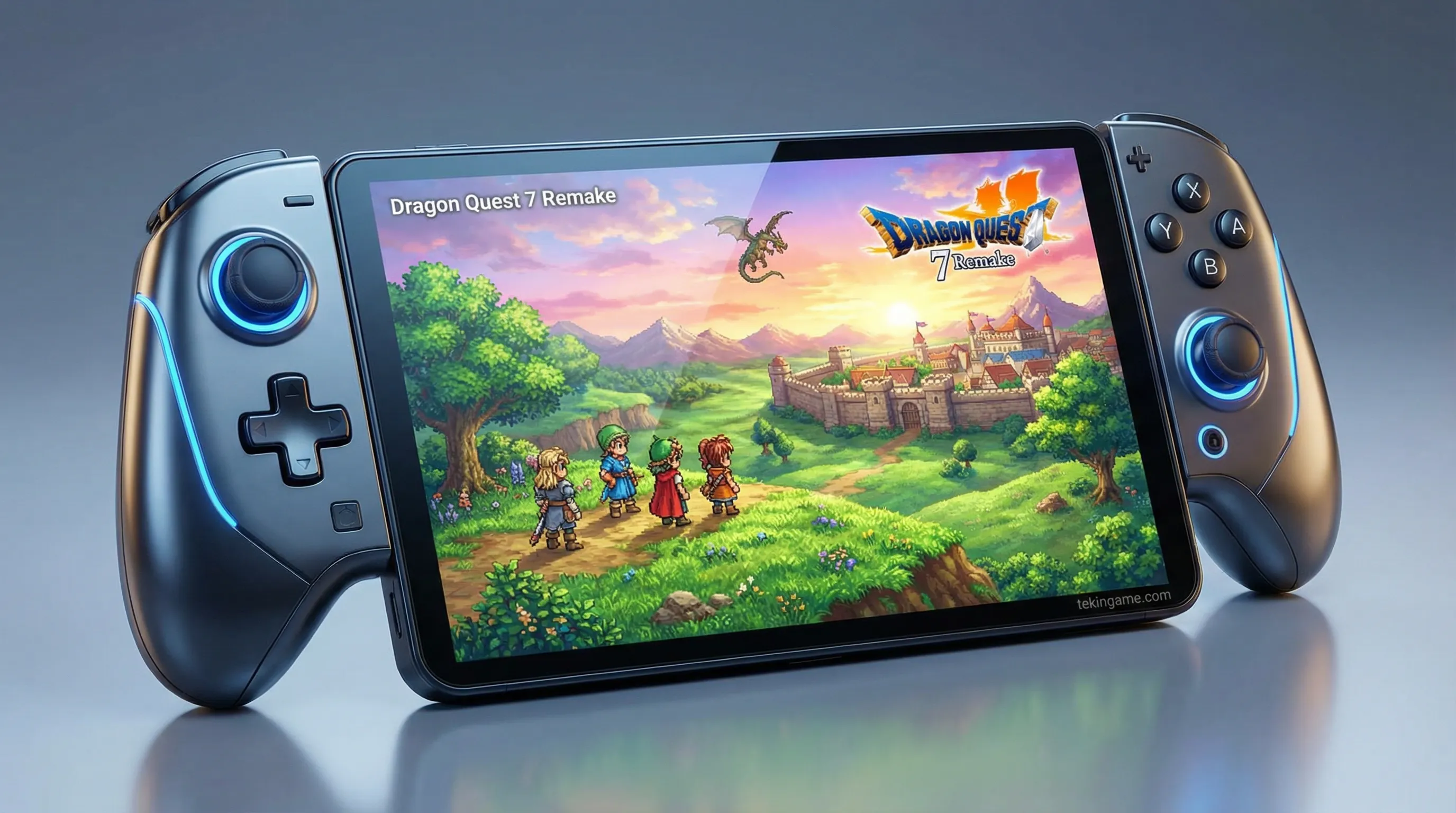
Highly credible financial leaks firmly indicate that the release timing of the "Dragon Quest 7 Remake" is surgically tethered to the global launch date and strategic window of Nintendo's feverishly anticipated console: the Nintendo Switch 2. To anchor the footprint of its newly emergent technological ecosystem and actively defend against the aggressive expansion of smartphones and ultra-high-fidelity Western consoles, Nintendo required a lethal weapon—a "Megaton Gravity" force. They needed a catalyst powerful enough to convince global families and gamers to effortlessly open their wallets and spend upward of $600 for the upgraded hardware. What could serve this role better than the reinvention of a colossal classic masterpiece containing dozens of hours of perfectly paced gameplay, entirely resurrected using powerful modern engines like Unreal Engine 5 or heavily modified, breathtakingly crisp HD-2D aesthetics?
Experts and institutional backers at AInvest project with absolute confidence that the synergistic combination of (Switch 2 hardware + Dragon Quest software) is singularly capable of driving global console sales past the astonishing 15-million-unit mark within the inaugural launch week alone. The aggressive injection of this magnitude of capital liquidity will not only patch the recent vulnerabilities within Nintendo's stock (TYO: 7974)—pinning its valuation back to its historic, soaring peaks—but it will also act as a total defibrillator for the parent company, Square Enix (TYO: 9684). Square Enix has previously faced grueling interrogations from shareholders due to miscalculations in adopting demanding Western-centric projects that failed to secure traction. The "Nostalgia Economy," especially when framed within advanced, interactive modern formats, is now viewed as the absolute safest bet (Safe Bet). It is a vector toward which Hedge Funds and risk management portfolios in Tokyo will direct their trading algorithms almost obligatorily.
5. The Agentic Economy in Gaming: NPC Processing and the Strain on Cloud Servers
The epic narrative and trajectory of the gaming sector in 2026 does not conclude with the mere anatomical breakdown of local macro-processor capabilities and edge-circuit limitations. There is a deeply covert, highly secretive third dimension currently deploying with massive force—one that has thoroughly hijacked the cognitive processing power of Wall Street's most radical analysts: the domain of Generative AI NPCs (Non-Playable Characters) governed by Pure Neural Behavioral Processing. During the 8th and 9th generations of gaming, the behaviors, conversations, and environmental interpretations of enemy and merchant characters were strictly dictated by rigid, static, and severely limited pre-scripted Decision Trees. However, the paradigm violently shifts in modern AAA titles laying the groundwork for 2026 architectures: these natively integrated NPCs actively listen, comprehend environmental context, spontaneously generate dynamic verbal responses, and inductively reason based precisely on a player's previous historical actions.
The intensely heavy and complex computational math required to generate deep, spontaneous, real-time localized dialogue for these fictitious AI entities vastly exceeds the local processing energy and capacity of the closed-box consoles sitting in our living rooms. Consequently, the heavy lifting is seamlessly ported and routed off-site to hyper-advanced Centralized Cloud Compute Clusters. When you wander through the expansive open-world cities of forthcoming RPG epics, the server racks housed by Amazon (AWS) and Microsoft (Azure) are, in every single fraction of a second, actively reading, modeling, interpreting, and responding to your live gaming variables. This dynamic forces an unprecedented spike in the "Cloud Utilization Rate" within international infrastructure data centers. As gaming cements its position as the highest-consuming industry on the consumer tier shifting toward cloud-native Artificial Intelligence, mega-tech titans are left with no choice but to procure significantly larger and more powerful server racks from Nvidia.
This is where the brutal, relentless wheel of value creation achieves its apex: The consumer purchases the game -> The game interface defers heavy computational generation to cloud servers -> Amazon and Microsoft bill the gamer (or the publisher) for Server Compute Leasing and API call fees -> To sustainably meet this exponential surge in unyielding demand, Amazon and Microsoft reinvest those billions into procuring miles of silicon transistors from Nvidia and AMD. By ushering gaming into the era of "Generative Autonomous NPCs," the gears of the New York Stock Exchange are forced to rotate at hyper-accelerated velocities.
6. Strategic Conclusion for Global Investors and Advanced Tech Gamers
Veteran companions and deeply entrenched members of the "TekinGame" vanguard; as the sun rises on 2026, we are fundamentally and existentially no longer merely spending a few dollars to "purchase a plastic disc" or logging into a digital Steam storefront out of simple boredom. The modern, globalized gamer in our current epoch is, unknowingly and incessantly, allocating capital and actively providing localized liquidity to fund the most profoundly complex hardware pipelines and software architectures ever constructed by humanity. Every singular visual frame rendered in Resident Evil Requiem, every single Katana strike deflecting off a stone surface in Nioh 3, and every dynamically generated conversation taking place in the virtual taverns of Dragon Quest 7, creates a billion-dollar echo actively reverberating across the illuminated trading dashboards of Wall Street, Tokyo, and Silicon Valley.
Our ultimate, parting strategic directive to you, serving as the architects of this technological continuum: If you have allocated a financial budget to upgrade your PC rig, lock in a 9th-Gen-Plus console, or secure Nintendo's forthcoming 10th-Gen hardware, identify the first half of 2026 as your absolute golden operational window. The impending price wars, the crushing demand generated simultaneously by cryptocurrency AI miners and mega-corporate data centers, combined with unprecedented market hype, guarantee that hardware procurement—especially in localized or indirect markets like the Middle East—will face violent currency and supply chain fluctuations. Smart players consistently secure their graphic processing power *before* the horde of digital zombies breaches the gate.