Introduction: Hello Tekin Army!
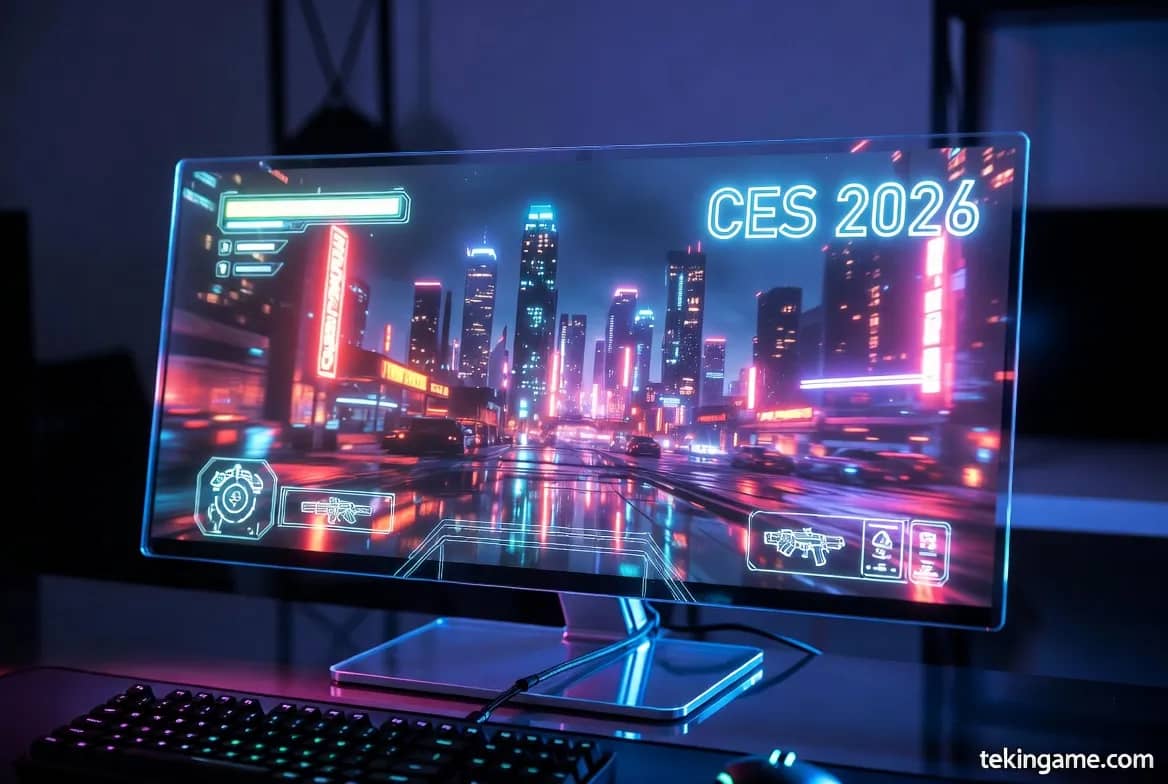
Hello Tekin Army! CES has always been the place where companies sell dreams and power users quietly rewrite their upgrade plans for the rest of the year. But CES 2026 feels different: this time it’s not just about flashy TVs and quirky gadgets, it’s about a near-complete reset of the hardware stack — from 2nm CPUs and AI PCs to transparent monitors and next‑gen gaming laptops.
In this preview, you’ll see what is almost guaranteed to show up on stage, what’s still in the “serious rumor” zone (like RTX 5090 Mobile), and why, if you are about to buy a high‑end laptop, monitor, or CPU in early 2026, waiting a few more days might save you from instant buyer’s remorse.
Why CES 2026 Is Not “Just Another CES” Anymore
CES 2026 runs from January 6–9 in Las Vegas, bringing together practically every major consumer tech brand: Samsung, LG, Intel, AMD, Qualcomm, Sony, NVIDIA, Lenovo, and more. The Consumer Technology Association has already published the list of exhibitors and official keynotes, and three themes dominate the agenda: AI everywhere, new CPU and SoC generations (especially 2nm), and display technologies from TVs to PC monitors.
Samsung kicks things off on January 4 with its annual The First Look 2026 event — two days before the show floor opens. This is where Samsung lays out its roadmap for TVs, monitors, and smart appliances, and this year it is explicitly framed around “AI for life” and deeper integration of Google Gemini into the Samsung ecosystem.
On the same day, Intel is set to unveil its new Core Ultra Series 3 laptop CPUs, built on the 2nm‑class 18A process and advertised as delivering up to 50% more performance over the previous generation, all under the broader AI PC umbrella. Later, AMD CEO Lisa Su will introduce AMD’s next CPU wave, including Ryzen 7 9850X3D and the Ryzen 9000G series on Zen 5, plus a new AI‑assisted graphics and image tech dubbed FSR Redstone AI.
Qualcomm, meanwhile, comes in with Snapdragon X2 Elite and X2 Elite Premium — its next‑gen ARM laptop chips, appearing in shipping hardware for the first time at CES 2026. Put together, this means CES is no longer a side‑show to PC launches; it is one of the main battlefields for defining what an AI‑first PC looks like.
Transparent Glass, True RGB, and 6K 3D: Displays Go Full Sci‑Fi
For years, veteran reporters have joked that “CES is the TV show,” and 2026 won’t break that pattern — except that the line between TV, monitor, and architectural glass is about to blur in unsettling ways.
Sony’s True RGB Mini‑LED: A New Answer to QD‑OLED
Sony, after its Bravia 2025 lineup, is now pushing a new display tech called “True RGB”, built around independently colored Mini‑LEDs instead of a single white backlight. In theory, this promises:
- Higher peak brightness than QD‑OLED
- Better color accuracy and volume for HDR content
- None of the long‑term burn‑in risks associated with OLED panels
For gamers and creators, that means:
- Real HDR performance in bright rooms
- Reference‑grade color for grading and art
- TVs that can finally double as serious PC displays without too many compromises
Odyssey 6K, Three‑Dimensional Panels, and Transparent Concepts
On the PC side, Samsung has already teased its 2026 Odyssey monitor lineup, including 6K 3D models and refresh rates reportedly reaching up to 1040 Hz in certain specialized variants — aimed squarely at eSports and simulation niches. CES 2026 is where these displays get their full public outing, and you can expect:
- Ultra‑high refresh demonstrations for competitive gaming
- Curved and possibly glasses‑free 3D configurations
- Closer integration with AI‑driven scaling and latency compensation
In parallel, the long‑running transparent monitor dream is starting to look less like a sci‑fi concept and more like a near‑product reality. At CES Unveiled Europe — the Amsterdam pre‑event held in October — the focus was already on next‑gen displays like flexible ultralight laptops, smart TVs, and wearables that blend into the environment. In Vegas, expect:
- Transparent OLED or MicroLED panels designed as “HUD windows” for desks and studios
- Displays that integrate with AR glasses and room‑scale setups
- Streamer‑oriented setups where the display itself becomes part of the visual backdrop
Lenovo’s Tech World at Sphere: Displays as Architecture
Lenovo will host its Tech World event inside the Sphere — Las Vegas’s gigantic, curved LED structure — using it as a physical metaphor for its “AI for all” message. That choice alone telegraphs where laptop and monitor design is heading:
- More ultra‑wide and curved displays optimized for multi‑tasking, work + play, and AI workflows
- Built‑in AI silicon and smarter power management tied to usage patterns
- Hardware designed from day one to pair with local AI agents and cloud models
The 2nm Offensive: Core Ultra 3, Panther Lake, and New Ryzen X3D
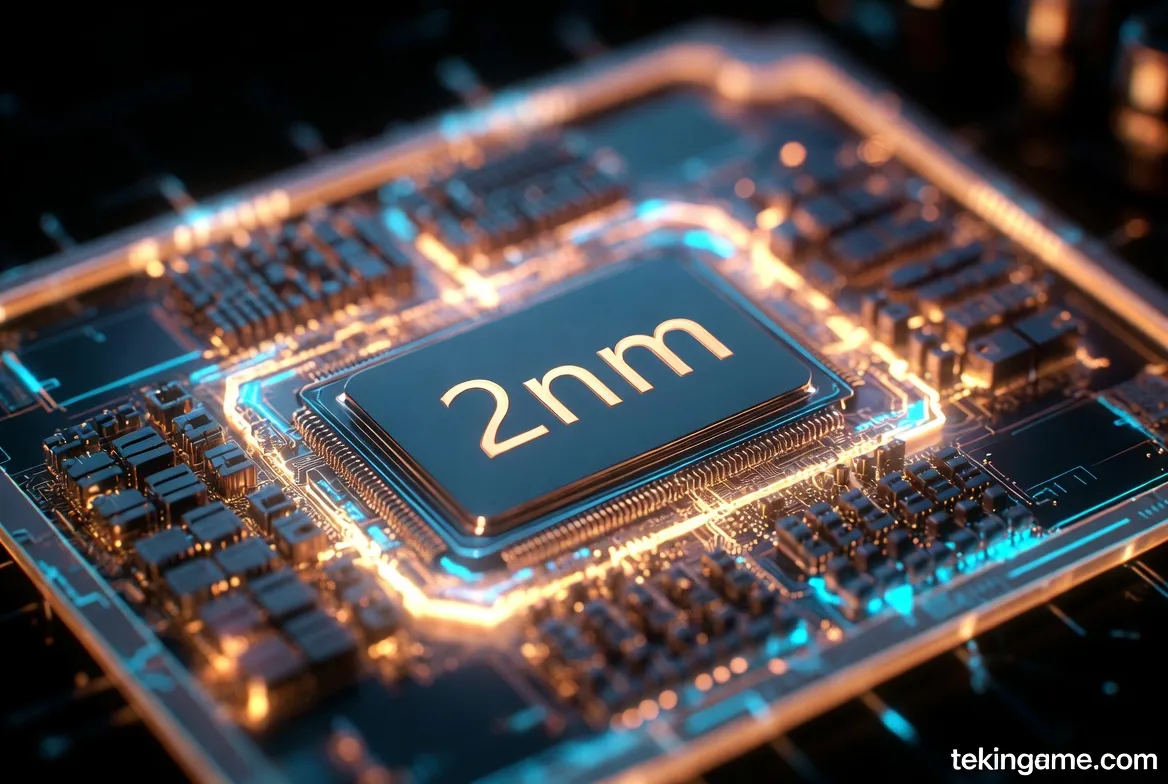
The biggest change at CES 2026 is not something you’ll immediately see on a show floor. It’s the silent migration to 2nm‑class manufacturing across CPUs and SoCs. For power users, that translates into:
- Higher performance at the same or lower power
- More on‑die space for NPUs and AI accelerators
- Room for stronger mobile GPUs without blowing up thermal budgets
Intel Core Ultra Series 3 and Panther Lake: AI PC, for Real This Time
Intel’s Core Ultra Series 3 chips, based on the 18A (roughly 2nm) process, will take center stage at CES. The company is promising:
- Up to 50% uplift over the previous generation in key workloads
- Much stronger integrated Arc GPUs for light gaming and creator tasks
- More capable NPUs for on‑device AI processing, in line with its AI PC strategy
Alongside that, Intel is expected to say more about Panther Lake, its upcoming architecture designed for premium AI PCs. In practice, that could mean:
- Laptops that can run small language models and image tools locally
- Better privacy — less dependence on cloud inference for everyday AI features
- New workflows where AI upscales, denoises, and encodes while the GPU is freed up for games
AMD Ryzen 7 9850X3D and Ryzen 9000G: Keeping the Gaming Crown
On the red side, CES 2026 will showcase AMD’s Ryzen 7 9850X3D and Ryzen 9000G Zen 5 APUs. With 3D V‑Cache still in play, AMD is clearly not giving up the gaming performance throne without a fight:
- Higher FPS in CPU‑bound scenarios
- More consistent frame pacing in open‑world and competitive titles
- A strong value proposition for gamers who want to extend a current GPU’s life
The Ryzen 9000G series, with significantly improved integrated graphics, aims at a different target: markets where discrete GPUs are prohibitively expensive. For many users, especially in price‑sensitive regions, a 9000G‑based build could deliver “good enough 1080p gaming” without a separate GPU at all.

Snapdragon X2 Elite and Elite Premium: ARM’s Laptop Push
Qualcomm’s Snapdragon X2 Elite and X2 Elite Premium laptop chips are another major CES 2026 storyline. Their focus is clear:
- Strong AI performance at very low power
- Better endurance in ultra‑thin laptops
- Direct competition with x86 laptops on everyday workloads and AI features
Gamers won’t be buying X2 laptops primarily for AAA performance, but with capable integrated GPUs and AI upscaling, these machines may surprise on lighter eSports and indie titles — especially when paired with cloud gaming or remote rigs.
The RTX 5090 Mobile Question: Thin‑and‑Light GPU Wars in 2026
Now to the question many in the Tekin Army care about most: GPUs. NVIDIA is confirmed to have a presence at CES 2026 and is officially talking about “innovative solutions across industries,” from automotive to AI and gaming. But CES has always thrived on what companies hint at rather than spell out, and that’s where speculation around RTX 5090 Mobile comes in.
RTX 5090 Mobile: No Hard Proof Yet — But Market Logic Is Loud
So far, there is no official mention of an RTX 5090 Mobile or any 50‑series laptop GPU in the CES schedules or press previews. However, several converging trends make the rumor highly plausible:
- The wave of 2nm CPUs and AI‑first laptop designs from Intel, AMD, and Qualcomm
- A strong industry pivot toward local AI workloads and higher NPU capacities
- Ongoing pressure in the desktop GPU market, which typically gets mirrored in mobile SKUs a few months later
Given this background, it would be surprising if NVIDIA didn’t at least:
- Allude to the next mobile GPU generation in keynotes or partner showcases
- Work with OEMs behind closed doors on 2026 flagship laptops pairing 50‑class GPUs with Core Ultra 3 / Zen 5 CPUs
- Show concept or reference laptops that hint clearly at next‑gen mobile GPU performance
Until something is named on stage, RTX 5090 Mobile remains a rumor. But from a hardware planning perspective, it’s reasonable to assume that top‑tier 2026 gaming laptops won’t stay on RTX 4090/4080 Mobile forever. If you’re eyeing a 4090 laptop today, CES 2026 is an important checkpoint before you swipe your card.
X2 Elite Laptops, Mid‑Tier GPUs, and the New “Thin Power” Segment
Qualcomm’s X2 Elite laptops and whatever mid‑tier mobile GPUs AMD and NVIDIA bring into the conversation will define a different battleground: portable power. Here the questions are:
- How close can ARM laptops get to x86 gaming performance when assisted by AI upscaling?
- Can ultra‑thin designs sustain meaningful GPU power envelopes without throttling?
- Will we see serious creator‑oriented laptops where integrated GPU + NPU is “good enough” for editing, streaming, and light gaming?
CES 2026 should provide early answers, via reference designs, OEM prototypes, and demo workloads that show how AI can compensate for raw GPU limits in thin‑and‑light form factors.
Robots, Smart Homes, and the AI PC Wave Beyond Gaming
From a pure gamer’s perspective, the rest of CES may look like a distraction. But with AI bleeding into every category, those “other halls” are quickly becoming relevant to how you live, work, and play around your PC.
Ballie, Next‑Gen Vacuums, and Smarter Homes
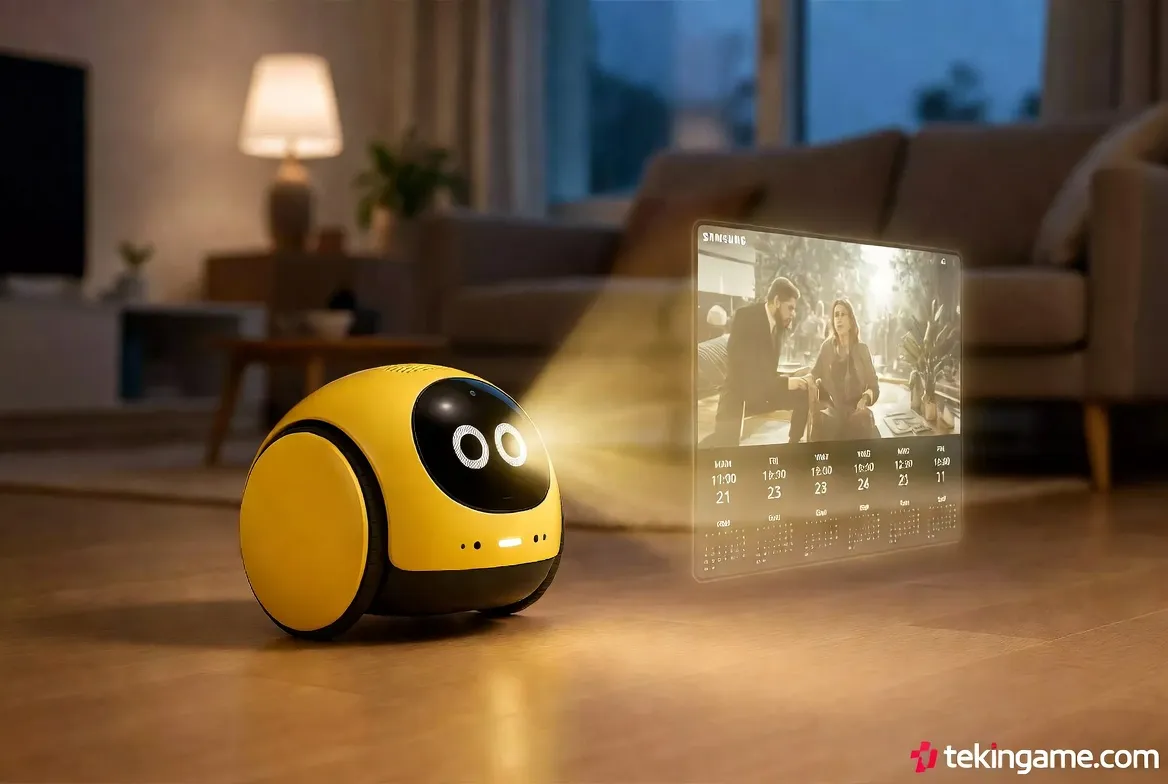
Samsung is expected to take a third swing at launching its long‑teased home robot Ballie at CES 2026. Alongside it, a new generation of cleaning robots including Roborock Saros Z70, Dreame X50, and the new Qrevo Curv 2 Flow will showcase:
- Improved edge handling and obstacle avoidance
- Foldable arms or modular components for better coverage
- More sophisticated path planning and mapping using on‑device AI
Google Gemini Inside Your Fridge and TV
On the appliance side, Samsung’s preview events have already highlighted the integration of Google Gemini into Bespoke refrigerators and other smart appliances. Combined with its new TVs and Odyssey monitors, that means:
- A home that can build a surprisingly rich profile of your habits
- Smart recommendations for content, food, routines, and even energy usage
- A much tighter feedback loop between what you consume on screen and what your environment suggests next
AI PC as the New Baseline
Intel, AMD, and Qualcomm are all using AI PC as a long‑term strategy label, not a one‑season marketing slogan. The implications are:
- Within a few years, a PC without a capable NPU will be considered “legacy”
- Tasks currently handled by CPU + GPU — upscaling, denoising, encoding, basic content generation — will shift to dedicated AI engines
- For gamers, that means more of the GPU budget can be reserved for rendering the game itself
Conclusion: Why Your 2026 Upgrade Plan Should Pause Until CES
For the Tekin Army, CES 2026 is a major calibration point. After this show, our definition of a “good laptop,” a “future‑proof monitor,” or even a “sensible CPU upgrade” will shift. Displays are heading toward transparent and 6K 3D territory; CPUs are moving into 2nm and AI‑centric architectures; and smart homes plus AI PCs are merging into one continuous environment.
In that context, even if RTX 5090 Mobile never gets formally named during CES, the combined CPU and AI pressure will push the GPU market into its next phase sooner rather than later. If you’re planning a major purchase — especially a high‑end gaming laptop or monitor — treating CES 2026 as a hard checkpoint before committing is not just cautious; it’s the smartest meta‑build you can do for your 2026 setup.