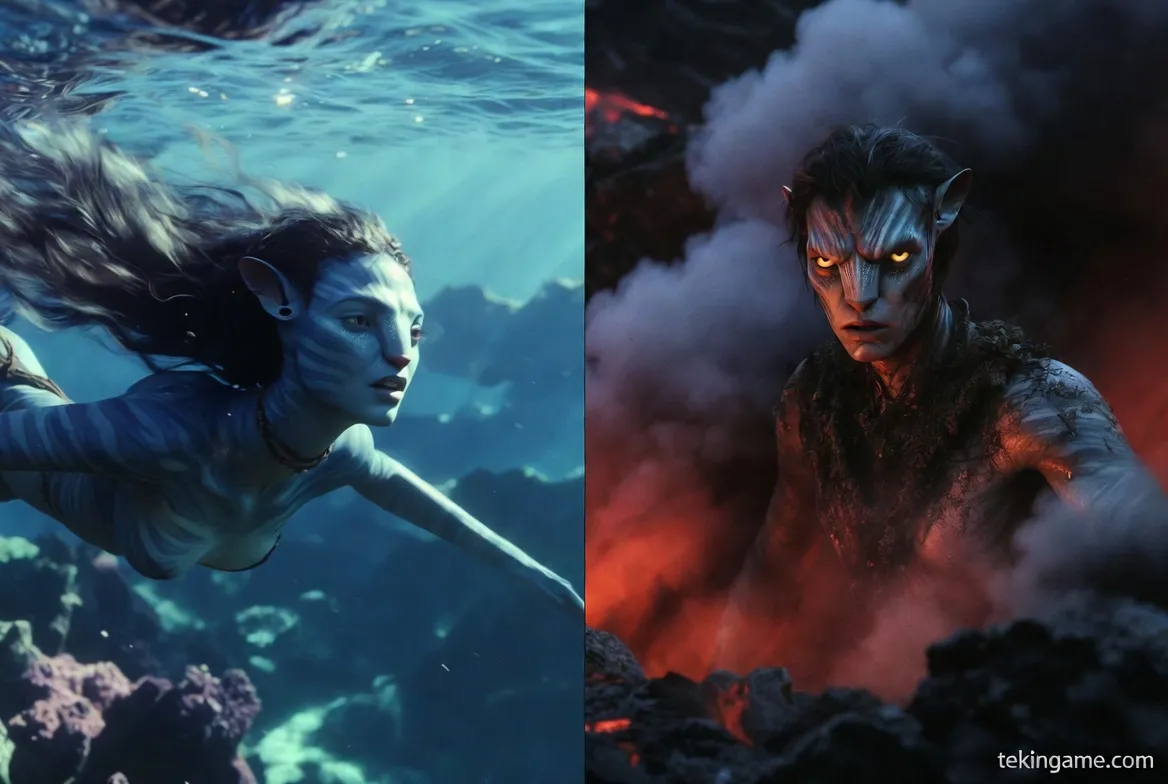
1. Introduction: Cameron's Obsession with Breaking Boundaries
James Cameron is not just a director; he is an inventor who occasionally makes movies. He waited years for technology to catch up to his vision for Avatar. He waited another 13 years for fluid physics to mature enough for The Way of Water. Now, only three years later, he returns with Fire and Ash.
Why was the gap shorter this time? Because the pipeline was built. However, do not mistake speed for simplicity. Adding the element of "Fire" and "Magma" to a rendering engine designed for "Water" is not as simple as adding an Instagram filter. It required a fundamental rewrite of the laws of thermodynamics within Wētā FX's proprietary "Manuka" renderer.
2. Trailer Dissection: A Darker Narrative, A Harsher World
The trailer opens with familiar sounds but alien imagery. The Pandora we knew was lush, green, and bioluminescent blue. The new sequences are dominated by greys, charcoals, and violent reds.
We are introduced to the "Ash People" (Varang’s tribe). Unlike the forest or reef clans, these Na'vi do not live in harmony with Eywa; they survive despite her. They ride flying creatures that resemble charred dragons. Their armor is jagged obsidian rather than woven fiber. From a technical standpoint, this represents a massive shift from "Soft Body Simulation" (plants, water, skin) to "Hard Surface" aesthetics, requiring different physics solvers.
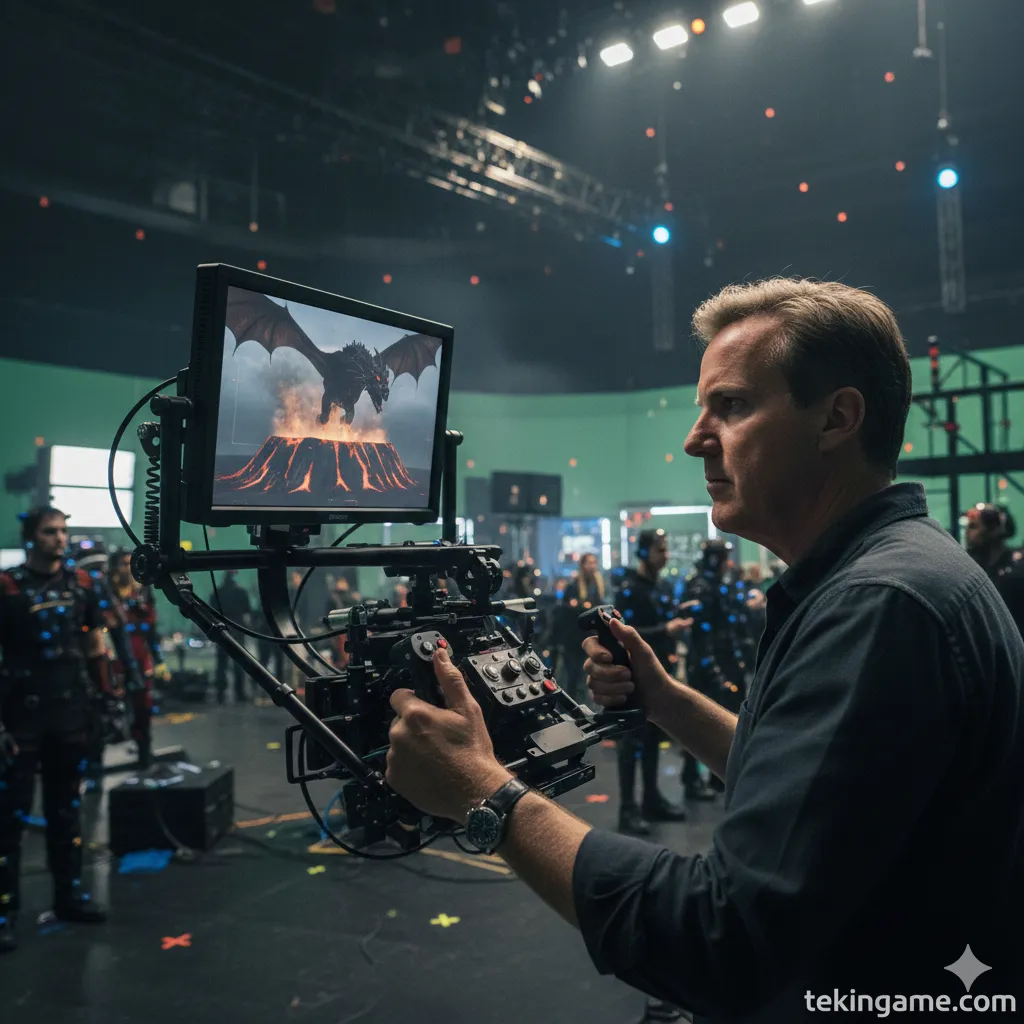
3. Technical Challenge #1: The "Fire Underwater" Paradox
The most jaw-dropping moment of the trailer involves volcanic magma flowing directly into the ocean. In the real world, this interaction is a complex thermodynamic explosion. Recreating this in a computer is arguably the hardest VFX feat of the decade.
3.1. Simulating the Leidenfrost Effect in CGI
When an object at 1000°C (magma) touches water at 20°C, the water doesn't just boil; it flash-vaporizes, creating an insulating layer of gas around the hot object. This is known as the Leidenfrost Effect.
The graphics team could not use standard water simulators. They had to write a new solver to calculate high-pressure gas pockets at the contact point. In the trailer, observe closely: the magma doesn't immediately turn black. For a few seconds, it glows inside a silvery envelope of steam. This scientific accuracy in a blockbuster movie is unprecedented.
3.2. Real-Time Phase Change: From Fluid to Rigid Body
The next challenge is the solidification process. Magma is a fluid, but as it cools, it becomes rock (a Rigid Body).
In traditional animation, artists usually swap the liquid model for a solid rock model in a hidden cut. In Avatar 3, we are seeing a Phase Change Simulation. The surface of the lava turns black, cracks dynamically (Procedural Cracking), and the orange glow bleeds through the fissures. This is procedural generation at its finest; the computer decides where the rock forms based on temperature data, frame by frame.
3.3. Caustics and Light Refraction Through Steam
Underwater lighting (Caustics) is already difficult. Now, add a light source (fire) inside the water, obscured by millions of steam bubbles.
The ray-tracing engine must calculate the path of light rays bouncing between bubbles thousands of times. The result, seen in the trailer, is a "milky," glowing underwater atmosphere that diffuses the harsh red light into a soft, terrifying aura.
4. The Ash People: A Masterclass in Texturing
The new character "Varang" (played by Oona Chaplin) presented a unique challenge for the character asset team.
4.1. The "Soot Shader": Solving Light Absorption
Previous Na'vi characters had sweaty, glistening skin that reflected light beautifully. The Ash People, however, are covered in matte dust.
Ash is a material that "swallows" light. Rendering a character that doesn't reflect light but still needs to show detail is incredibly difficult for a lighting artist. Wētā developed a new Subsurface Scattering (SSS) profile that simulates microscopic layers of dust sitting on top of the skin. If you watch the trailer in 4K, the ash isn't just a flat texture; it has volume, accumulating on the peach fuzz hairs of the characters' faces.
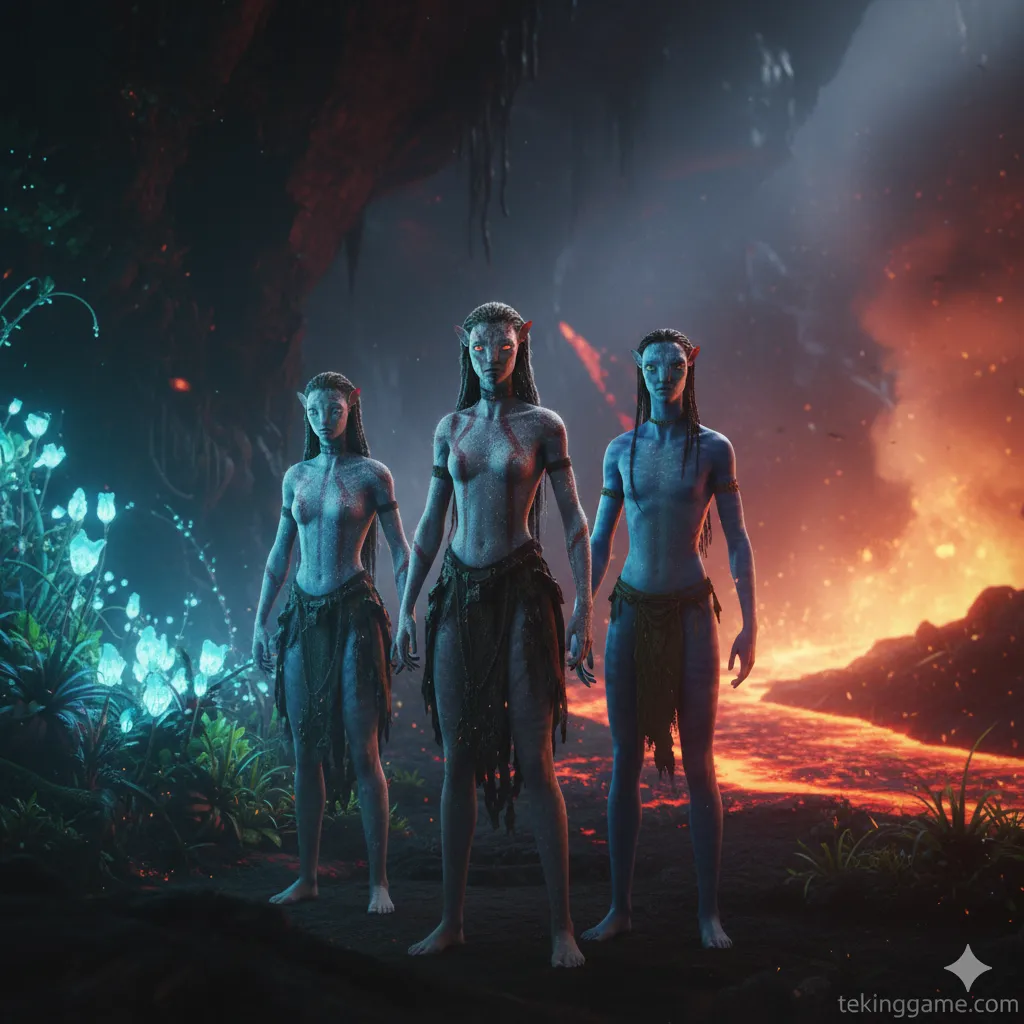
4.2. New Facial Muscle System for Rage Expressions
Cameron stated in an interview: "In the first two films, the Na'vi were mostly concerned or sad. In this one, they are angry."
Displaying "Rage" (jaw tension, nostril flaring, micro-tremors under the eyes) required an update to the facial rigging system. The new rig, trained on AI data, simulates the contraction of muscles underneath the skin layer. When Varang screams, you don't just see the lips move; you see the veins in her neck bulge.
5. Environmental Design: Building Hell inside Paradise
Pandora was paradise. The new Volcanic Region is hell.
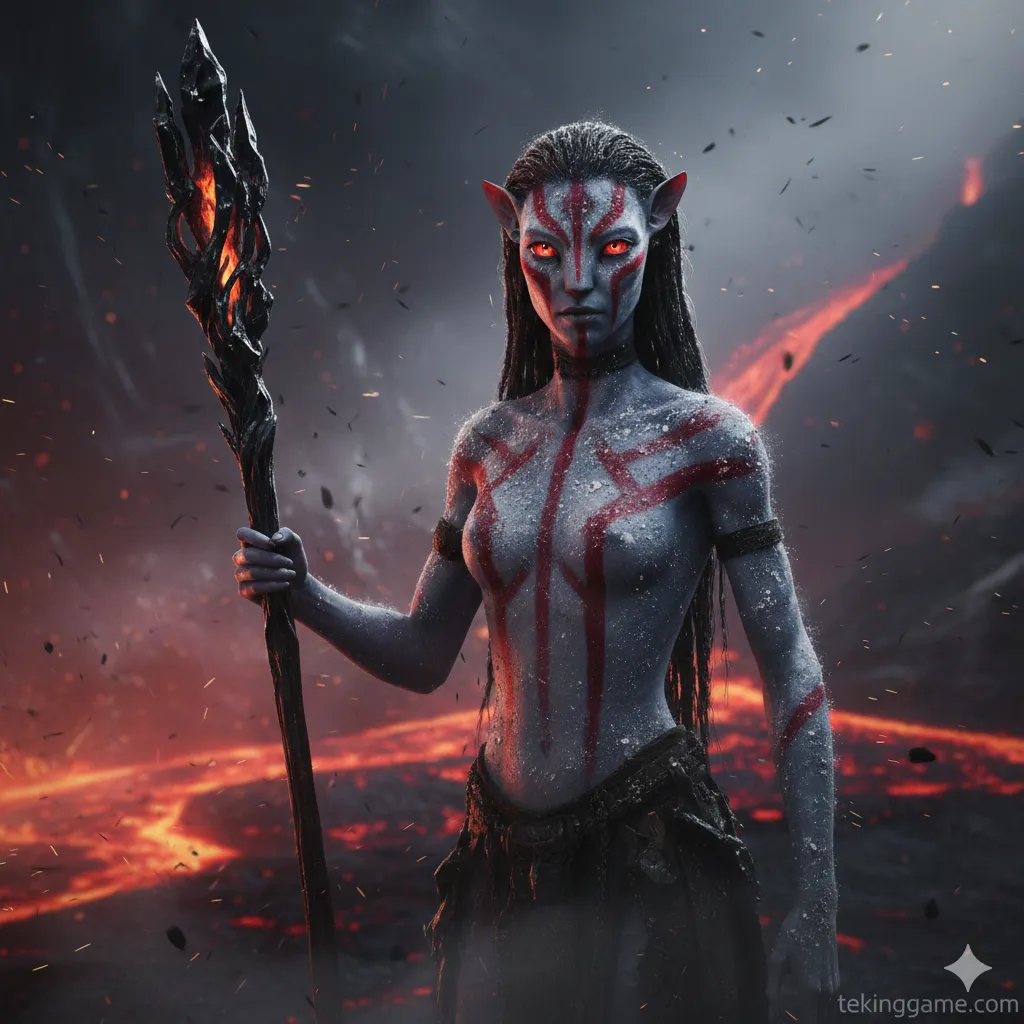
5.1. Volumetric Particle Systems for Ash
In every shot involving the Ash People, the air is never clear. It is filled with suspended volcanic particulate matter.
These particles are not just a 2D overlay. They are 3D objects that exist in the space, cast shadows, and react to the movement of characters (Turbulence). It is estimated that in the battle sequences, over 500 million individual particles are being rendered simultaneously.
5.2. Dual Lighting: Cold vs. Warm Color Theory
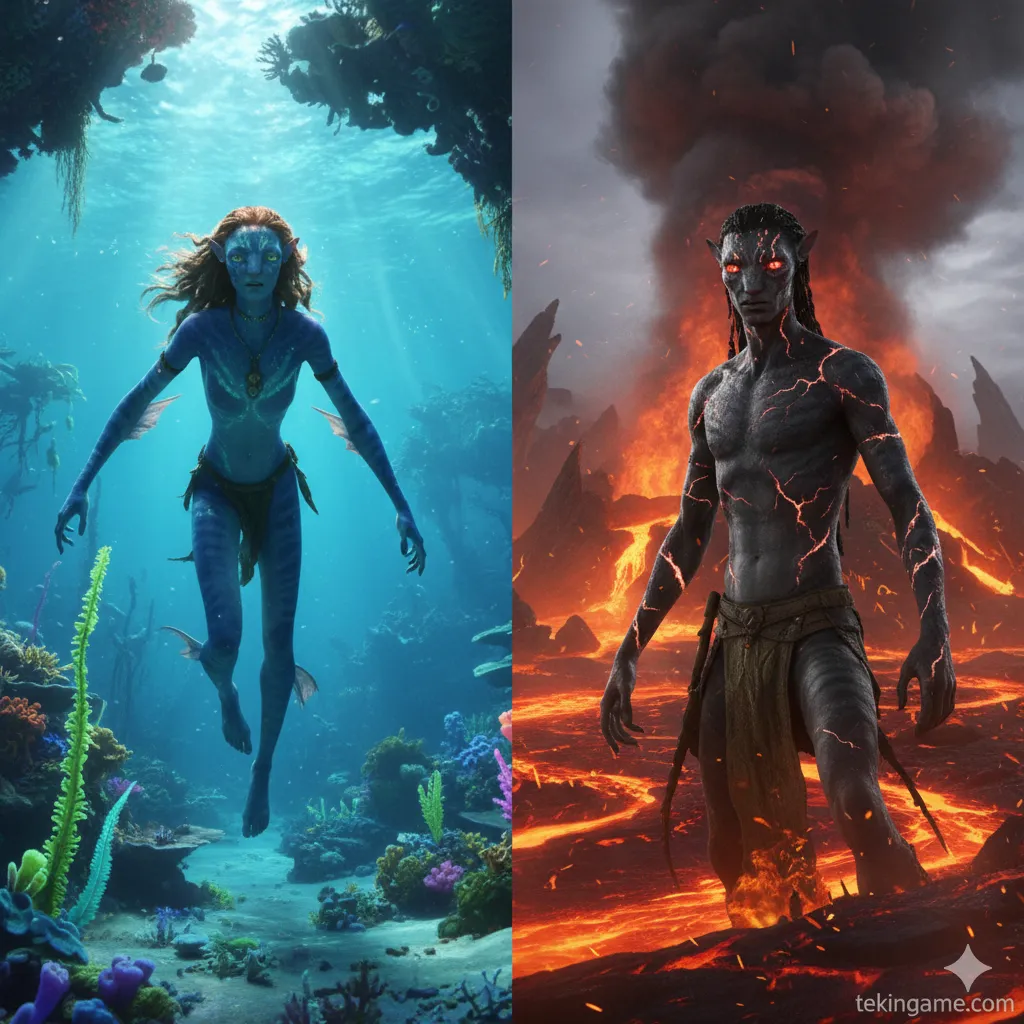
From a cinematographic perspective, the trailer is a masterclass in contrast. The cold blue/violet bioluminescence of the forest (representing Life) clashes with the violent red/orange incandescence of the volcano (representing Destruction).
In shots where Jake Sully (Blue) fights the Ash People (Red), this lighting setup creates a "Purple" hue on the skin tones, visually conveying a sense of suffocation and pressure.
6. High Frame Rate (HFR): The "TrueCut Motion" Evolution
The debate over HFR (High Frame Rate) continues. Many audiences hate the "Soap Opera Effect" of 48fps.
However, for Fire and Ash, Cameron is utilizing Pixelworks' TrueCut Motion grading. This technology allows the director to "dial in" the frame rate scene by scene.
In the trailer, dialogue scenes appear cinematic (standard 24fps look) with proper motion blur. But the moment the aerial combat starts amidst the smoke, the image sharpens to 48fps. This switch is so seamless that the brain doesn't register the change; it simply perceives the action as "clearer."
7. Conclusion: Is Cinema Hardware Ready?
The final trailer for Avatar: Fire and Ash is a warning shot to cinema chains worldwide: Upgrade your projectors.
The visual detail, especially in the dark scenes and the high-contrast range between magma and water, demands Laser Projection with High Dynamic Range (HDR).
James Cameron has proven once again that Visual Effects are not just a tool to "polish" a movie; they are the language used to narrate the impossible. The convergence of water and fire in this trailer is the convergence of art and engineering at its absolute peak.