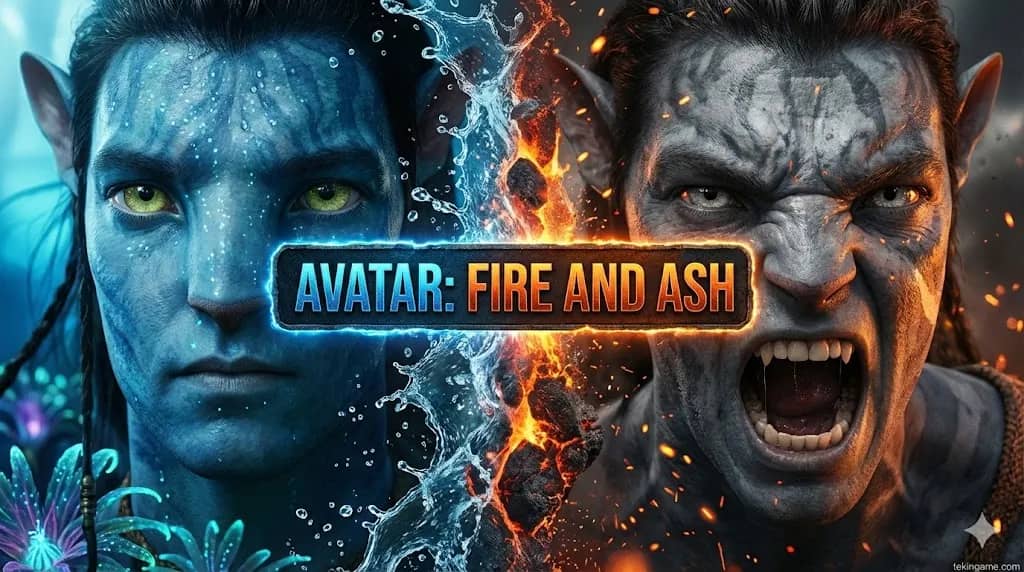
1. The Box Office Earthquake: Why the World Went Mad for Pandora Again
Let's start with the numbers, because numbers don't lie. Early reports from Deadline indicate that the global opening day gross has surpassed $180 million. For comparison, Avatar: The Way of Water opened to $134 million on its first day.
1.1. Smashing Opening Records: Breaking the Marvel Barrier
After the decline of superhero fatigue in 2024 and 2025, theater owners were worried that the habit of "going to the movies" was dying. However, Fire and Ash proved that audiences still buy tickets for "True Spectacles."
Analysts believe this surge is due to the "Sequel Effect"; those who loved Avatar 2 showed up on day one this time, rather than waiting for the third week.
1.2. The Critical Role of IMAX and Dolby Cinemas
Interestingly, 65% of the film's revenue came from "Premium Large Format" (PLF) screens. $30 IMAX tickets in key markets like Los Angeles and London are sold out for the next two weeks. Cameron has successfully tied the Avatar brand to "Superior Technology"; the audience knows that watching this movie on a home TV is a waste of time.
2. Anatomy of the 'Ash People': When Victims Become Executioners
The beating heart of the third film is the introduction of the new Na'vi tribe: The Varang (The Ash People). Cameron brilliantly shatters the "Good Na'vi / Bad Human" cliché.
2.1. Psychology of the Varang Tribe: Rage Born of Suffering
The Ash People aren't evil; they are traumatized. Their lore reveals that generations ago, they were trapped by volcanic eruptions and abandoned by other tribes. They were forced to become ruthless to survive.
Their philosophy is "Power at any cost." Unlike Jake Sully, who believes in "balance with nature," Varang believes nature must be conquered to survive. This ideological conflict makes the drama far deeper than a simple war.
2.2. Art Design and the Volcanic Biome: Beauty in Destruction
The art design team created their skin in a Charcoal Grey tone with veins of red bioluminescence. They wear armor made of obsidian glass and volcanic rock.
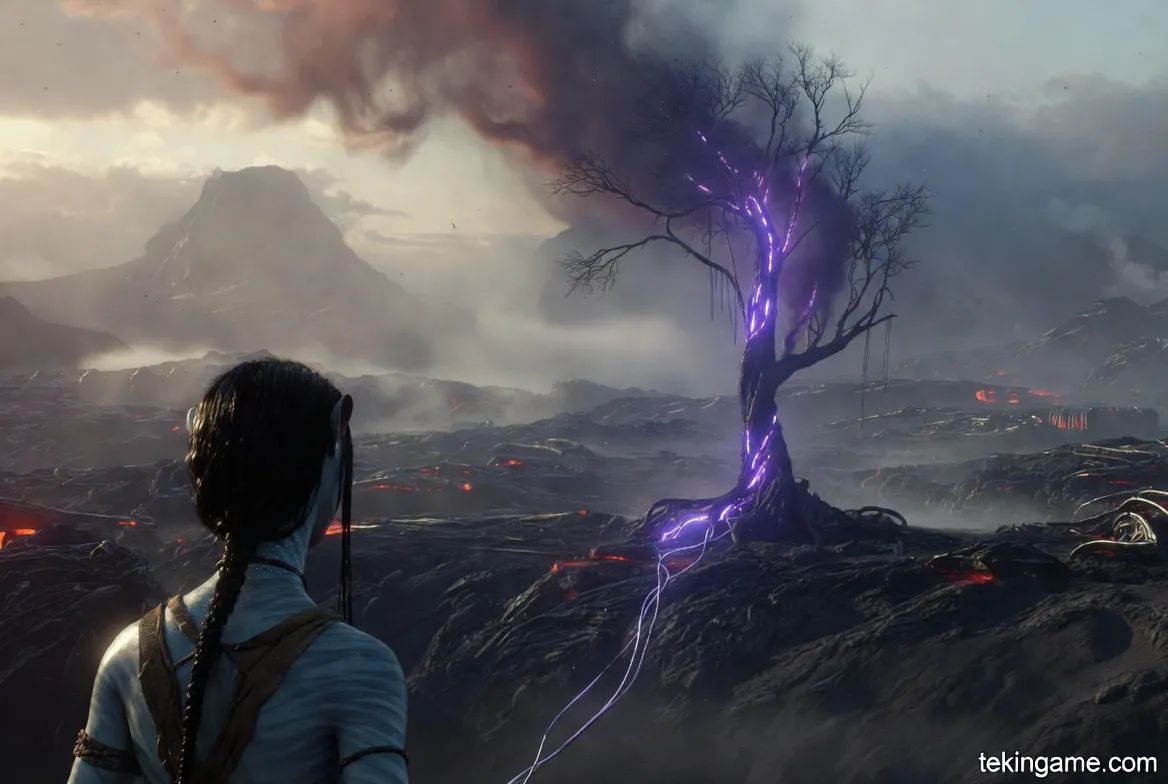
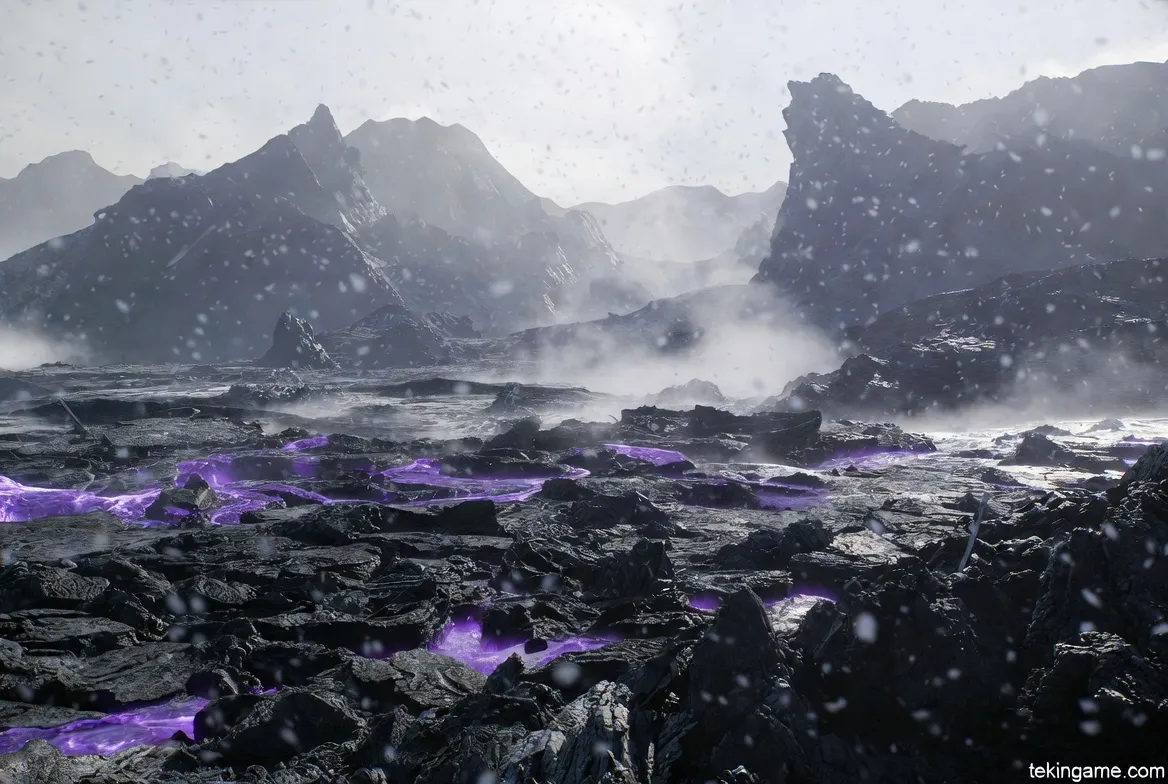
Pandora's new biome is a mix of Dante's Inferno and geological beauty. Rivers of violet magma and a sky permanently choked with smoke create a suffocating yet majestic atmosphere.
3. Technical Review: Wētā FX and the Boundaries of the Impossible
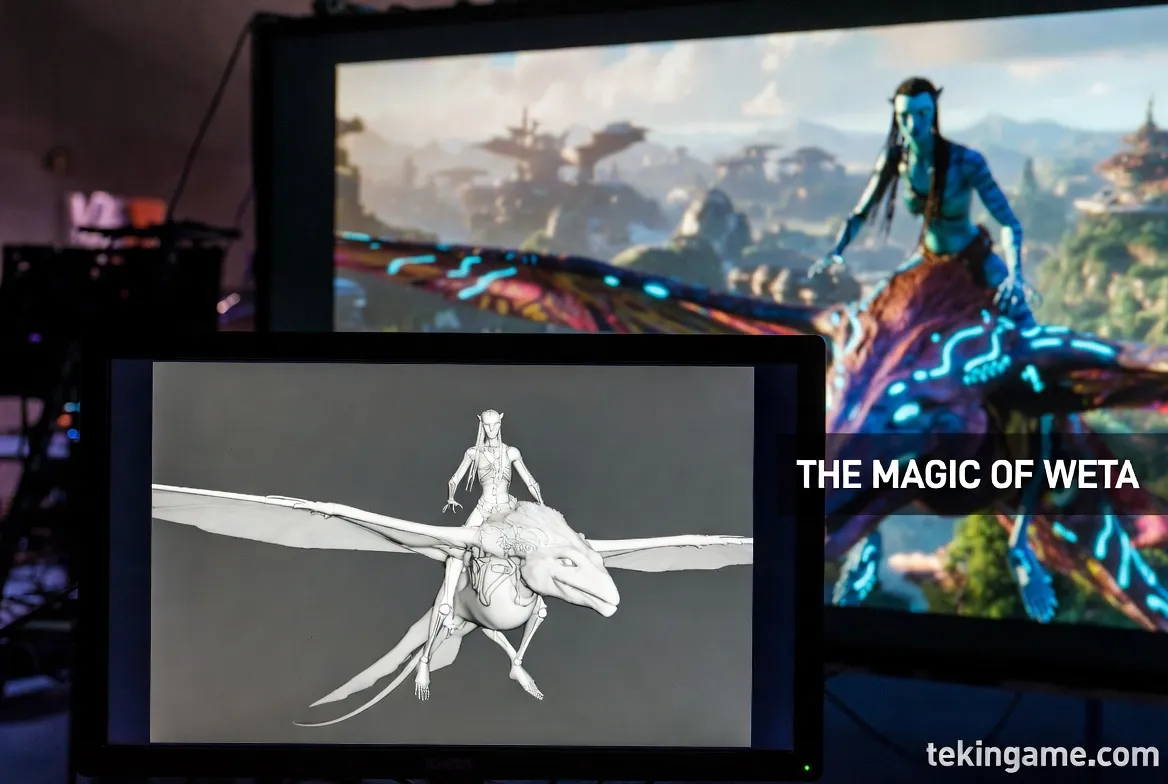
If Avatar 2 was the test of "Water," Avatar 3 is the test of "Particles." And the Wētā FX team has scored a perfect 100 again.
3.1. Simulating "Volumetric Ash" (Fluid Dynamics)
The main technical challenge of the film is the dust and ash suspended in the air. In standard animation, these are just a 2D layer over the image. But in Avatar 3, every particle of ash is a 3D volume that reflects light and casts shadows.
When characters walk through the ash, their footprints and the airflow around their bodies change the movement of the particles. This level of Fluid Dynamics simulation is unprecedented in cinema history.
3.2. Goodbye Uncanny Valley
In the close-ups of Oona Chaplin's face, you forget you are watching a CGI creature. The micro-movements of facial muscles, the trembling of pupils, and even the moist texture of skin in the volcanic heat have completely erased the line between reality and graphics. Cameron used new Sony 9K cameras for motion capture, capturing details 4x more precisely than before.
4. Characters & Acting: Beyond Motion Capture
Technology is the tool, but the actors bring the pixels to life.
4.1. Oona Chaplin as Varang: The Villain You Will Love
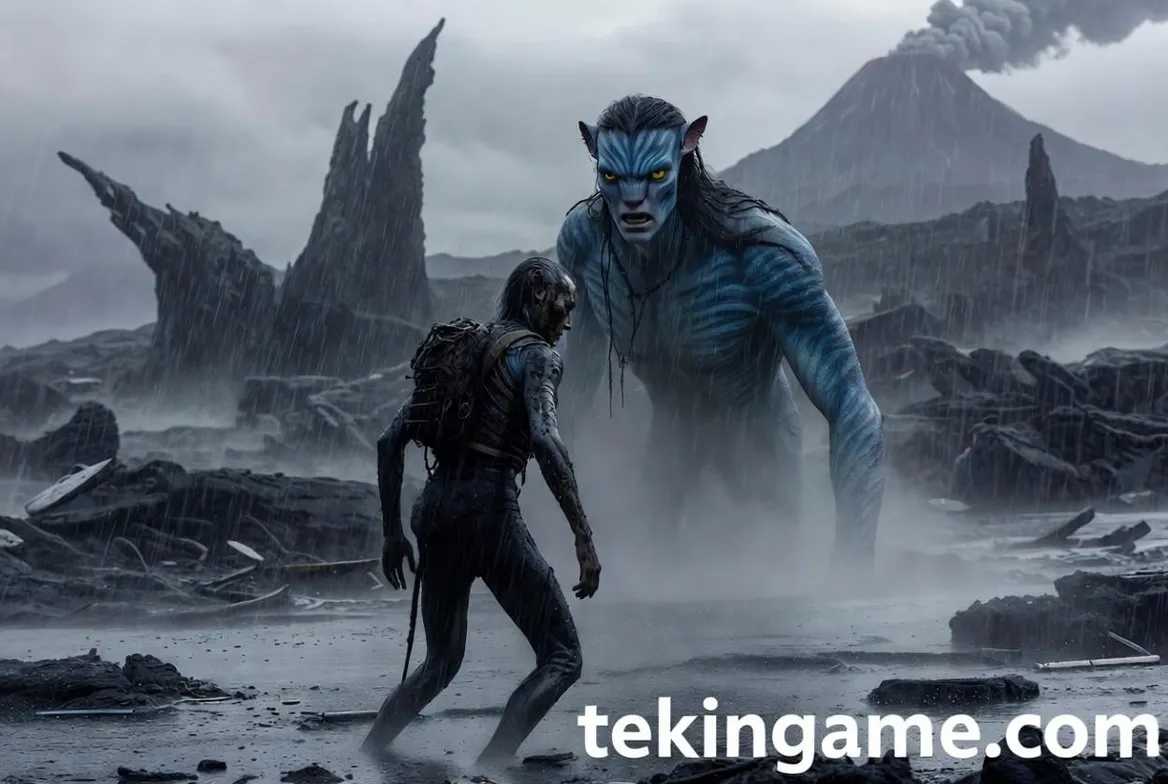
The undisputed star of the film is Oona Chaplin. As the leader of the Ash Tribe, she displays a mix of charisma, rage, and vulnerability. She isn't just a "bad guy"; she is a leader trying to save her people from starvation and isolation, even if it means war with Jake Sully.
4.2. Spider's Maturity and the Father-Son Duality
The character of Spider (Quaritch's human son) has a complex arc in this installment. He is stuck between loyalty to the Sully family (who raised him) and his biological father (Quaritch). The scenes between Spider and Quaritch are the heaviest emotional moments of the film, proving that even a Clone can harbor paternal feelings.
4.3. Kiri: The Messiah of Pandora?
Sigourney Weaver as Kiri remains the most mysterious figure. In this film, we see that her powers to control nature work even in harsh volcanic environments. The sequence where she resurrects a dead tree in the middle of a lava field is the film's most iconic shot, confirming her potential as a "Savior" in future installments.
5. Sound & Music: The Legacy of Simon Franglen
After the passing of James Horner, there were concerns about the score. But Simon Franglen has delivered a masterpiece.
For the Ash Tribe, he used heavy percussion and sounds of "grinding stone" to create a primal, terrifying vibe. The musical theme has shifted from the "dreamy and spiritual" tone of previous films to an "epic and militaristic" one, perfectly matching the Civil War theme.
6. Verdict & Future Outlook: Onward to Avatar 4
Avatar: Fire and Ash is a massive bridge. It showed us that Pandora isn't just a paradise and that Na'vi can make mistakes too.
The ending (which we won't spoil) clearly indicates that the scale of the story in Part 4 (rumored to be titled The Tulkun Rider) will go beyond Pandora. Will they go to Earth? Will Kiri save the planet?
Is it worth watching?
If you are looking for "Cinema" in the truest sense of the word—where image, sound, and emotion detach you from the real world for 3 hours—then yes. Avatar 3 is not only the best blockbuster of 2025, but it is also the standard by which all films will be measured for the next 10 years.
Who do you think is right? Jake Sully, who wants to keep the peace, or Varang, who believes they must fight to survive?
Leave your thoughts in the comments below.