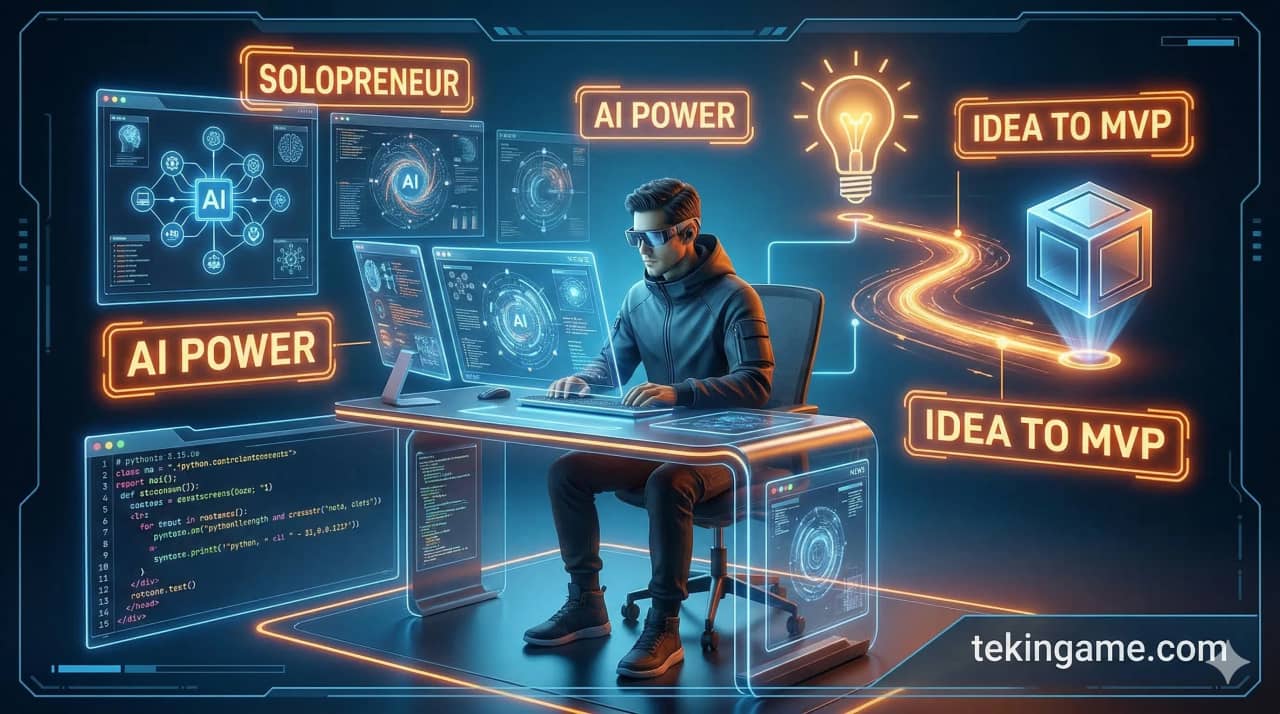
A cybernetic revolution is disrupting the startup ecosystem. You no longer need massive funding or a 20-person engineering team to build a Minimum Viable Product (MVP). This "Tekin Analysis" dissects the new model of "One-Person Armies"; a paradigm where the founder acts as the grand strategist, AI handles the heavy lifting of coding and database architecture, and specialized human freelancers assemble the final puzzle pieces. We explore how this winning combination compresses the months-long journey from idea to execution
Until just a few years ago, turning an idea on a napkin or a PowerPoint slide into a Minimum Viable Product (MVP) required a team of developers, a UI/UX designer, a product manager, and months of time. But today, in 2026, the rules of the game have completely changed. One person, a laptop, and an AI subscription now hold the power of an entire startup team. Welcome to the era of "One-Person Armies"!
Death of Traditional Startups: The End of 20-Person Teams
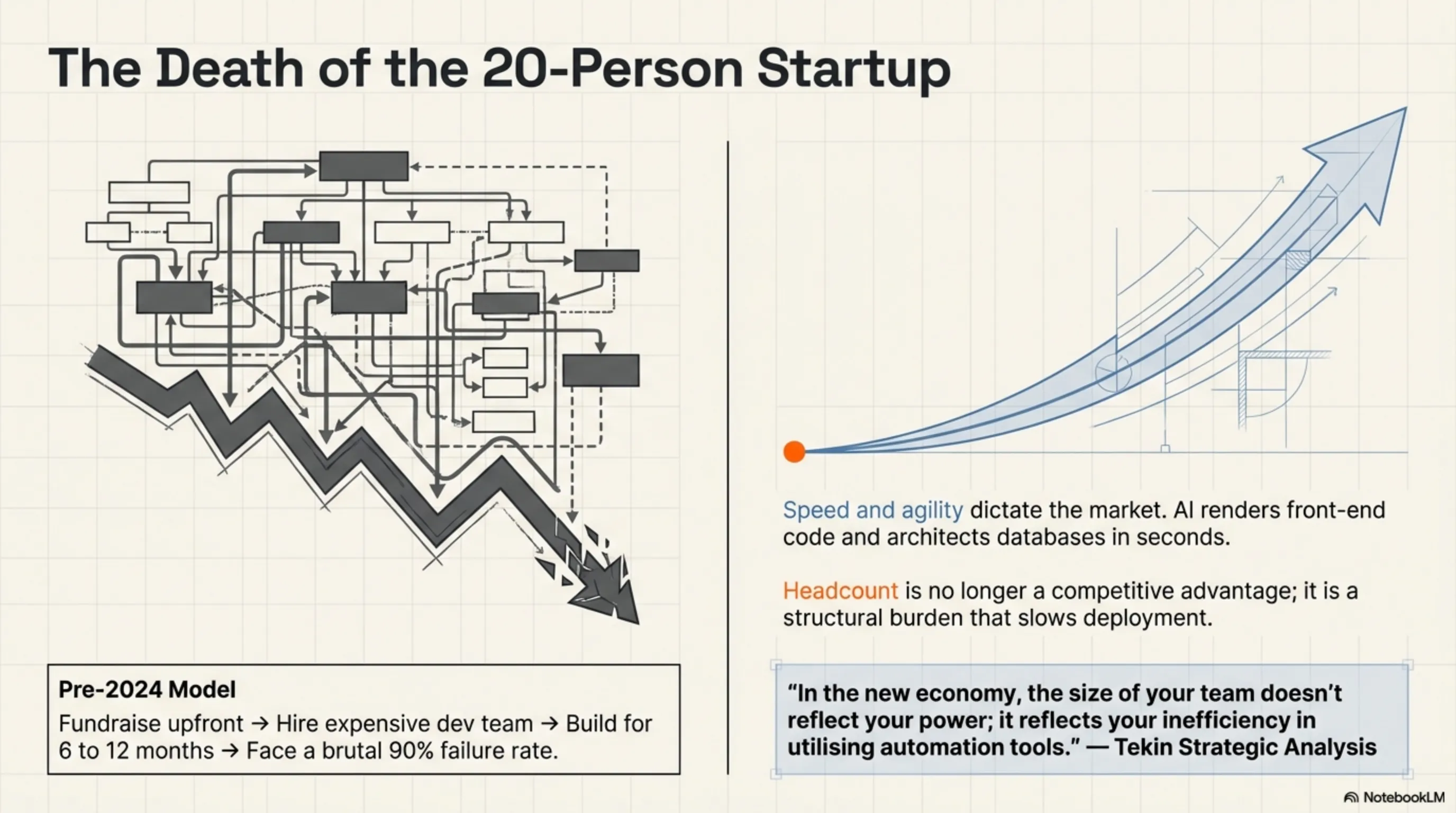
In the not-so-distant past, fundraising was the very first step to launching a business. You had to convince investors to give you money, then use that capital to hire an expensive team of developers just to see if your idea had product-market fit. This process typically took 6 to 12 months and came with a brutal 90% failure rate.
But now, speed and agility dictate the market. When an AI tool can architect your database and render your front-end code in a matter of seconds, hiring a 20-person team is no longer a "competitive advantage." Instead, it's a massive financial and structural burden that slows down your deployment.
"In the new economy, the size of your team doesn't reflect your power; it reflects your inefficiency in utilizing automation tools." — Tekin Strategic Analysis
Anatomy of a Solopreneur: Commanding the Frontline
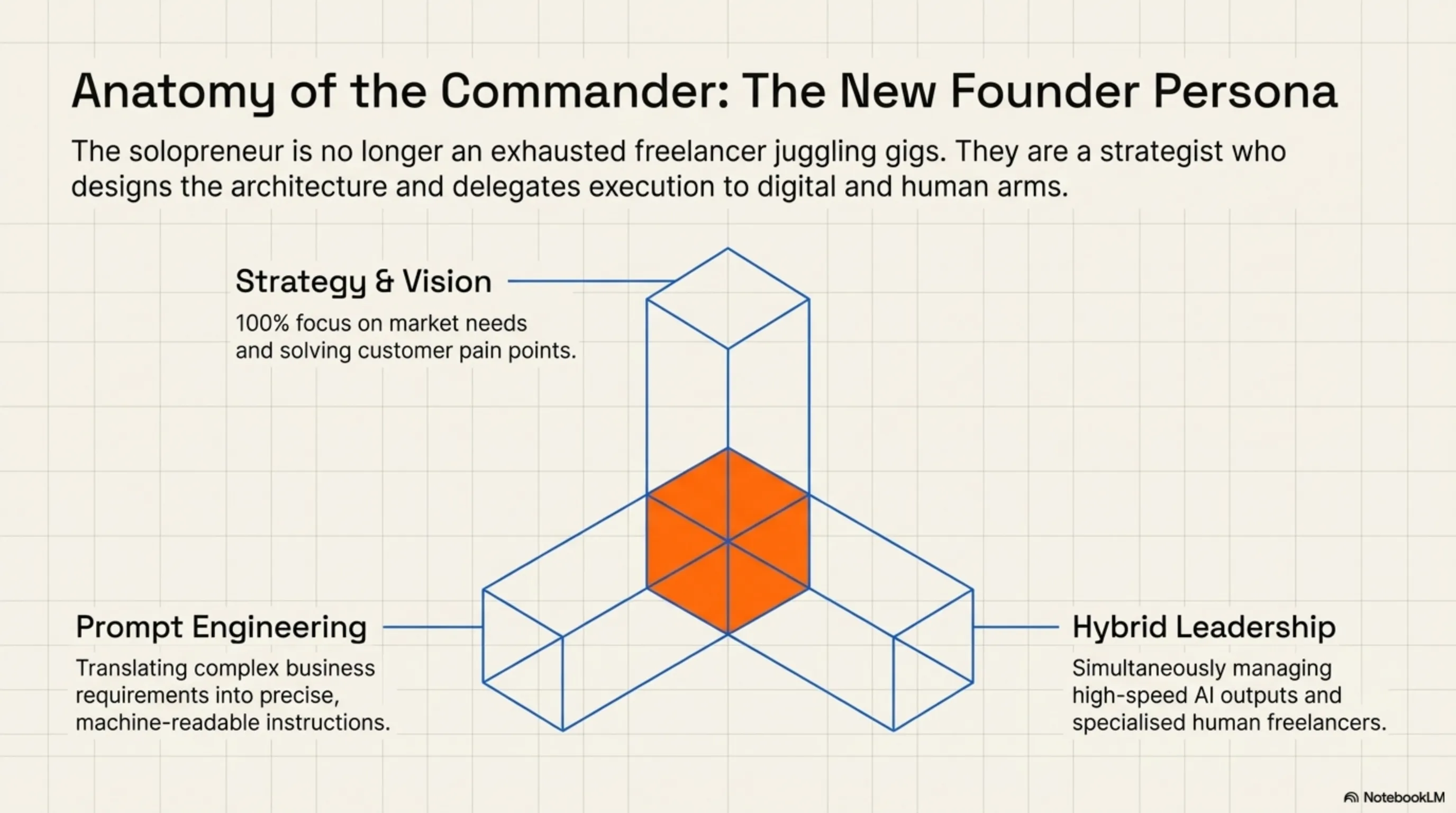
The term "Solopreneur" no longer means an exhausted freelancer juggling small gigs. In the 2026 economy, a solopreneur is a strategist and commander. Instead of laying the bricks themselves, they design the architecture and delegate the execution to digital and human arms.
In this new paradigm, the role of the founder is completely transformed:
- Strategy and Vision: 100% focus on market needs and solving customer pain points.
- Prompt Engineering: Translating business requirements into precise instructions for the machine.
- Hybrid Leadership: Simultaneously managing AI outputs and human freelancers.
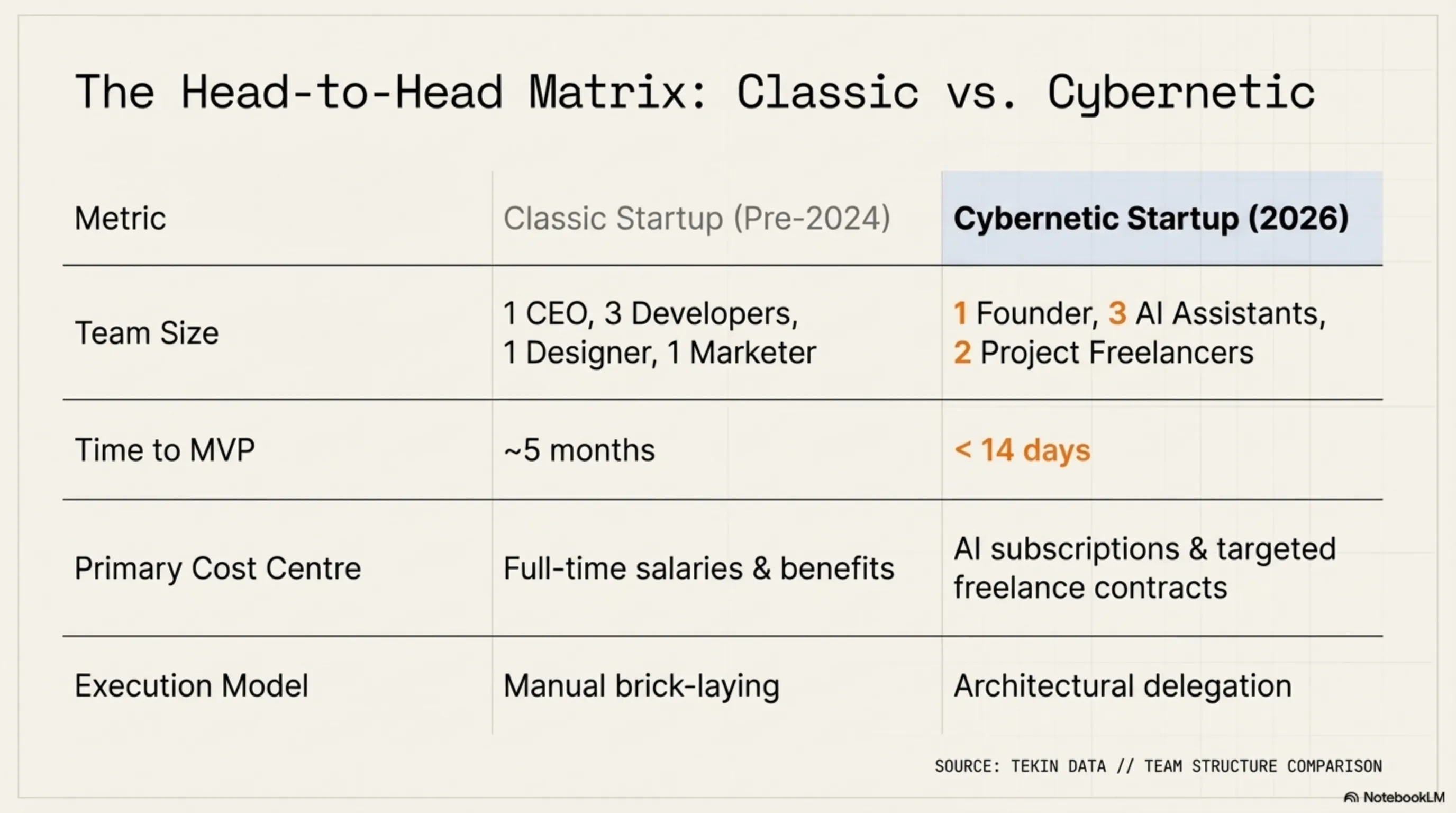
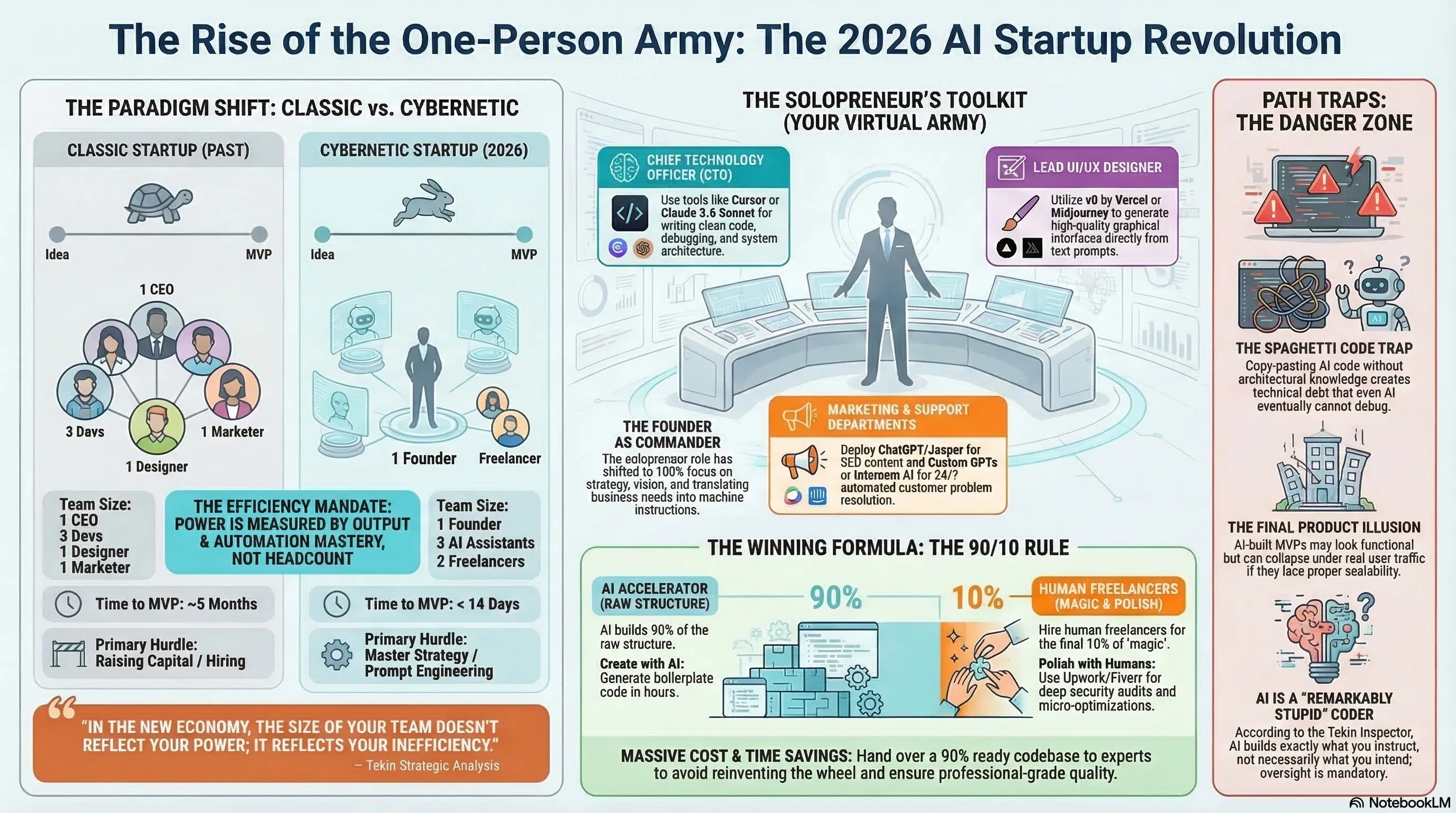
📊 Tekin Data: Team Structure Comparison
Classic Startup: 1 CEO, 3 Developers, 1 Designer, 1 Marketer (Time to MVP: ~5 months)
Cybernetic Startup: 1 Founder, 3 AI Assistants, 2 Project Freelancers (Time to MVP: < 14 days)
From PowerPoint to Product: Compressing Time with AI
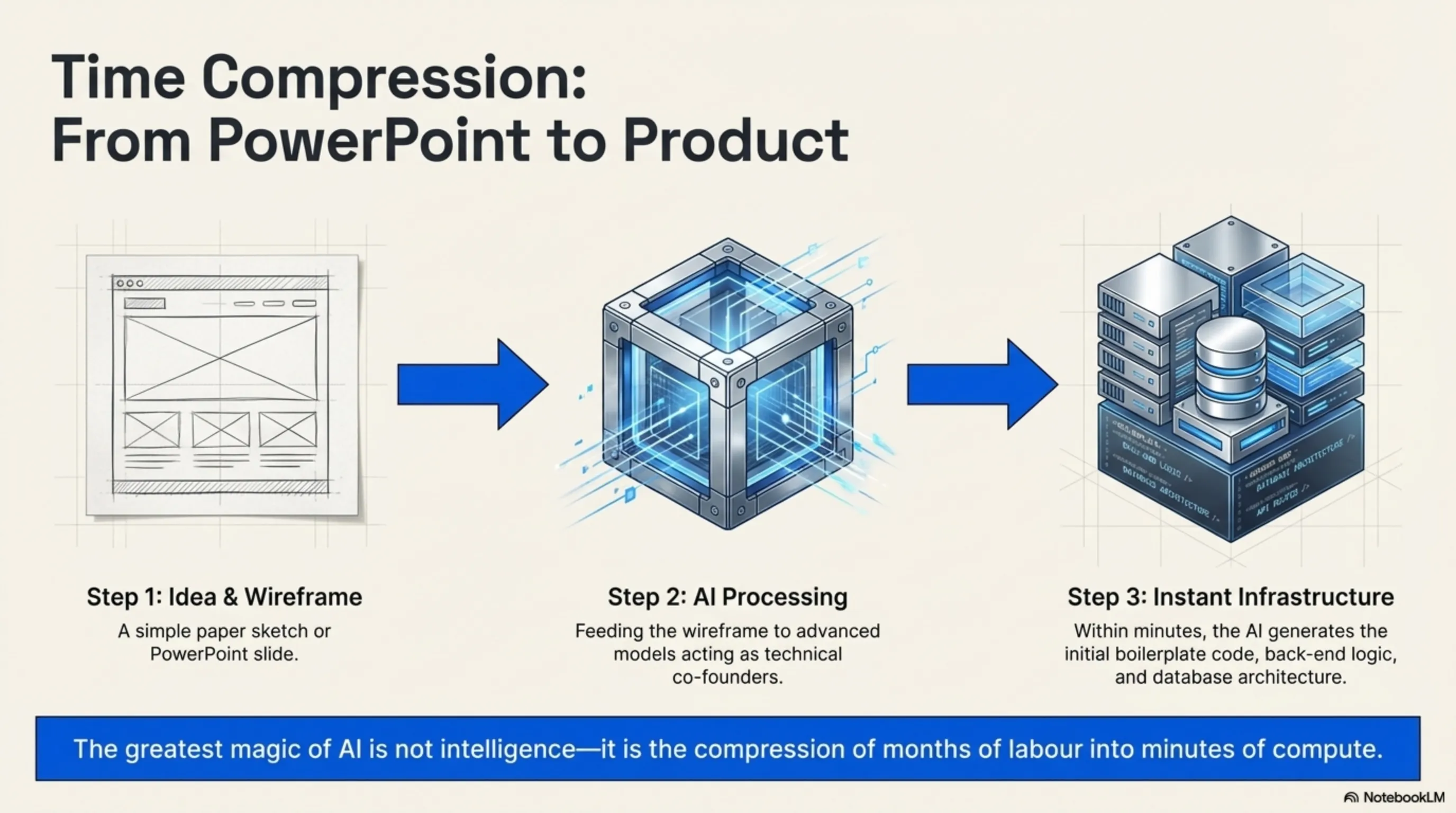
The greatest magic of AI in recent years has been "time compression." As we saw in the analysis of the AI ethics war and Anthropic's clash with the Pentagon, the processing and analytical power of models like Claude 3.5 or GPT-4.5 has reached a level where they have evolved from mere tools into "technical co-founders."
You can now feed a simple wireframe sketched on paper or built in PowerPoint to an AI, and within minutes it will prep your initial boilerplate code, back-end logic, and database architecture.
The Cybernetic Toolkit: Your Virtual Army
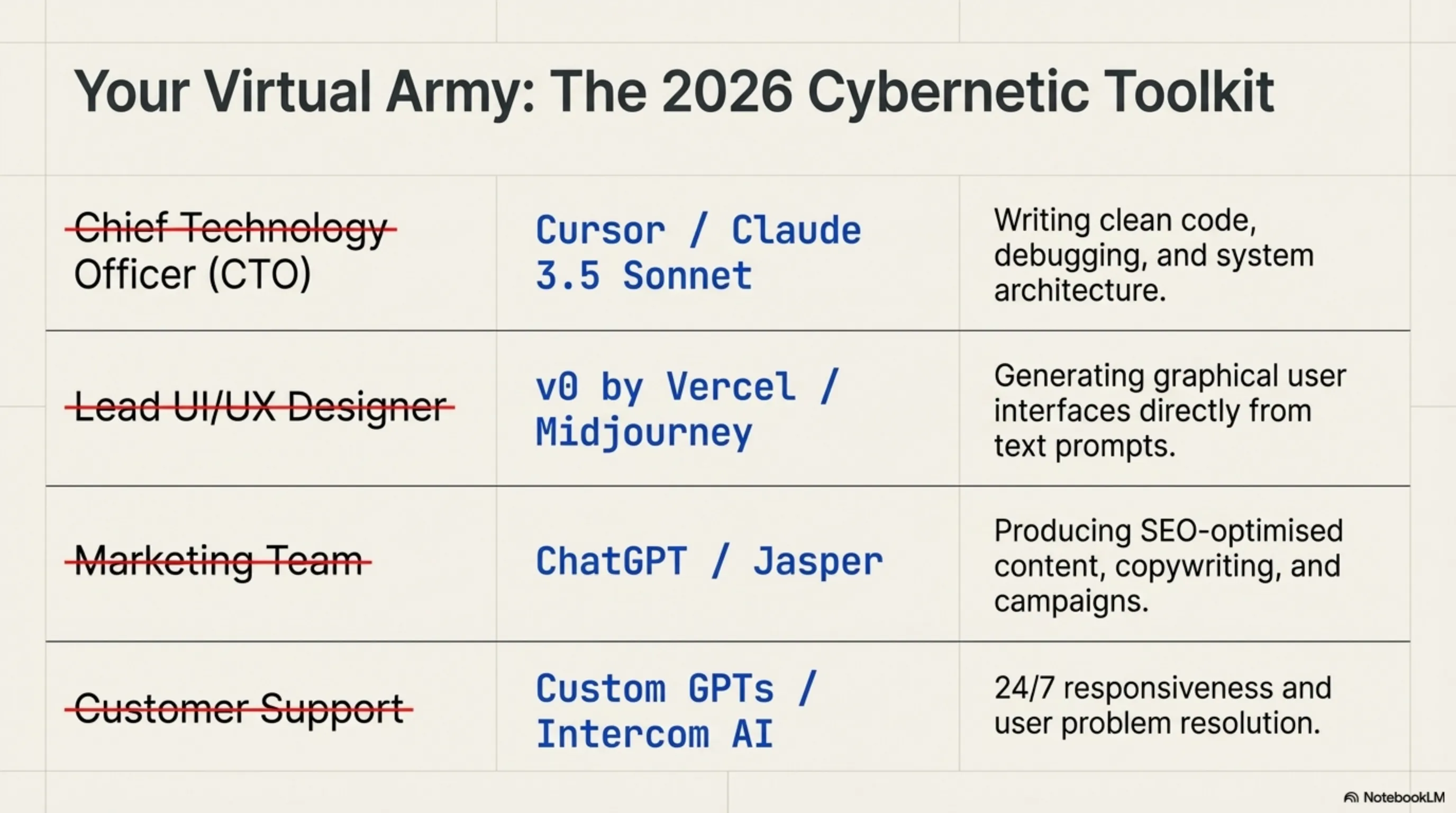
To be a one-person army, you need the right weapons. The 2026 ecosystem is packed with hardcore tools, each playing the role of an entire department in your company:
| Virtual Department | Tekin Recommended Tool | Core Responsibility |
|---|---|---|
| Chief Technology Officer (CTO) | Cursor / Claude 3.5 Sonnet | Writing clean code, debugging, and system architecture |
| Lead UI/UX Designer | v0 by Vercel / Midjourney | Generating graphical user interfaces from text prompts |
| Marketing Team | ChatGPT / Jasper | Producing SEO-optimized content, copywriting, and campaigns |
| Customer Support | Custom GPTs / Intercom AI | 24/7 responsiveness and user problem resolution |
The Winning Combo: The Boundary Between Machine and Human
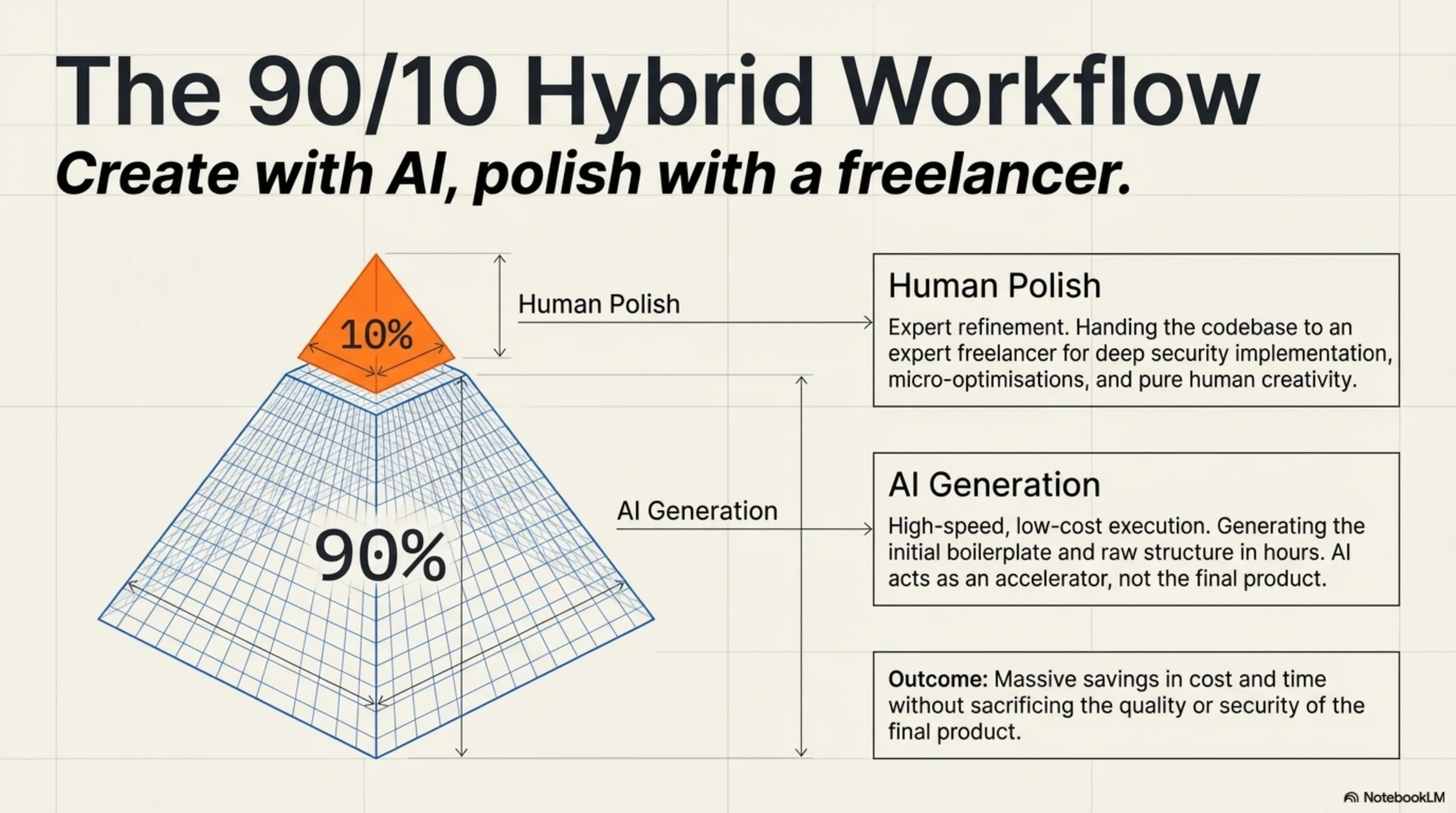
The biggest mistake rookie entrepreneurs make is thinking AI will handle 100% of the work unsupervised. The reality is that AI is an "accelerator," not a final product. This is where the role of human freelancers becomes critical.
The winning formula for one-person startups is: "Create with AI, polish with a freelancer."
You generate the initial boilerplate and raw structure using AI in a few hours. Then, you hand over the complex tasks requiring deep security understanding, micro-optimizations, or pure human creativity to an expert freelancer on platforms like Upwork or Fiverr. Instead of reinventing the wheel, the freelancer works on your 90% ready codebase and applies that final 10% of magic. This translates to massive savings in both cost and time.
Path Traps: The Danger of Garbage Code and AI Hallucinations
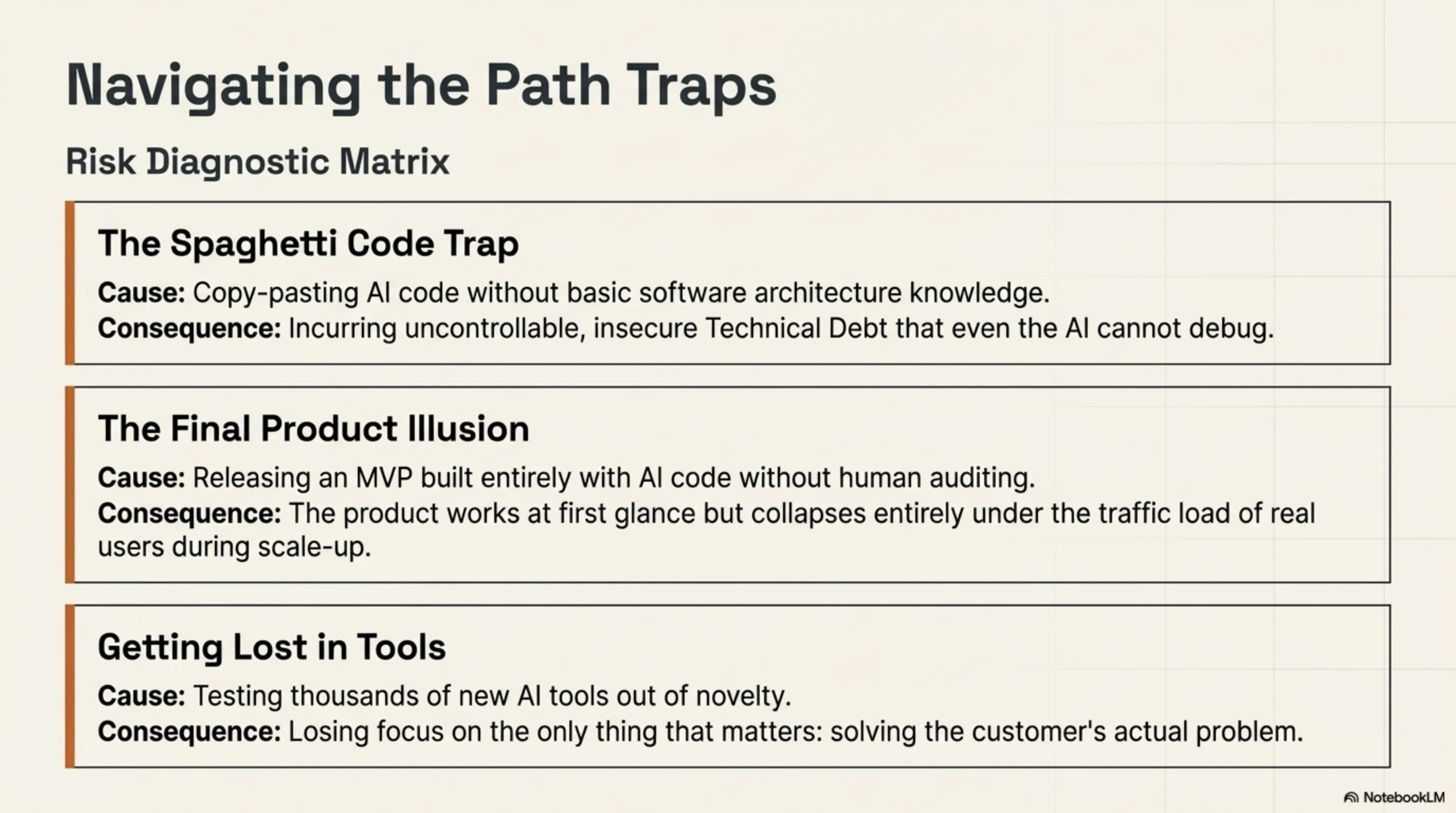
Life in the cybernetic garage is not without risks. Building a product with AI has dark traps that can turn your MVP into a disaster if you aren't careful:
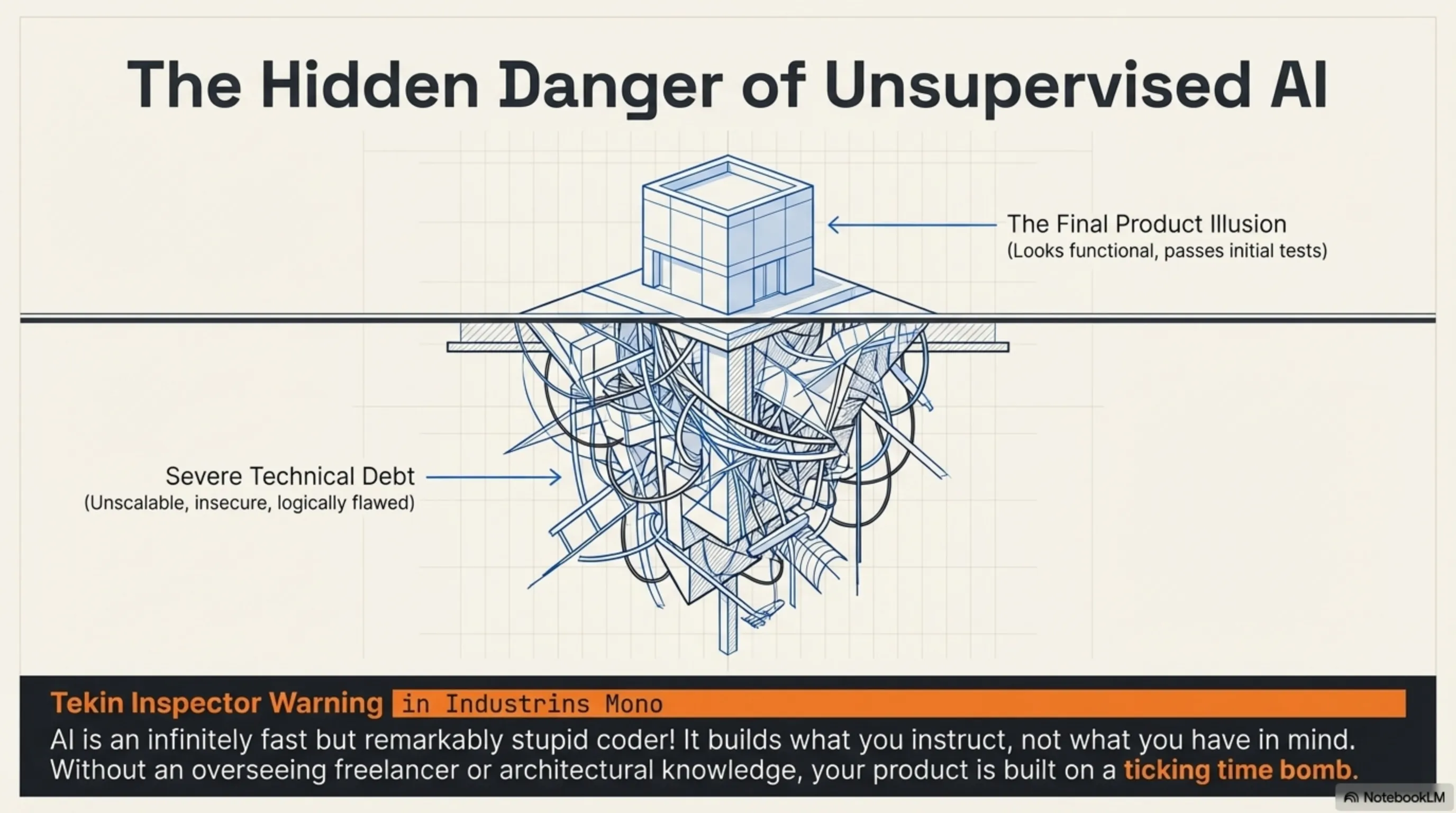
- The Spaghetti Code Trap: If you just copy-paste AI code without basic software architecture knowledge, you will eventually face an uncontrollable, insecure monster (Technical Debt) that even the AI cannot debug.
- The Final Product Illusion: An MVP built entirely with AI code might work at first glance, but it can collapse under the traffic load of real users during scale-up.
- Getting Lost in Tools: Many founders lose focus by testing thousands of new AI tools instead of focusing on solving the customer's actual problem.
⚠️ Tekin Inspector Warning
AI is an infinitely fast but remarkably stupid coder! It builds what you instruct, not what you have in mind. Without an overseeing freelancer or architectural knowledge, your product is built on a ticking time bomb.
Conclusion: Market Conquest by One-Person Teams
The Cybernetic Vision
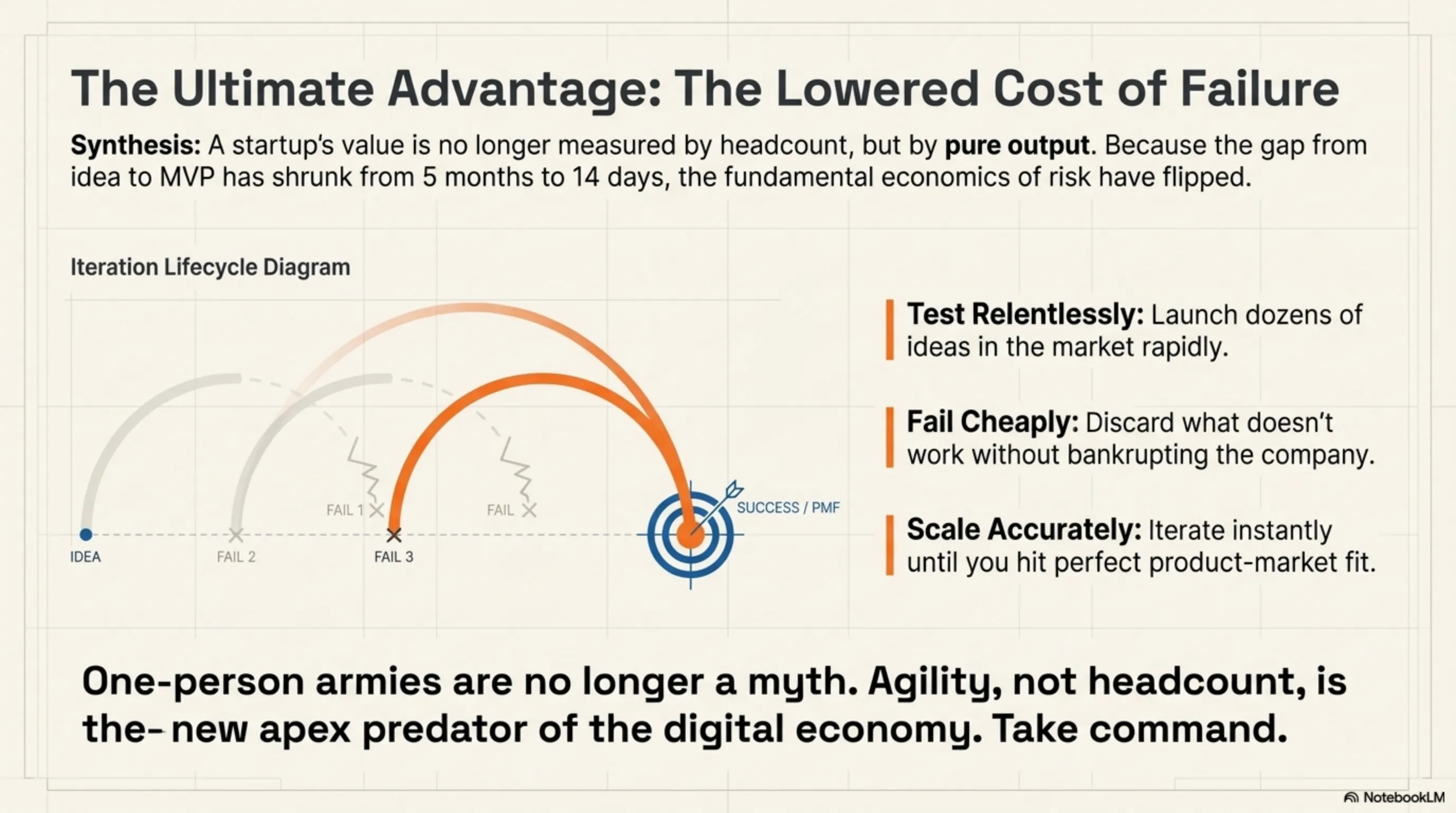
We are entering an era where a startup's value is not measured by its headcount, but by its pure output. The combination of artificial intelligence and the freelance economy has placed the power to create a digital empire in the hands of a single individual.
The gap from idea to MVP has shrunk from months to days. This drastically lowers the cost of failure, allowing you to test dozens of ideas in the market until one finally hits the bullseye.
One-person armies are no longer a myth; they are the most real and agile apex predators of today's digital economy. Are you ready to take command of your own one-person army?
Supplementary Image Gallery: Tekin Analysis: One-Person Armies; How AI and Freelancers Crush the Idea-to-MVP Gap