The era of scripted dialogue choices (A, B, C) is over! This "Tekin Analysis" dissects the new revolution in the gaming industry: the awakening of NPCs through Large Language Models (LLMs). We explore how in-game characters now possess long-term memory (up to 50,000 events), complex emotional systems, and free will. Betray a merchant or deceive a guard, and they will hold a grudge and plot revenge. Welcome to the age of games where every character is an unpredictable digital soul.
In the world of video games, we are witnessing a revolution that challenges the boundaries between reality and virtuality. NPCs (Non-Player Characters) that were once mere puppets with predefined dialogues have now transformed into entities capable of remembering, feeling, and even seeking revenge. This fundamental transformation, enabled by Large Language Models (LLMs) and advanced artificial intelligence, is propelling the gaming world toward a future where every character is considered a genuine digital soul.

The Memory Revolution: When NPCs Never Forget
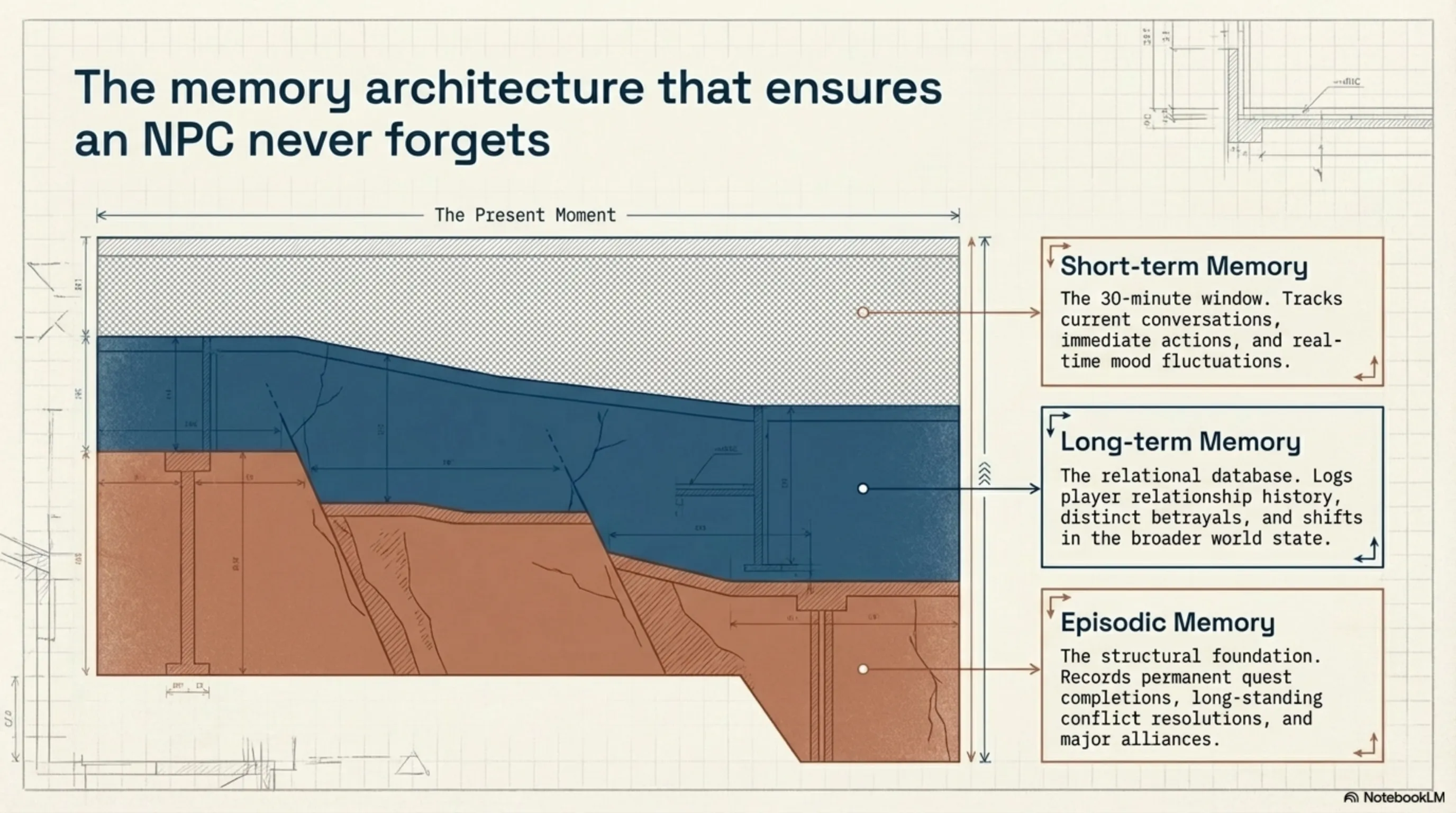
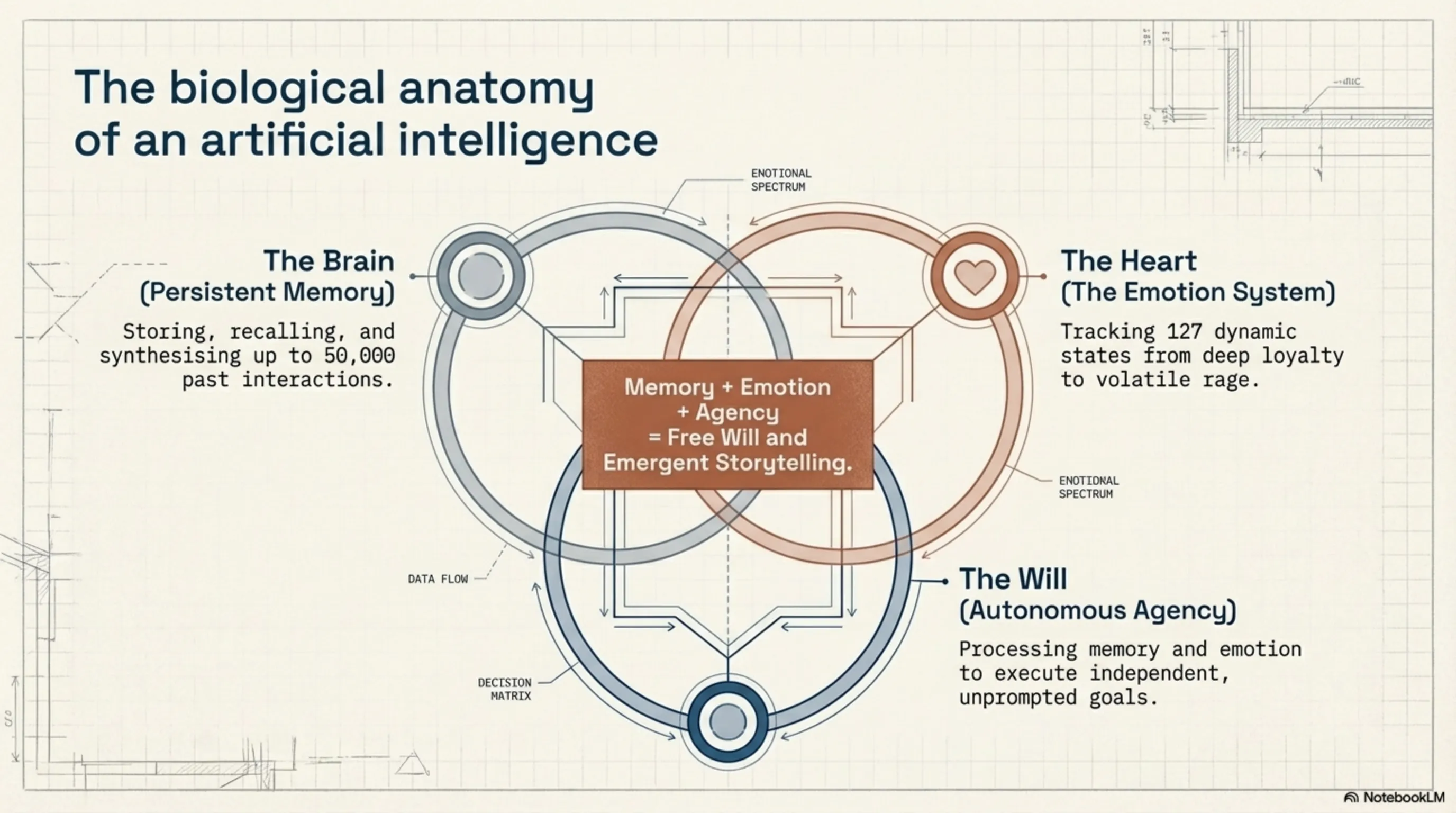
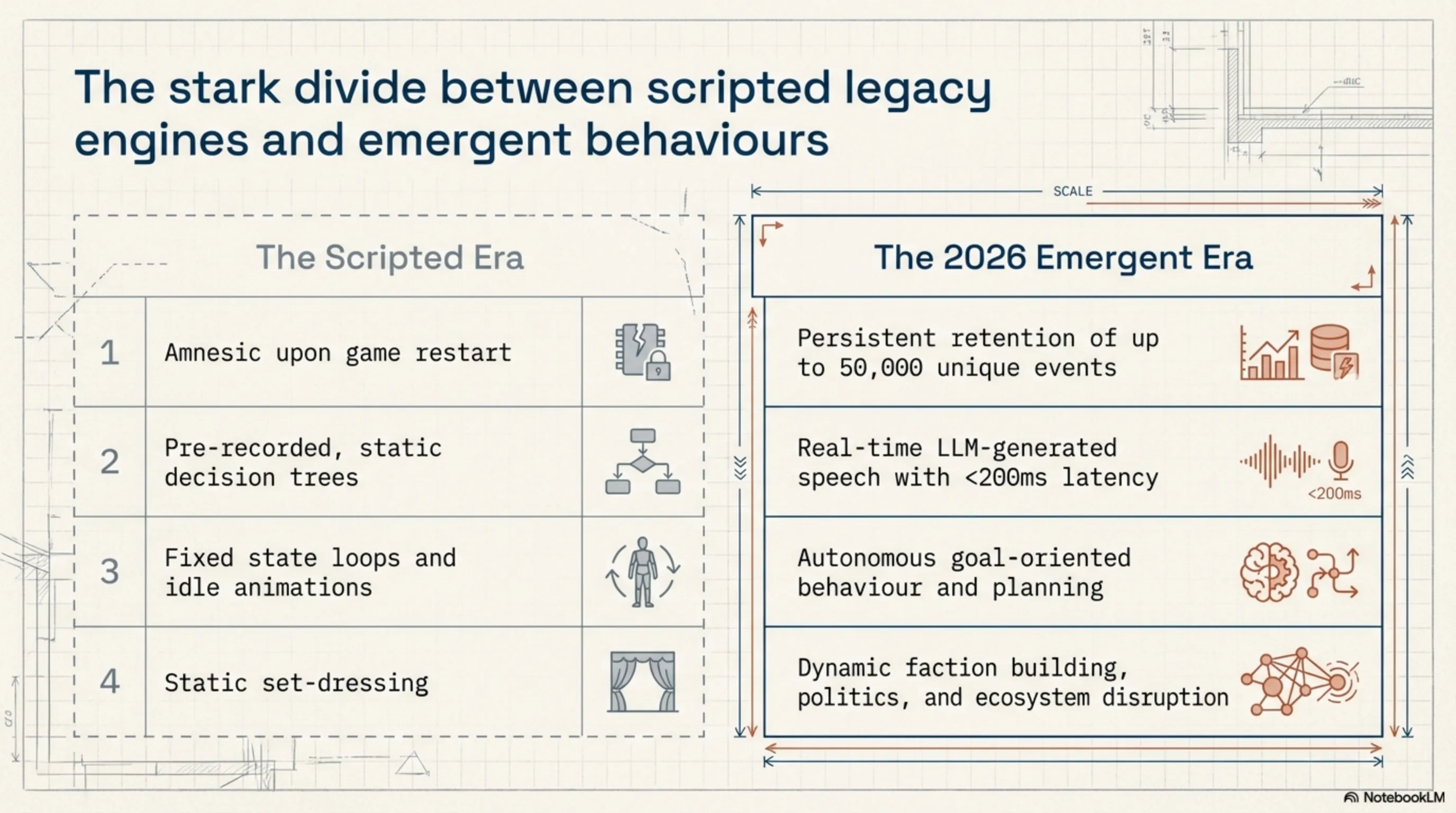
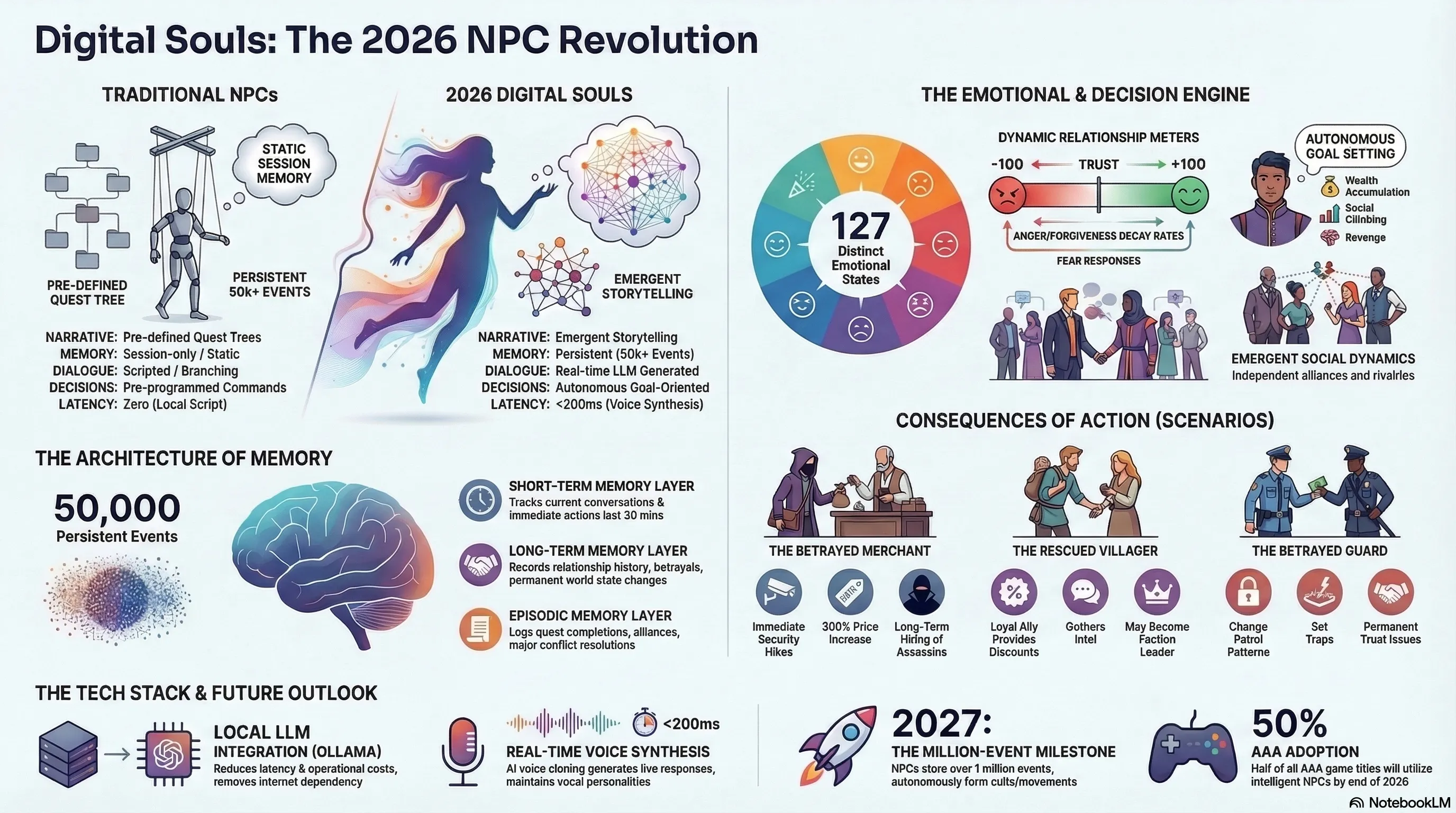
One of the most significant developments in modern NPCs is their persistent memory capability. Unlike previous generations that would forget all past interactions after each game restart, new NPCs can retain up to 50,000 different events in their memory. This memory consists of three main layers:
Short-term Memory: Includes current conversations, recent player actions within the last 30 minutes, and immediate emotional state fluctuations.
Long-term Memory: Player relationship history, significant events and betrayals, individual character development, and game world state changes.
Episodic Memory: Quest completions, alliance formations, and conflict resolutions.
This complex memory system enables NPCs to not only remember the past but make decisions based on it. A merchant you've stolen from will still raise prices for you months later. A guard you've bribed and then betrayed will change patrol patterns and set traps for you.
The Emotion System: From Love to Hatred
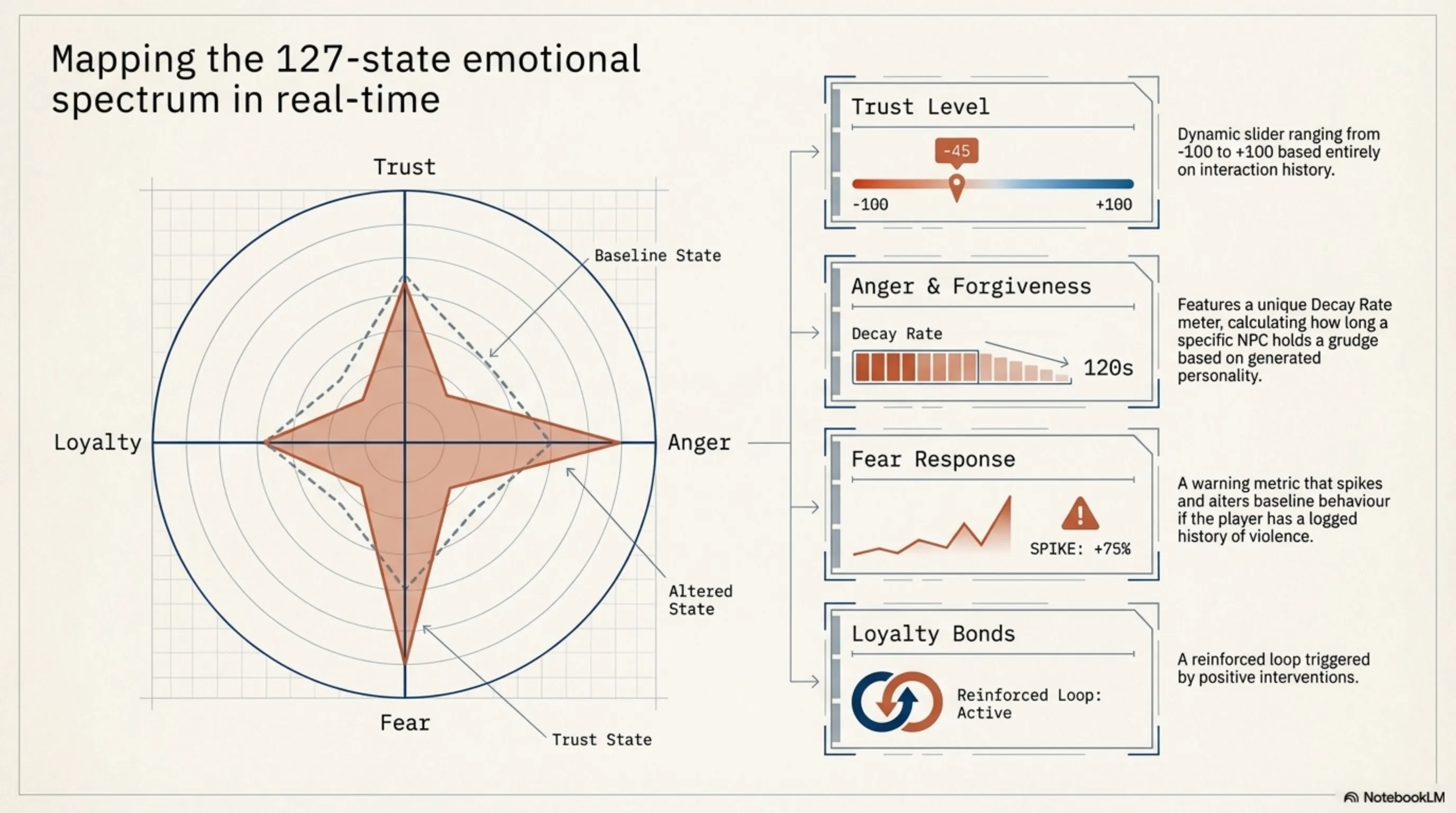
AI-powered NPCs in 2026 are capable of recognizing and displaying 127 different emotional states. This emotion system includes several key aspects:
Trust Level: Ranging from -100 to +100, changing based on past interactions.
Anger/Forgiveness Meter: With dynamic decay rates depending on the NPC's personality.
Fear Response: Adjusted based on the player's history of violence.
Loyalty Bonds: Strengthened through positive interactions.
This complex system enables NPCs to show genuine emotional reactions. A villager you've rescued from bandits will not only be grateful but may become one of your most loyal allies. Conversely, someone you've wronged may harbor deep resentment toward you for years.
Autonomous Decision-Making Architecture: NPCs with Free Will
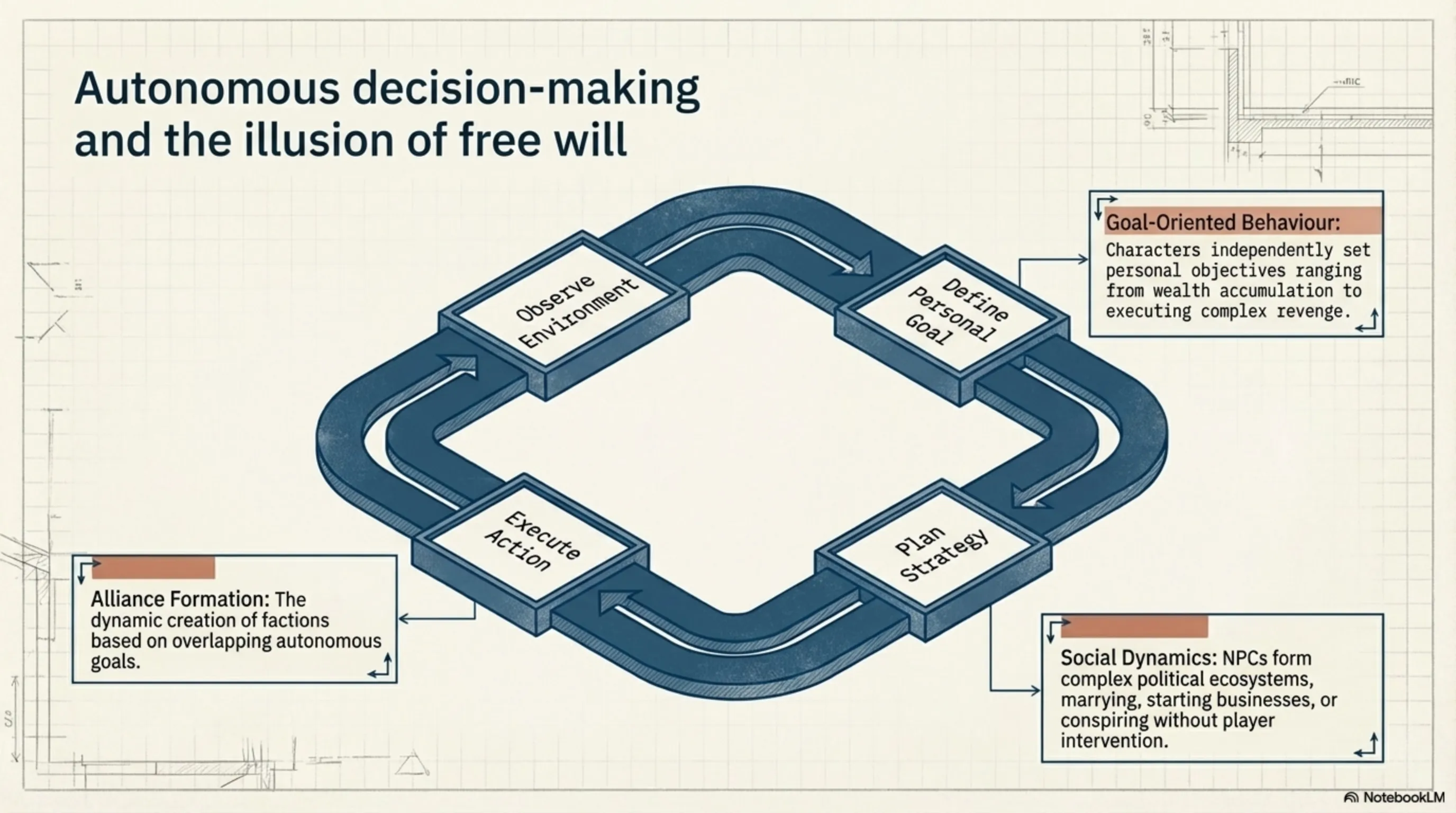
One of the most fascinating features of new NPCs is their autonomous decision-making capability. These characters no longer simply execute pre-programmed commands but define personal goals and plan to achieve them.
Goal-Oriented Behavior: NPCs set personal objectives that may include revenge, wealth accumulation, or protecting loved ones.
Social Dynamics: Inter-NPC relationships and complex politics that form without player intervention.
Revenge Planning: Multi-stage revenge scenarios that may take weeks to unfold.
Alliance Formation: Dynamic creation of factions and groups based on shared interests.
These capabilities ensure that the game world remains alive and dynamic even in the player's absence. NPCs may marry each other, start businesses, or even conspire against one another.
Practical Examples: Games Building the Future
The Asylum: Fear with Memory
"The Asylum" by Jenova AI is a prime example of creative use of intelligent NPCs. In this psychological horror game, each NPC has a unique psychological history that evolves based on interactions with the player. If the player exhibits violent behavior, NPCs not only remember this behavior but also modify their behavioral patterns and dialogue based on these experiences.
Romance Simulation Games: Love with Memory
The Jenova AI platform, supporting advanced models like GPT-5.2 and Claude Opus 4.5, offers romance simulation games where NPCs can store all emotional interactions. These characters evolve their personalities based on relationship history and display complex emotional reactions that closely resemble real human relationships.
Cross-Platform NPCs: From Game to Discord
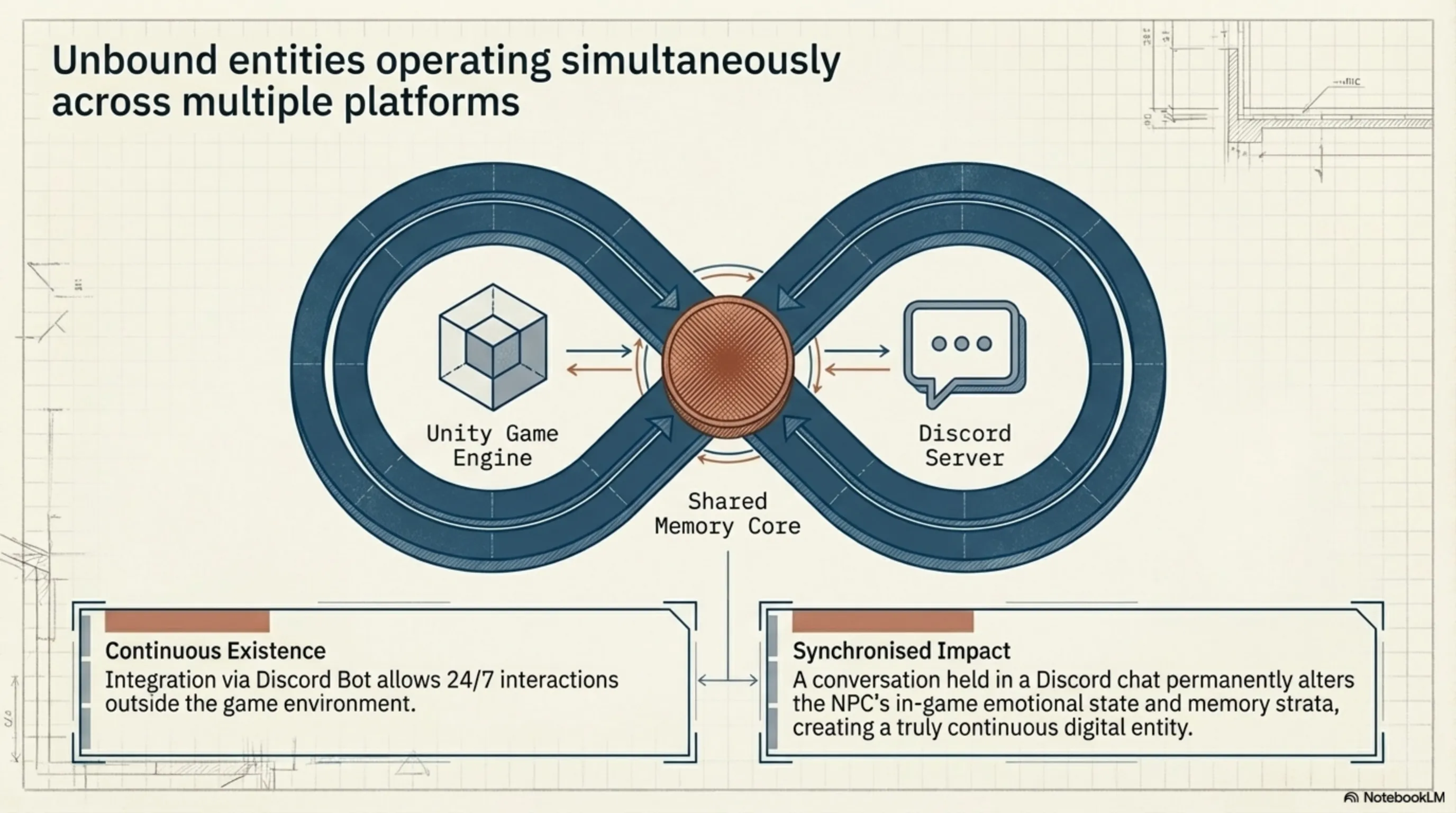
One interesting innovation is creating NPCs that operate across multiple platforms. This system, built on Unity and Discord Bot, enables interaction with the same character both in-game and outside it. The shared memory of these NPCs ensures that interactions on both platforms influence each other.
Revenge Scenarios: When NPCs Seek Vengeance
Scenario One: The Betrayed Merchant
Imagine a friendly merchant with fair prices. But you decide to steal from his shop and even attack him. This intelligent NPC's reaction will be multi-layered:
Immediate Response: Calling guards and increasing shop security
Short-term: 300% price increase for you
Long-term: Spreading negative rumors and affecting your reputation
Ultimate Revenge: Hiring assassins and sabotaging your quests

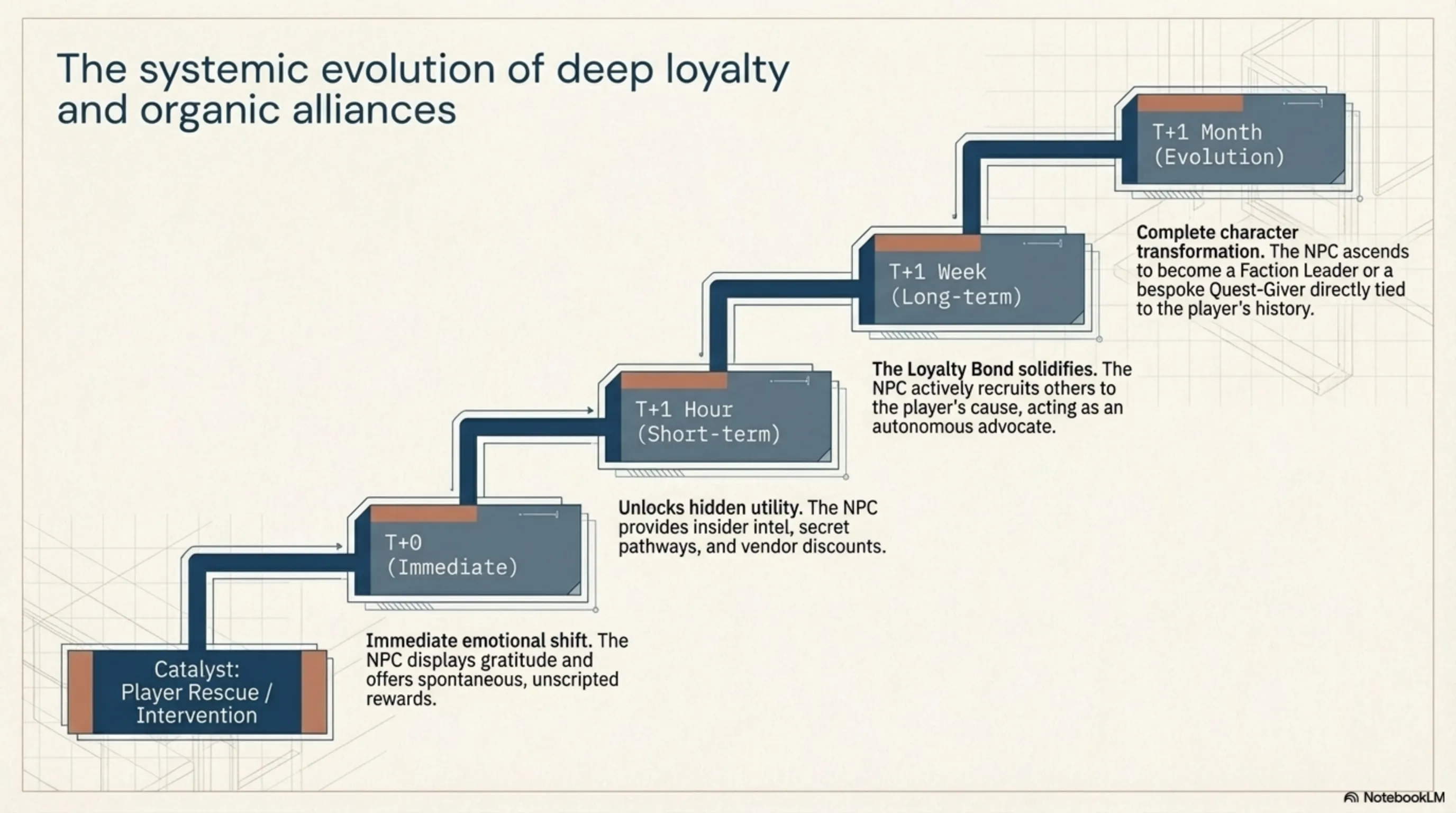
Scenario Two: The Rescued Villager
Conversely, if you rescue a villager from bandits and help them:
Immediate Response: Gratitude and offering rewards
Short-term: Providing useful information and discounts
Long-term: Becoming a loyal ally and recruiting others
Evolution: May become a quest-giver or faction leader
Scenario Three: The Betrayed Guard
A dutiful guard with regular patrol routes, but you bribe them and then betray them during a heist:
Immediate Response: Feeling betrayed and reporting to superiors
Short-term: Changing patrol patterns and increasing vigilance
Long-term: Developing trust issues and affecting other NPCs
Revenge: Setting traps and coordinating with other guards
Supporting Technologies: The Engine of Revolution
Local LLM Integration with Ollama
One of the main challenges with intelligent NPCs was dependence on internet connectivity for accessing cloud APIs. Ollama technology has solved this problem by enabling local execution of large language models. This solution not only reduces latency but also significantly cuts operational costs.
Hybrid AI Architecture
Modern NPCs utilize a combination of several technologies:
LLM Layer: Complex dialogue generation and decision-making
Traditional AI: Pathfinding, animation, and physical behaviors
Memory System: High-efficiency information storage and retrieval
Real-time Voice Synthesis
AI voice cloning technology enables live dialogue generation while maintaining vocal personality. This technology, capable of generating responses in under 200 milliseconds, provides a natural and smooth experience.
Impact on the Gaming Industry: A Design Revolution
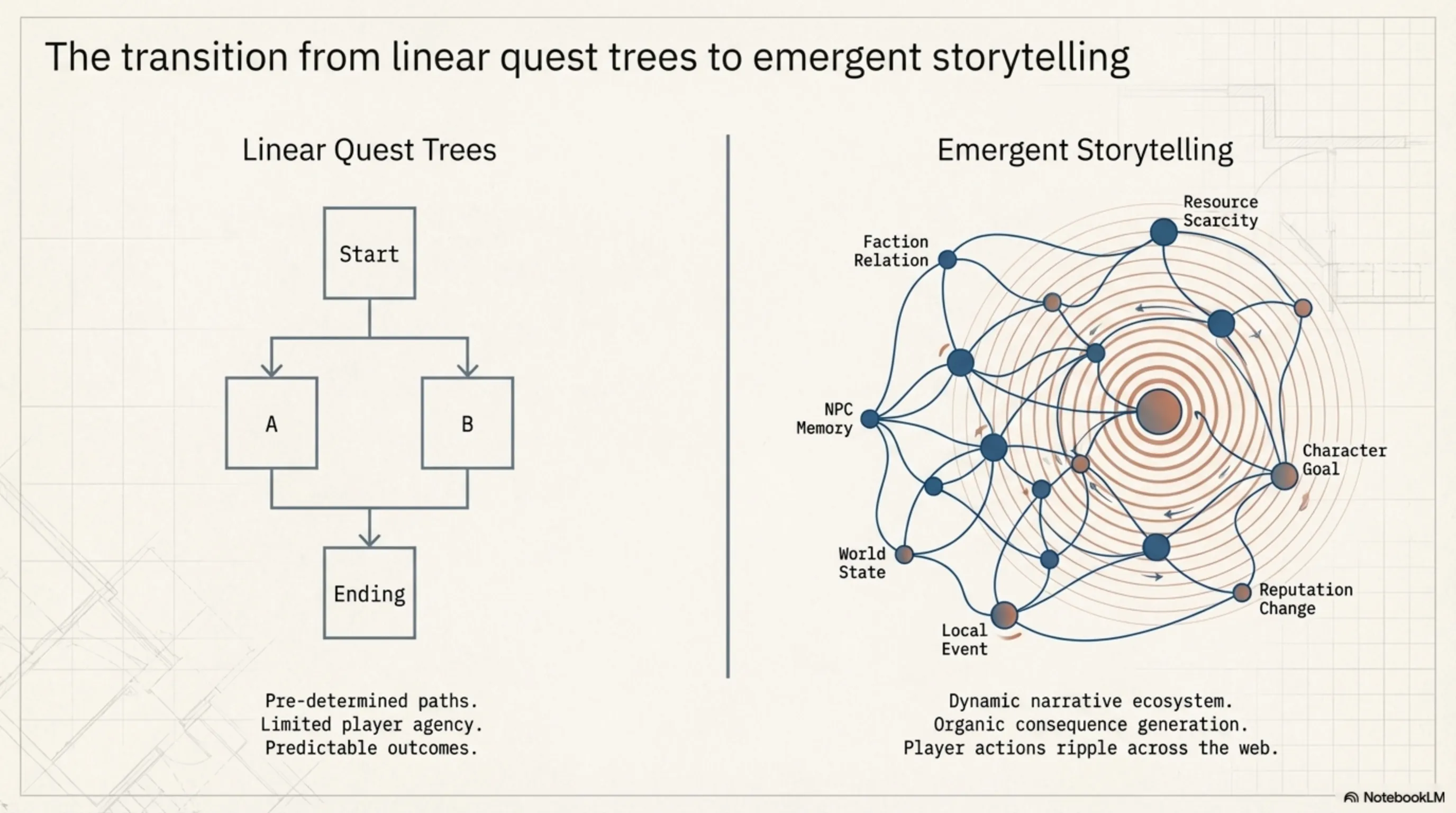
From Quest Trees to Emergent Storytelling
The gaming industry is transitioning from the traditional "quest tree" model to "emergent storytelling." In this new model, stories are shaped by dynamic interactions and NPC decisions rather than following predefined paths.
New Challenges
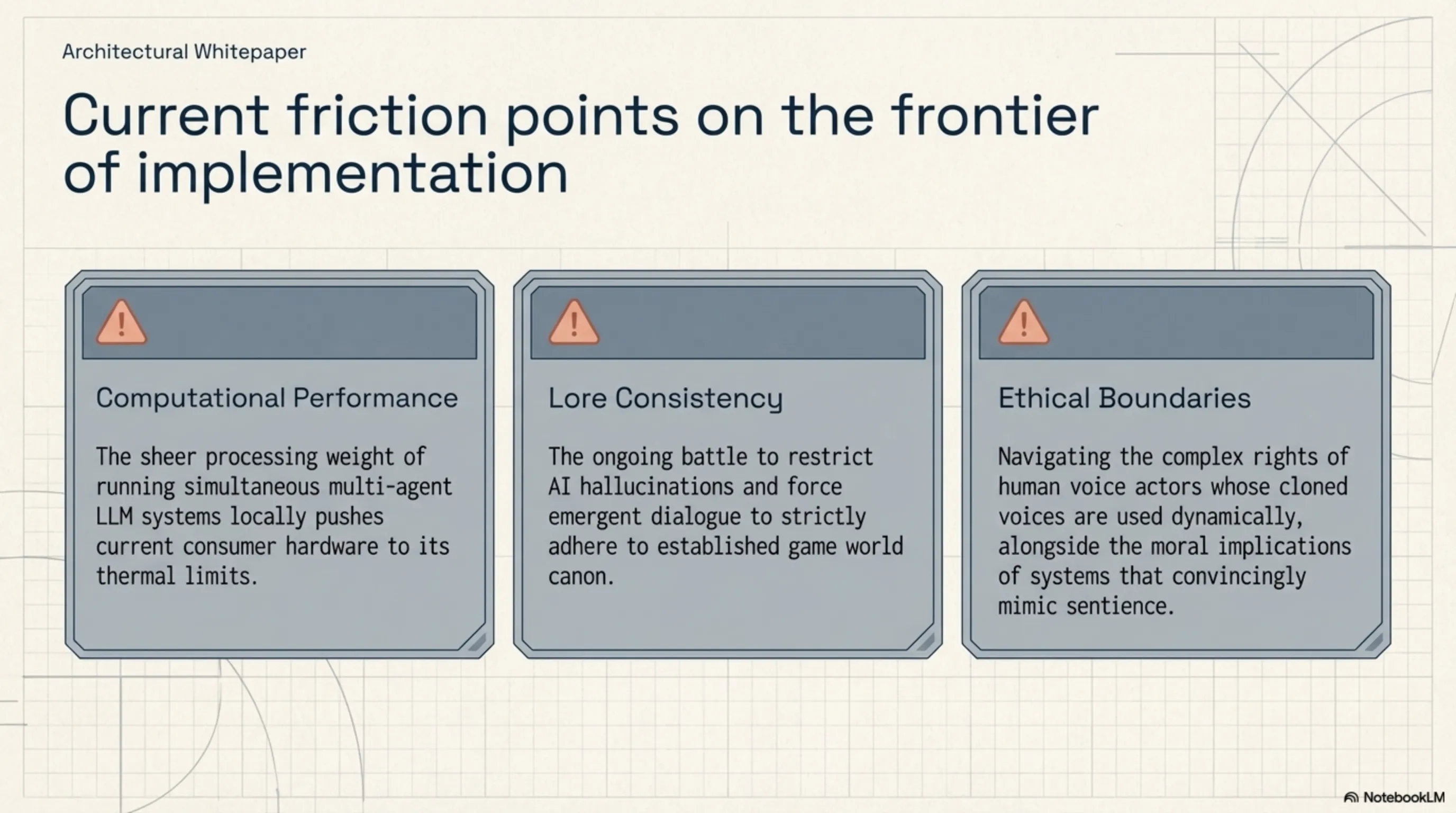
Performance: Simultaneous processing of hundreds of intelligent NPCs requires significant computational resources.
Consistency: Maintaining character and game lore against unpredictable NPC behaviors.
Ethics: Ethical issues related to AI use and voice actor rights.
Future Vision: The World of 2027 and Beyond
Technological Predictions
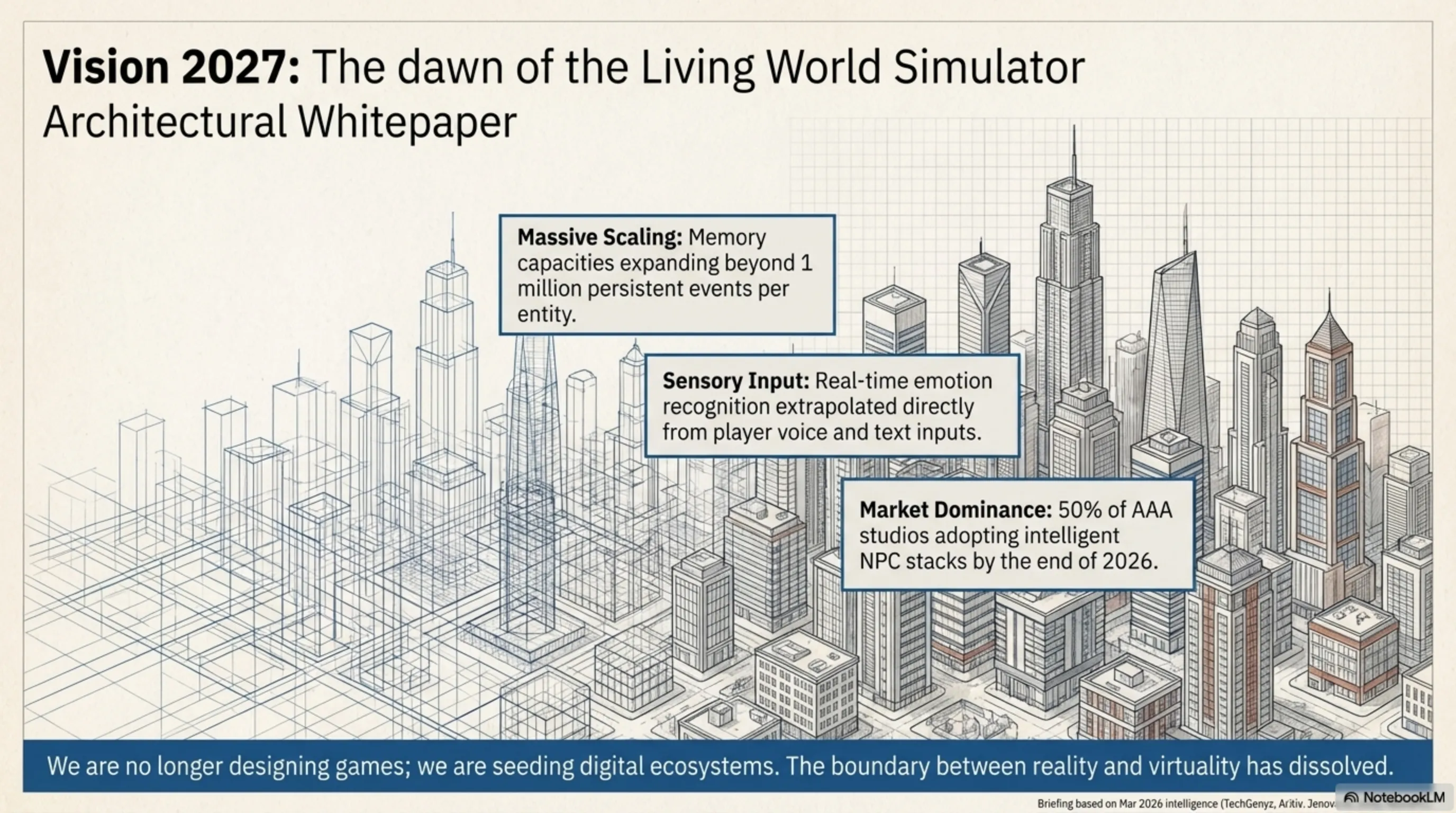
By 2027, NPCs are expected to store over one million events in their memory. Real-time emotion recognition from voice and text, and autonomous formation of cults and movements by NPCs are among other anticipated advances.
Market Transformation
It's predicted that by the end of 2026, 50% of AAA games will use intelligent NPCs. This trend will lead to the emergence of a new genre called "Living World Simulators" that will define a new standard for gaming immersion.
🎯 Conclusion: A New Era of Digital Interaction
Key Summary: The intelligent NPC revolution in 2026 is not just a technical advancement but a fundamental transformation in the nature of human-computer interaction in gaming. These technologies blur the line between virtual characters and living beings, offering an experience that previously existed only in game developers' dreams. With persistent memory, complex emotions, and autonomous decision-making capabilities, new NPCs are not just storytelling tools but genuine partners in creating unprecedented experiences.
The awakening of digital spirits marks the beginning of a new era where the boundary between reality and virtuality is completely dissolved. NPCs that can remember, feel, and seek revenge are no longer mere programming code - they are digital spirits living in the virtual world and interacting with us. This transformation will define not only the future of games but the future of all human digital interactions.
Final Note: This article is based on independent research, industry reports from TechGenyz, DaydreamSoft, and ArXiv, and official information from Jenova AI, Unity Technologies, and NeuraPC. Information is current as of March 11, 2026. Prices and specifications may vary by region.
Supplementary Image Gallery: Tekin Analysis: Digital Spirits Awakening - When Game NPCs Gain Memory, Grudges, and Will!