1. Introduction: When the Camera Becomes More Important Than the Phone
1.1. Xiaomi's "Ultra" Strategy
In recent years, Xiaomi's "Ultra" series has ceased to be just smartphones; they are essentially "cameras that accept SIM cards." After the stunning success of the Xiaomi 13 Ultra and 14 Ultra in attracting photographers, it is now time for the fifteenth generation. According to information leaked from internal sources on Weibo, Xiaomi has shifted its focus this year from "pixel count" to "optical quality" and "spatial zoom."
At Tekin Plus, we believe the Xiaomi 15 Ultra will be the most serious contender to Samsung's reign in the Android world, provided it can control the software bugs often associated with HyperOS launch versions.
1.2. The Controversial Design
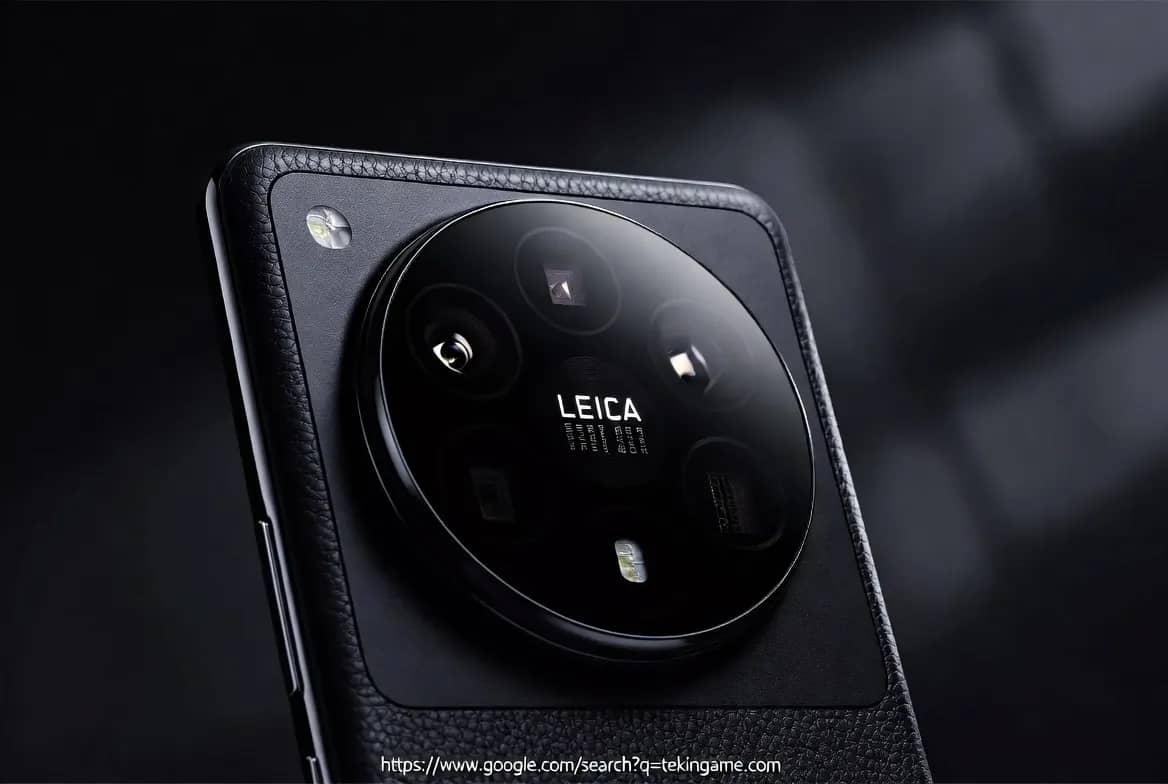
Early renders show that the massive circular camera module on the back has been retained, but the lens arrangement has changed. The new periscope lens is so large that designers have been forced to place it in an asymmetrical position. Is this design "ugly" or "professional"? The market will decide, but the ergonomics of a phone with such top-heavy weight distribution will certainly be a challenge for daily use.
2. The Photography Revolution: Anatomy of the Camera System
2.1. The 1-Inch Main Sensor (LYT-900)
The beating heart of this camera is Sony's 1-inch LYT-900 sensor. This sensor was present in the previous version, but Xiaomi, in collaboration with Leica, has designed new Summilux lenses for it, increasing light absorption by 20%. The Variable Aperture (stepless between f/1.6 to f/4.0) allows you to control the depth of field (bokeh) physically rather than via software. This means saying goodbye to artificial, cutout-looking portrait photos.
2.2. The 200MP Periscope Lens
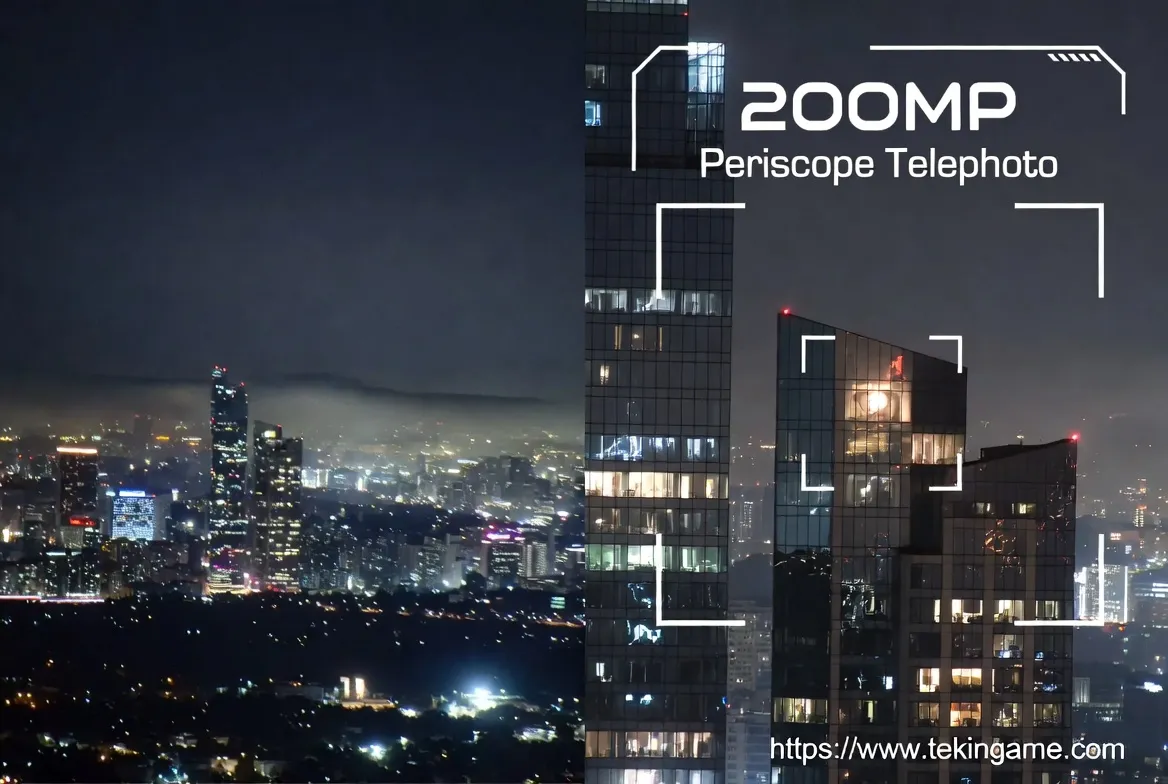
Here is the bombshell: Xiaomi has bid farewell to the 50MP zoom sensor of the previous model and opted for a massive 200MP sensor (likely the Samsung ISOCELL HP9) for the telephoto lens. This lens offers a native 4.3x optical zoom, but thanks to cropping on the 200MP sensor, it can deliver 10x or even 20x zoom with quality close to optical (Lossless). This is exactly the weak point of the S24 Ultra, and Xiaomi intends to reclaim the Zoom King crown.
2.3. The Magic of Leica
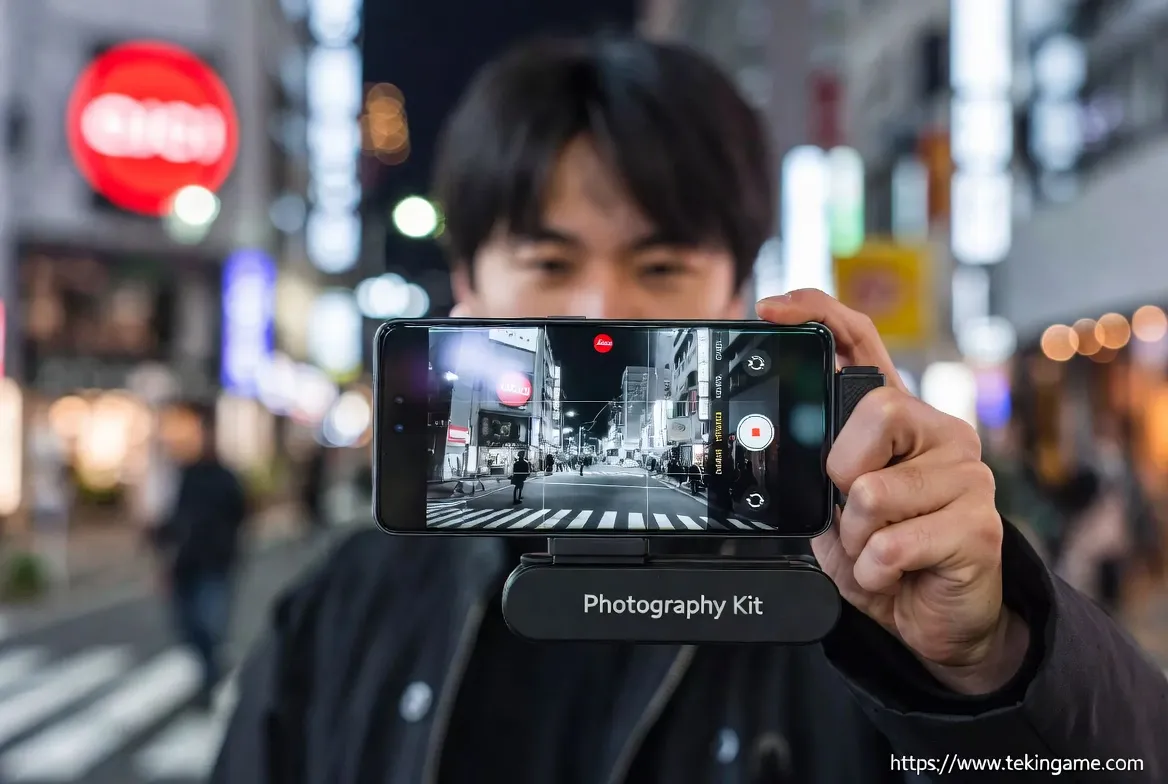
The partnership with Leica is not just a branding exercise. The color profiles Leica Authentic (realistic, high contrast, vignette) and Leica Vibrant (saturated, social-media ready) have been refined in this generation. Additionally, Leica's famous black-and-white filters for street photography have now been combined with AI to reduce noise in low-light scenarios, preserving grain texture without digital artifacts.
3. Hardware & Performance: The Dragon of 8 Elite
3.1. Raw Power of Snapdragon 8 Elite
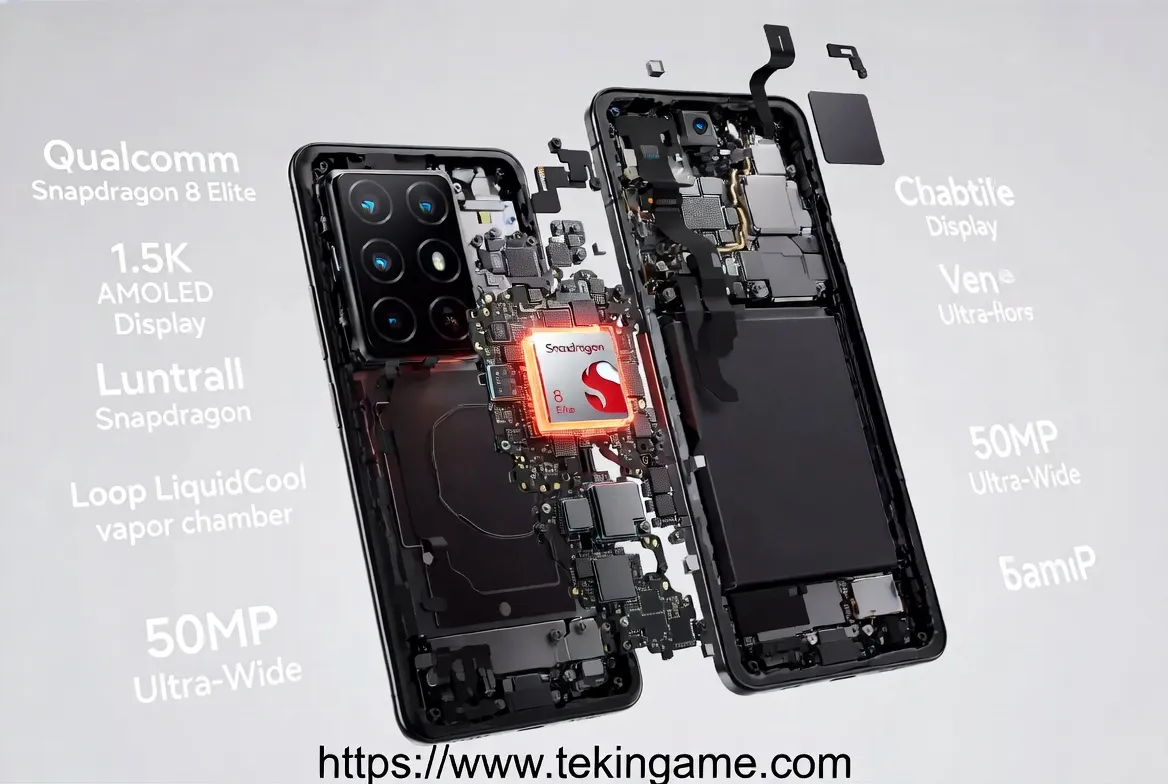
As we discussed in our chip comparison article, Qualcomm's new chipset is a monster. The Xiaomi 15 Ultra uses this chipset alongside a proprietary cooling system called Loop LiquidCool. This dual-layer cooling system features separate channels to dissipate heat from the processor and the camera module independently. Why the camera? Because 8K video recording and processing 200MP RAW photos generate immense heat that can throttle performance.
3.2. 6000mAh Battery
Good news for power users: Using "Silicon-Carbon" battery technology, Xiaomi has managed to increase battery capacity to a staggering 6000mAh without significantly increasing the phone's thickness. The box also includes a 90W wired charger and supports 80W wireless charging (yes, 80 watts wireless!), ensuring zero downtime.
4. Display & Design: The Return of Ceramic?
4.1. Micro-Quad Curved Display
The 6.7-inch LTPO OLED display is of the "Micro-Quad Curved" variety. This means the top glass has a very gentle curve on all four sides, giving the content a "floating" feel, but not curved enough to cause accidental touches or color distortion at the edges. The brightness of this panel hits a crazy 3200 nits peak.
4.2. Body Materials
Rumors suggest the Xiaomi 15 Ultra will come in three versions:
1. Vegan Leather: For better grip and a classic camera feel (prevents slipping).
2. AG Glass: Matte finish glass.
3. Ceramic: Heavier but the most scratch-resistant material possible for a phone body. The white ceramic version is reminiscent of luxury models like the Mi 11 Ultra.
5. Software: HyperOS 2.0 and AI
5.1. AI Capabilities in Editing
Xiaomi has focused heavily on AI in HyperOS 2.0. The new Gallery app can remove unwanted objects like "Google Magic Eraser," and can even alter the facial expressions of subjects in group photos (e.g., if someone blinked, it can open their eyes using generative AI based on other photos).
5.2. Ecosystem: Human x Car x Home
If you own a Xiaomi EV (SU7), this phone acts as a digital key and a secondary dashboard. The integration between phone, tablet, and smart home appliances in the new HyperOS version has become much smoother, with connection latency dropping below 20ms.
6. Early Comparison: Xiaomi 15 Ultra vs. Galaxy S25 Ultra
Let's have a quick duel based on leaks:
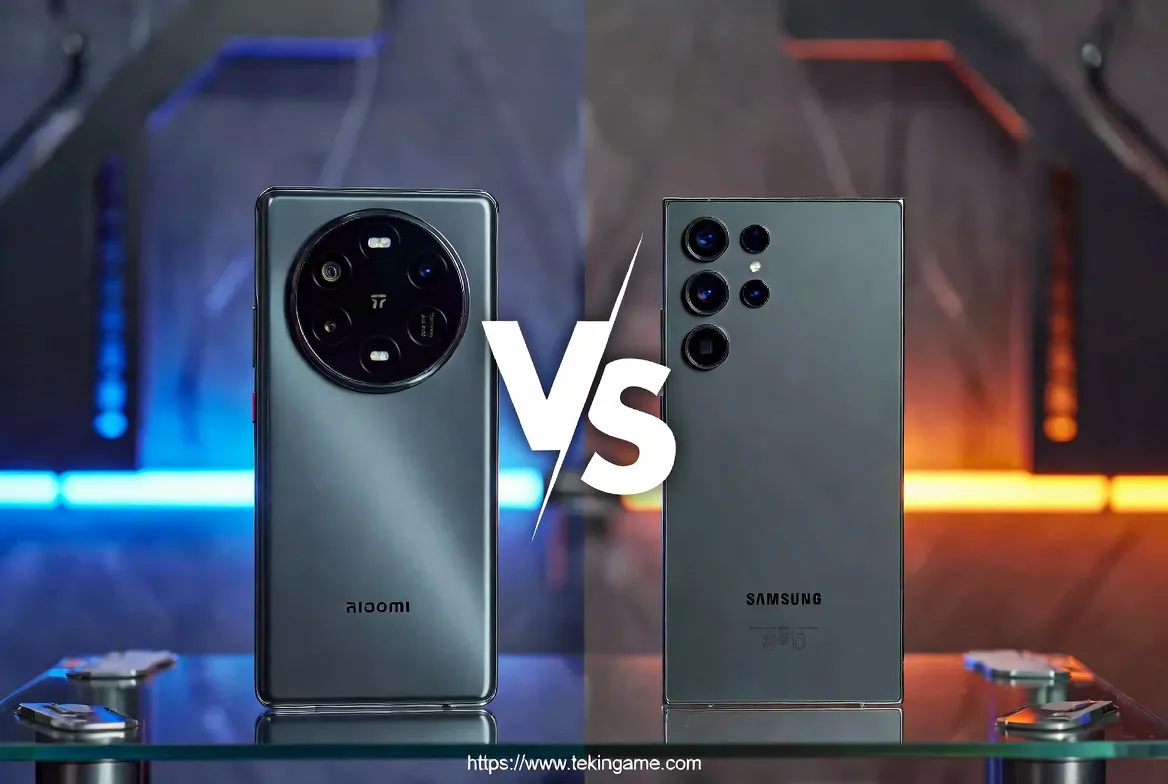
- Main Camera: Xiaomi (1-inch sensor) > Samsung (Smaller 200MP sensor). Physics wins here.
- Zoom: The competition is tight, but Xiaomi wins on paper with the 200MP periscope sensor offering better hybrid zoom detail.
- Design: Samsung (Flat and S Pen) is better for productivity; Xiaomi (Ergonomic grip and Leather) is better for photography.
- Software: Samsung (One UI 7) is still more mature and stable than HyperOS global versions.
7. Tekin Plus Verdict: Should We Wait?
The Xiaomi 15 Ultra is scheduled for a global release in February 2026. If your first and last priority is "Photography and Videography" and you want an experience close to professional cameras, this phone is worth the wait.
However, if you value a stable ecosystem, the S Pen, and reliable 7-year updates, the Galaxy S25 Ultra might be the safer bet. Xiaomi has taken a "risk" this year; a risk that could shake the market or just end up as another big number on a spec sheet.