
1. Engineering Design: Titanium Grade 5 vs. Space Aluminum
The first striking difference in the battle of 2026 is the opposing design philosophies. The Oura Ring 5 is a masterpiece of miniaturized engineering. Its chassis is forged from "Grade 5 Titanium," reinforced with a Diamond-like Carbon (DLC) PVD coating. It weighs a mere 2.8 grams. Oura has utilized "Flexible PCB" technology to wrap the motherboard around your finger, keeping the thickness down to 1.8mm—virtually indistinguishable from a traditional wedding band.
In contrast, the Galaxy Watch 8 is a luxury tank. The 46mm Classic model, with its stainless steel body and Sapphire Crystal glass, conveys a sense of rugged power. Samsung has slimmed down the physical Rotating Bezel this year, but at 55 grams, you will definitely feel its presence while sleeping.
Tekin Analysis: If "24/7 Comfort" is your priority, the Ring has no rival. But if you crave "Instant Feedback and Interaction," the Haptic Motor engine of the Watch 8 is irreplaceable (as the Oura Ring 5 still lacks vibration).
2. Sensor Autopsy: The Battle of "Signal Accuracy" (Finger vs. Wrist)
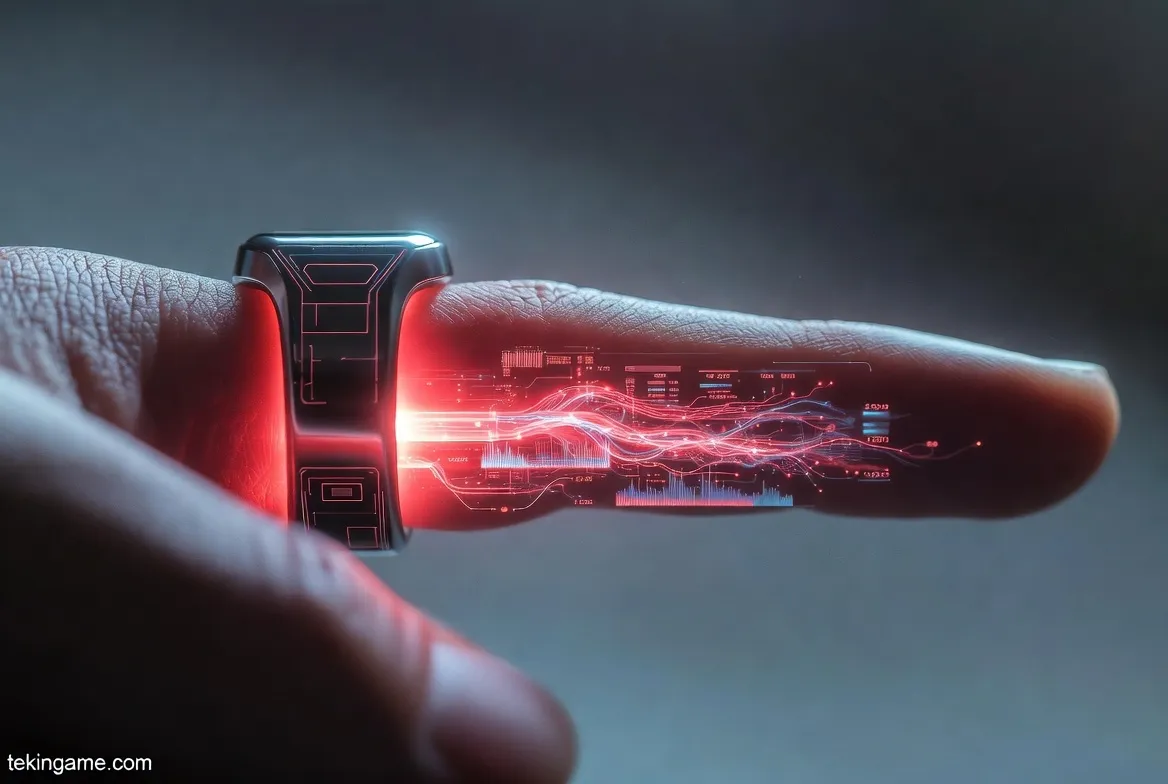
This is the main technical battlefield. Many assume the watch is more accurate because it is bigger. However, medical science suggests otherwise.
Why the Finger Wins (Oura Ring 5)
The human index finger contains two main arteries that are extremely close to the skin's surface with very little subcutaneous fat interference. This means the "Signal-to-Noise Ratio" (SNR) in the finger is approximately 10x stronger than on the wrist. The Oura Ring 5, with its new Deep Infrared (IR) and Red LED sensors, can measure Heart Rate Variability (HRV) with accuracy rivaling hospital-grade ECG machines during rest.
Why the Wrist is Still Alive (Galaxy Watch 8)
The Galaxy Watch 8 utilizes the new BioActive Sensor 3.0, a stack of optical, electrical, and bio-impedance sensors. The watch's ace card is "Surface Area." By beaming light deep into the wrist tissue, the watch can measure parameters like "Body Composition" (BIA - fat/muscle percentage) and estimated Blood Pressure (via cuff calibration)—feats the Ring physically cannot perform accurately due to limited contact area.
3. The Physical Achilles Heel: Battery Life and Lithium Cell Degradation Analysis
Marketing claims read: "Ring lasts 7 days, Watch lasts 2 days." But let's look at the chemistry.
Ring Battery Architecture: The Oura Ring 5 houses a curved Lithium-Polymer battery with a capacity of roughly 22mAh. The engineering problem is that smaller batteries have fewer charge cycles before degradation hits. After 2 years of daily use, a ring's battery capacity may drop by 40%. Since the battery is non-replaceable and sealed in resin, the device essentially becomes e-waste after 3 years.
Watch Battery Architecture: The Galaxy Watch 8 sports a 425mAh battery. While it requires charging every 48 hours, the better thermal management and larger capacity mean the cell degrades much slower. Furthermore, Samsung introduced "15W Fast Wireless Charging" this year, topping up the watch in just 30 minutes.
4. Software & Economics: Oura's Monthly Tax vs. Samsung's Free Ecosystem
This is where your wallet decides. The business models are fundamentally different.
- The Oura Model (Hardware-as-a-Service): You pay $350 for the hardware, but to see deep sleep data, "Readiness Scores," and illness detection, you must pay a $6/month subscription. Without it, the ring is severely limited. You are essentially "renting" the analytics.
- The Samsung Model (Data for All): You pay $400 for the watch, and that's it. Samsung Health is completely free. Samsung monetizes by selling hardware and using your data to train its ecosystem AI.

Tekin Analysis: If you plan to keep the device for 5 years, the "Total Cost of Ownership" for the Oura is significantly higher than the sticker price (approx. $360 in subscription fees over 5 years).
5. The Gym Forbidden Zone: Why Smart Rings Fail at Heavy Lifting
If you are a bodybuilder or CrossFitter, this is the most critical section.
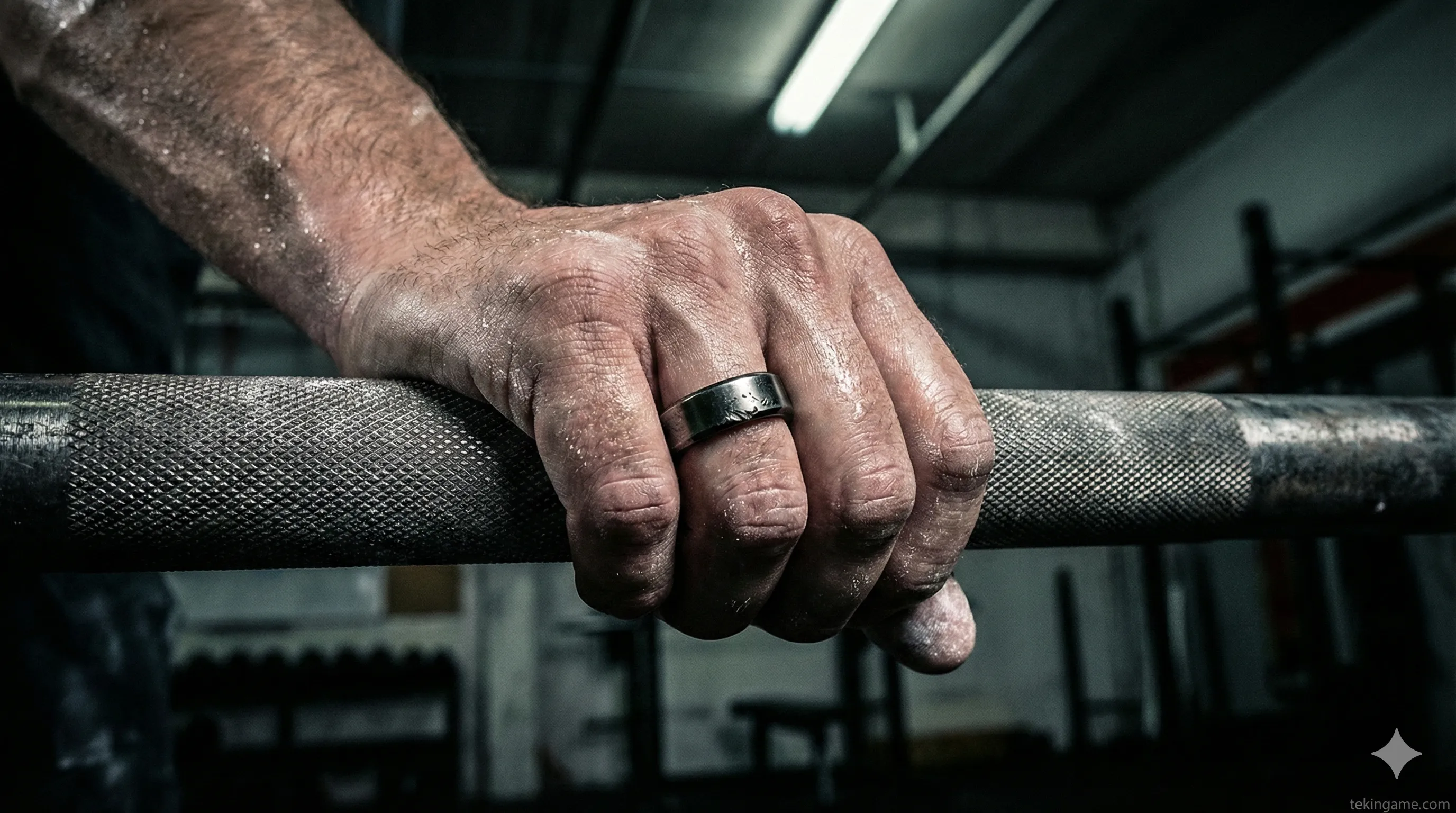
Smart Rings (regardless of brand) have one major enemy: The Barbell.
When you grip a heavy bench press bar or deadlift, the pressure of the steel bar against the titanium ring causes two issues:
1. Horrific scratching on the ring (and the bar).
2. Painful skin pinching or calluses.
In contrast, the Galaxy Watch 8, with its new "D-Buckle" silicone bands and AI motion detection, is the King of the Gym. Samsung's new algorithm can accurately count "Reps" and manage rest times between sets automatically—something the form factor of a ring simply isn't built for.
6. The Role of AI: Galaxy AI Gestures vs. Oura Advisor
2026 is the year of Generative AI in wearables.
Oura Advisor: This chatbot within the app analyzes your biometric trends and gives text-based advice. For example: "Majid, your body temperature was 0.5°C higher last night and HRV was low. You might be fighting a virus. Take it easy today." This "Illness Prediction" is Oura's killer feature.
Galaxy AI: Samsung's AI focuses on the "Energy Score" and interaction. The most futuristic feature is "Double Pinch" Gesture Control. Thanks to the new NPU, you can tap your index finger and thumb together twice in mid-air to answer calls or dismiss alarms without touching the watch. This is magic when your hands are wet or dirty.
7. Final Verdict: Which Device Fits Your Biology?
Let's be blunt. Neither is objectively "The Best." Your choice depends entirely on your lifestyle:
👑 Winner: Oura Ring 5
Best For:
- Bio-hackers who prioritize "Sleep Quality" and recovery above all else.
- People who love wearing classic mechanical watches and don't want a screen on the other wrist.
- Those seeking a "Digital Detox" from constant notifications.
Major Downside: Monthly subscription cost and uselessness for heavy weightlifting.
👑 Winner: Galaxy Watch 8
Best For:
- Serious athletes (Runners, Swimmers, Lifters) needing GPS and detailed metrics.
- Patients needing active monitoring (ECG, BIA, Fall Detection).
- Samsung Ecosystem users who want phone control on their wrist.
Major Downside: Requires charging every 48 hours and is bulky for sleep.
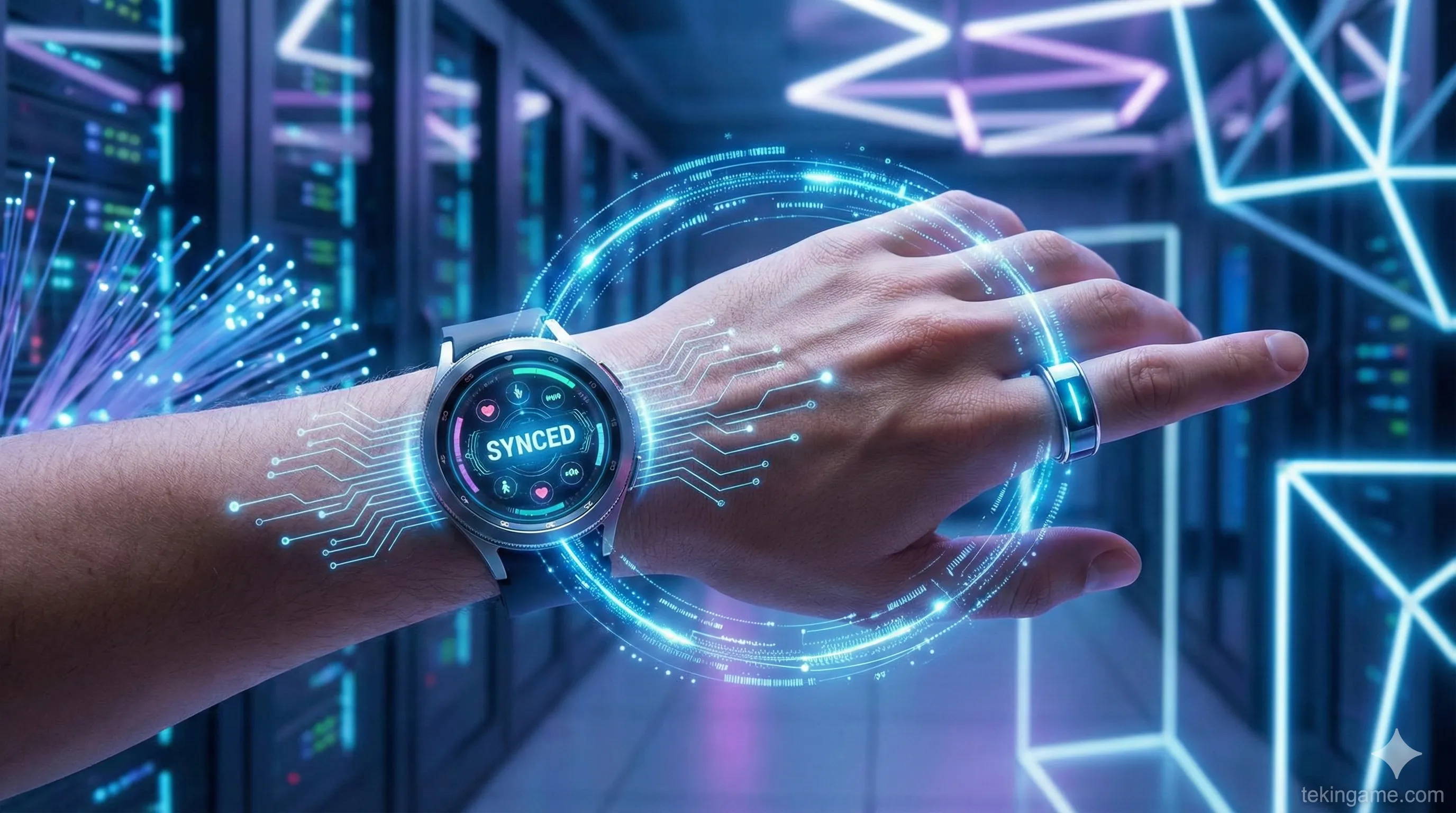
Tekin Plus Final Recommendation: If budget is not an issue, Samsung has enabled a feature this year called "Ring & Watch Sync." If you wear both, sensor accuracy improves by 30%, and the ring's battery lasts longer (as the watch takes over heavy lifting). Perhaps the real future isn't "Either/Or"—it's "Both."