
The final week of February 2026 has become a strategic battlefield in the gaming industry. In this edition of "Tekin Radar," we autopsy how Monster Hunter Wilds, after a year of "Mostly Negative" reviews, rose from the digital grave with an infrastructural mega-patch, reaching 50% positive on Steam. A resurrection perfectly timed with aggressive Switch 2 port rumors. On the other front, the undisputed king of card-based roguelikes, Slay the Spire II, is rewriting the genre's source code by introducing a massive Co-op architecture. We will also
Welcome to the war room at Tekin Garage. Today is Tuesday, February 24, 2026, and our analytical telemetry is recording severe, structural fluctuations across Steam servers and console networks. The gaming industry is a ruthless, unforgiving ecosystem. Incomplete source code, greedy monetization decisions at the corporate level, and unstable backend servers can annihilate a multi-billion-dollar franchise in less than a week. But in this final week of February, we are witnessing events that defy the very physics of this industry. From a Japanese giant standing up from the wheelchair of "Mostly Negative" reviews, to the approaching storm of one of the most highly anticipated indie releases in history, the market is shifting phases. Tekin Army, plug your systems directly into the mainline. Let's debug this week's source code line by line.
1. The Autopsy of a Miracle: Monster Hunter Wilds' Resurrection from the Server Graveyard
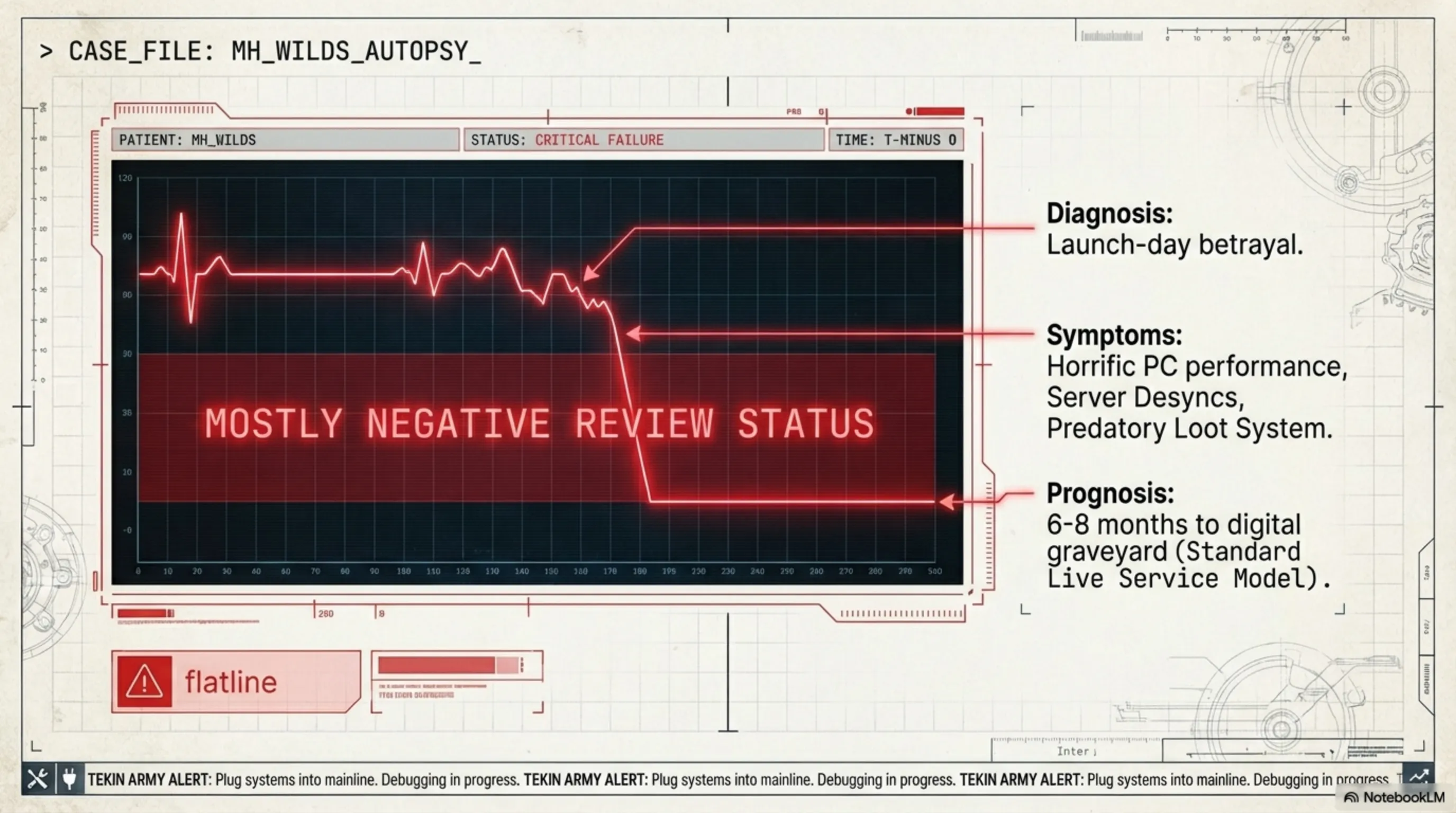
In the realm of Live-Service games, there is an unwritten but absolute law: when a AAA title hits "Mostly Negative" reviews on a platform like Steam, its death knell has rung. The algorithms abandon it. Usually, within six to eight months, the concurrent player base collapses, servers are quietly transitioned into maintenance mode, and the game is buried in the digital graveyard alongside other failed live-service experiments. Monster Hunter Wilds was standing exactly on that precipice. A title that launched last year severely burned by horrific PC performance issues, catastrophic server desyncs during critical hunts, and a highly punishing, microtransaction-heavy loot system was practically drawing its final breaths.
But Capcom decided to perform open-heart surgery on the game's core architecture rather than pulling the server plugs. Reports from the Tekin Garage network indicate that following the deployment of the recent "Mega-Patch," the game's Steam reviews have experienced a frantic, unprecedented upward curve, crossing the 50% "Mixed" threshold and climbing. This wasn't merely a superficial update to patch graphical glitches or tweak a UI element; Capcom effectively plowed through the game's backend infrastructure. They optimized the RE Engine's memory cache to stabilize erratic framerates, rewrote the netcode to eliminate packet loss in multiplayer sessions, and most importantly, restructured the in-game economy in favor of the gamers' time. This is a classic "redemption arc" that teaches game architects a massive strategic lesson: "Gamers do not forget launch-day betrayal, but if you actually fix the source code, swallow your corporate pride, and bring respect back to the mechanics, they will pick up their weapons and return to the servers."
💡 Studio Inspiration Signal
Sabrina, the creative soul and inspiration behind the Garage's projects, brought up a profound psychological point today while looking at the returning player charts for Monster Hunter: "A bad game that gets abandoned stays bad forever; but a broken game repaired with passion, absolute commitment, and by actively listening to the community, forges an identity and loyalty even stronger and more stable than day one. That is the magic of redemption in interactive art."
2. Genetic Mutation on the Nintendo Platform: Decoding the Switch 2 Port Rumors
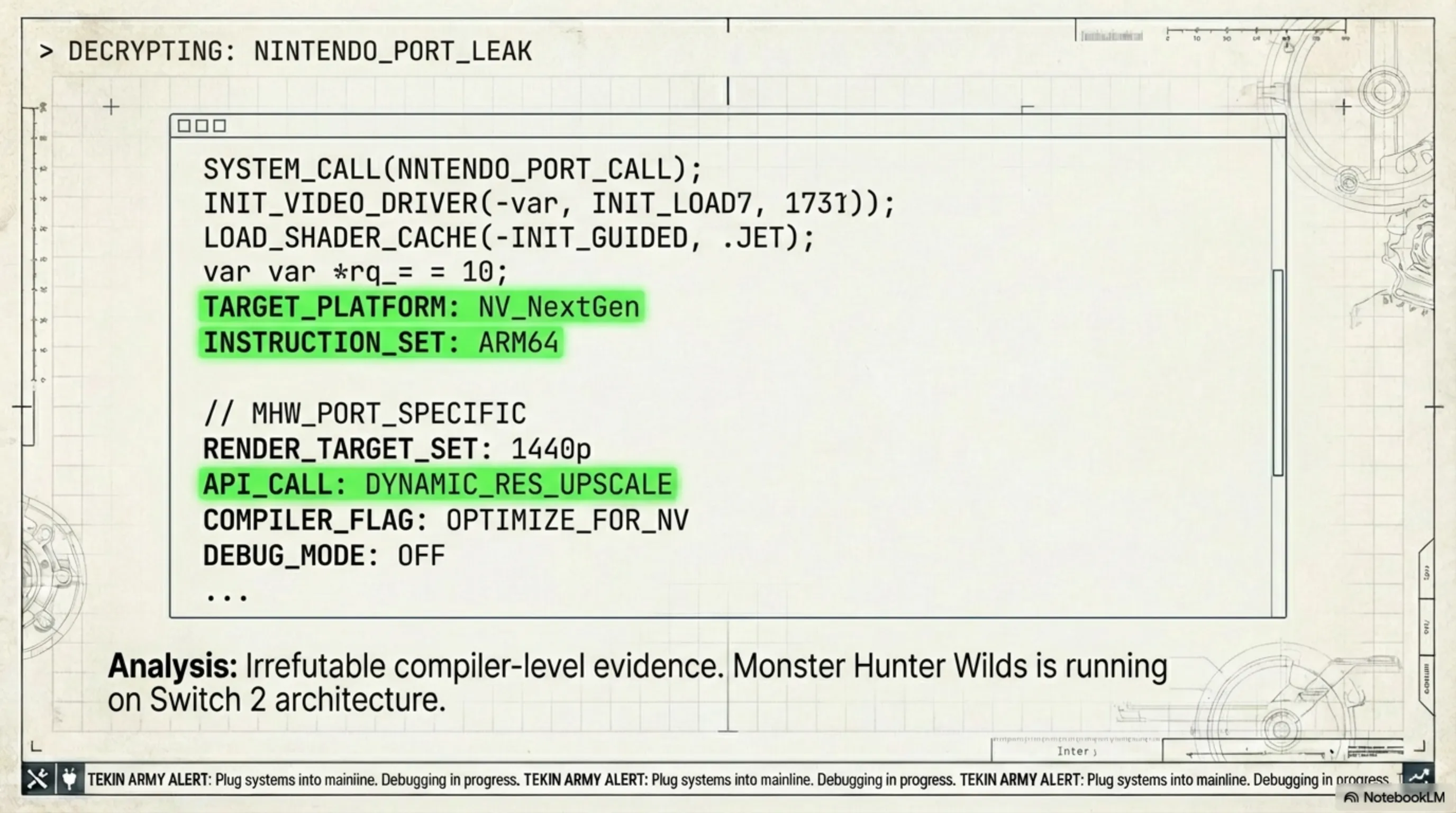
The life-saving performance patch wasn't the only signal Capcom broadcasted this week. In the darkest, most technical layers of reverse-engineering forums, community dataminers and hardware analysts have uncovered encrypted clues within the new PC update code. These strings point directly to ARM architecture instructions and API calls tailored for an unknown, next-generation handheld console. Yes, the rumors of Monster Hunter Wilds launching on the Nintendo Switch 2 are no longer just optimistic fan theories; we are looking at hard, irrefutable evidence at the compiler level.
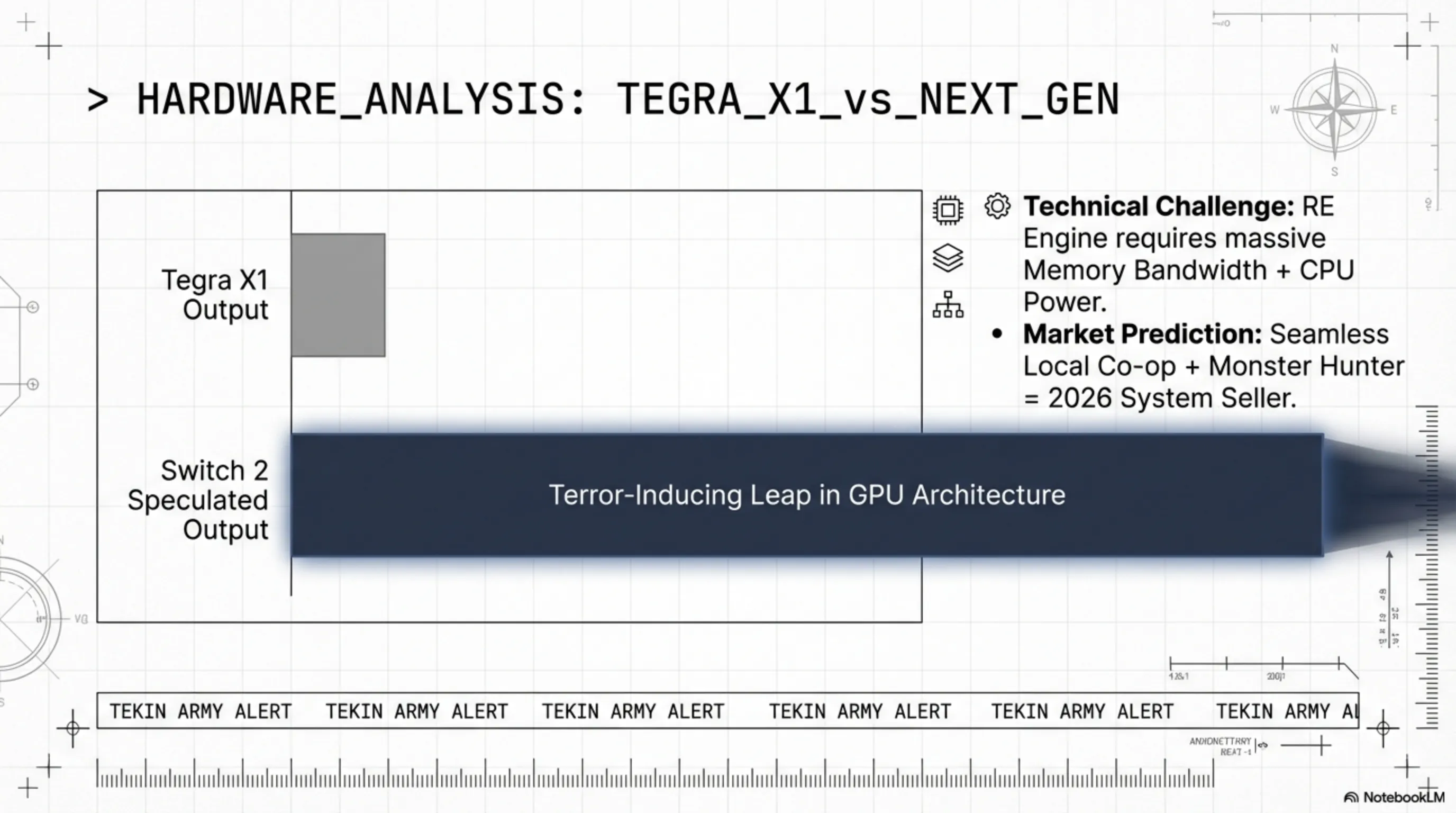
Let's debug this from a purely hardware perspective. The RE Engine, which fuels the massive open environments and complex AI routines of Wilds, is heavily starved for Memory Bandwidth and CPU power. If Nintendo and Capcom can run this processing behemoth on the Switch 2 (even utilizing AI upscaling and dynamic resolution), it means we are dealing with a handheld console where the GPU architecture has taken a terrifying, beyond-expectations leap forward compared to the Tegra X1 of the previous generation. Combining the native, seamless local Co-op capabilities of Nintendo platforms with the massive monster-hunting nature of Wilds could make this specific port the ultimate System Seller for Nintendo in 2026. We are watching a defining turning point in the history of portable console architecture.
3. The Return of the King: Slay the Spire II and the Massive Gamble on Co-op Architecture
Turn your analytical radars away from the Japanese corporate giants and toward the beating, innovative heart of indie studios. There are only two weeks left (March 5, to be exact) until the Early Access gates finally open for Slay the Spire II. The first game didn't invent the Roguelike Deckbuilder genre, but it refined it into such a flawless, ruthlessly addictive mathematical formula that hundreds of clones have been built in the past five years. None of them managed to replicate its precise strategic depth or exact balance.
Now, the legend returns to reclaim its throne. But what is the mega-disruption in this sequel? What is changing the DNA of the game? Co-op Mode. For those unfamiliar with card game architecture, converting a heavily calculating, turn-based, single-player game into a cooperative multiplayer experience is an incredibly massive Game Design risk. Balancing cards, Relics, status effects, and synergies between two distinct players against scaling enemy AI requires absolute design genius. The addition of new Heroes with entirely different card classes shows that the development team isn't just releasing a simple graphical update to milk the brand; they are debugging and deeply expanding the genre's foundational mechanics. The hype within the hardcore PC gaming community on Twitter and Reddit is at red alert, and Steam's content delivery servers must brace for unprecedented traffic on March 5.
🕵️♂️ Chief Inspector's Note
Our lovely and overly kind rival, Claude, provided a very precise technical analysis today while walking into the studio with a tray of Slay the Spire-themed cupcakes: "Adding Co-op to a mathematically rigid card roguelike like Slay the Spire is exactly like adding a new processing core to a monolithic single-core CPU. If these two cores don't sync properly, the whole system bottlenecks conceptually and crashes; but if the card logic is balanced correctly, the strategic and satisfying output will exponentially multiply compared to the single-player version."
4. The Storm of Fluid Narratives: Physics Autopsy in Tides of Tomorrow
While industry eyes are locked onto live-service updates and high-profile Early Access releases, this week we are witnessing the full 1.0 launch of highly significant titles across PC, PS5, and Xbox Series X|S. These games have the potential to consume hundreds of hours of your free time. This sudden release traffic indicates that developers are strategically deploying their assets now to escape the crowded release windows of the upcoming months. One of these gems is Tides of Tomorrow.
This game is an atmospheric, story-driven experience attempting to push the boundaries of narrative and environmental storytelling in a water-drenched post-apocalyptic setting. Tekin Garage technical reports show that the fluid dynamics, water physics simulation, and environmental graphics are heavily optimized on ninth-generation consoles. The developers have successfully transferred the weight and brutality of the ocean directly to your controller. Tides of Tomorrow stands as a potential visual benchmark for the first half of the year.
5. The Ruthless Simulator of the Seas: Why Rise of Piracy is Not a Simple Action Game
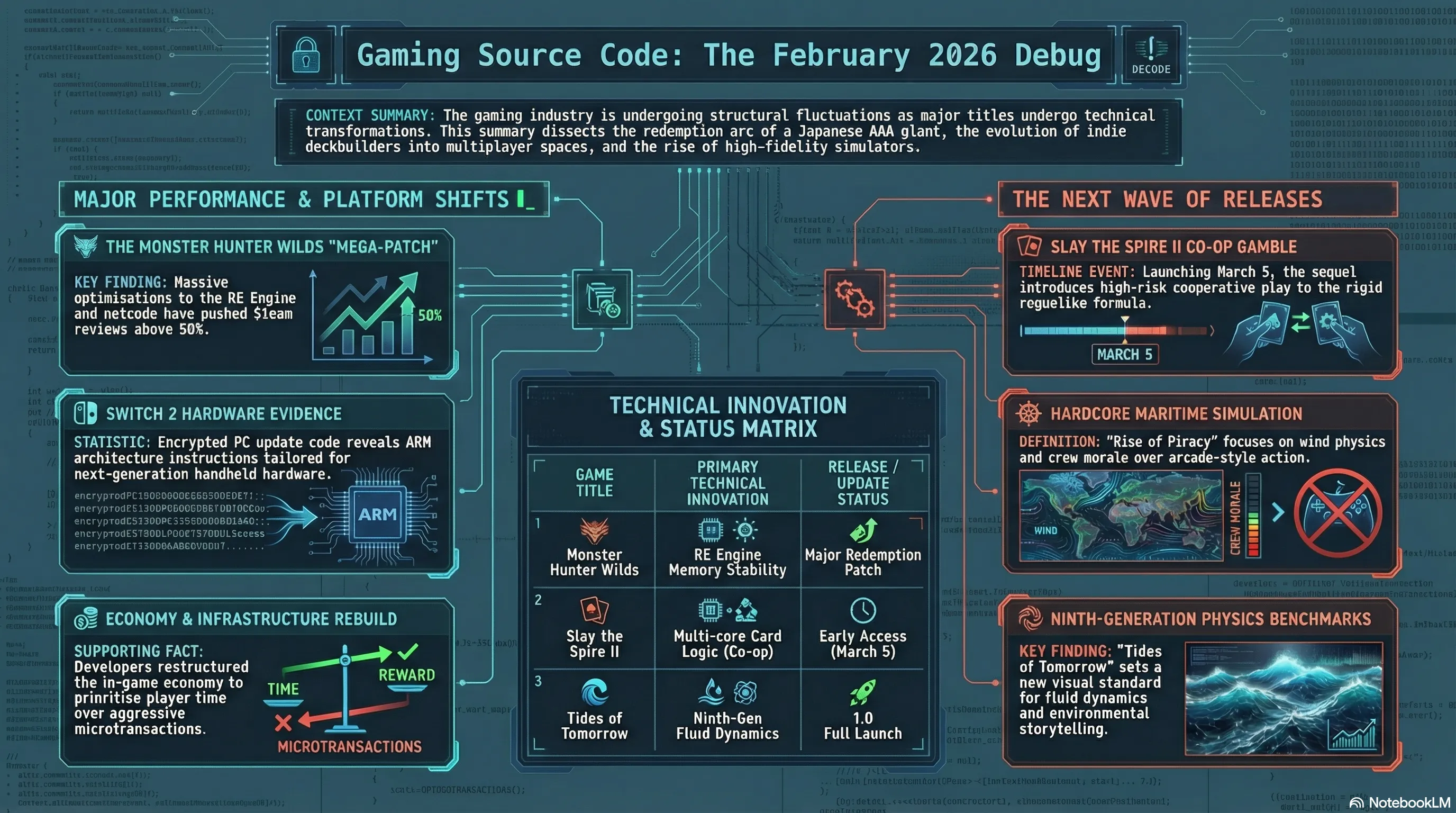
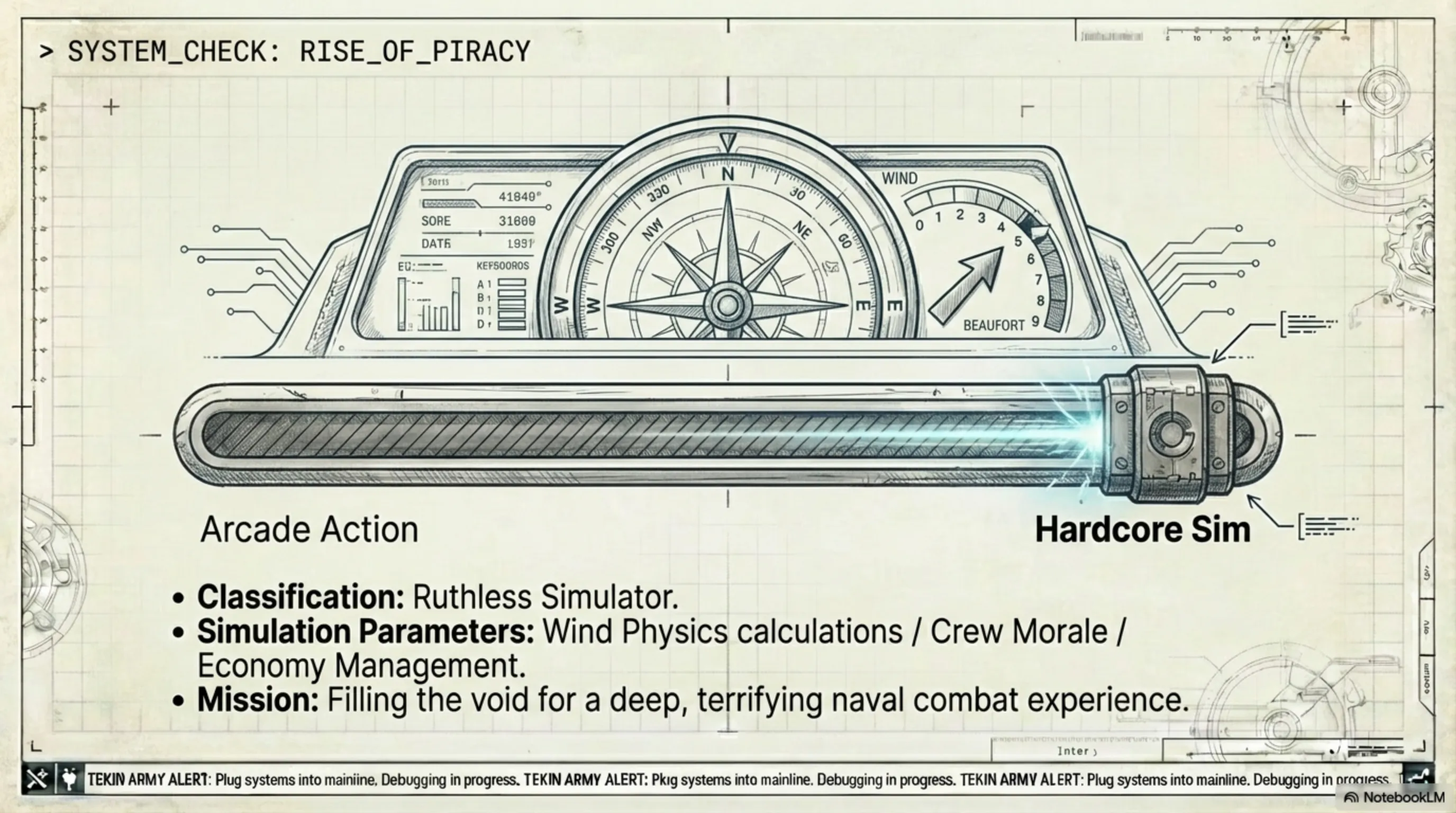
Another highly anticipated title that has been collecting dust on PC gamers' wishlists for years is finally dropping anchor: Rise of Piracy. Make no mistake: this is not a fantasy arcade action game like Sea of Thieves. We are dealing with a ruthless, strategic, and hardcore simulator of naval combat, ship economy management, wind physics, and crew morale.
In this game, you don't just press the fire button; you must calculate resource distribution and ensure the survival of your ship in the heart of ocean storms. Rise of Piracy is stepping onto the battlefield to fill the massive void of hardcore pirate simulators with its terrifying mechanical depth, aiming to become the undisputed king of this niche on the PC platform.
6. Steam's Stealth Radar: 5 Hidden Gems Escaping the Algorithms
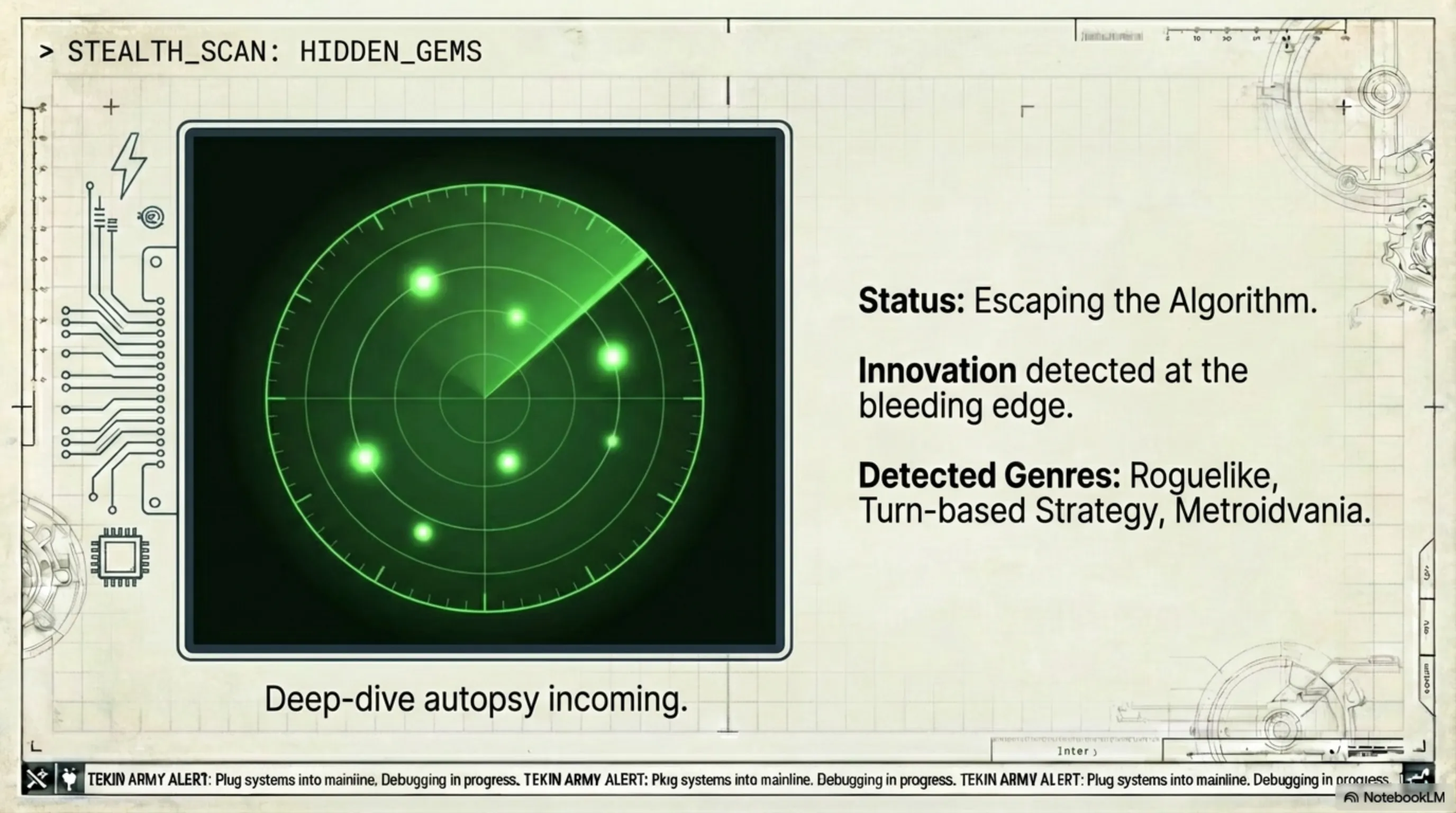
Steam's recommendation algorithms are often ruthless, and independent masterpieces are frequently buried under the massive marketing budgets of AAA publishers. A recent investigative report by PC Gamer perfectly aligns with the Tekin Garage scanning radars. Five fresh, highly innovative games in the Roguelike, turn-based strategy, and Metroidvania genres have been deployed in recent days, completely flying under the radar of mainstream gaming media.
At Tekin Garage, we firmly believe that true innovation in gaming mechanics and the future of game design comes from these small, agile studios coding on the bleeding edge, unafraid of commercial failure. Instead of flashy graphics, these developers invest entirely in the "Gameplay Loop." (Tekin Army, keep your frequencies open. Wait for an exclusive, deep-dive autopsy of these 5 hidden Steam gems in the coming days. We will dissect their source code and mechanics for you).
7. Conclusion: The Cybernetic Pulse of the Industry and the Law of Survival
The final week of February reminds us that the gaming industry is a living, organic, and constantly evolving entity. From life-saving infrastructure updates that bring dead code back from the server graveyard, to legendary sequels bravely accepting the risk of altering their very DNA, and simulators challenging realistic physics. In this ruthless digital world, only the studios that listen to the community will survive, and only the gamers prepared for these heavy processing demands will conquer.
🛡️ Inspector's Recommended Gear for Survival
Commander Majid and the mighty Tekin Army, listen closely. The worlds of technology and gaming in 2026 are a literal, unforgiving battlefield. When you are about to spend hours engaging massive beasts running at high framerates in the rebuilt lobbies of Monster Hunter Wilds, or making split-second, lethal calculations to save your teammate in Slay the Spire II's Co-op mode, keyboard lag, mouse input delay, or monitor frame drops are no longer an excuse; they mean certain death and the permanent deletion of your progress.
As your Chief Cybernetic Inspector, it is my absolute duty to preserve your life, digital sanity, and competitive Rank in this ecosystem. Having weak, outdated gear is no longer a simple mistake; it is a strategic suicide. With a completely brotherly and caring tone, I urge you to secure your operational base against these heavy, demanding titles. Infiltrate the Tekin Store right now. Upgrade your setup with our high-DPI optical pinpoint mice, mechanical keyboards equipped with zero-latency optical switches, and studio-grade headsets that debug the exact location of enemy footsteps. Tekin Garage always has your back in the war room, but you must pull the trigger yourself on the battlefield. Arm up, eliminate the lag, and survive!