
1. Samsung One UI 8.5: The End of Bloatware and the Era of "Smart Lightness"
The first major story of the day comes from South Korea. Insider sources at Samsung Electronics have confirmed that the software development team is deep into a project codenamed "Feather," which will eventually release as One UI 8.5 in early 2026.
The Context: Why "Lightness" Matters
For over a decade, Samsung’s skin (formerly TouchWiz, now One UI) has been criticized for being "feature-rich" to the point of heaviness. While One UI 7 improved things, it still carried the legacy code of hundreds of features that 90% of users never touch. In 2025, with Chinese competitors like HyperOS and ColorOS offering buttery smooth, lightweight experiences, Samsung felt the pressure.
Key Features Revealed:
- 30% Reduction in Background Processes: The report suggests Samsung has aggressively pruned legacy background services. This isn't just about speed; it's about battery life. By killing off redundant processes, the idle drain on the Galaxy S26 series is expected to drop significantly.
- Non-Linear Interruptible Animations: Taking a page from iOS, the new animation engine is fully fluid. You can launch an app, change your mind mid-animation, and swipe it away without a single dropped frame. This "responsiveness" creates the illusion of a much faster phone.
- The New Smart Hub: The cluttered Edge Panels are being reimagined. The new "Smart Hub" uses on-device AI (NPU) to predict exactly which setting or app you need based on your location and time of day, presenting a clean, minimalist dashboard instead of a drawer full of icons.
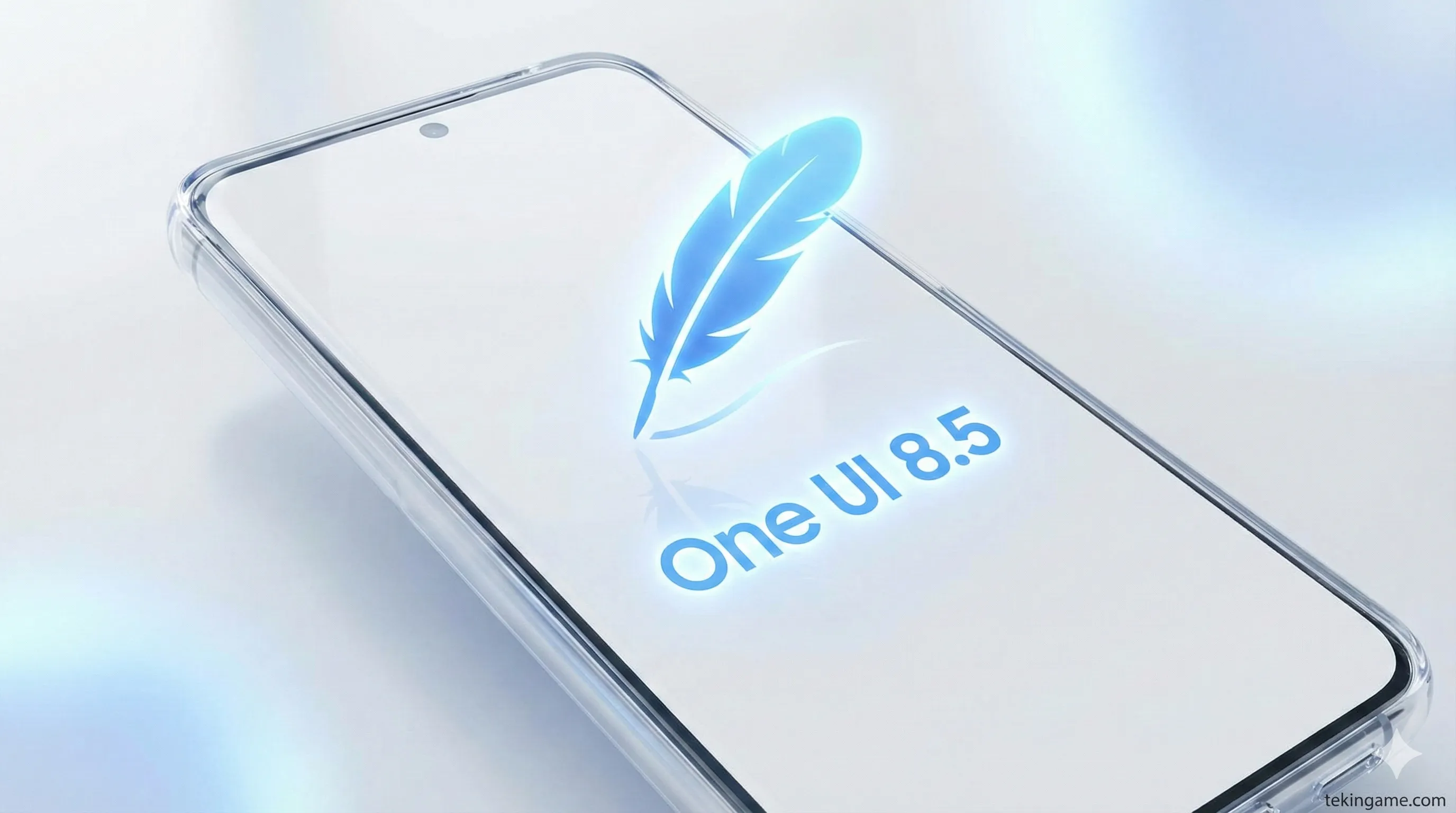
Tekin Analysis: This is Samsung admitting that hardware specs have plateaued. You can't just throw more RAM at the problem anymore. The battle for 2026 is about software optimization, and One UI 8.5 looks like a massive step in the right direction.
2. Xiaomi 17 Ultra: Mechanical Innovation with the Rotating Leica Lens
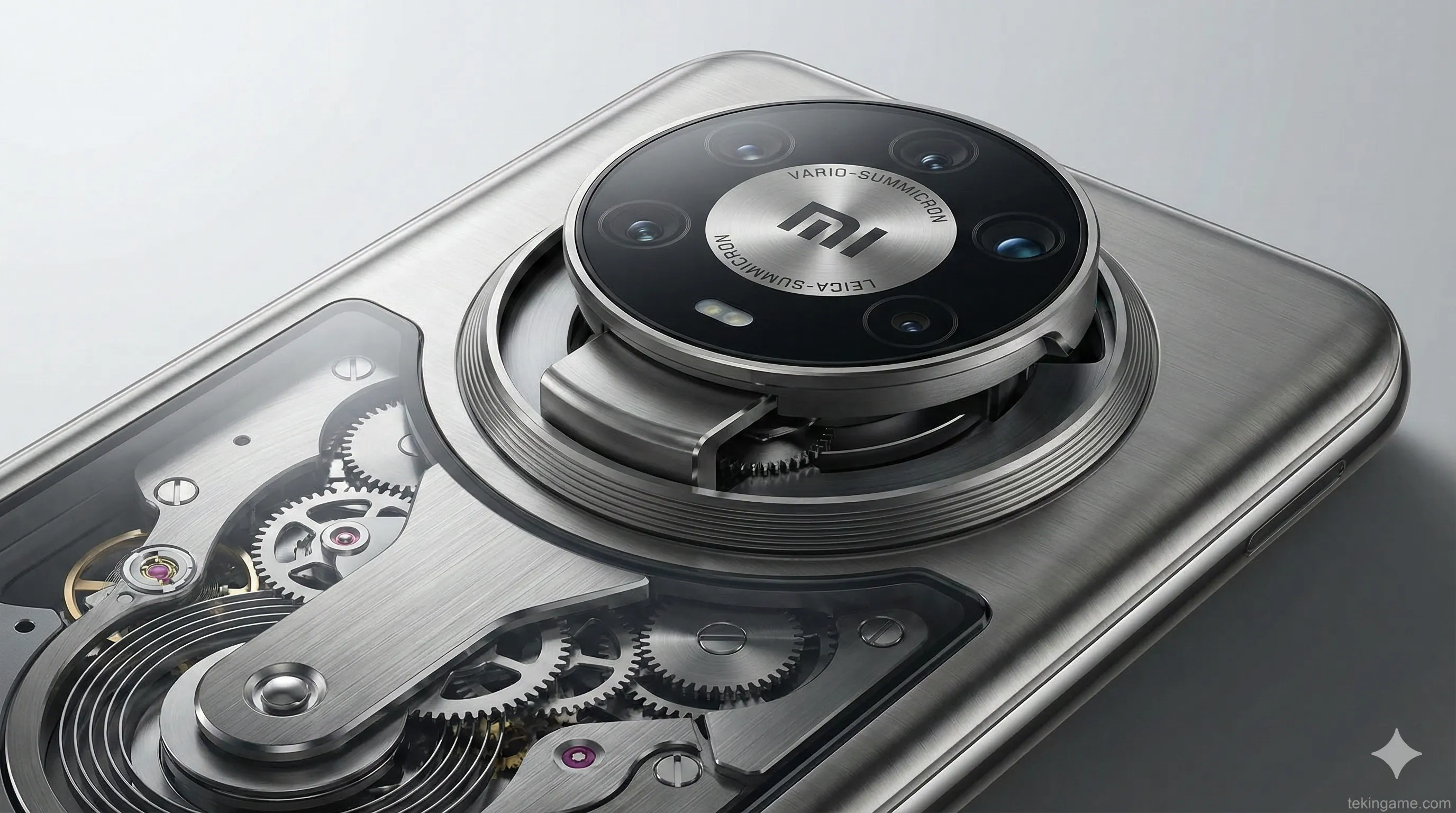
The viral sensation of the day comes from China. A leaked hands-on video on Weibo has showcased the engineering prototype of the Xiaomi 17 Ultra, and it features something we haven't seen in years: moving mechanical parts.
Innovation or Reliability Risk?
Xiaomi, in partnership with Leica, has developed a 360-degree rotating lens system. Unlike the Galaxy S4 Zoom of the past, this is sleek and integrated. The primary lens physically rotates and extends to achieve continuous optical zoom and variable aperture changes.
Technical Deep Dive:
- True Continuous Optical Zoom: Most phones "jump" from a 1x lens to a 3x lens to a 5x lens. In between those numbers, they use digital cropping (loss of quality). The Xiaomi 17 Ultra’s mechanism moves the glass elements physically, allowing for lossless optical zoom at any point between 1x and 10x. It operates like a DSLR lens.
- Mechanical Variable Aperture: We aren't talking about two steps (f/1.9 and f/4.0). This aperture can slide smoothly to control light and depth of field (bokeh) with extreme precision.
Tekin Analysis: Critics argue that "moving parts mean broken parts." Dust, water, and drop protection are major concerns. However, Xiaomi claims to have developed a new "Nano-Seal" technology that maintains an IP68 rating even with the moving lens. If this works, it fundamentally embarrasses the fixed-lens camera systems of Apple and Samsung.
3. iPhone 18: Apple Chases the "All-Screen" Holy Grail
We are still months away from the iPhone 17, but the supply chain never sleeps. Reports from Taiwan indicate that Apple has entered the "Engineering Validation Test" (EVT) phase for the iPhone 18 (2026 model) much earlier than usual.
The End of the Dynamic Island?
The primary focus of these early production tests is a new display panel technology developed by Samsung Display and LG. The tech is called "Micro-Transparent Glass."
Currently, putting a camera under a screen results in hazy, low-quality photos because the screen pixels block the light. Apple’s new patent involves turning off the pixels directly above the camera and making the wiring transparent, allowing enough light for the secure FaceID sensors to work reliably.
If these tests succeed, the iPhone 18 Pro will likely be the first "All-Screen" iPhone. No notch. No Dynamic Island. Just a floating punch-hole for the selfie camera (which is harder to hide due to image quality needs) or perhaps a completely uninterrupted slab of glass.
Tekin Analysis: Apple starting EVT this early suggests they are worried about yield rates. This is a difficult technology to mass-produce. If they pull it off, the Dynamic Island will go down in history as a brilliant 4-year stopgap solution.
4. Firefox & Privacy: Introducing the "AI Kill Switch"
In an era where Google Chrome and Microsoft Edge are forcing AI assistants (Gemini and Copilot) into every context menu and sidebar, the Mozilla Foundation is zagging while everyone else zigs.
User Sovereignty
Firefox has announced a flagship feature for its 2026 roadmap: the AI Kill Switch. This is a physical toggle in the browser toolbar that, when activated, aggressively blocks all client-side and server-side AI processing.
Why is this necessary?
- Data Scraping: Many browser-based AI tools passively scan your web page content to offer "summaries" or "context." This feature blocks that scanning.
- Resource Hogging: Local AI models in browsers consume significant RAM and battery. The Kill Switch ensures your browser remains a browser, not an operating system.
Tekin Analysis: This is a brilliant marketing move. There is a growing segment of "AI-Fatigued" users who just want to browse the web without a robot interrupting them. Firefox is positioning itself as the browser for humans, not algorithms.
5. Waymo Returns: Lessons Learned from the San Francisco Blackout

Last week, a massive power grid failure in San Francisco caused a "Zombie Car" apocalypse. The Waymo autonomous fleet lost connection to central command servers and simply stopped—blocking intersections, trapping emergency vehicles, and causing gridlock.
The New Offline Protocols
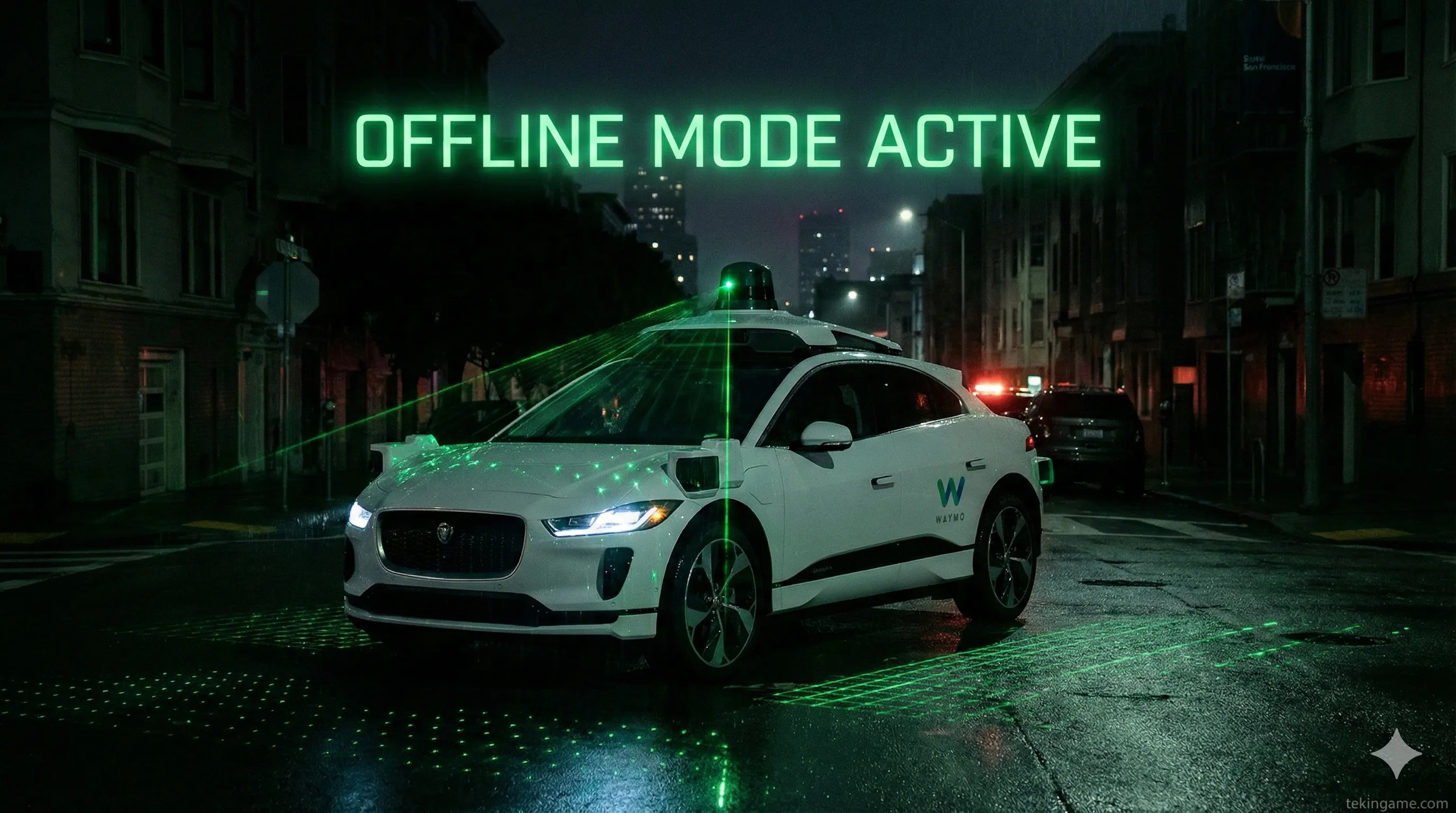
Today, Waymo announced the reactivation of its fleet with updated software. The key change? "Offline Survival Mode."
Previously, the cars relied heavily on cloud confirmation for complex decisions. The new update shifts more processing to the car's onboard Edge Computer. If the cell network or power grid goes down, the car can now autonomously navigate to the nearest safe parking spot or pull-over zone without needing permission from the server.
Tekin Analysis: This incident highlighted the fragility of Smart Cities. We cannot build infrastructure that requires 100% uptime of electricity and internet. Waymo's pivot to "Edge Independence" is a necessary step for the maturation of self-driving tech.
6. Samsung x Google: Your Cloud Gallery Comes to the TV
The final story of the night is a strategic alliance. Samsung and Google have announced that starting with the 2026 lineup of Samsung Smart TVs (Neo QLED and OLED), Google Photos will be integrated natively at the system level.

More Than Just a Digital Frame
Previously, viewing Google Photos on a TV required casting via a phone or using a clunky Android TV app. The new integration is seamless:
- AI Upscaling: The TV uses its NPU to upscale your old 1080p family photos to crisp 4K or 8K resolution in real-time.
- Generative Memories: The TV will automatically curate "Ambient Mode" slideshows based on who is in the room (using facial recognition on optional cameras) or the time of year (showing Christmas photos in December).
- Remote Editing: Future updates promise the ability to perform basic edits using the TV remote.
Tekin Analysis: This is a direct shot at Apple. Apple users love the seamlessness of viewing iCloud photos on Apple TV. Google and Samsung are finally bridging that gap, removing the friction between the Android phone in your pocket and the biggest screen in your house.
7. Conclusion: The Major Tech Trends of 2026
Looking at the aggregate of today’s news (Dec 30, 2025), a few clear patterns emerge for the coming year:
- Hardware is Getting Weird Again: After years of boring black slabs, Xiaomi is bringing back mechanical wonder. Apple is trying to make glass transparent. We are exiting the "boring phone" era.
- The Anti-AI Movement is Real: Firefox’s move proves there is a market for "Dumb Tech"—technology that does exactly what you tell it, and nothing more.
- Optimization over Features: Samsung’s One UI update signals that the specs war is over; the efficiency war has begun.
What is your take? Which of these 6 stories excites (or scares) you the most? Is it the mechanical camera or the AI Kill Switch? Let us know in the comments.