
1. The Battlefield in 2026: Maturity vs. Momentum
To understand this rivalry, we must look at the orbital math. The Low Earth Orbit (LEO) is now the busiest highway in human history.
Starlink (SpaceX): As of late 2025, Starlink operates a mega-constellation of over 8,000 satellites. They have achieved global coverage, including polar regions. Their network is "mature," meaning the days of frequent beta dropouts are largely over. With the Starship rocket now operational, they are deploying V3 satellites that act as massive data centers in space.
Amazon Leo (Formerly Kuiper): Amazon is playing catch-up, but they are sprinting. They have roughly 1,600 satellites in orbit as of early 2026, meeting their FCC requirement to deploy half their constellation by July. While their coverage is less dense than Starlink's, their satellites are newer. Each Amazon Leo bird is equipped with advanced optical inter-satellite links (OISLs) from day one, designed to integrate seamlessly with the AWS ground network.
2. The Rebrand: Why "Project Kuiper" became "Amazon Leo"
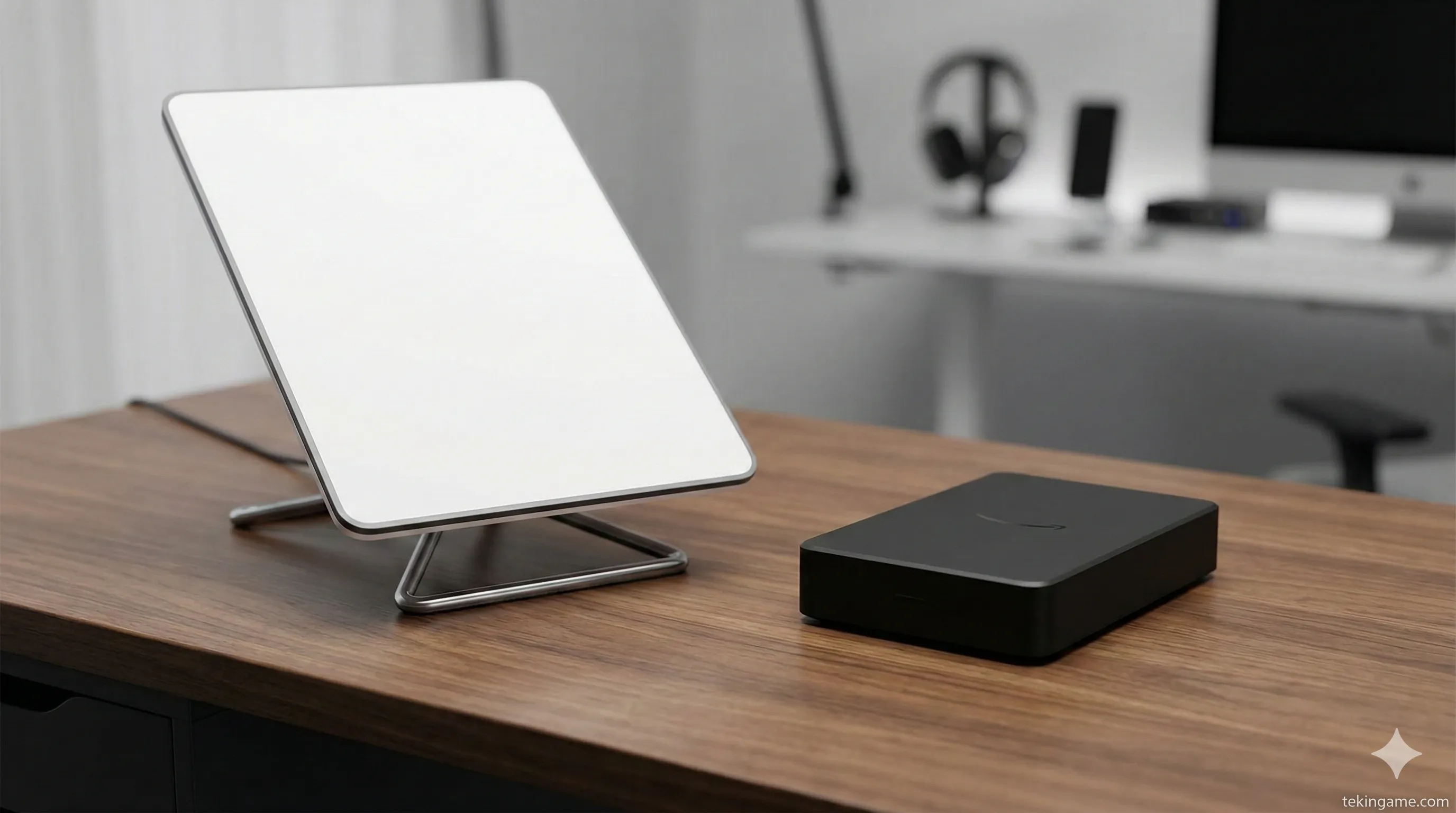
In November 2025, Amazon made a strategic pivot. "Project Kuiper" was an engineering codename; Amazon Leo is a consumer brand. This wasn't just a name change; it signaled the integration of the service into the core Amazon experience.
The name "Leo" emphasizes "Low Earth Orbit," distancing the brand from complex astronomical terms and focusing on speed and proximity. This rebrand coincided with the launch of their mass-production facility in Kirkland, Washington, which is now churning out satellites at a pace that rivals SpaceX's Starfactory.
3. Hardware Wars: Starlink Mini vs. Amazon Leo Nano
In 2026, nobody wants a giant dish on their roof. The battle has moved to portability.
Starlink's Lineup
- Starlink Mini: A backpack-sized unit priced around $599. It’s portable, runs on DC power (USB-C), and is perfect for nomads, though it sacrifices some speed compared to the larger units.
- Standard V4: The workhorse. Non-actuated (no motors), sleek, and designed for permanent installation.
Amazon Leo's "Shape-Shifting" Terminals
Amazon has shocked the industry with the compactness of its user terminals (antennas):
- Leo Nano: This is the game-changer. It is a 7-inch square device (smaller than an iPad Pro) that weighs less than a pound. It delivers speeds up to 100 Mbps and is designed to be thrown into a bag. It is significantly smaller than even the Starlink Mini.
- Leo Pro: The standard residential unit. An 11-inch square terminal delivering up to 400 Mbps.
- Leo Ultra: A larger, enterprise-grade dish capable of 1 Gbps downlinks, targeting businesses and government use.
Winner: Amazon Leo takes the hardware round for sheer portability with the Nano.
4. Performance Benchmark: 1000 Mbps Lasers
Both networks now utilize Laser Links (Optical Inter-Satellite Links), allowing data to travel between satellites at the speed of light in a vacuum—faster than fiber optics on Earth.
| Metric | Starlink (V4/Mini) | Amazon Leo (Pro/Ultra) |
|---|---|---|
| Max Download | 300 - 500 Mbps | 400 Mbps (Pro) / 1 Gbps (Ultra) |
| Latency | 20 - 35 ms | < 100 ms (Targeting 30-50 ms) |
| Global Coverage | 100% (Including Oceans/Poles) | Limited to ~50° Latitude (Initial Rollout) |
Analysis: Starlink remains the king of low latency due to its denser shell of satellites. However, Amazon Leo Ultra offers a higher theoretical top speed (1 Gbps) for enterprise users, challenging Starlink's business tiers directly.
5. The Killer Feature: Starlink "Direct to Cell" vs. Amazon's Telco Play
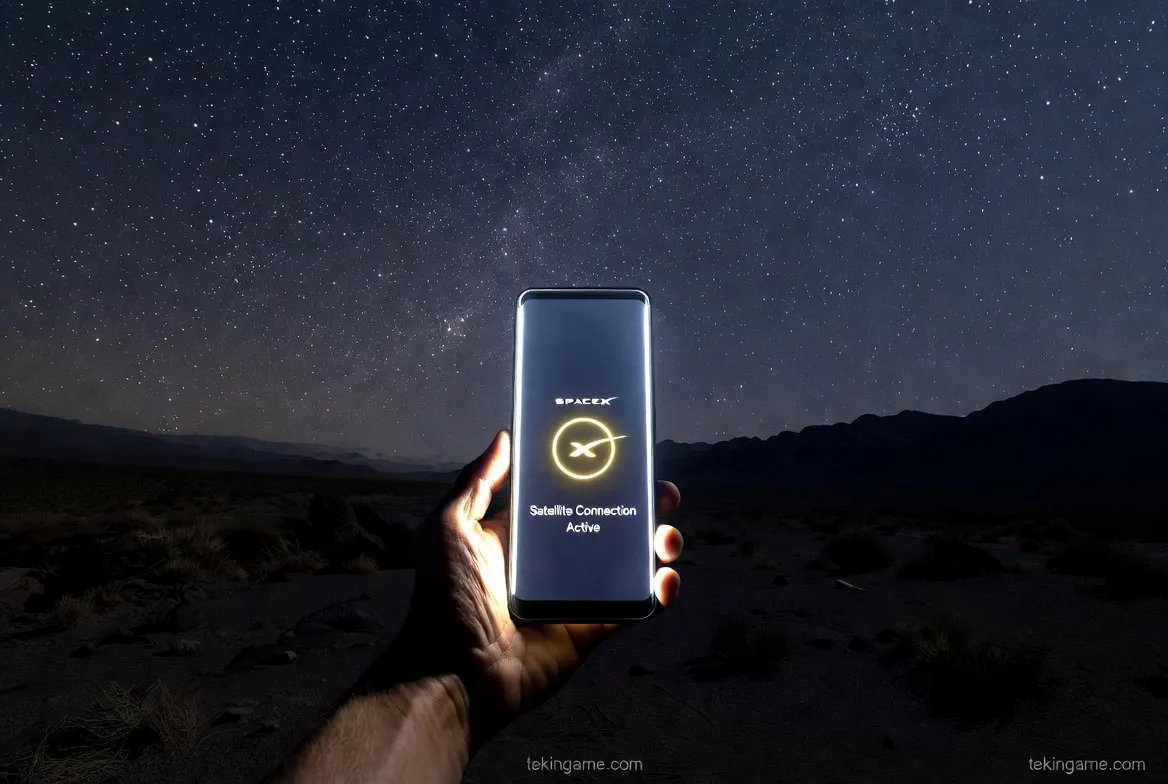
This is where Elon Musk pulls ahead. In 2026, Starlink's Direct to Cell service is live. Using T-Mobile's spectrum (and partners globally), newer Starlink satellites act as cell towers in space. You can text, call, and use basic data from a standard LTE phone anywhere on Earth, with no special hardware.
Amazon Leo has not launched a direct-to-consumer mobile service. Instead, they are partnering with telecom giants like Verizon and Vodafone to provide "backhaul". This means Amazon connects the remote cell towers to the internet, but your phone doesn't connect directly to the satellite. For the end-user needing emergency connectivity in the wilderness, Starlink is the only viable option in 2026.
6. Ecosystem Integration: AWS Edge vs. Vertical Independence
Amazon's secret weapon isn't the satellite; it's the server. Every Amazon Leo ground station is physically co-located with an AWS (Amazon Web Services) data center.
For a business, this is revolutionary. Data goes from your Leo dish, to the satellite, to the ground station, and immediately into the AWS cloud private network. It never touches the "public internet," drastically reducing latency and security risks. Starlink is excellent, but it routes traffic over the public web. Amazon Leo is essentially an Ethernet cable plugged directly into the cloud.

7. The Price War: Prime Bundles vs. Starlink Roam
Jeff Bezos is famous for his "margin killing" strategy. Amazon creates hardware at a loss to lock you into the ecosystem.
- Starlink: Maintains premium pricing. Hardware is ~$599, and residential service is ~$120/mo. There are no bundles; you pay for the service, period.
- Amazon Leo: Analysts predict aggressive bundling. "Leo Residential" is expected to be offered at a discount to Amazon Prime members, potentially undercutting Starlink by $20-$30 per month. Furthermore, the Leo Nano terminal allows for a lower entry price point, targeting the "Lite" users who don't need gigabit speeds.
8. Final Verdict: Who Wins the Sky?
The monopoly is over. In 2026, the choice depends on who you are.

🏆 Choose Starlink If:
- You need Direct to Cell connectivity for safety in remote areas.
- You are a gamer requiring the absolute lowest latency (ping).
- You live in extreme latitudes (Alaska, Scandinavia, Antarctica) where Leo coverage is currently thin.
🏆 Choose Amazon Leo If:
- You are deep in the Amazon Ecosystem (Prime/AWS user).
- You want the most portable internet ever made (the 7-inch Leo Nano).
- You are price-sensitive and waiting for a "Prime Bundle" discount.
The Tekin Take: Starlink is the "Pro" choice for now, thanks to its mature network. But Amazon Leo is the "Consumer" giant that will democratize satellite internet for the masses. The real winner? You, because competition has finally arrived.