
1. Introduction: The Return of the Budget King
1.1. The F-Series Philosophy: Pure Speed
The Poco F-series has always sent a clear message: "We don't care about telescopic cameras or titanium bodies; we just want to run games at max settings." The Poco F7 Pro (known in China as the Redmi K80 Pro) is the pinnacle of this philosophy. In a market where flagships have hit the $1000 mark, the existence of a $450-$550 phone housing the same processing engine is a blessing.
At Tekin Plus, we believe this device isn't trying to be a "Premium" phone; it's trying to be a "Performance Monster." It strips away the wireless charging coils (in some regions) and IP68 ratings to funnel every dollar into the Chipset and Screen.
1.2. Unboxing: The Charger Remains!
Unlike Samsung and Apple, who have hollowed out their boxes under the guise of environmentalism, Poco remains generous. Inside the large black and yellow box, alongside the phone, you find a thick 6A cable, a high-quality silicone case, and most importantly, a 120W GaN Adapter. This charger alone is worth around $50 in the accessory market.
2. Design & Build Quality: The Achilles Heel?
2.1. Glass or Plastic?
With the F7 Pro, Poco has attempted to offer a more luxurious feel. The back panel is now made of matte glass, which resists fingerprints and feels cold and premium to the touch. However, the frame remains the cost-cutting victim. It is made of compressed polycarbonate (high-quality plastic) rather than aluminum. While sturdy, it lacks the cold metal touch of an iPhone. The rectangular camera module on the back has grown larger, embracing a rugged, industrial design language.
2.2. Bezel Wars
When you turn on the screen, you will be shocked. Xiaomi has shaved the bezels down so aggressively that they are thinner than the Galaxy S24 Ultra. The front panel is completely flat (great news for screen protector installation), and the selfie camera resides in a tiny, non-intrusive punch hole.
2.3. Connectivity Limitations
We must accept the reality: The 3.5mm headphone jack and the microSD card slot are gone for good in the Pro series. Poco argues that with base storage starting at 256GB and the prevalence of Bluetooth earbuds, these legacy ports are obsolete. For audiophile gamers, a USB-C to 3.5mm dongle is now a necessity.
3. Display: A Feast of Colors for Gamers
3.1. 2K OLED Panel
The 6.67-inch display utilizes a CSOT C9 panel with a 2K (WQHD+) resolution. A pixel density of 526ppi means that even if you press your eye against the glass, you won't see individual pixels. Peak Brightness has hit the insane number of 4000 nits. This marketing number translates to excellent visibility under direct sunlight, making outdoor gaming in summer perfectly viable.
3.2. 120Hz & 480Hz Touch Sampling
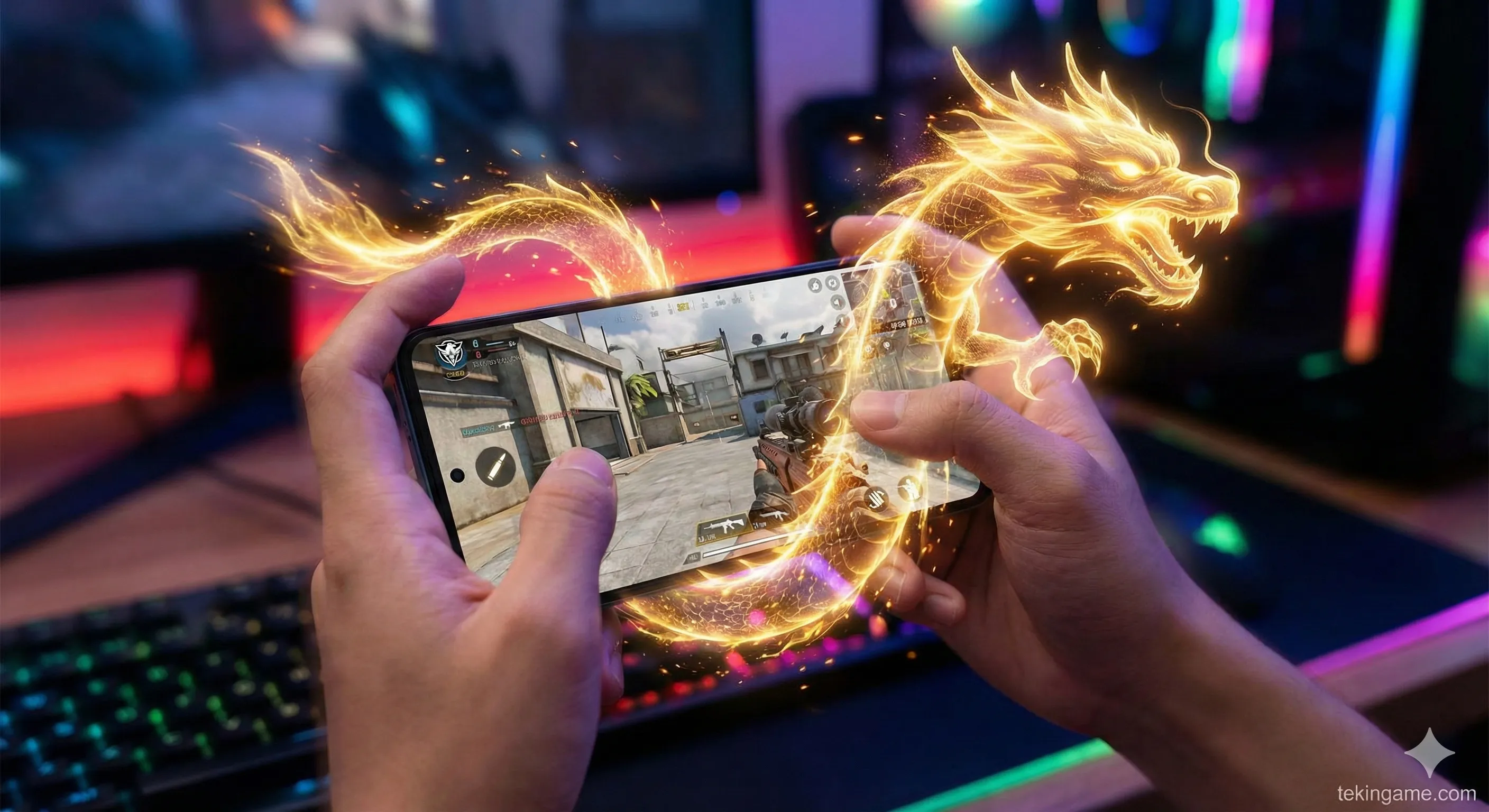
For gamers, a 120Hz refresh rate is the standard, but the Touch Sampling Rate is the secret weapon. The Poco F7 Pro boasts a 480Hz sampling rate, registering the slightest finger movement in shooters like Call of Duty Mobile instantly. This creates a "connected" feel where the crosshair moves exactly when your thumb does, giving you a competitive edge.
4. Hardware & Benchmarks: Enter the Dragon
4.1. Snapdragon 8 Gen 3 Deep Dive
The beating heart of this phone is the Snapdragon 8 Gen 3 (or the 8s Gen 3 variant in some global regions, which is slightly underclocked but still flagship-tier). In our Antutu v10 tests, this device scored a stratospheric 2.1 Million points. In Tekin Plus gaming tests, Warzone Mobile, the heaviest game currently available, ran at High settings with a stable 90 FPS. Genshin Impact, the benchmark killer, was locked at 60 FPS with zero stutters, buttery smooth.
4.2. Stress Test: LiquidCool 4.0
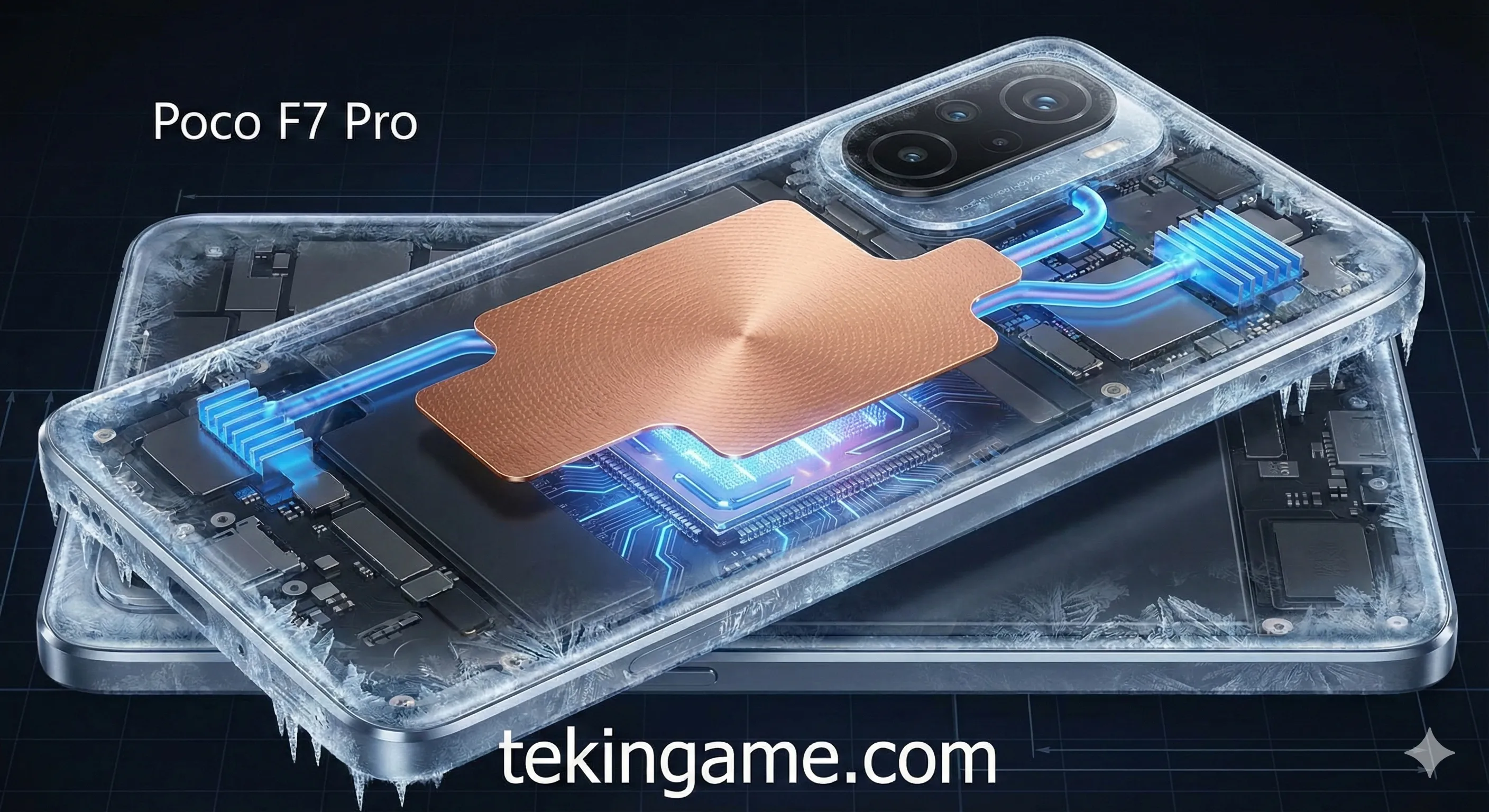
Raw power is nothing without cooling. Poco utilizes LiquidCool 4.0 technology with a massive 5000mm² Vapor Chamber. In a 20-minute 3DMark Wild Life Stress Test, the phone maintained 88% stability. This is a masterpiece for a non-gaming phone (without an internal fan). The chassis gets warm, spreading the heat effectively, but it never becomes too hot to hold.
4.3. RAM and Storage
Poco has killed the 128GB version. The base model starts at 12GB RAM / 256GB Storage using LPDDR5X and UFS 4.0 technologies. This ensures that app opening times are instant and data transfer is lightning fast.

5. Camera: The Good, The Bad, and The Ugly
5.1. 50MP Main Sensor (OV50H)
Poco has finally ditched the old 64MP sensors. The main shooter is the OmniVision OV50H (a 1/1.3" sensor seen in some $800 flagships). Daylight photos are incredibly sharp, Dynamic Range (HDR) is excellent, and colors look natural rather than oversaturated. The Optical Image Stabilization (OIS) handles handshake well during night photography.
5.2. Secondary Cameras: The Disappointment
Unfortunately, this is where the budget constraints show. The 8MP Ultrawide camera performs like a $200 phone; details get muddy at the edges, and noise creeps in during low light. The 2MP Macro camera is essentially a toy with no practical use. We wish Poco had swapped the Macro for a simple 2x Telephoto lens for portraits.
5.3. 8K Video
While the phone supports 8K video recording thanks to the powerful ISP, it lacks stabilization at this resolution. We recommend sticking to 4K/60FPS, which offers excellent stabilization and detail.
6. Software & UI: HyperOS in Poco's Clothing
6.1. The Exclusive Launcher
The F7 Pro ships with Android 15 and HyperOS out of the box. However, the "Poco Launcher" differs slightly from the standard Xiaomi UI; icons are circular by default, and the App Drawer is mandatory. Animation speeds are vastly improved over MIUI, and micro-stutters are virtually non-existent. However, there is still some "Bloatware" (pre-installed ad apps) that you should uninstall immediately upon setup.
6.2. Update Policy
Poco promises 3 years of Android updates and 4 years of security patches. While this is good, it still lags behind Samsung's 7-year promise. But for a phone at this price point, it's acceptable.
7. Battery & Charging: Light Speed
7.1. 5500mAh Battery
Xiaomi has increased the battery density compared to the previous generation (F5 Pro), fitting a 5500mAh cell. With heavy usage (Gaming, Instagram, YouTube at 120Hz), the phone easily lasts a full day, delivering around 8 hours of Screen-On Time (SOT).
7.2. 120W Charger
Here is the real magic. With the included 120W charger, the phone rockets from 0% to 100% in just 19 minutes! This changes your habits. If you wake up and your phone is dead, by the time you brush your teeth and get dressed, it's fully charged. 30W Wireless charging is also available for convenience.
8. Tekin Plus Verdict: Should You Buy It?
The Poco F7 Pro is a win-win deal. You pay roughly half the price of a Samsung or Apple flagship but get 95% of their raw hardware power and display quality. The only things you lose are powerful zoom cameras, a titanium body, and full IP68 waterproofing (it usually has IP54 or IP64).
Who is this phone for?
✅ Gamers, Heavy Users, and those who value charging speed above all else.
Who is this phone NOT for?
❌ Professional mobile photographers and those who care about the "Luxury Brand" status.
- Hardware Score: 10/10
- Display Score: 9.5/10
- Camera Score: 7/10
- Value for Money: 10/10 (Tekin Plus Editor's Choice)