
1. Introduction: Stepping Out of Jin Sakai's Shadow
1.1. A Bold New Direction
When Ghost of Tsushima launched, it set new standards for open-world samurai games. Now, in December 2025, its sequel, Ghost of Yotei, has not only maintained those standards but elevated them. The game takes place 300 years later, in the year 1603, on the northern island of Hokkaido (then known as Ezo).
Many were worried that shifting the protagonist to a female character (Atsu) would hurt the franchise's identity. However, with her multi-layered character development, Atsu has proven she deserves to wield the "Ghost" katana. She isn't an honorable samurai like Jin Sakai; she is an outcast Ronin, a bounty hunter, and a force of nature.
1.2. The Setting: 1603
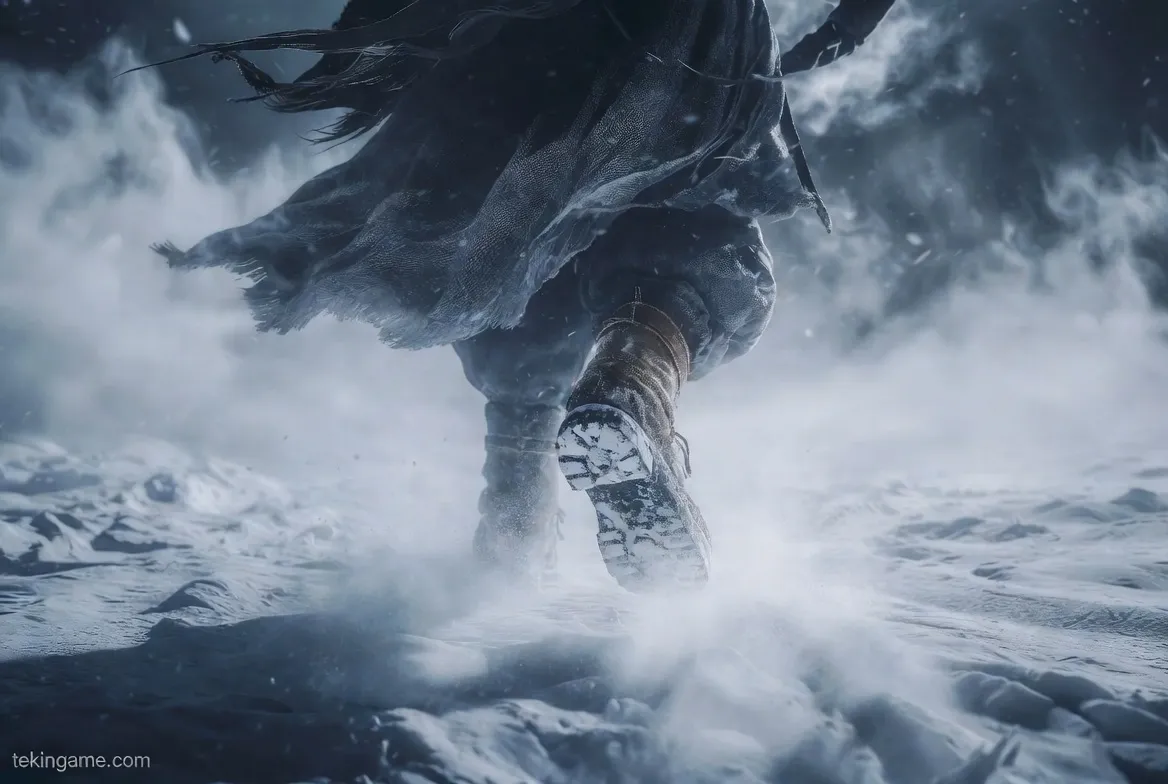
The setting is crucial. 1603 marks the beginning of the Edo period and the rule of the Tokugawa Shogunate. It is a time of lawlessness in the north, reminiscent of the American Wild West. This "Eastern Western" vibe permeates every frame of the game, separating it distinctively from the war-torn setting of the first game.
2. Story: Vengeance at the Foot of Mount Yotei
2.1. Atsu: The Spirit Returned from Death
The narrative is far more personal than the first game. Atsu's family was massacred by a criminal syndicate known as the Yotei Six, and she has returned from the brink of death for revenge. Unlike Jin, who fought to save his people and country, Atsu initially fights only for herself. The locals call her Onryō (Vengeful Spirit). Her character arc, transforming from a ruthless killer into a protector of the innocent, is beautifully written and paced.
2.2. Memorable Villains
The "Yotei Six" feel like villains straight out of a Tarantino movie (think Kill Bill). Each has a distinct personality, weapon, and territory. The duels with these six bosses are the highlight of the game's tension. The cinematic lead-ups to these duels, inspired by Kurosawa's cinema, are breathtaking.
3. Gameplay: A Dance of Steel and Gunpowder
3.1. Guns Enter the Chat
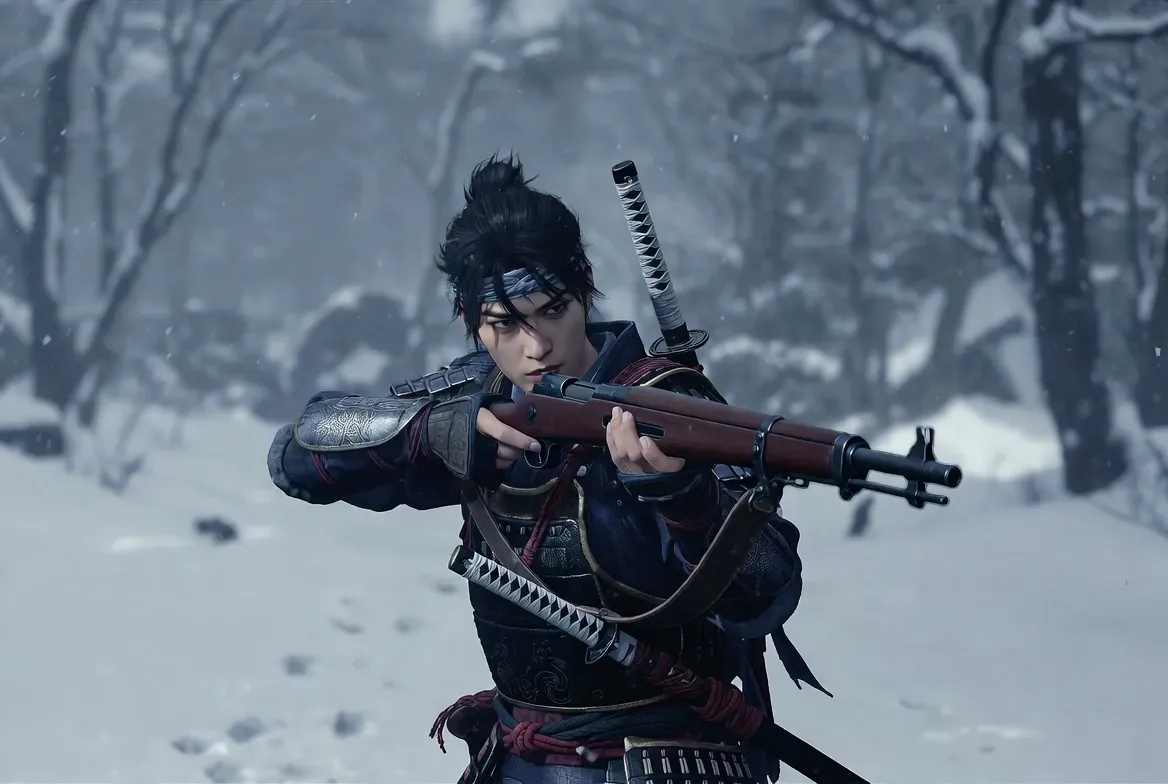
The biggest gameplay change is the addition of the Tanegashima Matchlock Rifle. This single-shot weapon is powerful but slow to reload, fundamentally changing the rhythm of combat. You can pick off a sniper from a distance, then draw your katana to rush the group. Additionally, the ability to Dual Wield (using a short sword and a katana simultaneously, Miyamoto Musashi style) has doubled the speed and fluidity of melee encounters.
3.2. The Wolf Companion
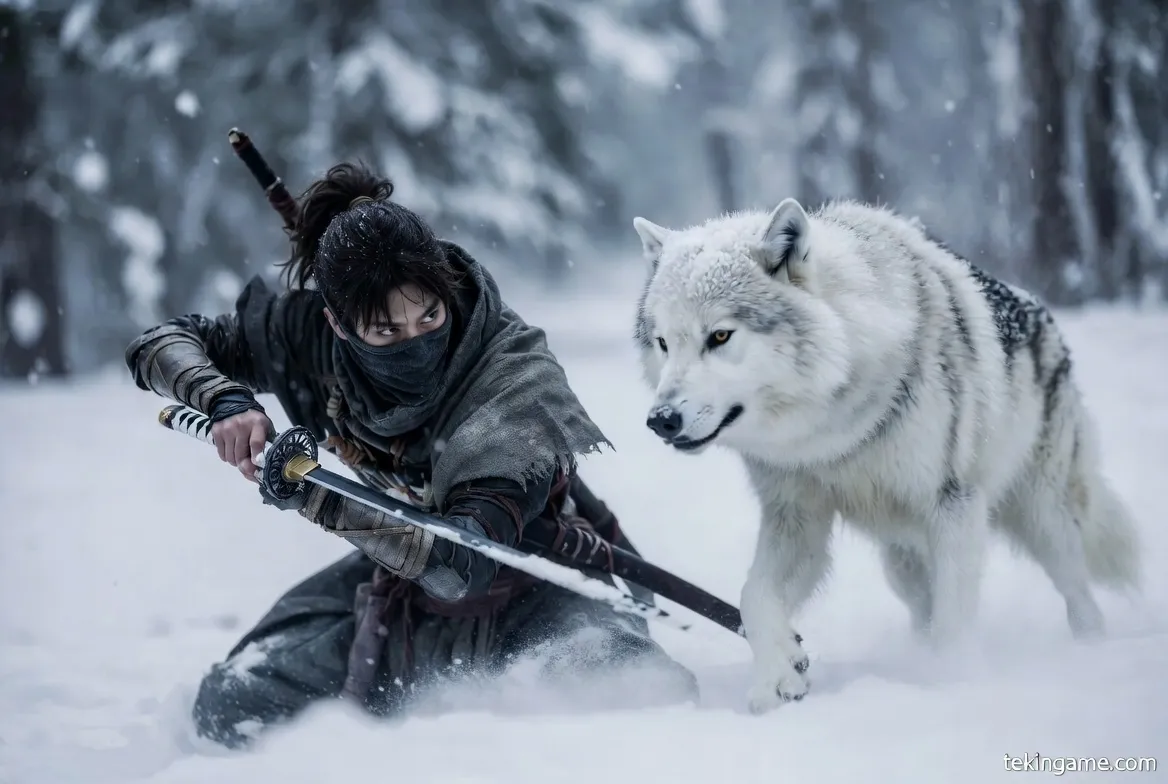
Atsu is not alone. She has tamed a wild wolf that assists in combat and hunting. This isn't just a gimmick; it's a core mechanic. You can command the wolf to flank enemies, distract heavy brutes, or hunt wildlife for resources. The interaction with the wolf (petting, feeding, and resting together) provides some of the most heartwarming moments in an otherwise brutal game.
4. World Design: The Wild Beauty of Hokkaido
4.1. Snow and Wind Physics
The island of Ezo (Hokkaido) is much colder and wilder than Tsushima. The weather system is astonishing. When a blizzard hits, visibility drops to zero, and Atsu moves slower in deep snow. Your footprints—and those of your enemies—remain in the snow, which is vital for the new tracking and stealth mechanics. You can literally track a target for miles just by following their trail in the fresh powder.
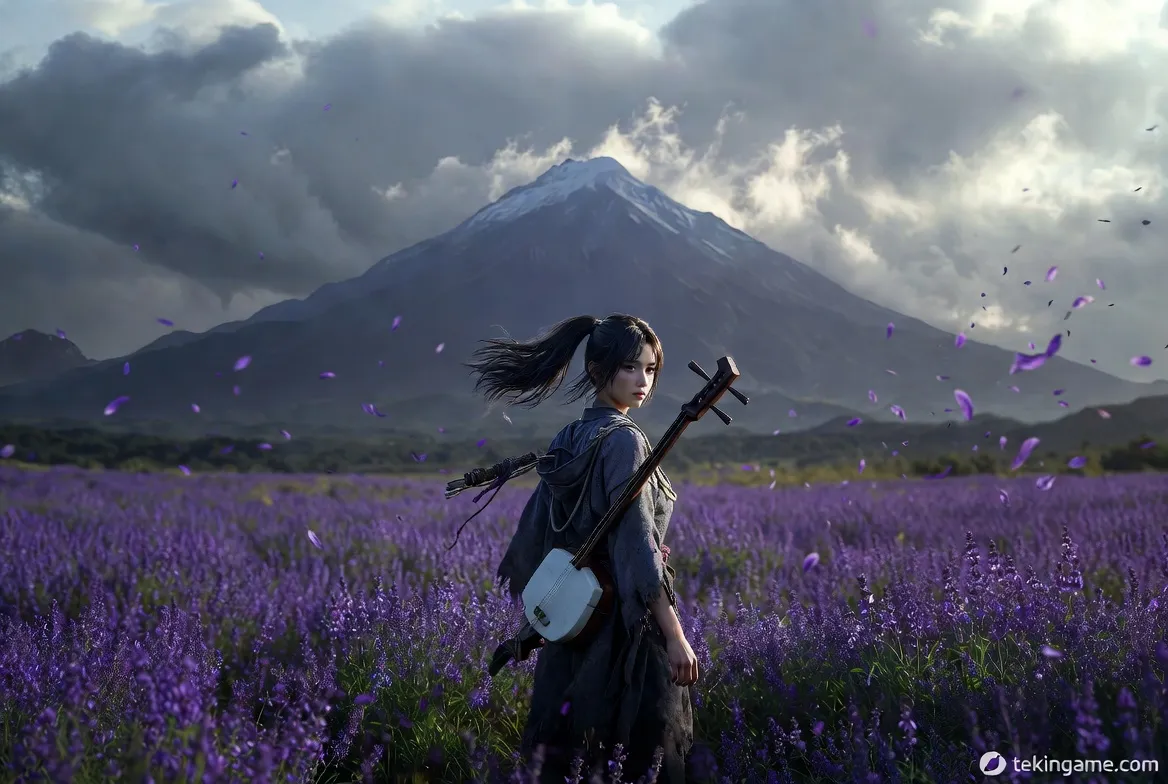
The art direction remains unmatched. Fields covered in purple lavender flowers at the base of the volcanic Mount Yotei create landscapes you will never forget. It creates a stark contrast between the beauty of nature and the violence of men.
5. Technical Analysis: The PS5 Pro Showcase
5.1. The Magic of Update 1.1
Last week, Sucker Punch released Update 1.1, adding full support for the PS5 Pro. The results are mind-blowing:
Ray Tracing Pro Mode: The game runs at a near-native 4K resolution with frame rates hovering between 70 and 90 FPS (with VRR enabled).
Performance Mode: The frame rate is locked at a blistering 120 FPS!
This game is the first title to truly justify the purchase of a PS5 Pro. Sony's PSSR (PlayStation Spectral Super Resolution) technology ensures that images remain crisp and noise-free even at high frame rates. The foliage density and draw distance are lightyears ahead of the base PS5 version.
6. Music & Audio Design
6.1. The Sound of the Shamisen
While the first game relied heavily on the Shakuhachi (flute), Ghost of Yotei shifts focus to the Shamisen (a three-stringed instrument). Its twangy, faster, and more aggressive sound perfectly matches Atsu's vengeful spirit and the "Ronin" atmosphere. The soundtrack dynamically shifts during combat, building tension with every strike.
6.2. Voice Acting
Erika Ishii's performance as Atsu is award-worthy. She conveys a deep well of suppressed rage and sorrow that anchors the entire narrative. The Japanese dub is equally spectacular, providing that authentic jidaigeki drama feel.
7. Tekin Plus Verdict
Ghost of Yotei is not a safe sequel; it is a brave step forward. Sucker Punch took the successful formula of Tsushima and perfected it by adding narrative depth, weapon variety, and true next-gen graphics.
If you own a PS5, this game is unmissable. And if you own a PS5 Pro, this game is the reason you bought the console. It is the most visually stunning open-world game available today.
- Graphics & Tech: 10/10 (The Gen 9 Benchmark)
- Story & Characters: 9/10
- Gameplay: 9.5/10
- Tekin Plus Final Score: 9.5/10 (Masterpiece)