
1. The Innovation Dead End: The Era of "Peak Smartphone"
Let’s be honest: The excitement of "New Phone Day" is gone.
Ten years ago, the jump from iPhone 4 to iPhone 5 felt like a leap into the future. Today? The jump from iPhone 15 to 16 is measured in millimeters of bezel reduction and minor camera tweaks.
This phenomenon is known in economics as the Law of Diminishing Returns. The smartphone "form factor" (a rectangular slab of glass) has reached its physical peak. We cannot make screens much better because human eyes can’t see the difference. We cannot make them faster because our thumbs cannot type faster.
The Biological Barrier: Thumbs vs. Thoughts
The biggest bottleneck in technology today is not the processor; it is Input/Output (I/O).
Your brain processes information at the speed of light. But to communicate that to your phone, you have to use two clumsy meat-sticks (your thumbs) to tap on a piece of glass. It is incredibly inefficient. The device of the future must remove this friction. It must be as fast as thought itself.
2. The First Successor: The Return of Glass (AR)
The strongest candidate to replace the phone is an accessory that billions of humans already wear: Eyeglasses.
Meta’s "Orion": The Holy Grail of Holograms
Mark Zuckerberg has bet the entire future of his company on this. The recently revealed Project Orion prototype is the glimpse of 2030.
Unlike the bulky VR headsets of today, Orion looks like thick reading glasses. But through the lenses, you don’t just see the real world; you see the digital layer on top of it.
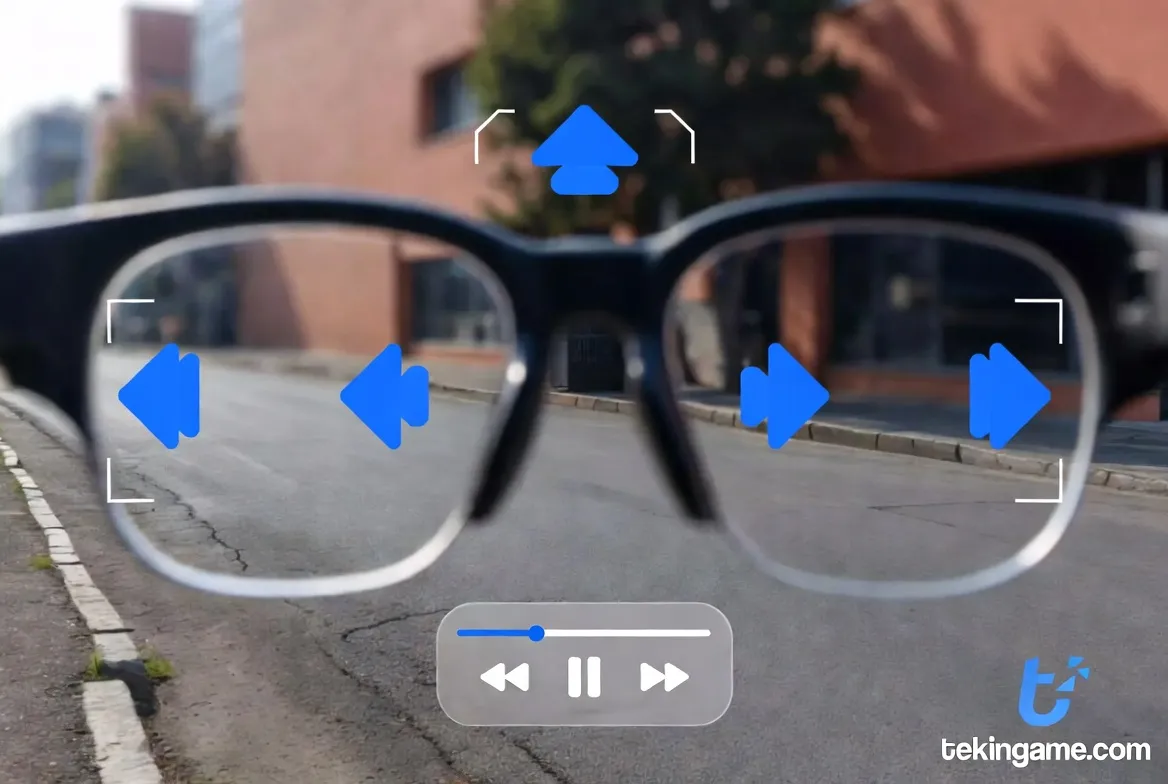
Imagine walking down the street. You don't look down at Google Maps on your phone. Instead, blue holographic arrows appear on the asphalt, guiding you. A message from your friend doesn't buzz in your pocket; it floats as a text bubble in the air next to you.
When the world becomes your monitor, the 6-inch screen in your pocket becomes an unnecessary restriction.
Apple Vision Pro: The Expensive Bridge
Critics mock the Apple Vision Pro for being heavy and expensive ($3,500). They are missing the point. The Vision Pro is not a consumer product; it is a development kit for the future.
Apple is training developers to build "Spatial Computing" apps. They are preparing the software ecosystem so that when the hardware inevitably shrinks down to the size of normal glasses (Apple Glass) by 2027 or 2028, the world will be ready.
3. Ambient AI: When the OS Becomes a Voice
For 15 years, we have lived in the "App Economy." To do anything, you must find an icon, tap it, wait for it to load, and navigate a menu.
Artificial Intelligence (LLMs) will kill the App Icon.
Intent-Based Computing
In the Post-Mobile era, the Operating System is an AI Agent (like a super-charged Siri or ChatGPT).
You won't open the Uber app. You will simply speak to the air (via your glasses or an earbud): "Get me a car to the office."
The AI understands your intent. It interfaces with the Uber API in the background, books the ride, pays for it, and tells you: "A Toyota Camry is arriving in 3 minutes."
This is called Ambient Computing. The technology fades into the background. You are no longer "using a computer"; you are simply living your life, and the computer is facilitating it invisibly.
Lessons from the Humane AI Pin Failure
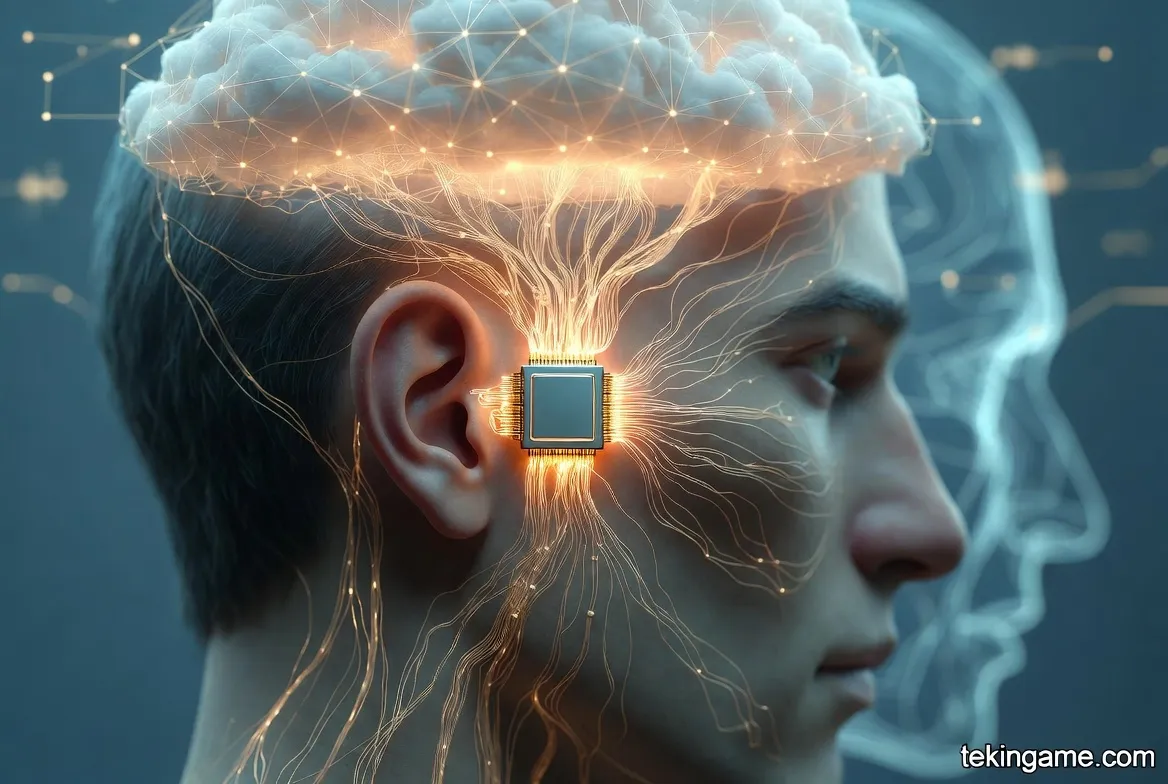
Devices like the Humane AI Pin and Rabbit R1 launched in 2024 and failed miserably. Why? Because they tried to force the future before it was ready. They were slow, buggy, and lacked screens entirely.
However, failure is part of the process. The Palm Pilot failed so the iPhone could succeed. The AI Pin is the "Palm Pilot" of ambient computing. The idea is correct; the execution just needs five more years of Moore's Law.
4. The Final Frontier: Neuralink and Digital Telepathy
If glasses reduce the friction, Elon Musk wants to eliminate the friction entirely.
The Bandwidth Problem
Musk founded Neuralink on a simple premise: Humans have a "bandwidth problem." We can consume data fast (vision), but we output data slowly (typing/speaking).
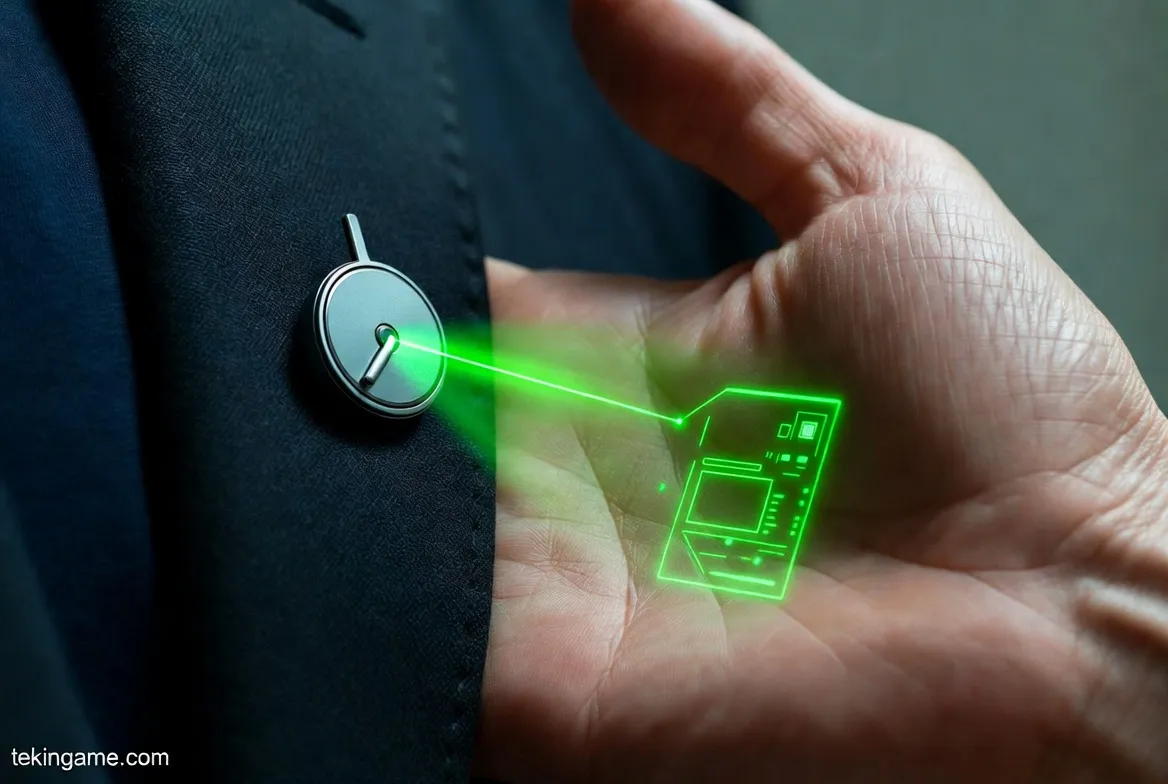
Neuralink’s Brain-Computer Interface (BCI) has already allowed a paralyzed patient to play chess and control a mouse cursor using only his mind.
By 2030 or 2035, this technology will move from "medical necessity" to "consumer enhancement." Imagine sending a text message just by thinking the sentence. Imagine turning off the lights in your smart home just by visualizing darkness.
This is Digital Telepathy. In a world where you can interface with the cloud directly via your neurons, a physical phone becomes as archaic as a smoke signal.
5. The Nervous System: 6G and Edge Computing
For these glasses and chips to work, they need to be light. They cannot carry heavy batteries or hot processors.
So, where does the processing happen?
The Rise of 6G
This is where 6G networks (expected around 2030) come in.
6G will offer speeds 100x faster than 5G with near-zero latency. This allows for "Edge Computing." Your glasses don't need a powerful CPU. They just need to capture the image, send it to a local server tower via 6G, process the AI, and send the hologram back to your eyes instantly.
The "Smart" part of the Smartphone moves out of your pocket and into the air around you.
6. The Black Mirror Scenario: The Death of Privacy
We cannot discuss this future without addressing the elephant in the room: Dystopia.
A world where everyone wears camera-equipped glasses is a world where "privacy in public" ceases to exist.
The End of Anonymity
Facial recognition software, combined with AR glasses, means you can look at a stranger on the subway and instantly see a floating bubble with their name, their LinkedIn profile, and their credit score.
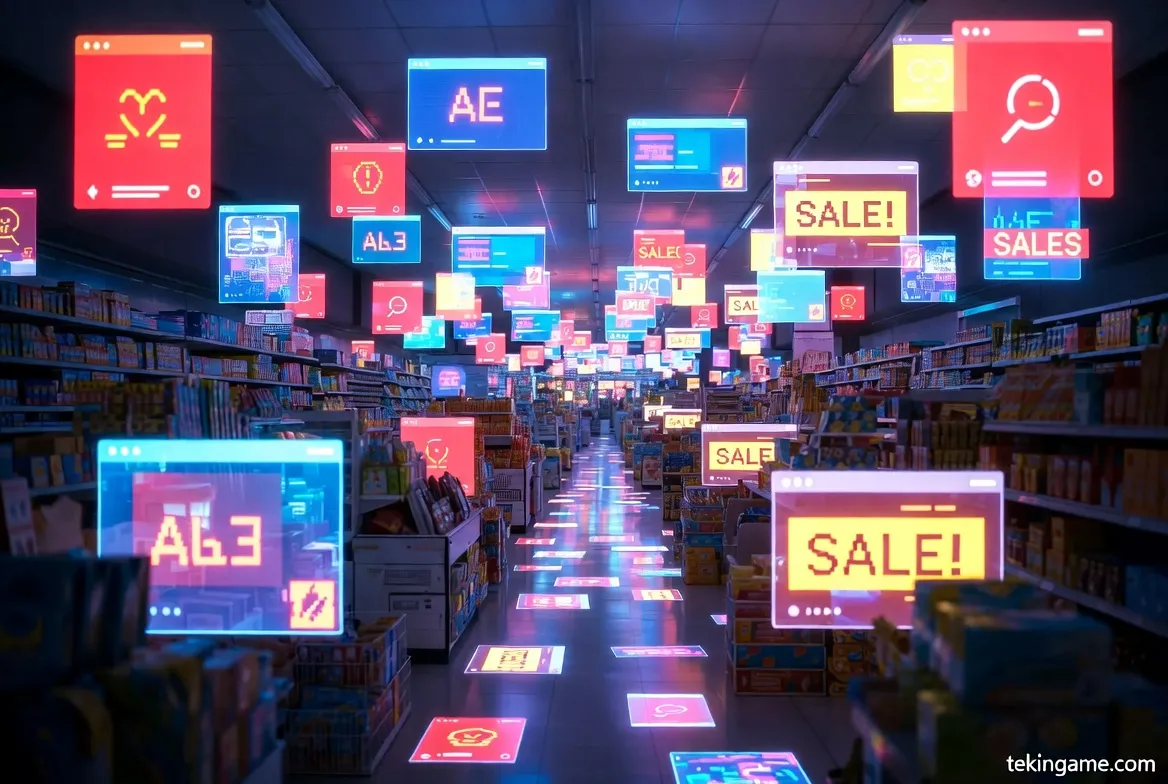
Furthermore, the advertising potential is terrifying. In a concept video called "Hyper-Reality", an artist depicted a future where our field of vision is cluttered with colorful, floating pop-up ads that we cannot close. Imagine having to pay a monthly subscription just to see the real world clearly without ads blocking the sunset. This is the dark side of the Spatial Web.
7. Conclusion: The Hybrid Decade
Will we all throw our iPhones in the trash on January 1, 2030? No.
Technology transitions are messy. We are entering a "Hybrid Decade."
Just as horses co-existed with cars for twenty years, smartphones will co-exist with wearables.
– In 2026, the glasses will be an accessory to the phone (like the Apple Watch today).
– In 2028, the glasses will do 80% of the tasks, and the phone stays in the bag.
– By 2032, you will leave the house without a phone, and you won't even notice.
Commander, the era of the glass rectangle is ending. We are about to lift our heads, free our hands, and merge with the digital world. The question is: Are we ready to be plugged in 24/7?
We predict that Apple will drop the "iPhone" branding by the mid-2030s. The future ecosystem will likely be called "Apple Life" – a subscription service that connects your glasses, car, and home, with no central device.